Keep up-to-date with all our latest company news and business content. The latest news, tips and advice to help you run your business with less fuss.
More than 130,000 vessels call at the Port of Singapore each year, making it one of the world's busiest and most intensively inspected maritime hubs. The Maritime and Port Authority of Singapore operates a dual...
Ships entering US waters face the world's most layered emission compliance framework. Within the North American Emission Control Area — extending 200 nautical miles from every US coastline — fuel sulfur must...
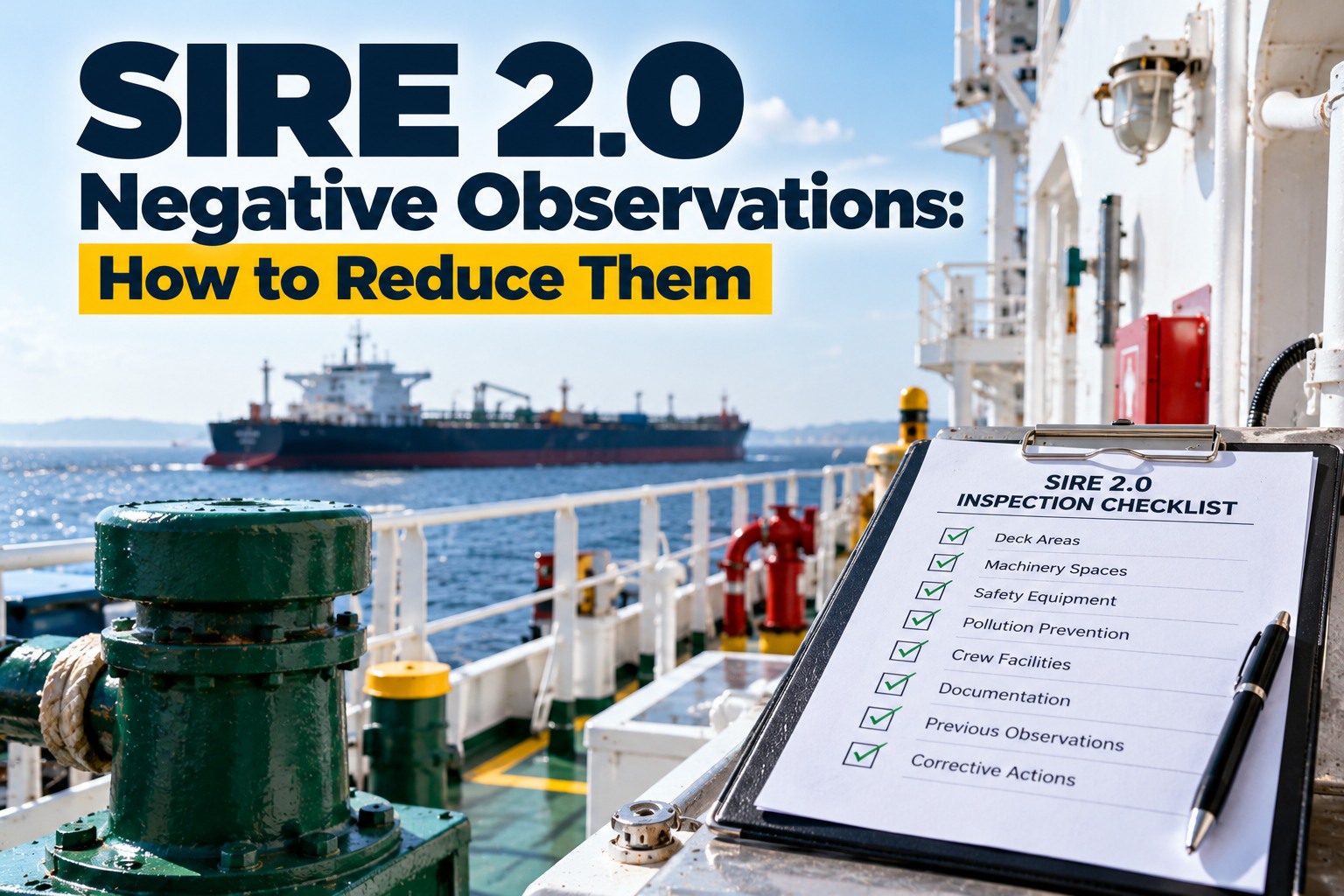
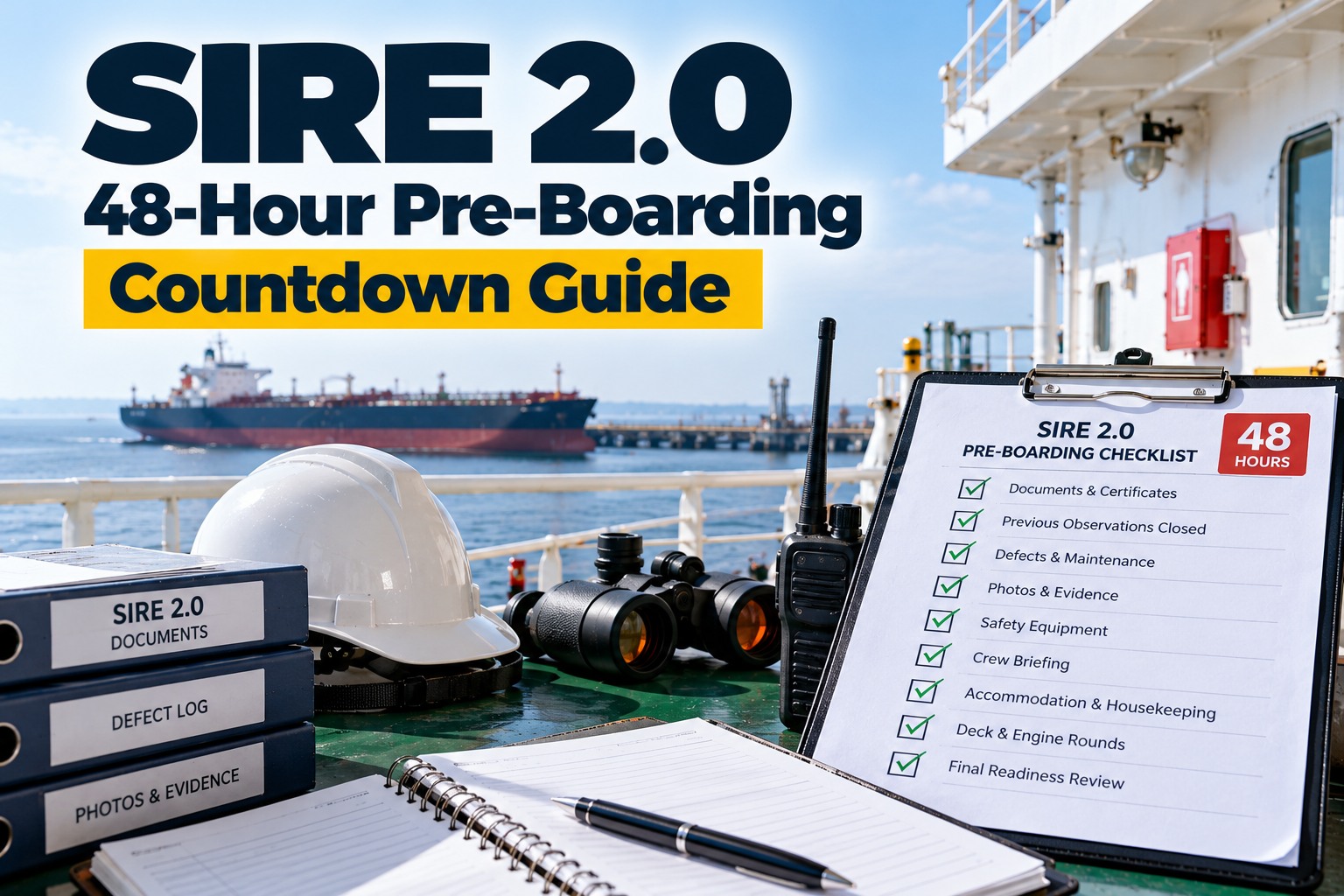
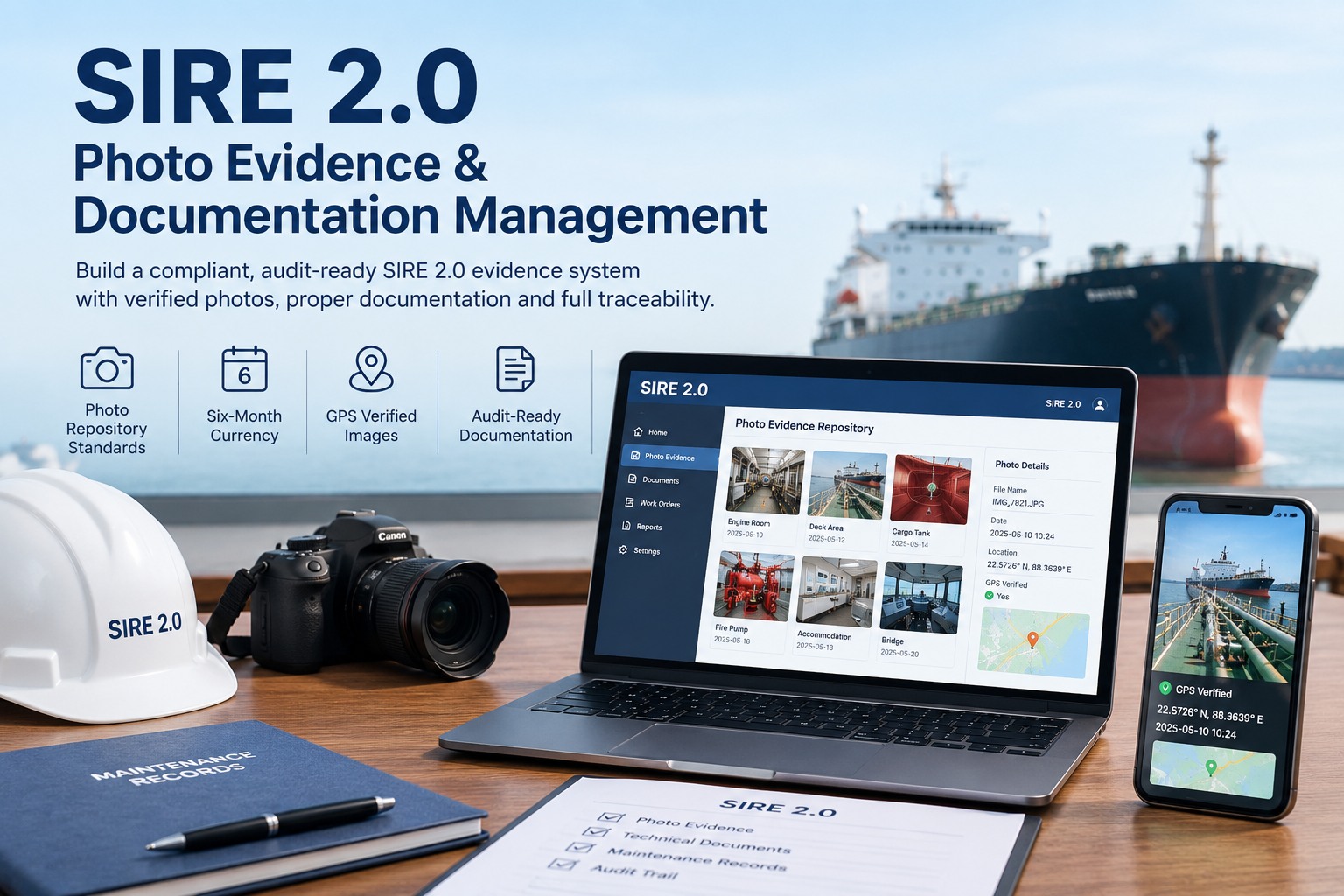
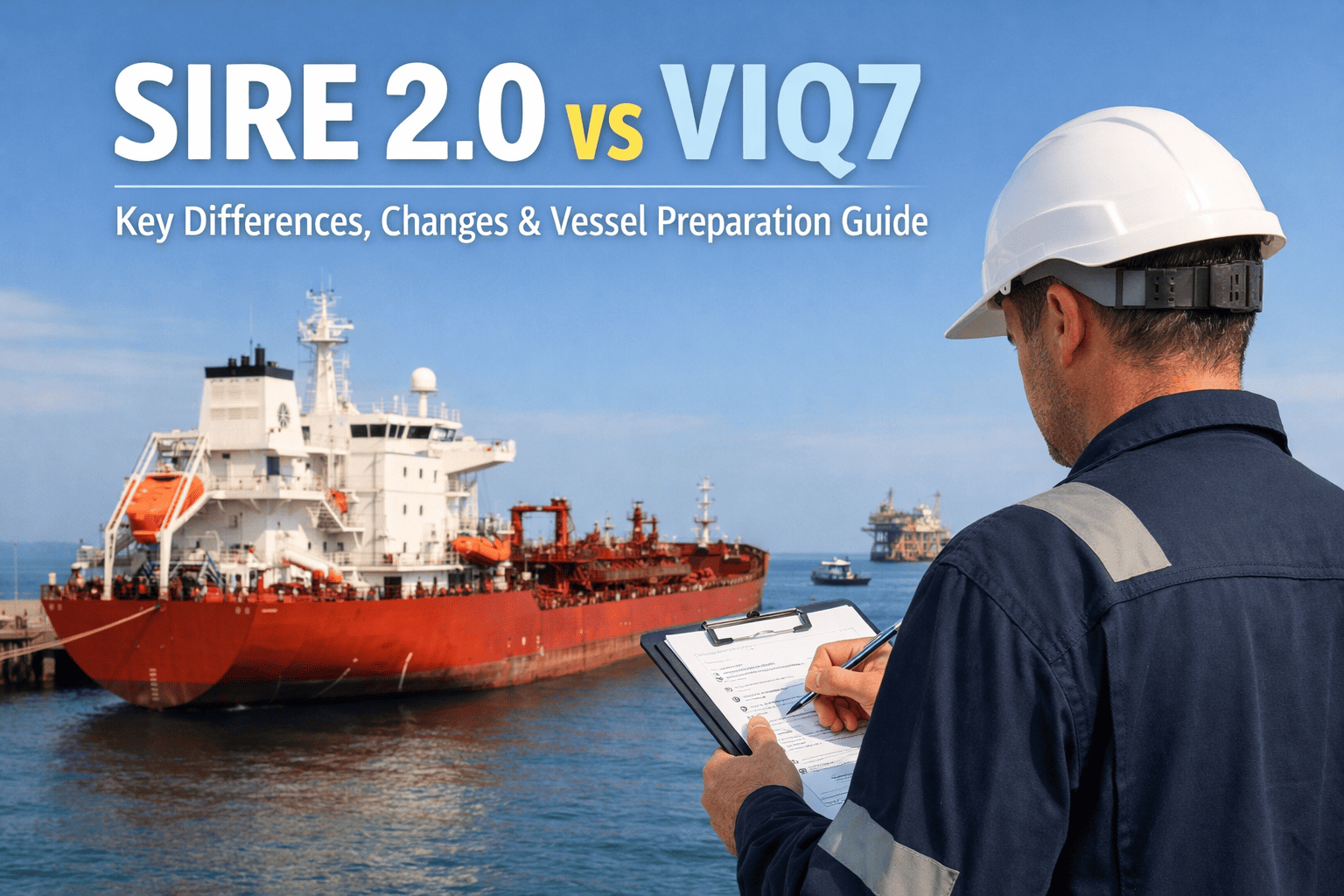
Since September 2, 2024, every OCIMF tanker inspection runs under SIRE 2.0 — a tablet-driven, risk-based system where a single deficiency can cascade into six separate observations across hardware, process,...
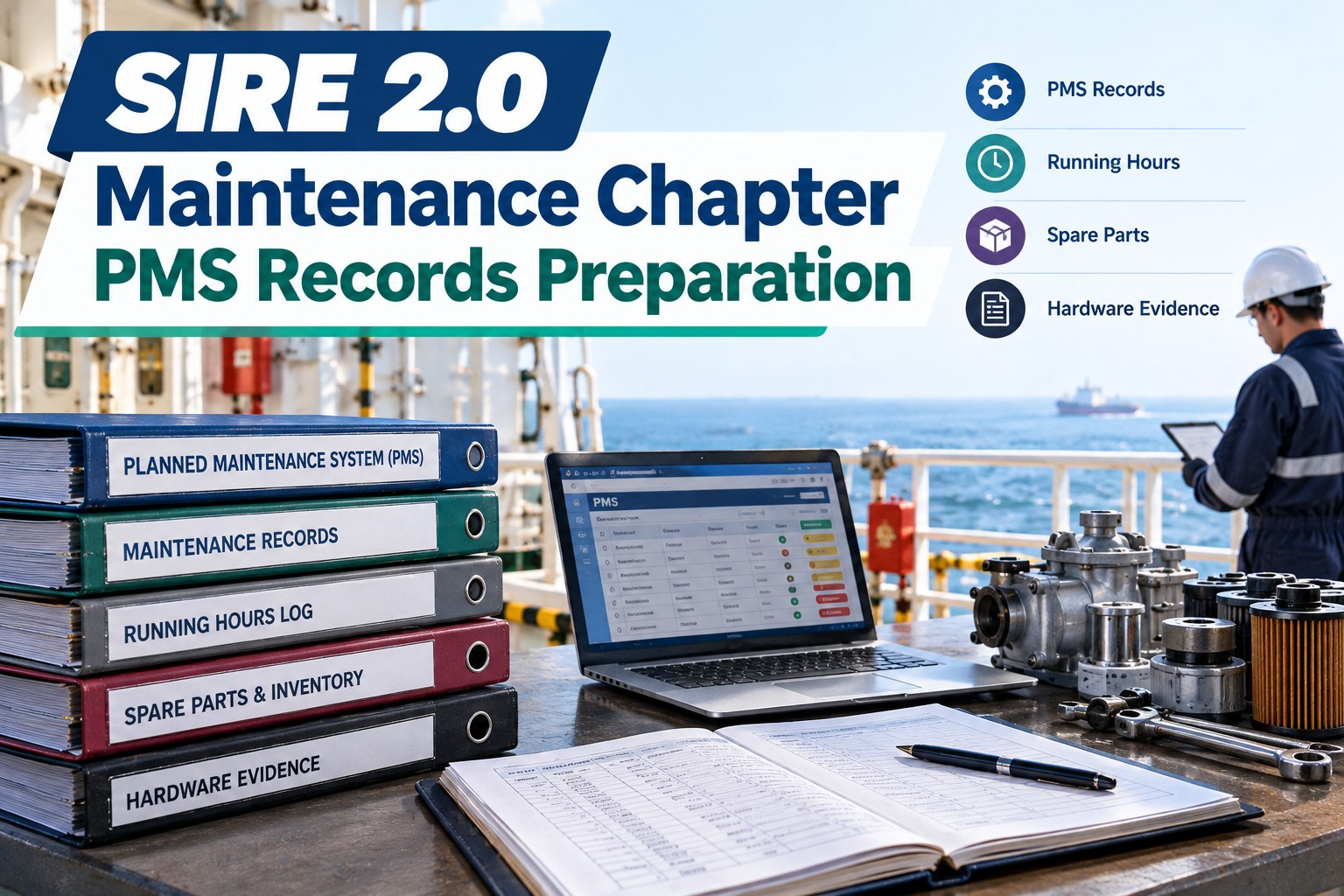
Your US-flagged container vessel operates with systematic planned maintenance across main propulsion, auxiliary systems, and cargo handling equipment. But last month, USCG inspection in Los Angeles detained the...
In 2024, the U.S. Coast Guard conducted 8,710 port state control examinations across 84,034 port calls by 11,273 individual vessels from 79 flag administrations. Eighty-two vessels were detained for safety,...
Your Greek-owned Aframax tanker operates under major oil company vetting with clean inspection history—zero SIRE observations over 18 months. Then last week, charterer's pre-fixture inspection identified 12...
Your Greek-flagged bulk carrier operates 340 days annually with systematic maintenance scheduling across main engine, auxiliary systems, deck equipment, and safety installations. But last month, PSC inspection...
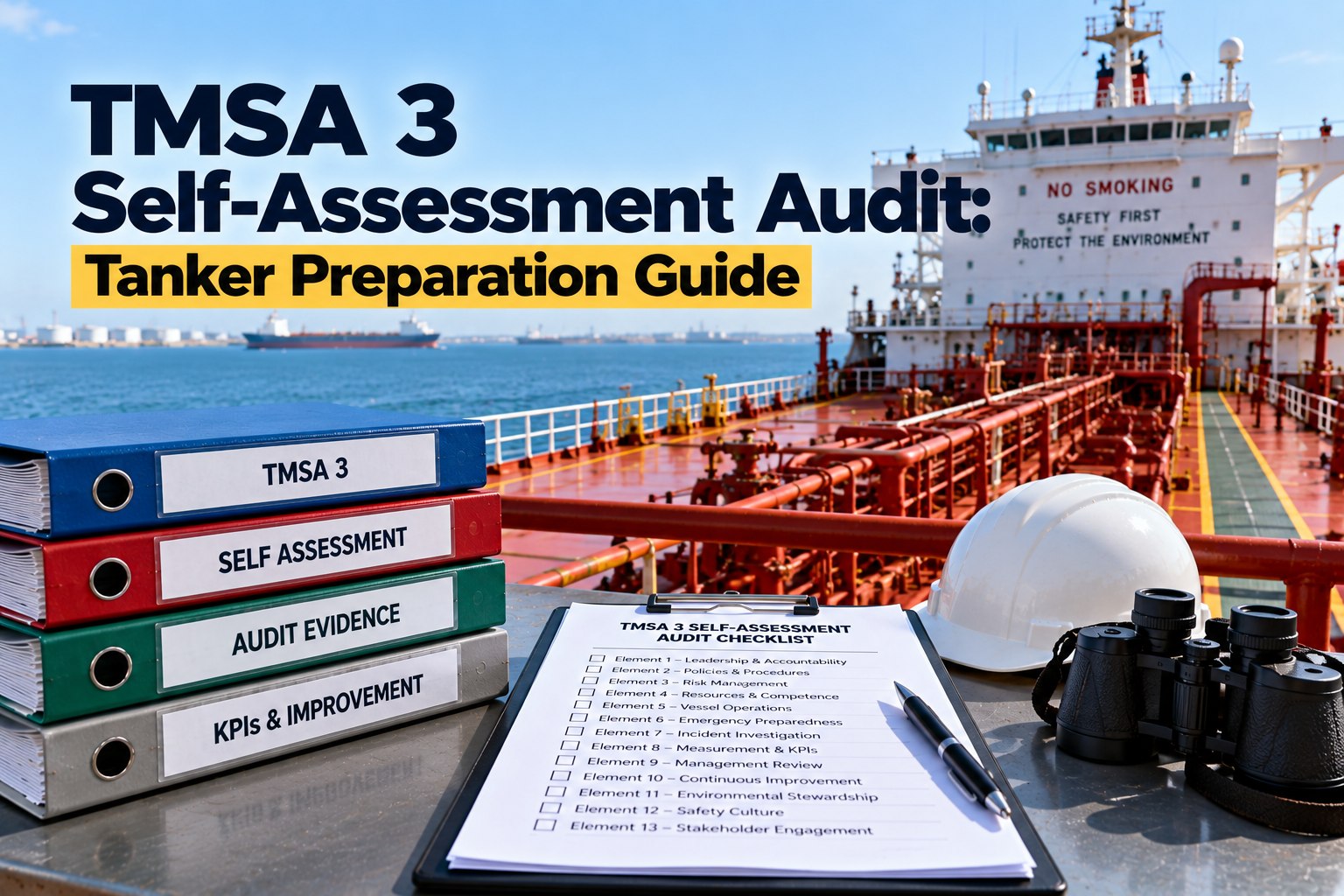
Greek shipowners control approximately 30% of the global oil tanker fleet, with 910 tankers and 507 chemical and product carriers operating across every major trade route. Since September 2, 2024, every one of...
A vessel calling at Shanghai or Tianjin carries 50+ statutory certificates that must be valid, endorsed, and available on demand. One expired certificate or missed survey endorsement triggers detention by China...
China's maritime fleet now exceeds 5,500 commercial vessels with a combined value surpassing $255 billion, making it the world's largest shipowner by tonnage. With the revised Maritime Code taking effect on May...
The central waters of Bohai Bay serve as the critical gateway for vessels accessing Tianjin, Huanghua, and Caofeidian — three of China's busiest cargo ports handling hundreds of millions of tonnes annually....
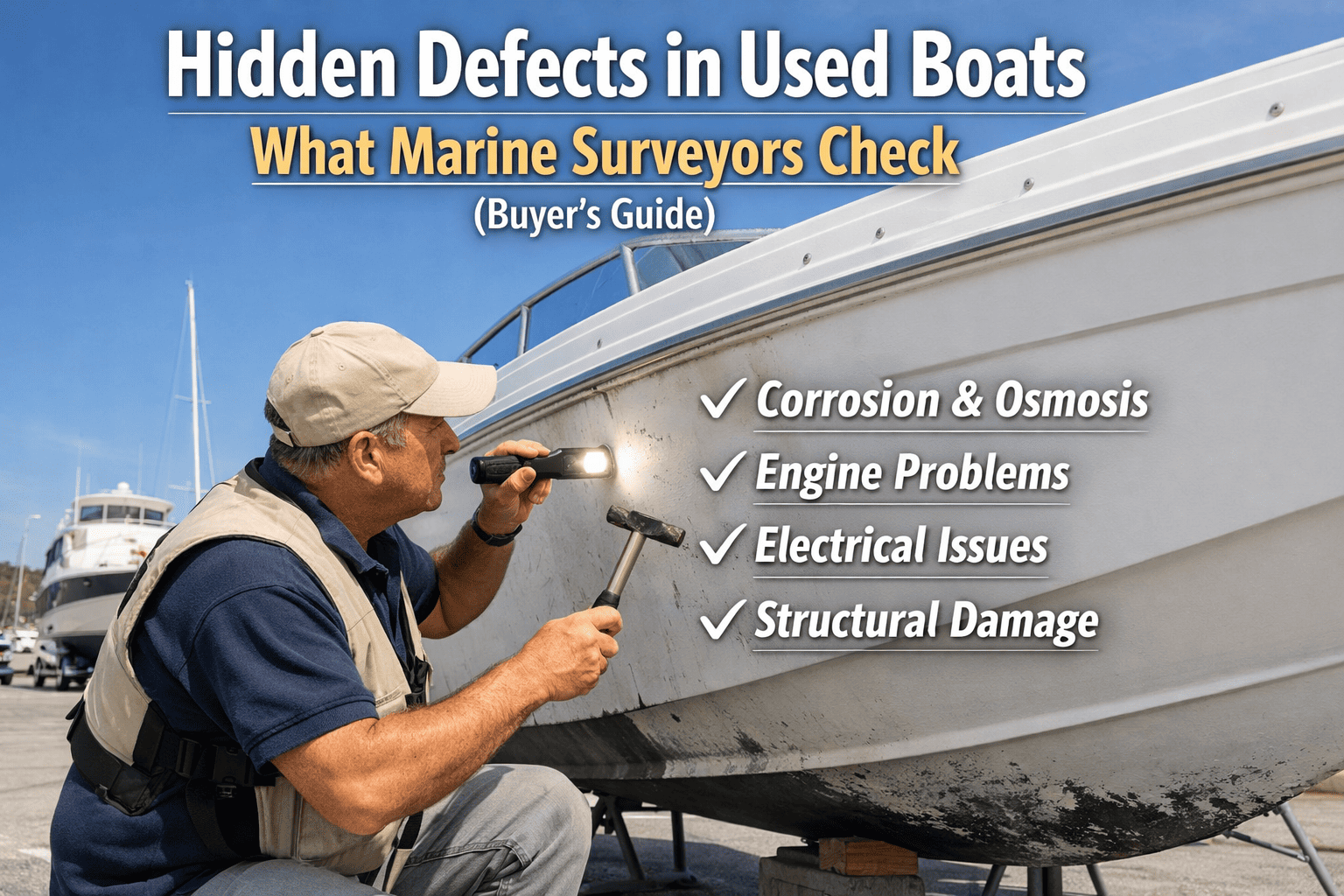
Whether you're buying a $200,000 cruiser, chartering a 90-foot motor yacht in South Florida, or renewing insurance on a 15-year-old sailboat, a marine survey is the document that determines whether the deal...
Greek shipowners control 5,691 vessels representing 20% of global deadweight tonnage and 61% of the EU fleet — making Greece the world's undisputed shipping leader. But 2026 brings a convergence of regulatory...
Since 1 January 2026, reporting containers lost at sea is a binding obligation under SOLAS Chapter V. IMO Resolution MSC.550(108) amended Regulations 31 and 32 to require the master of any ship involved in a...
SAE 50 is one of the most widely specified monograde engine oils in commercial marine operations, particularly for medium-speed trunk piston diesel engines operating in tropical and warm-water routes where...
The Gulf workboat sector supports over 1,800 active offshore support vessels across the Gulf of Mexico alone, servicing more than 1,200 offshore rigs with daily operational costs averaging $20,000 to $30,000 per...
Australia's domestic commercial fleet comprises around 32,000 vessels operating across 60,000 kilometres of coastline. Every one of those vessels is required to maintain logbooks, maintenance records, and safety...
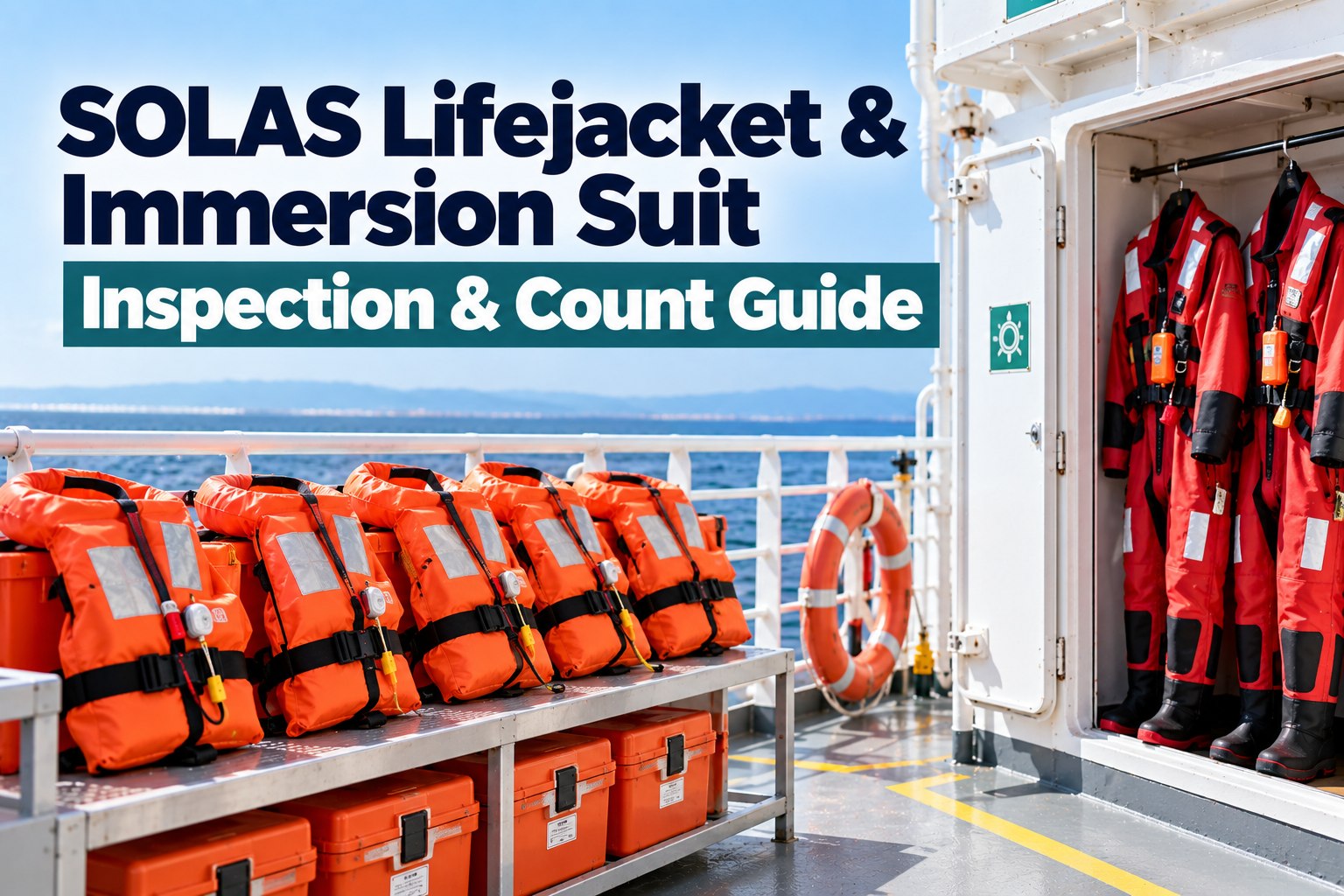
Lifesaving appliances are the equipment your crew depends on when everything else has failed—and port state control officers know it. LSA deficiencies consistently rank among the top three detention categories...
Your offshore supply vessel passed quarterly safety audit three weeks ago with full compliance. Then yesterday, port state control detained the vessel for expired lifeboat davit certification—a requirement...
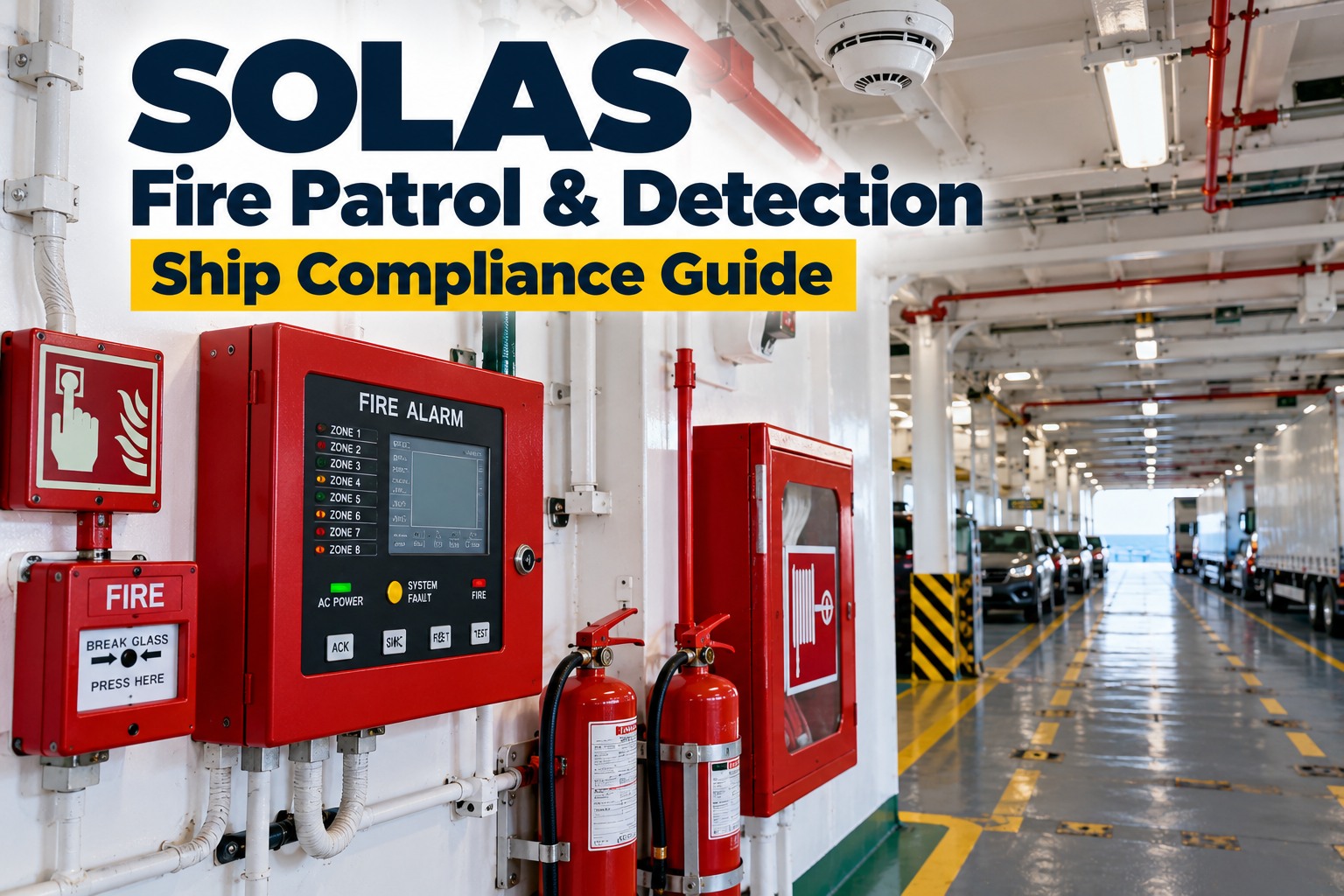
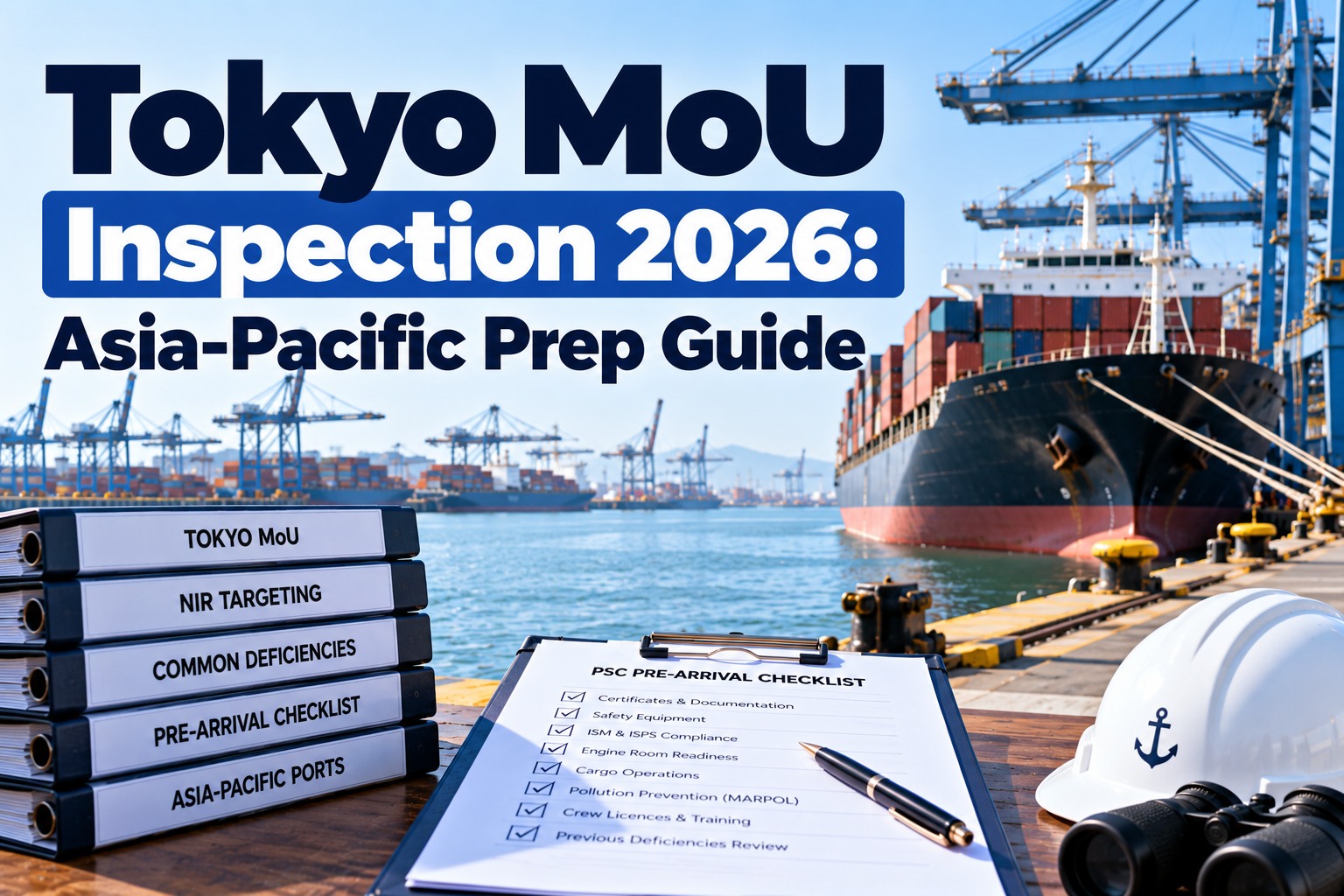
Fire safety is the single largest category of port state control deficiencies worldwide—the Paris MOU 2024 Annual Report confirms SOLAS Chapter II-2 accounts for 17.2% of all recorded deficiencies. The Tokyo...
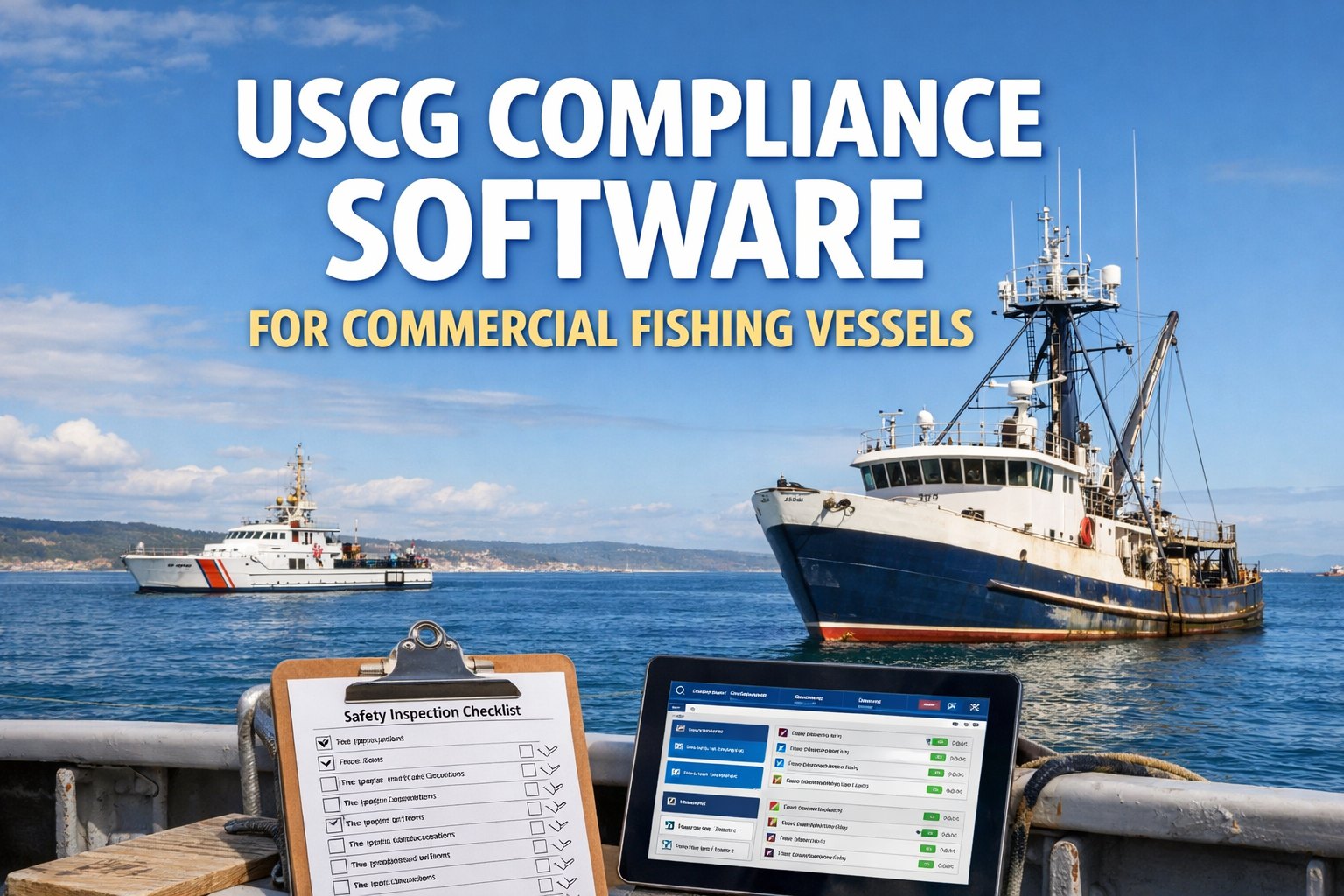
Commercial fishing is the deadliest occupation in the United States—fatality rates exceed 100 deaths per 100,000 workers, over 28 times the national average. NIOSH data from 2000-2019 documents 878 fishermen...
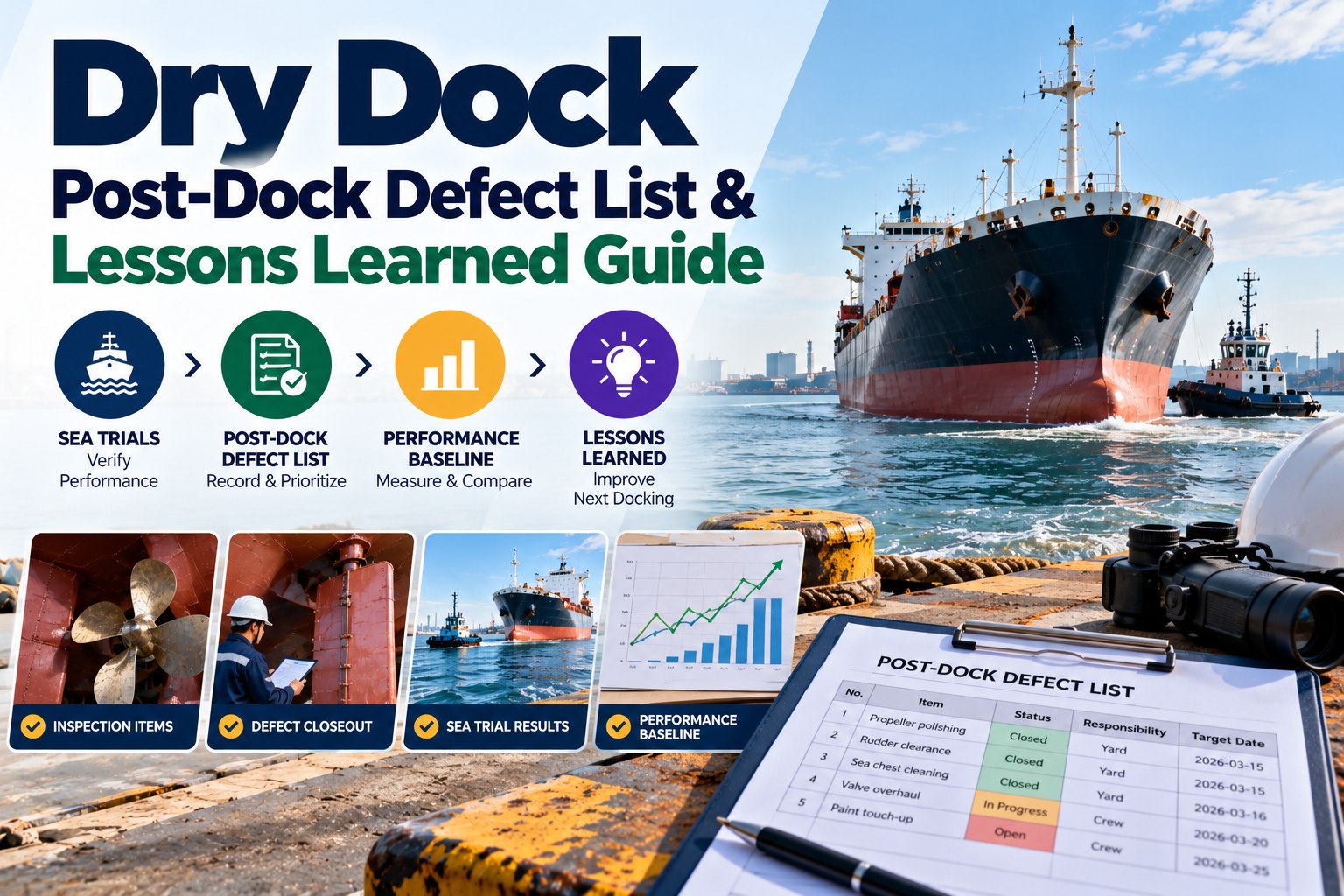
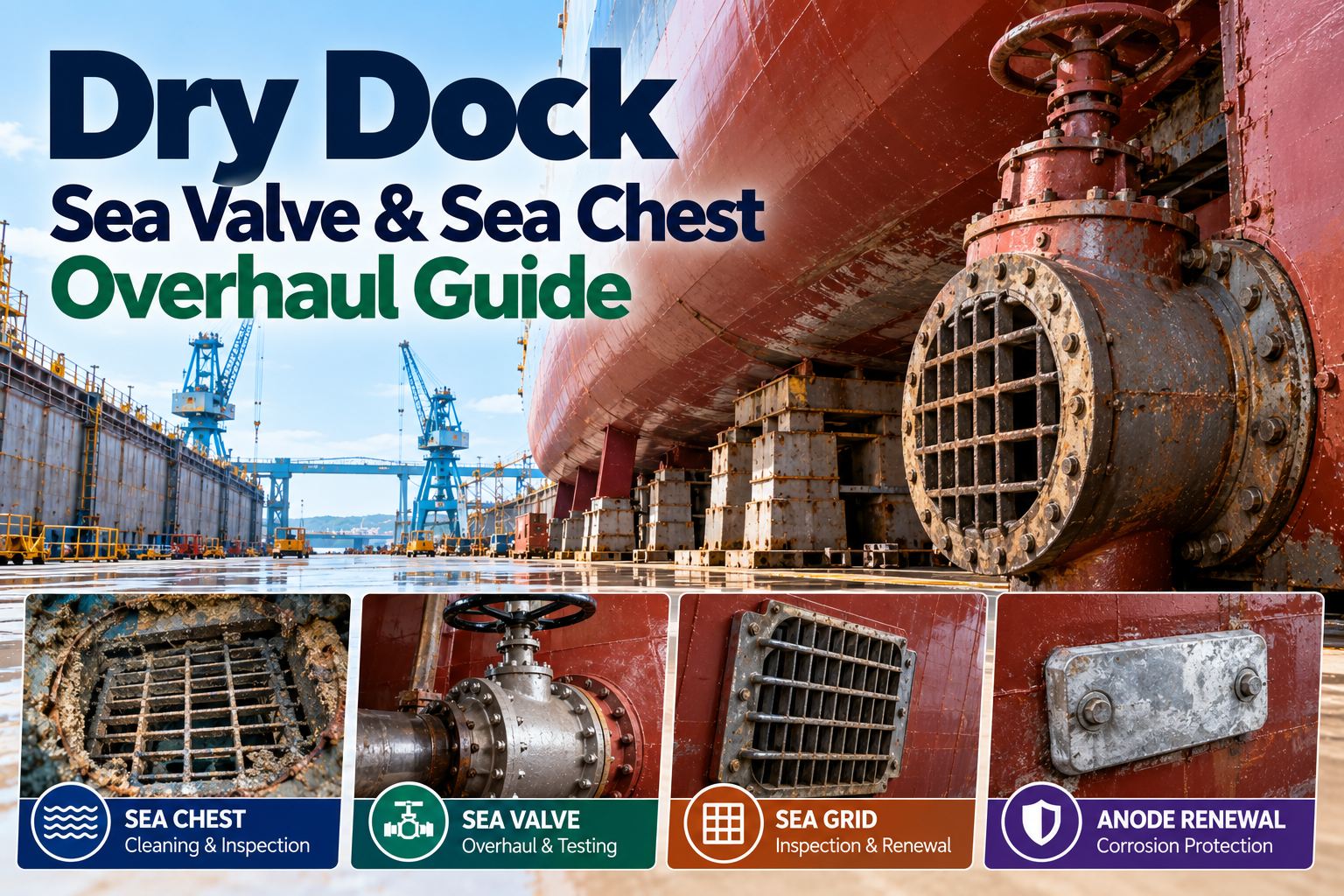
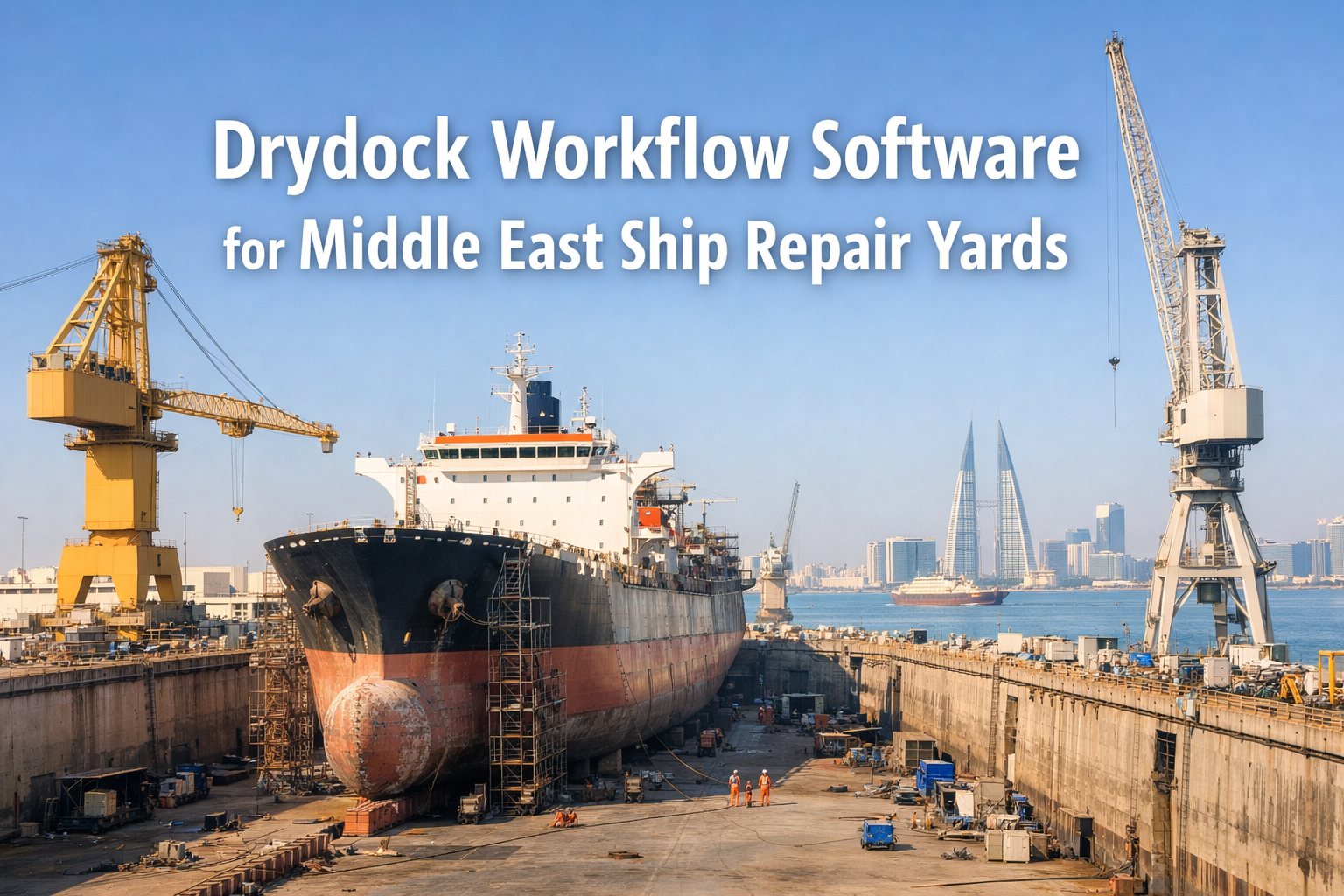
Your drydock project scheduled 23 days vessel turnaround with clear critical path: hull cleaning days 1-3, inspection days 4-5, steel work days 6-15, coating days 16-21, sea trials day 22. But on day 8, steel...
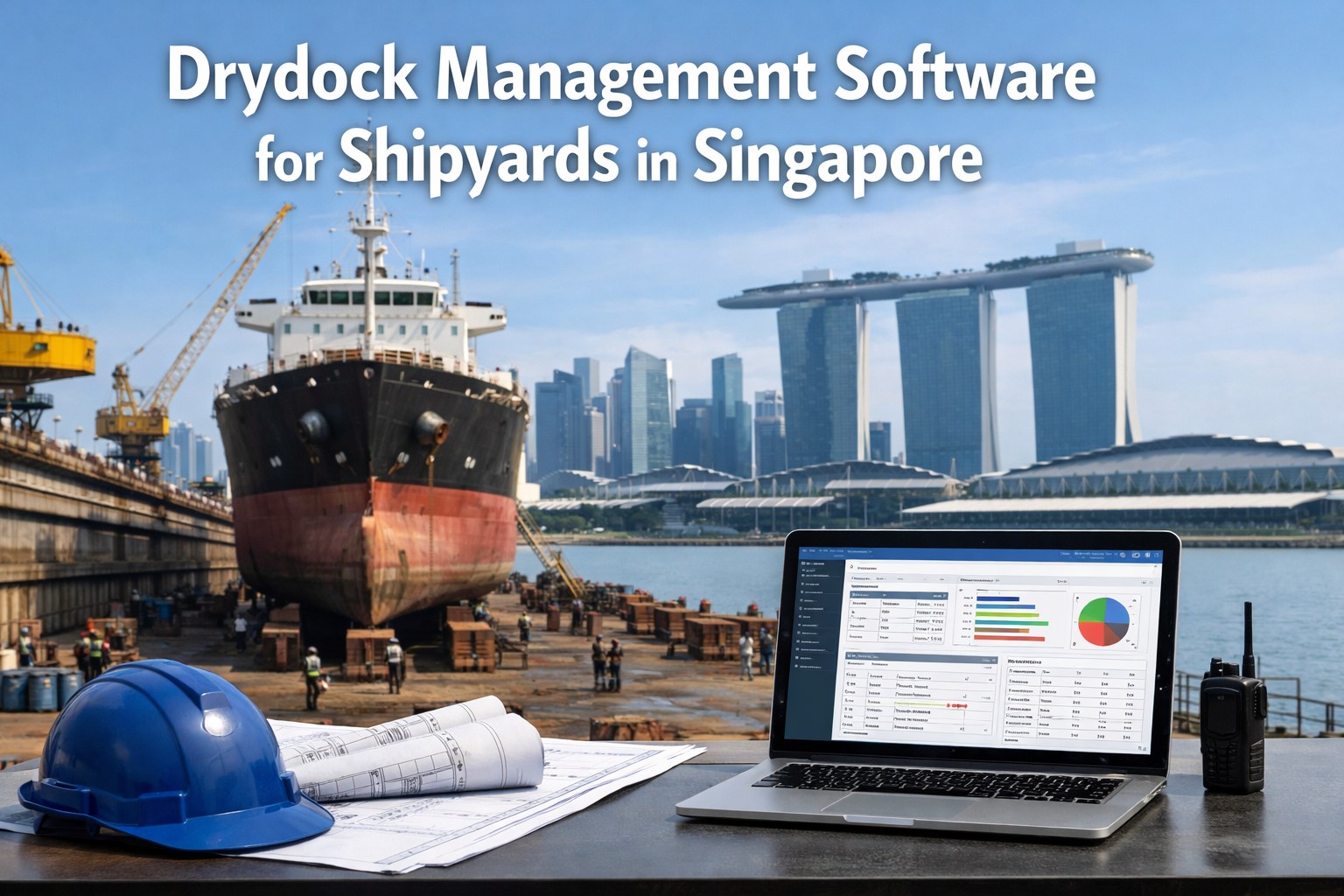
Singapore shipyards handle over 130,000 vessel calls annually, with Keppel, Sembcorp Marine, and a network of specialized repair yards servicing fleets from around the world. Drydock projects here are...
In March 2025, the Cefor Technical Forum issued Memo 11/2025 directly to Nordic marine insurers warning that ship blackout incidents are rising—and the industry is not managing the risk effectively. ABS data...
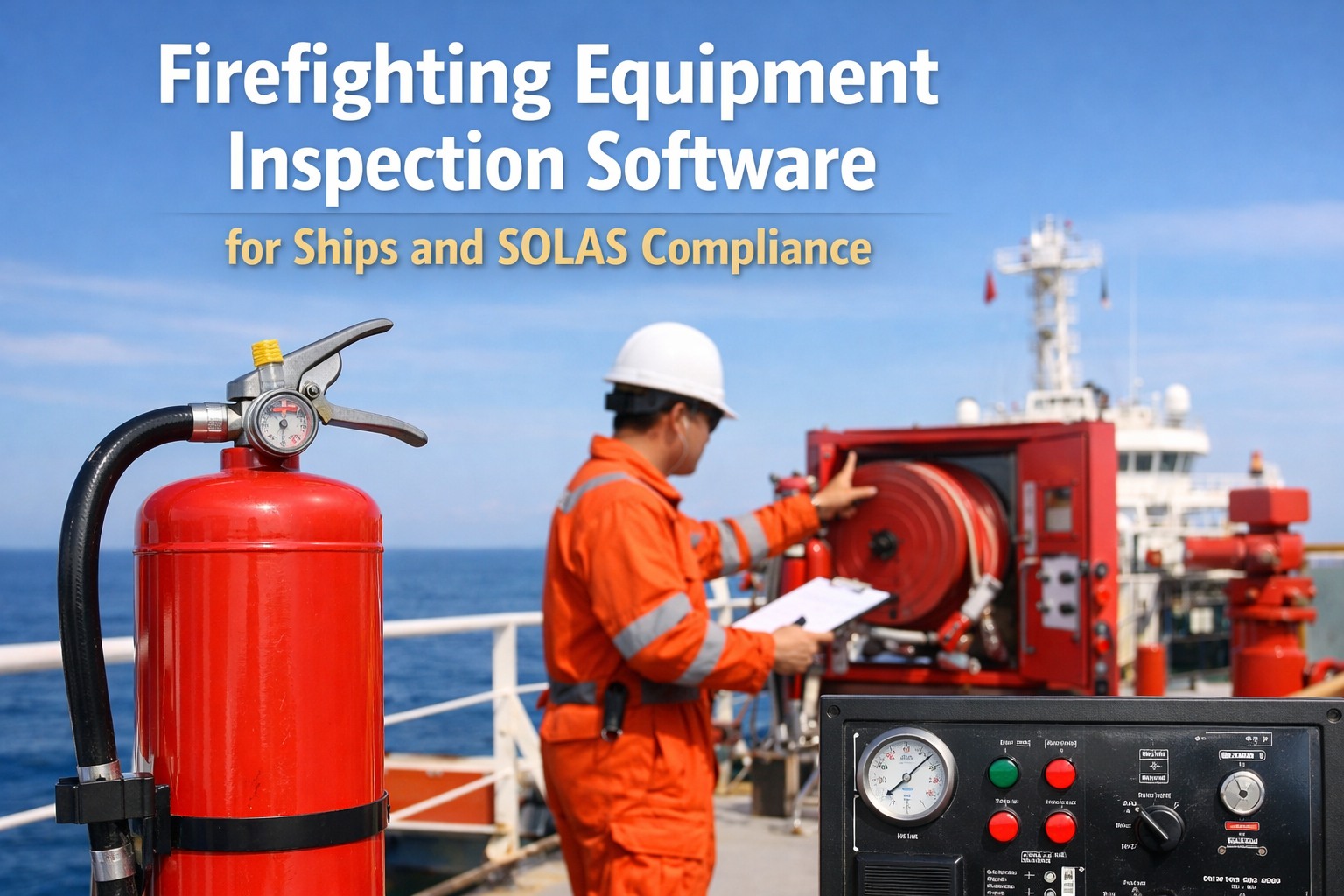
Your vessel's firefighting system passed annual inspection three months ago with zero deficiencies. Emergency fire pump tested successfully, pressure valves verified operational, CO2 suppression system confirmed...
A hybrid ferry operating a short-sea route loses propulsion mid-crossing. The battery management system logged rising cell temperatures for three weeks, but the data sat in a local BMS dashboard nobody checked...
Your tanker transits the Strait of Malacca, calls at Singapore for bunkering, loads cargo at a Thai terminal, and delivers to a Chinese port—all within a single voyage. Each stop means a potential PSC...
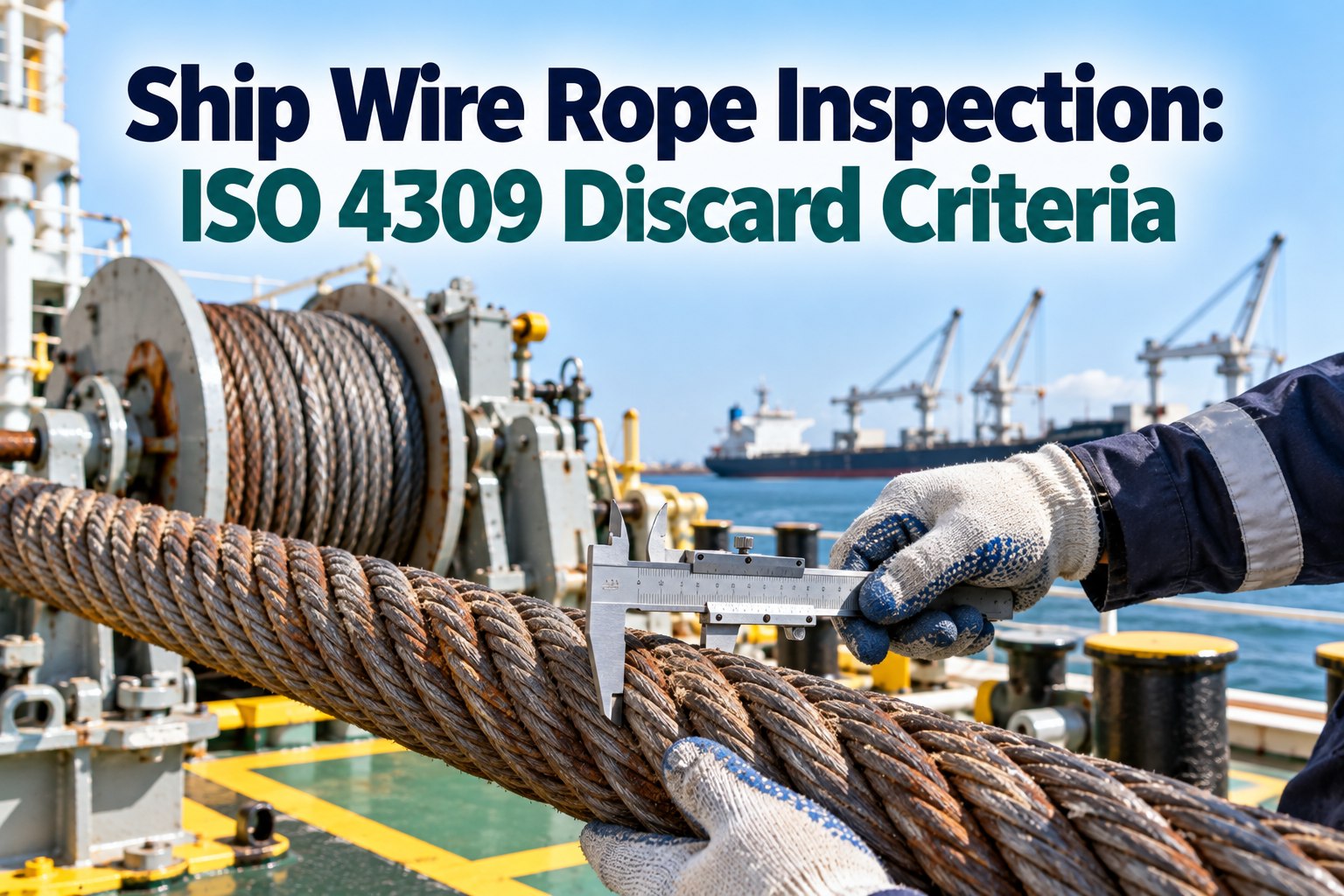
An offshore crane fails its annual thorough examination. The wire rope shows 14 broken wires in one lay length—two more than the discard threshold. The cargo gear book hasn't been updated since the last...
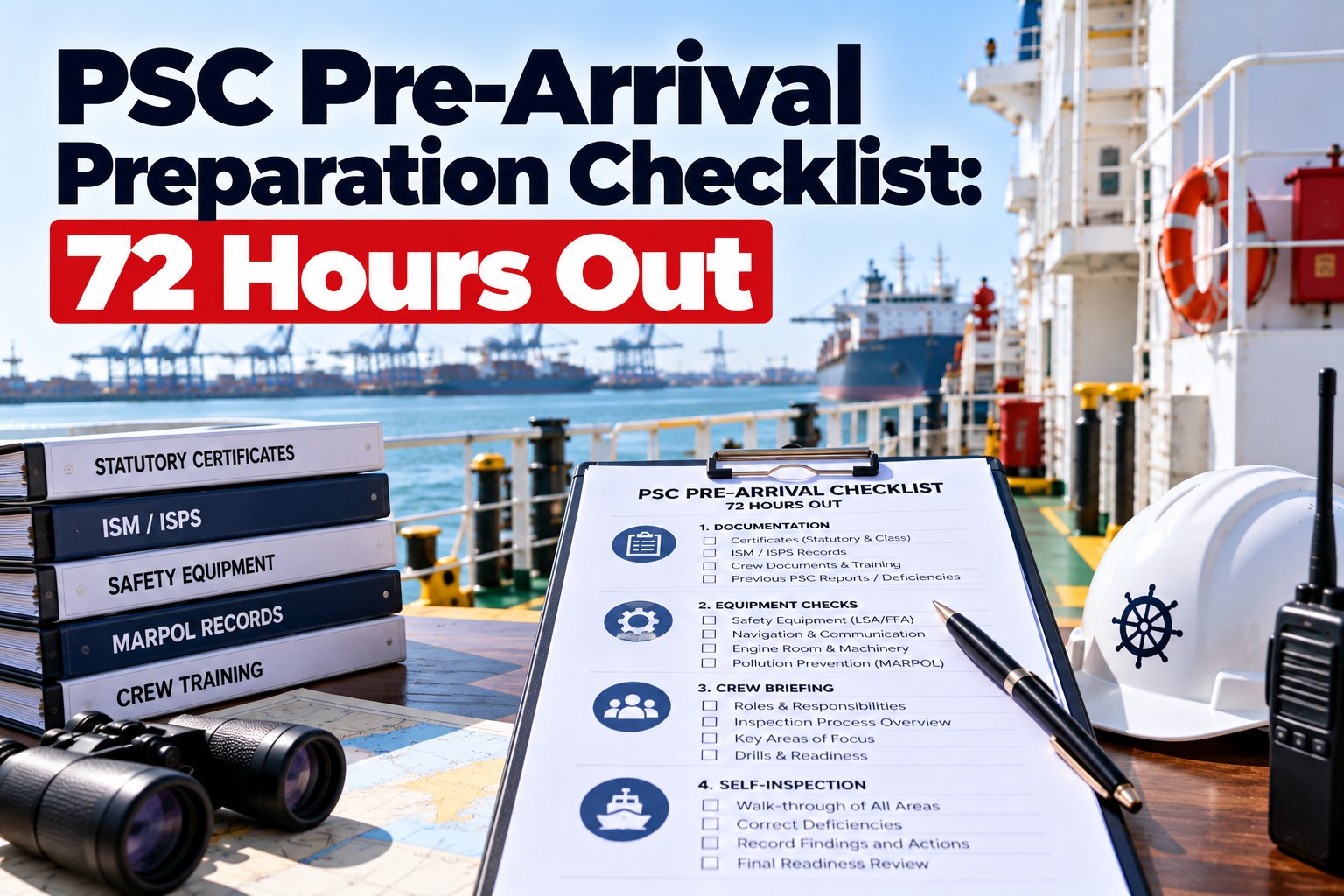
Two days before arriving at port, the scramble begins. The chief engineer runs through overdue maintenance items. The captain reviews logbooks for gaps. Crew members stage drills they haven't practiced in...
Your fleet passed 47 port state control inspections over 18 months with zero detentions. Then three vessels received detentions within six weeks for seemingly unrelated issues: oil system violations on one...
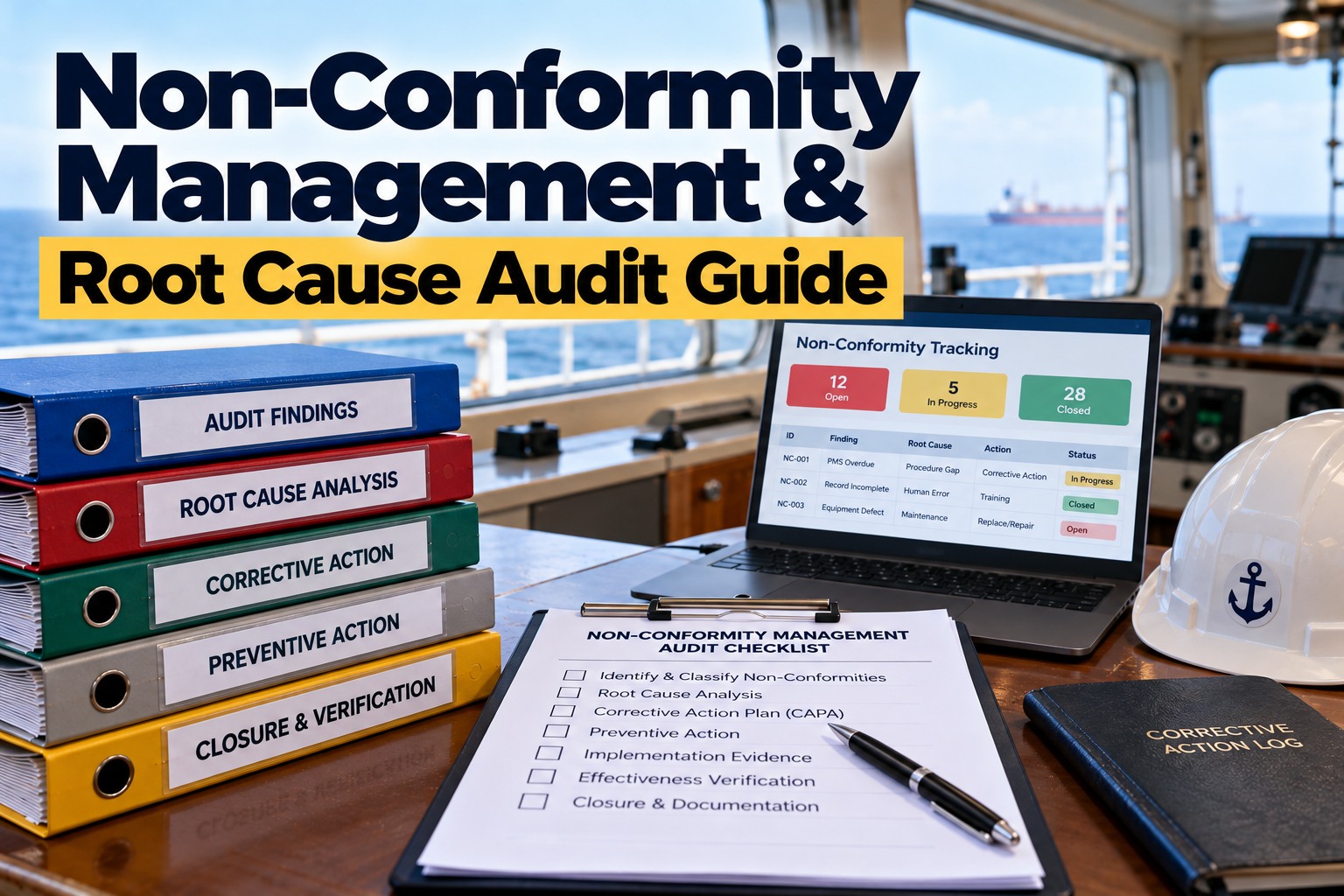
When a PSC officer finds a deficiency on your vessel, the first question isn't "what went wrong?" It's "who was responsible for making sure this didn't happen?" If nobody can answer clearly—or if the answer is...
A Port State Control officer boards your vessel and requests the Oil Record Book. It's available. Then they ask for the maintenance log entry matching an overboard discharge from three weeks ago. Your chief...
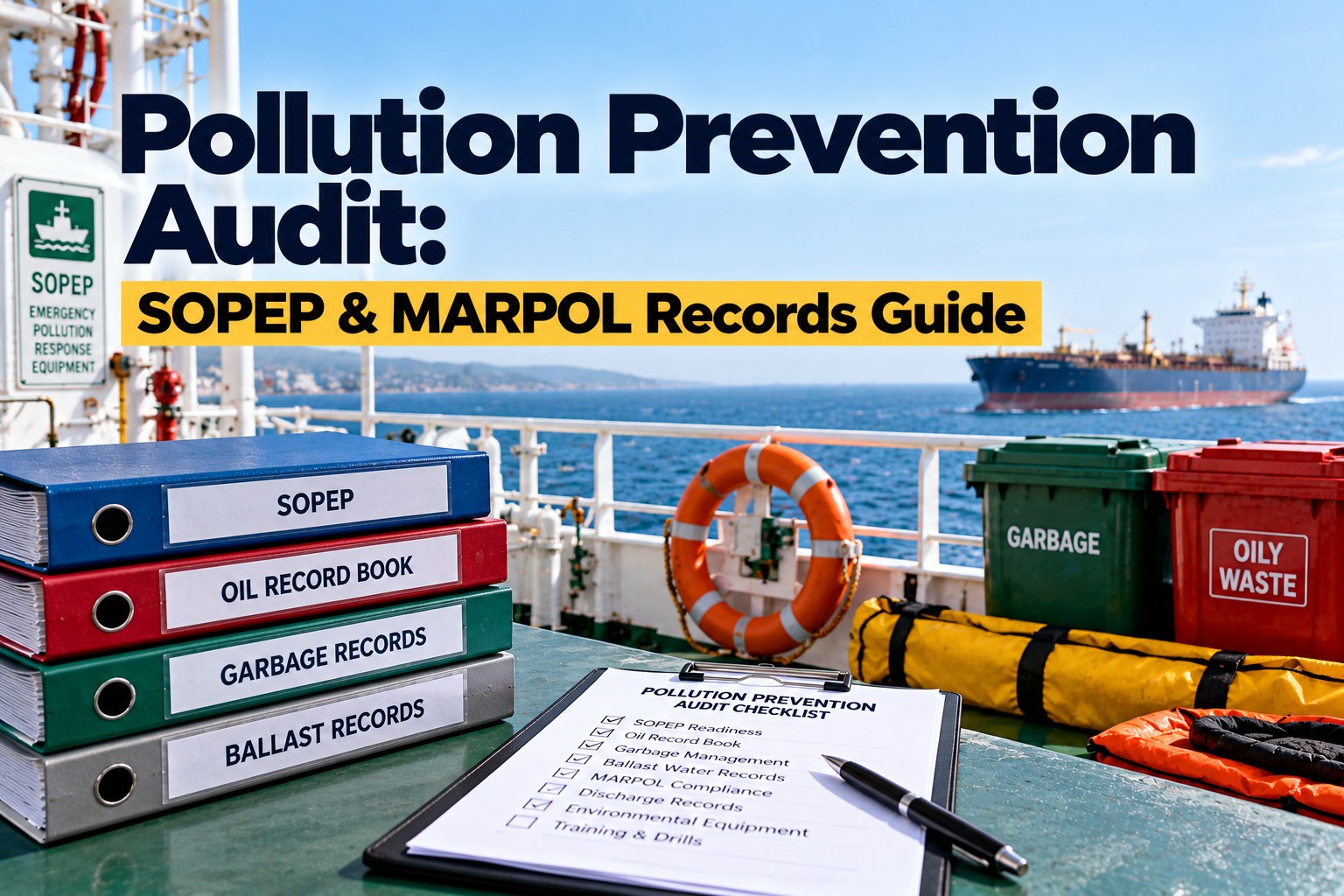
Your vessel's Oil Record Book shows 847 liters of oily bilge water processed through the 15 ppm separator last month. But the separator's hour meter indicates only 14.3 operating hours—which at the equipment's...
Your fleet's Oil Record Books passed every inspection in 2024. But starting January 2026, new International Maritime Organization digital reporting requirements fundamentally change how inspectors verify logbook...
Your vessel's engine room passed recent port state control inspection with zero deficiencies. But three sister ships in your fleet received detentions for oil system violations, inadequate housekeeping, and...
A Port State Control inspector approaching a container vessel applies completely different inspection priorities than when boarding an offshore support vessel, fishing trawler, or passenger ferry. The assumption...
Your chief engineer tells you the vessel is "inspection ready" but cannot produce a single metric to support that claim. When Port State Control arrives, they'll evaluate your vessel using 15+ quantifiable...
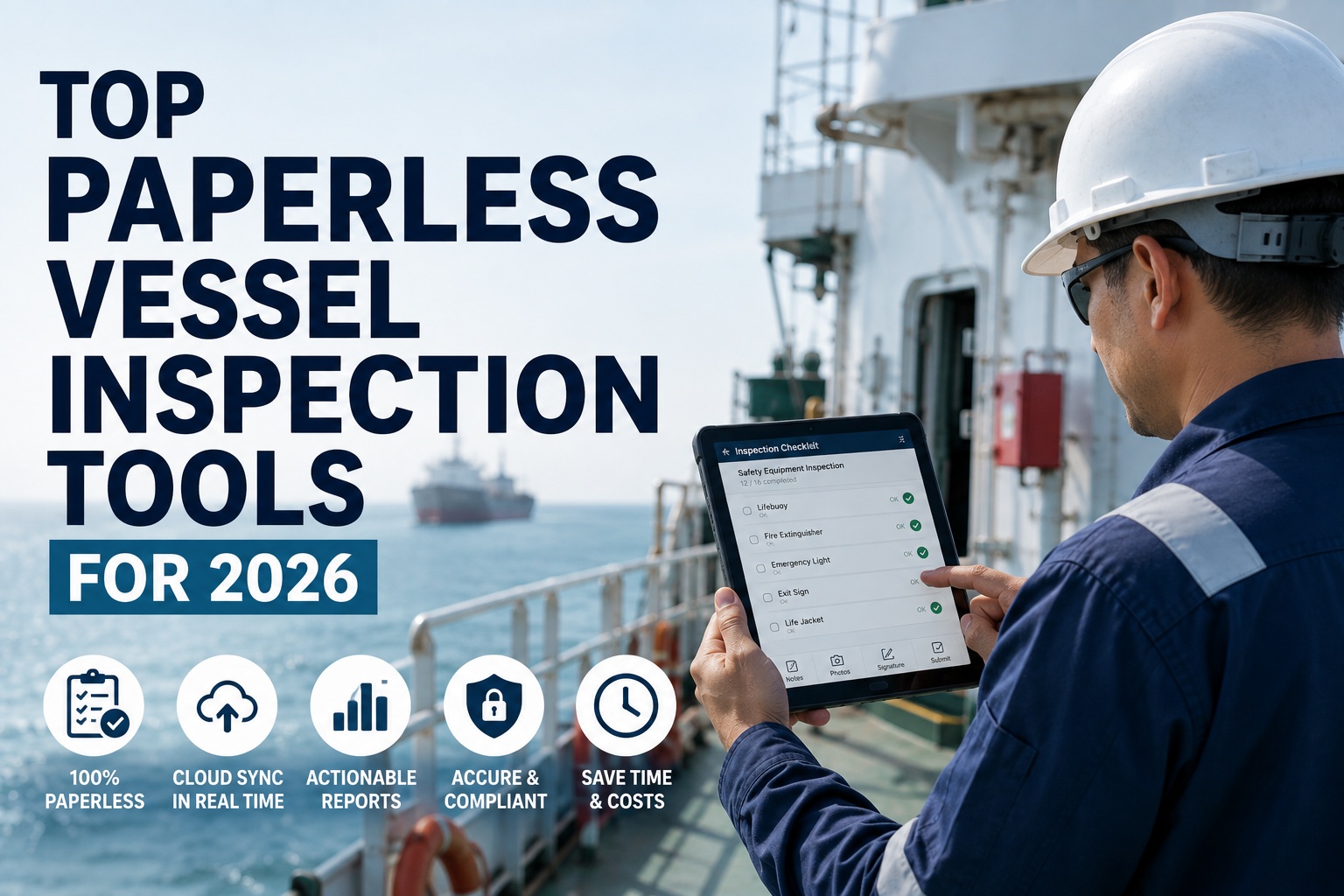
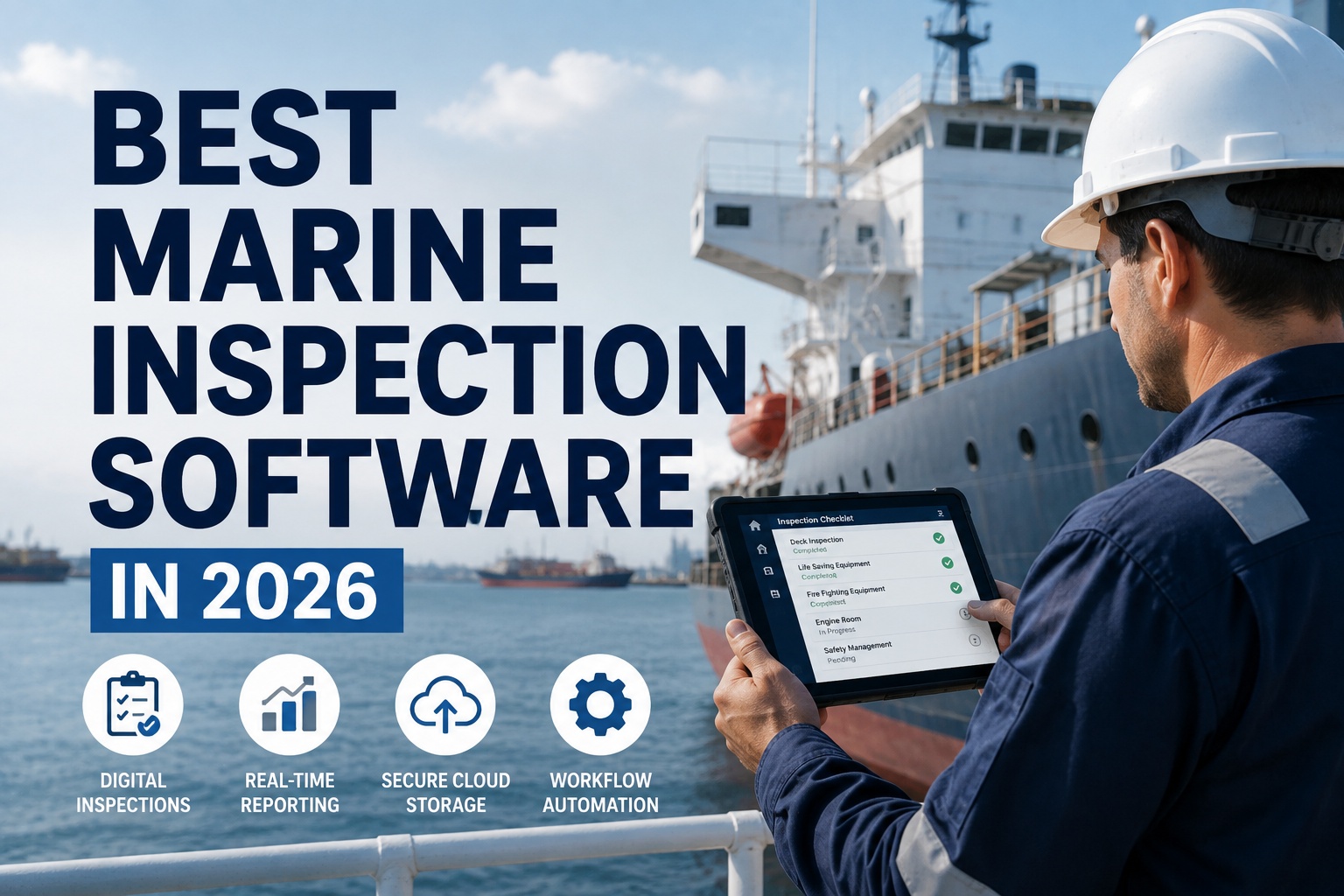
The vessel inspection your grandfather performed in 1995 with paper checklists looks nothing like the inspection you'll conduct in 2026. Today's inspectors arrive with tablets connected to centralized databases,...