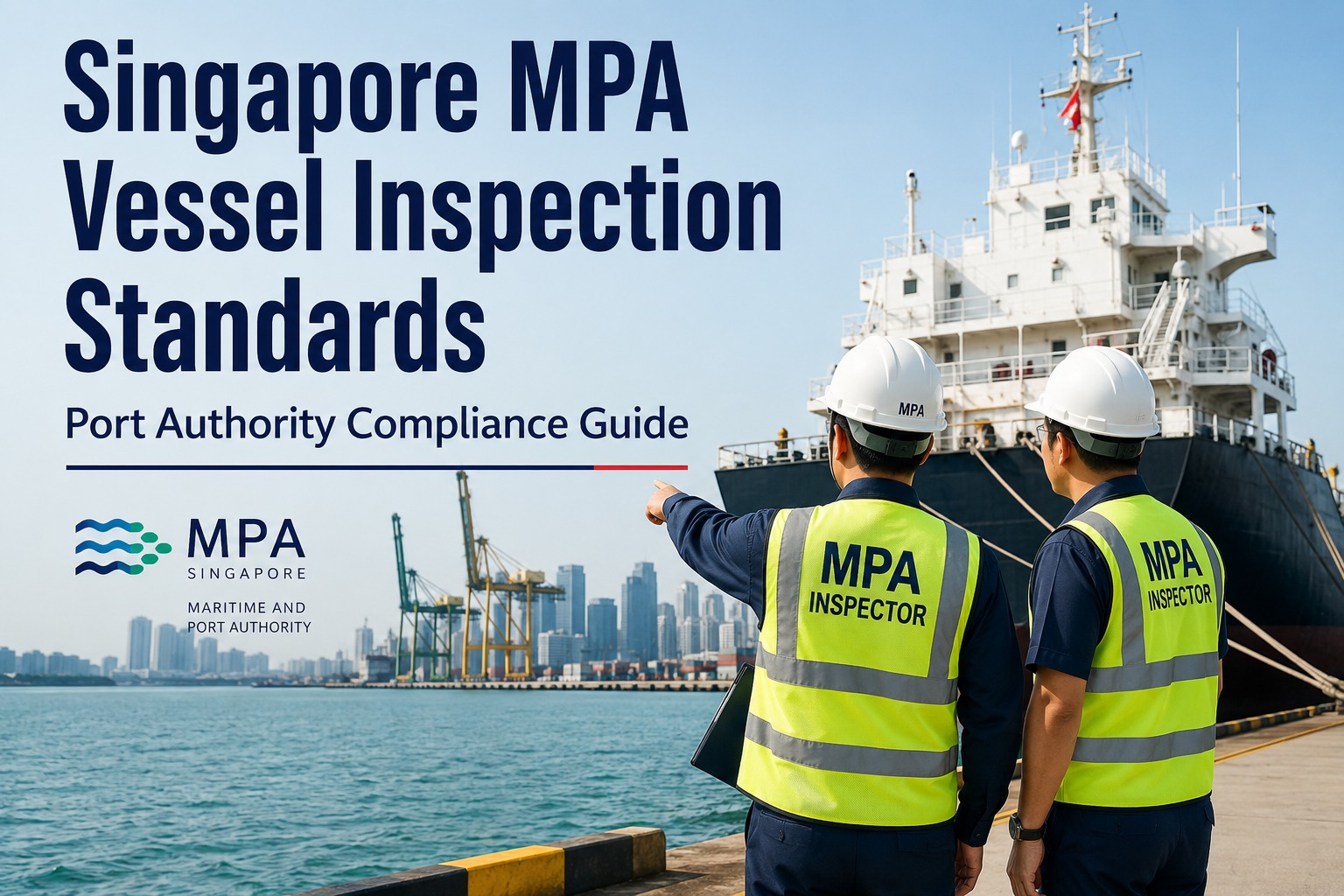
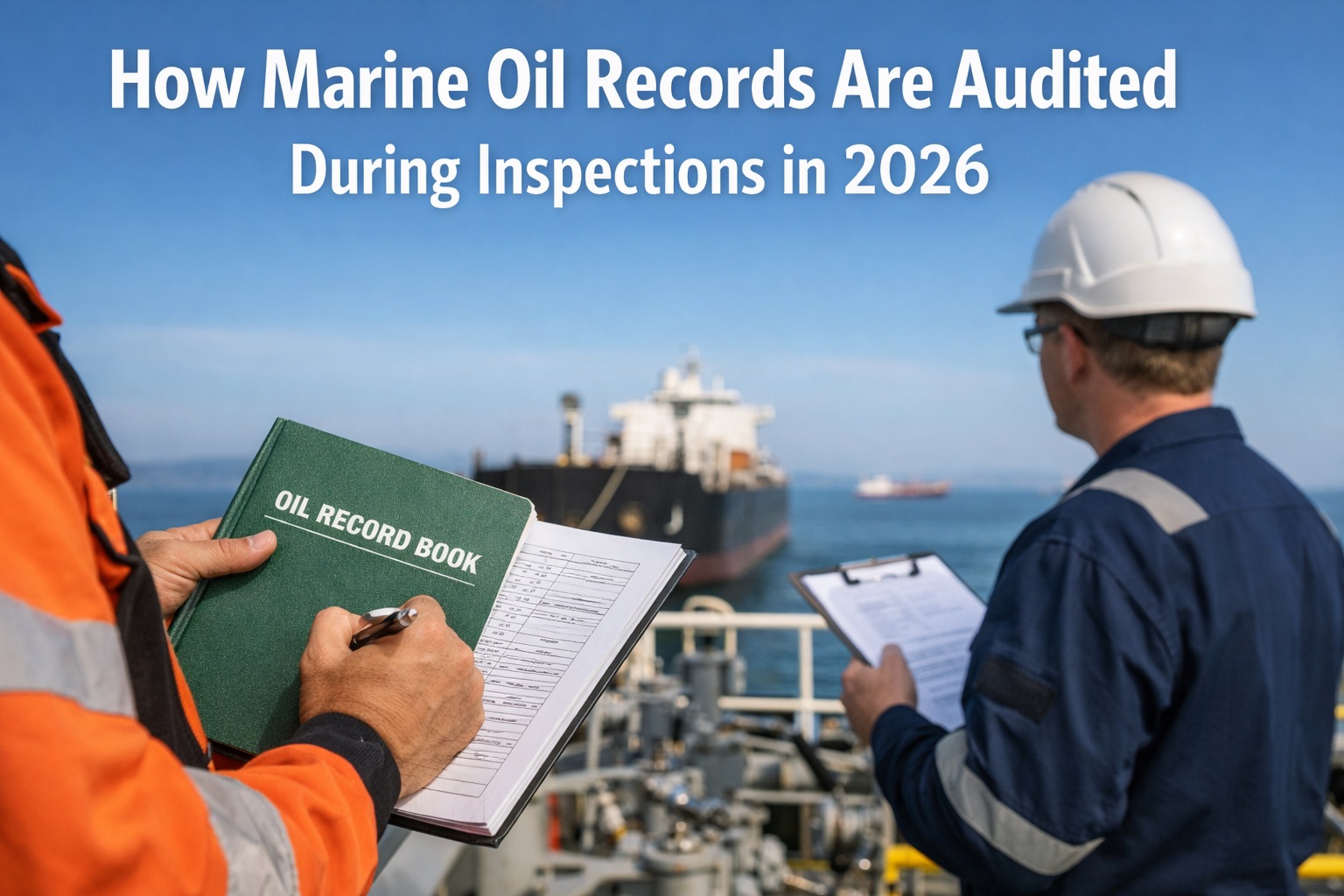
Marine Inspection Evolution Heading Into 2026 | Digital & Data-Driven
The vessel inspection your grandfather performed in 1995 with paper checklists looks nothing like the inspection you'll conduct in 2026. Today's inspectors arrive with tablets connected to centralized databases, reference real-time equipment sensor data, and validate compliance through automated systems. Port State Control inspections now expect digital records, analytics-backed maintenance histories, and equipment performance data spanning years rather than months. Vessel operators still using paper Oil Record Books face 2-3x longer inspection times and 40% higher deficiency rates compared to digitally-equipped vessels using Marine Inspection's software. The marine inspection evolution heading into 2026 centers on five technological shifts: digital documentation replacing paper systems, predictive analytics identifying risks before inspections, automation handling routine verifications, real-time compliance monitoring, and integrated software platforms connecting equipment, maintenance, and regulatory requirements. Maritime professionals ready to Signup eliminate paper-based compliance workflows can start with Marine Inspection's software that digitizes documentation, automates regulatory tracking, and connects vessel operations to inspection readiness.
The State of Marine Inspections Heading Into 2026
Digital Adoption Rate
68%
Commercial vessels using digital inspection software (up from 34% in 2022)
Inspection Time Reduction
45%
Average PSC inspection duration decrease with Marine Inspection software
Deficiency Prevention
3.2x
Fewer inspection deficiencies using predictive maintenance software
The Five Technology Shifts Transforming Marine Inspections
Marine inspection evolution in 2026 is driven by five technological shifts that transform how vessels demonstrate compliance and how inspectors verify requirements. Understanding these shifts helps operators prioritize software investments that deliver immediate inspection benefits.
Shift 1
Digital Documentation Systems
Paper Oil Record Books and maintenance logs replaced by Marine Inspection's software offering instant retrieval, automated calculations, and regulatory-compliant formatting. Port State Control inspectors expect vessels to produce complete documentation histories within minutes using digital systems.
Impact: 60% reduction in inspection preparation time, elimination of lost documents through Marine Inspection platform
Shift 2
Predictive Analytics & Risk Assessment
Marine Inspection software analyzes equipment performance data and maintenance histories to identify compliance risks before inspections occur. The platform flags equipment likely to fail inspection criteria 30-60 days in advance.
Impact: 70% reduction in surprise deficiencies, proactive compliance management via Marine Inspection analytics
Impact: Perpetual inspection readiness through Marine Inspection's real-time monitoring, elimination of pre-inspection scrambles
Shift 5
Integrated Compliance Platforms
Marine Inspection's unified software connects equipment operations, maintenance activities, documentation management, and regulatory requirements. The single platform replaces disconnected spreadsheets and paper logs.
Impact: Unified compliance view, elimination of data silos, streamlined inspection preparation via Marine Inspection software
Modernize Your Vessel Inspection Workflows
Marine Inspection's software addresses all five technology shifts through integrated documentation, predictive compliance monitoring, and automated verification. Maritime operators reduce inspection preparation time 60-75% while decreasing deficiency rates through data-driven marine compliance management.
From Paper to Predictive: The Inspection Software Evolution
The journey from paper-based inspections to predictive compliance software follows a progression most vessels traverse over 18-36 months. Vessels implementing Marine Inspection's digital platform typically achieve full predictive compliance within 24 months while maintaining continuous operation throughout the transition.
Port State Control authorities increasingly expect vessels to demonstrate compliance through data-backed documentation generated by marine management software. The Paris MOU and Tokyo MOU inspection regimes now prioritize vessels with comprehensive digital maintenance histories and equipment performance logs. Operators adopting integrated marine compliance software position vessels favorably during inspections by demonstrating systematic compliance management through Marine Inspection's platform rather than reactive documentation assembly.
PSC Inspection Focus Areas in 2026
Complete Documentation History
Inspectors expect instant access to 12+ months of maintenance records and operational documentation. Marine Inspection software retrieves complete histories in seconds; paper systems require hours.
Software Advantage: Marine Inspection's platform provides immediate multi-year history retrieval with searchable, cross-referenced records
Equipment Performance Data
Verification of equipment reliability through runtime logs and performance trending. Inspectors validate that maintenance addresses actual equipment conditions tracked through marine software.
Proof that compliance actions occurred within regulatory timeframes. Marine Inspection software's digital timestamps and automated logging provide indisputable timeline evidence.
Demonstration that maintenance prevents failures rather than reacts to breakdowns. Inspectors favor vessels showing proactive equipment management through condition monitoring software.
Expert Perspective: The Marine Inspection Software Transformation
"The vessels that impress me during Port State Control inspections aren't those with the newest equipment—they're the ones using marine management software to demonstrate systematic compliance. When a chief engineer opens a tablet and shows me three years of equipment performance trends correlated with maintenance actions through their software platform, that tells me more about vessel condition than walking through the engine room. The industry transformation toward predictive compliance software fundamentally changes inspection dynamics from adversarial document hunting to collaborative verification of systematic safety management."
Captain Henrik Johansson
Port State Control Inspector, Paris MOU
28 years maritime experience • 3,400+ vessel inspections • Former Chief Engineer on bulk carriers
Implementing Marine Inspection Software: The Practical Pathway
Transitioning to Marine Inspection's digital software requires structured implementation that maintains continuous compliance while modernizing workflows. Most vessel operators achieve full digital transformation within 18-24 months through phased software rollout. Maritime professionals implementing Marine Inspection's compliance software typically see inspection preparation time decrease 40% within the first 90 days while building comprehensive digital documentation.
Marine Inspection Software Implementation Phases
Phase 1: Months 1-3
Core Documentation Digitization
→ Oil Record Book transition to Marine Inspection software
→ Certificate tracking and expiration alerts
→ Basic maintenance log digitization
→ Crew training on Marine Inspection platform
Outcome: 40-50% inspection prep time reduction, elimination of lost documents
Marine Inspection's software platform guides maritime operators through phased digital transformation with structured implementation, comprehensive training, and continuous support. Vessels transition from paper-based systems to predictive compliance software within 18 months while maintaining full regulatory compliance throughout the modernization journey.
Do Port State Control inspectors accept Marine Inspection's digital Oil Record Books as valid documentation?
Yes—Marine Inspection's digital Oil Record Book software is fully accepted by Port State Control authorities worldwide as the platform meets MARPOL requirements for tamper-proof entries, chronological logging, and complete audit trails. Marine Inspection's digital ORB software includes inspector-preferred features like instant search, automated calculations, and multi-year history retrieval. Inspectors favor vessels using Marine Inspection software because they can verify entries faster and cross-reference operations more efficiently than paper books.
How long does transitioning to Marine Inspection software typically take?
Most vessels achieve core digital transformation within 18-24 months through phased implementation of Marine Inspection's software. Basic digitization (Oil Record Books, certificates, maintenance logs) occurs in 2-4 months with immediate benefits. Equipment integration requires 6-9 months for complete deployment in Marine Inspection's platform. Advanced predictive analytics activate in months 10-18 after sufficient historical data accumulation. However, inspection benefits begin immediately—vessels typically see 40% preparation time reduction within 90 days of starting with Marine Inspection software.
Can older vessels with aging equipment benefit from Marine Inspection software?
Absolutely—older vessels often gain greater benefits because Marine Inspection's software helps manage aging equipment challenges that manual tracking struggles to address. Predictive maintenance features become more valuable as equipment ages and failure patterns become complex. The software's digital documentation provides comprehensive maintenance history that Port State Control inspectors scrutinize heavily on older vessels. Marine Inspection's equipment condition monitoring identifies degradation trends before failures occur, crucial for aging machinery requiring closer attention.
What happens to our existing paper records when transitioning to Marine Inspection software?
Existing paper records remain valid historical documentation and should be retained according to regulatory requirements (typically 3-5 years). During transition to Marine Inspection software, critical historical data gets migrated into the platform to establish baseline performance trends and maintenance histories. Marine Inspection's platform includes document scanning and archiving features that digitize key paper records for searchable storage while maintaining original documents as regulatory backups. Most vessels transition to fully digital operations within months while retaining paper archives in compressed storage.
How does Marine Inspection software handle situations where internet connectivity is unavailable?
Marine Inspection's software operates with offline functionality that allows full documentation entry, equipment logging, and maintenance tracking without internet connection. Data synchronizes automatically when connectivity returns, maintaining complete records regardless of communication status. This offline capability is essential for maritime operations where satellite internet may be limited. Marine Inspection's platform stores all data locally on vessel devices with automatic cloud synchronization, ensuring operational continuity in any connectivity scenario. Inspectors can review complete digital documentation even without active internet connection.