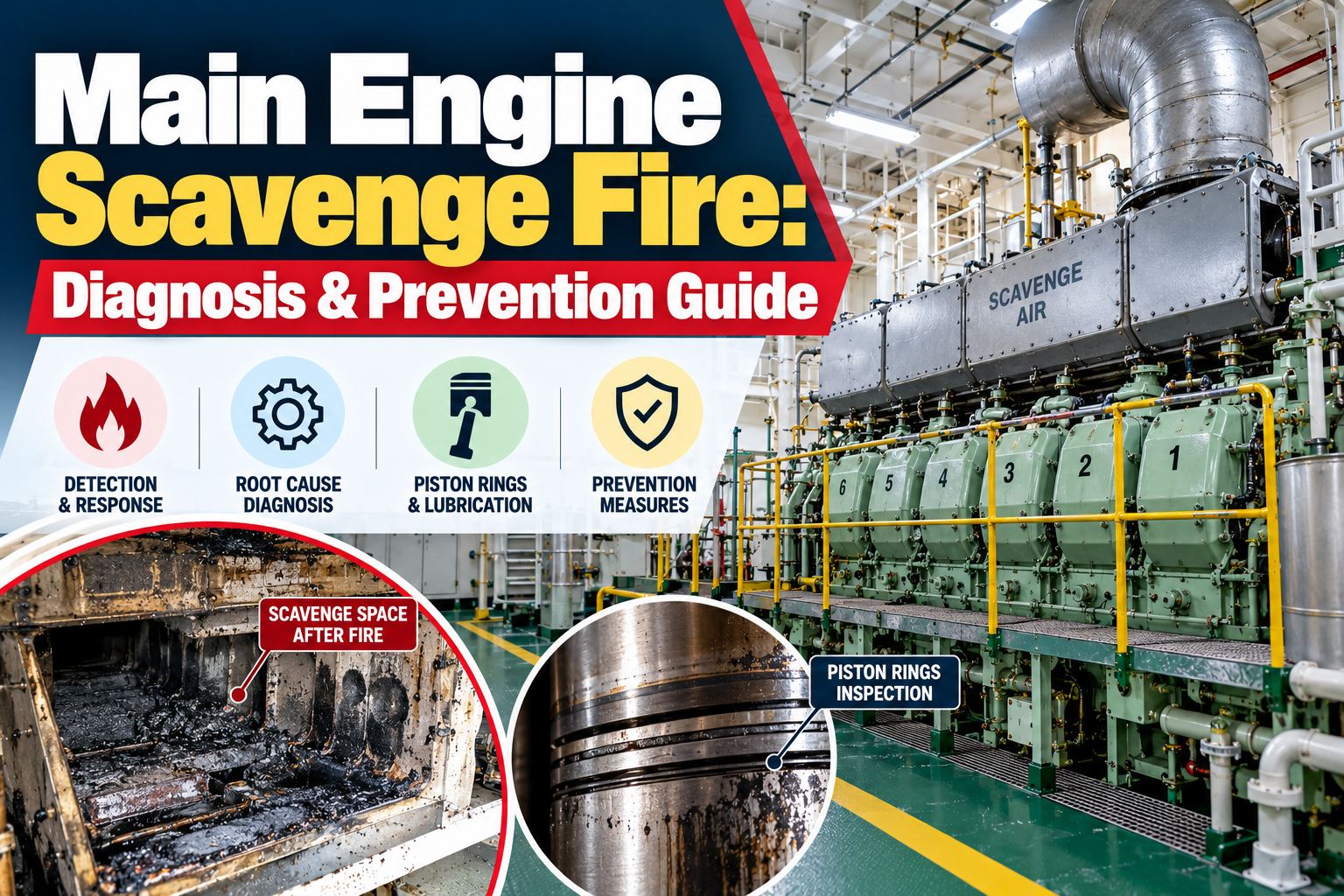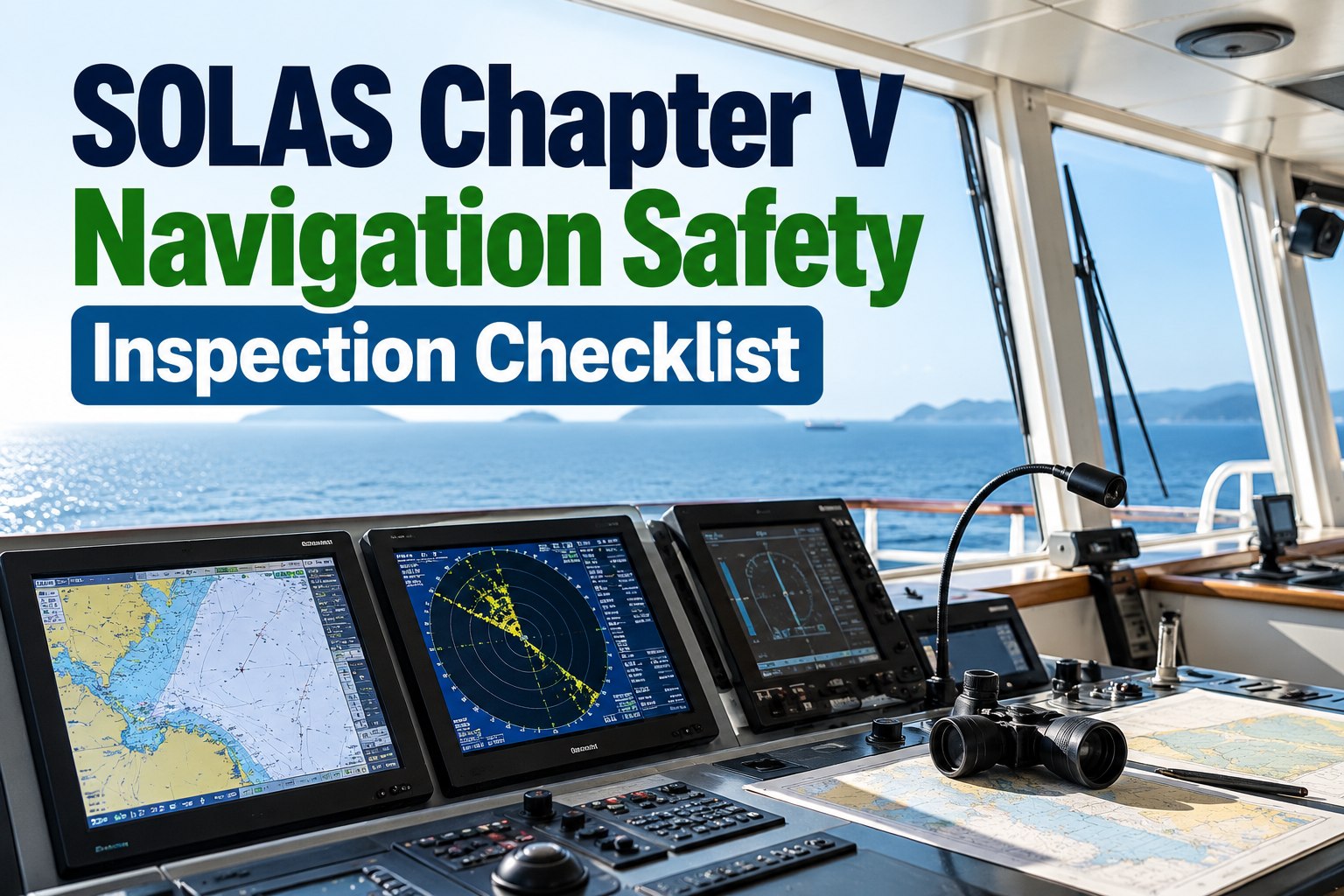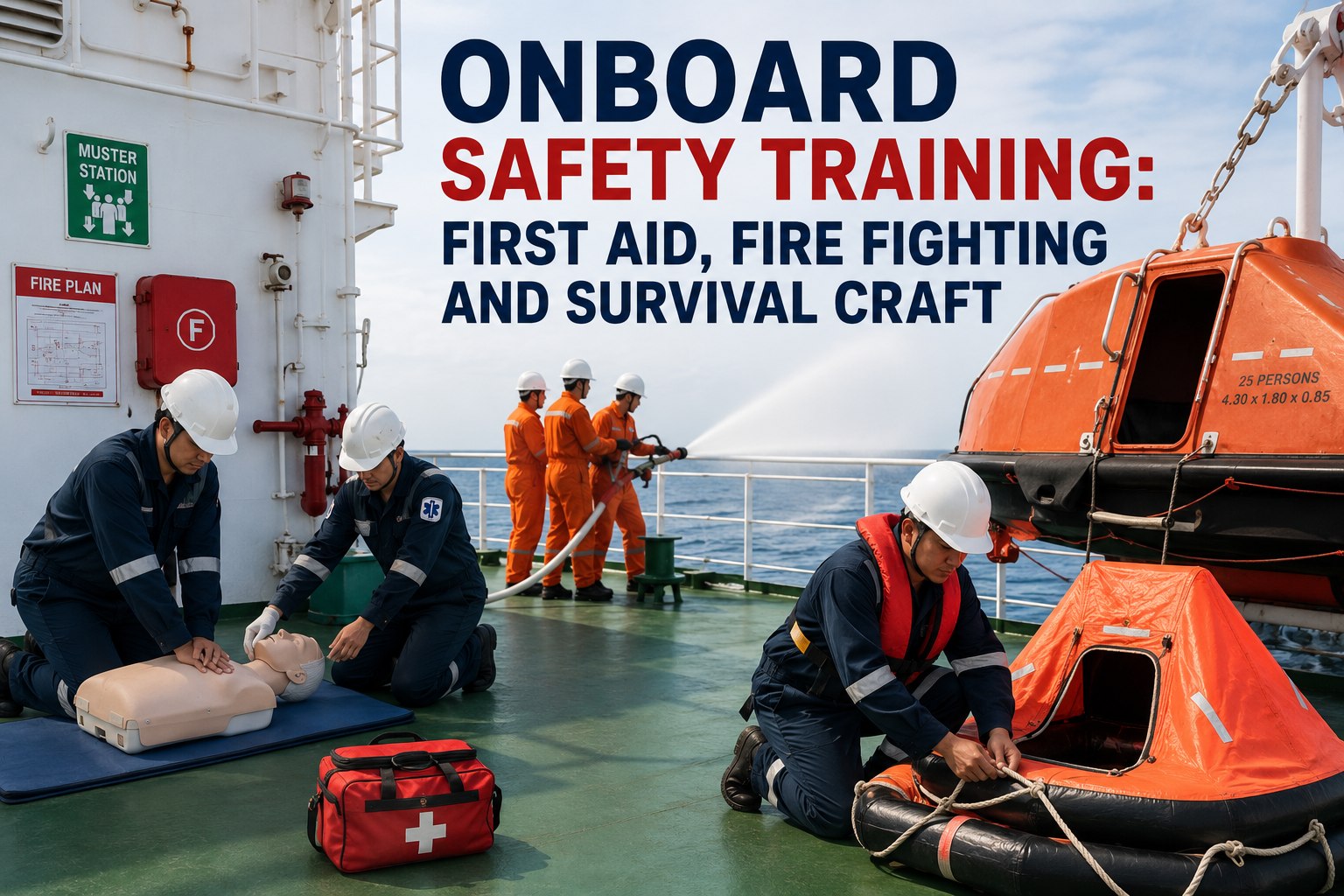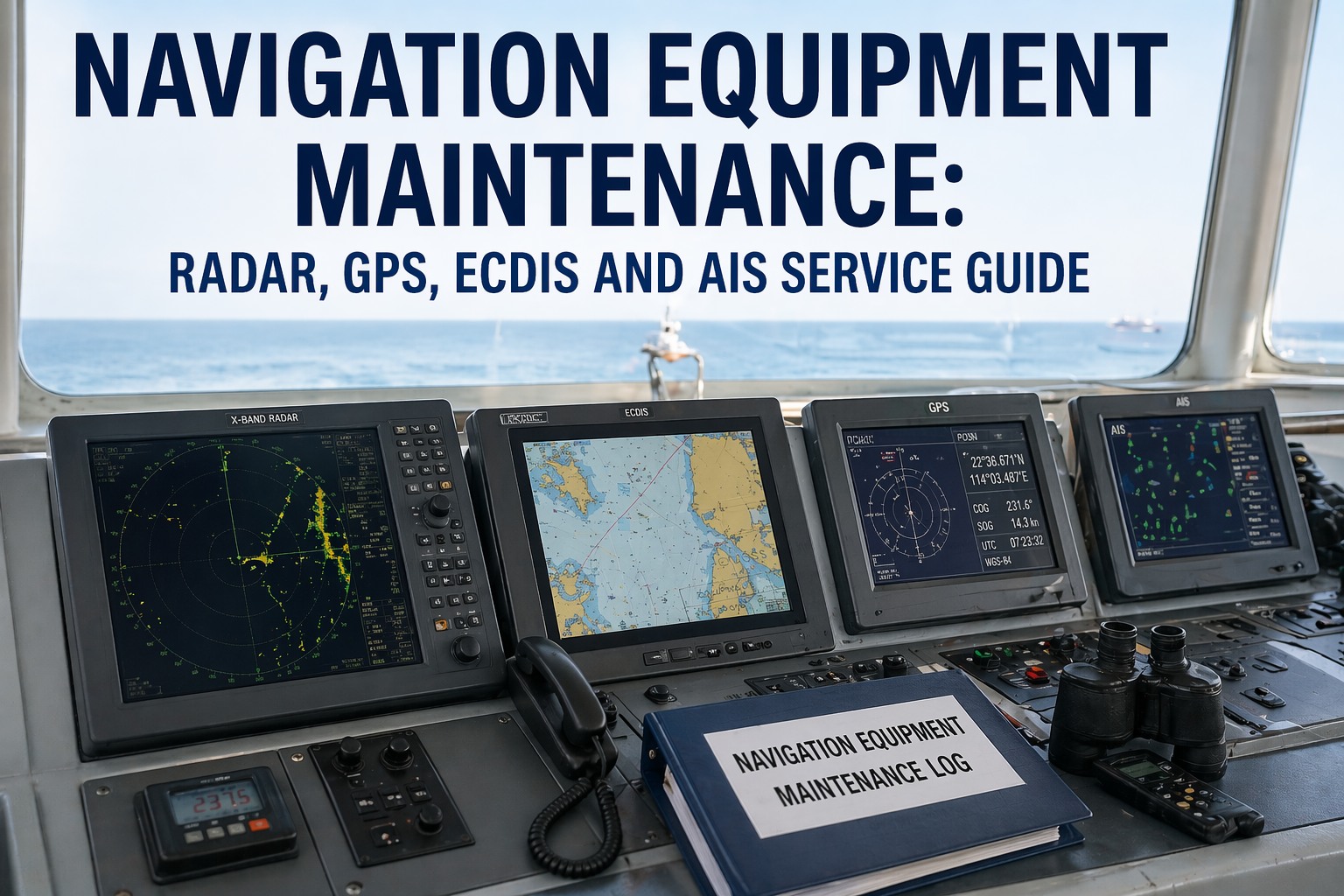
In 2024, port state control authorities across the Tokyo MOU detained 1,189 ships, the Paris MOU detained over 500, and the Indian Ocean MOU detained 225 — with fire safety, life-saving appliances, ISM Code failures, and navigation deficiencies accounting for more than half of all findings worldwide. These are not random events — they are predictable, preventable failures that follow the same patterns year after year. The data is clear: the same deficiency categories that drove detentions in 2020 are still driving them in 2025. The difference between operators who consistently avoid detention and those who don't is not luck or vessel age — it is whether their daily operational systems produce compliance evidence as a natural byproduct of doing the work, or whether compliance is treated as a separate exercise performed before inspections. Fleet managers and superintendents who start a free trial of Marine Inspection can begin closing the deficiency gaps that drive detentions across every MOU region.
The Top 10 PSC Deficiency Areas That Cause Detention
Global PSC data from the Paris MOU, Tokyo MOU, IOMOU, and USCG reveals a remarkably consistent pattern: the same deficiency categories dominate detention statistics year after year. Understanding these categories — and what PSCOs specifically look for within each — is the foundation of any effective detention prevention strategy. Operators who book a Marine Inspection demo can see how the platform maps digital checklists to each of these high-risk areas.
| # | Deficiency Category | Share of Deficiencies | Detainable? | What PSCOs Check | Regulatory Basis |
|---|---|---|---|---|---|
| 1 | Fire Safety | ~18% | Yes | Fire doors, extinguishers, detection systems, fire pumps, crew drills, escape routes | SOLAS II-2, FSS Code |
| 2 | ISM Code / Safety Management | ~16% | Yes | SMS implementation, internal audits, DPA access, maintenance records, corrective actions | ISM Code (SOLAS IX) |
| 3 | Life-Saving Appliances | ~13% | Yes | Lifeboat davits, liferaft servicing, LSA maintenance, launching gear, abandon ship drills | SOLAS III, LSA Code |
| 4 | Safety of Navigation | ~10% | Yes | ECDIS, charts, voyage plans, pilot ladders, bridge equipment, navigation lights | SOLAS V |
| 5 | Working & Living Conditions | ~10% | Yes | SEAs, wages, rest hours, accommodation, food, medical care, recreation | MLC 2006 |
| 6 | Certificates & Documentation | ~8% | Yes | Validity, endorsements, continuous synopsis records, class certificates | SOLAS I, various |
| 7 | MARPOL / Pollution Prevention | ~7% | Yes | OWS, oil record book, garbage management, sewage systems, IAPP certificate | MARPOL I-VI |
| 8 | Emergency Systems | ~6% | Yes | Emergency generator, steering gear, bilge pumps, water level alarms, PA systems | SOLAS II-1, III |
| 9 | Structural / Watertight Integrity | ~5% | Yes | Hull corrosion, watertight doors, hatch covers, freeboard marks, load line compliance | SOLAS II-1, Load Lines |
| 10 | STCW / Crew Competency | ~4% | Yes | Certificates of competency, endorsements, familiarisation records, safe manning | STCW Convention |
The Anatomy of a Detention: How Single Deficiencies Cascade
A detention rarely results from one isolated finding. The most common pathway to detention starts with a visible deficiency — a fire door that doesn't close properly, a lifeboat davit with corroded wire — which triggers a deeper investigation into the vessel's safety management system. When the PSCO finds that the planned maintenance system failed to identify the defect, that the crew cannot explain the inspection procedure, and that no corrective action was logged, the deficiency escalates from an equipment issue to an ISM failure — and ISM failures are detainable.
Deficiency-by-Deficiency: What Fails and How to Fix It
For each of the top deficiency categories, there are specific items that PSCOs find most frequently — and specific preventive actions that eliminate them. The following breakdown maps the most common detainable findings to the practical solutions that prevent them.
The 72-Hour Pre-Arrival Checklist: Your Last Line of Defence
The 72 hours before arriving at any port represent your final opportunity to identify and correct deficiencies before a PSCO boards. This is not a substitute for continuous compliance — it is the verification layer that catches items that slipped through your planned maintenance system. Sign up for Marine Inspection to digitise your pre-arrival compliance checks.
| Timeframe | Action Area | Specific Checks | Who |
|---|---|---|---|
| 72 Hours | Certificates | Verify all statutory & class certificates are valid. Check expiry dates. Prepare certificate folder for bridge. | Master |
| Documentation | Oil record book, garbage record book, ballast water record book current. Logbooks complete. Crew rest hour records up to date. | C/O, C/E | |
| Notification | Submit ETA notifications to port authority. Prepare expanded inspection form if required (tanker 12+ years). | Master | |
| 48 Hours | Safety Equipment | Test all fire doors for self-closing. Start lifeboat engine. Check fire pump pressure. Test emergency generator on load. | C/O, C/E |
| Navigation | Update ECDIS charts. Verify navigation lights. Check pilot ladder condition. Complete berth-to-berth voyage plan. | 2/O | |
| Crew Readiness | Brief all officers on current SMS procedures. Review ISM emergency contacts. Verify SEAs are signed and accessible. | Master | |
| 24 Hours | Physical Walkthrough | Walk all external decks, accommodation, engine room. Check for visible defects: corrosion, leaks, blocked access, missing markings. | C/O, C/E |
| Final Verification | Fire detection panel clear of faults. Emergency steering tested. All safety signs in place. Accommodation clean and compliant. | All HODs |
Expert Review: The Operator Mindset That Prevents Detention
The Tokyo MOU's 2024 data contains a striking finding: the number of under-performing ships nearly doubled compared to the previous year, and the detention rate remains stubbornly above pre-pandemic levels despite years of enforcement pressure. This is not a failure of inspection — it is a failure of maintenance culture aboard a specific segment of the global fleet.
ISM-related deficiencies remain the single most important category for fleet managers to understand because they function as a multiplier. A fire door that doesn't close is a fire safety deficiency. But if the planned maintenance system has no record of the fire door being inspected, and the crew cannot explain the inspection procedure, and no corrective action was raised — that single fire door becomes an ISM failure, which is detainable. Over 80% of detentions involve containerships and bulk carriers, and the deficiency patterns are overwhelmingly concentrated in maintenance documentation, equipment condition, and crew competency — exactly the areas where digital compliance platforms replace the paper-based systems that consistently fail under inspection scrutiny.
The operators who avoid detention treat every port call as an inspection opportunity, not a risk. Their maintenance records are current because the digital system requires task completion evidence before closing a work order. Their crew can answer PSCO questions because familiarisation is tracked and documented. Their corrective actions are closed because the workflow won't let them be forgotten. That is the difference between inspection preparation and inspection readiness — and it is a difference measured in days of detention, commercial penalties, and years of elevated risk profile. Schedule a walkthrough to see how Marine Inspection builds detention prevention into daily operations.
Conclusion
Ship detention is predictable and preventable. The same four deficiency categories — fire safety, ISM compliance, life-saving appliances, and navigation safety — have dominated global PSC detention statistics for over a decade. With 77,526 deficiencies recorded across the Tokyo MOU alone in 2024, under-performing ships nearly doubling, and detention rates remaining above pre-pandemic levels, the enforcement environment is not easing. But the path to consistent clean inspections is clear: maintain equipment to standard with documented evidence, train crews to demonstrate competence under questioning, track certificates and corrective actions digitally, and verify compliance before every port call — not just when you expect an inspection. Marine Inspection provides the platform that connects these daily disciplines into one auditable system — sign up today to start building detention-proof compliance across your fleet.