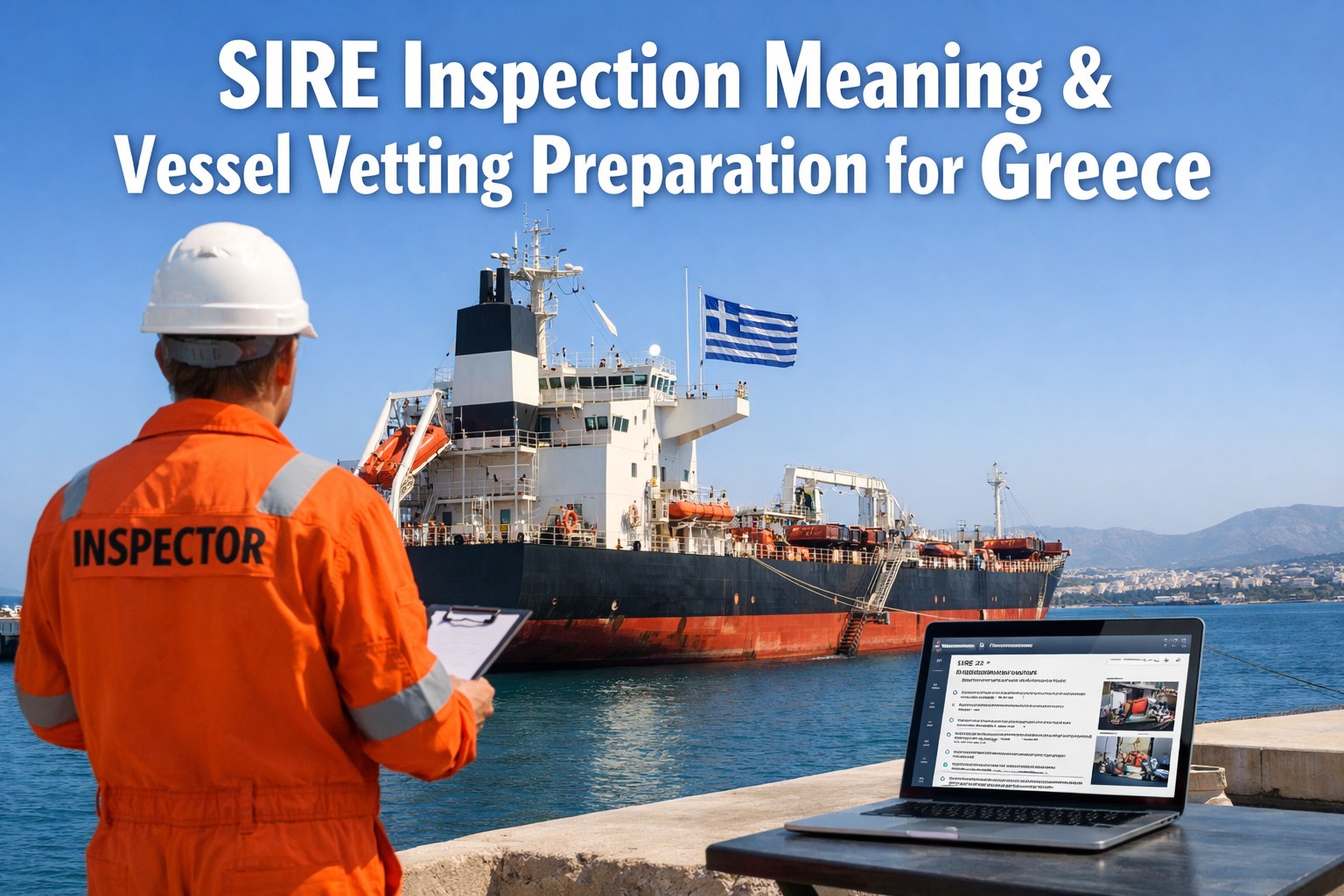
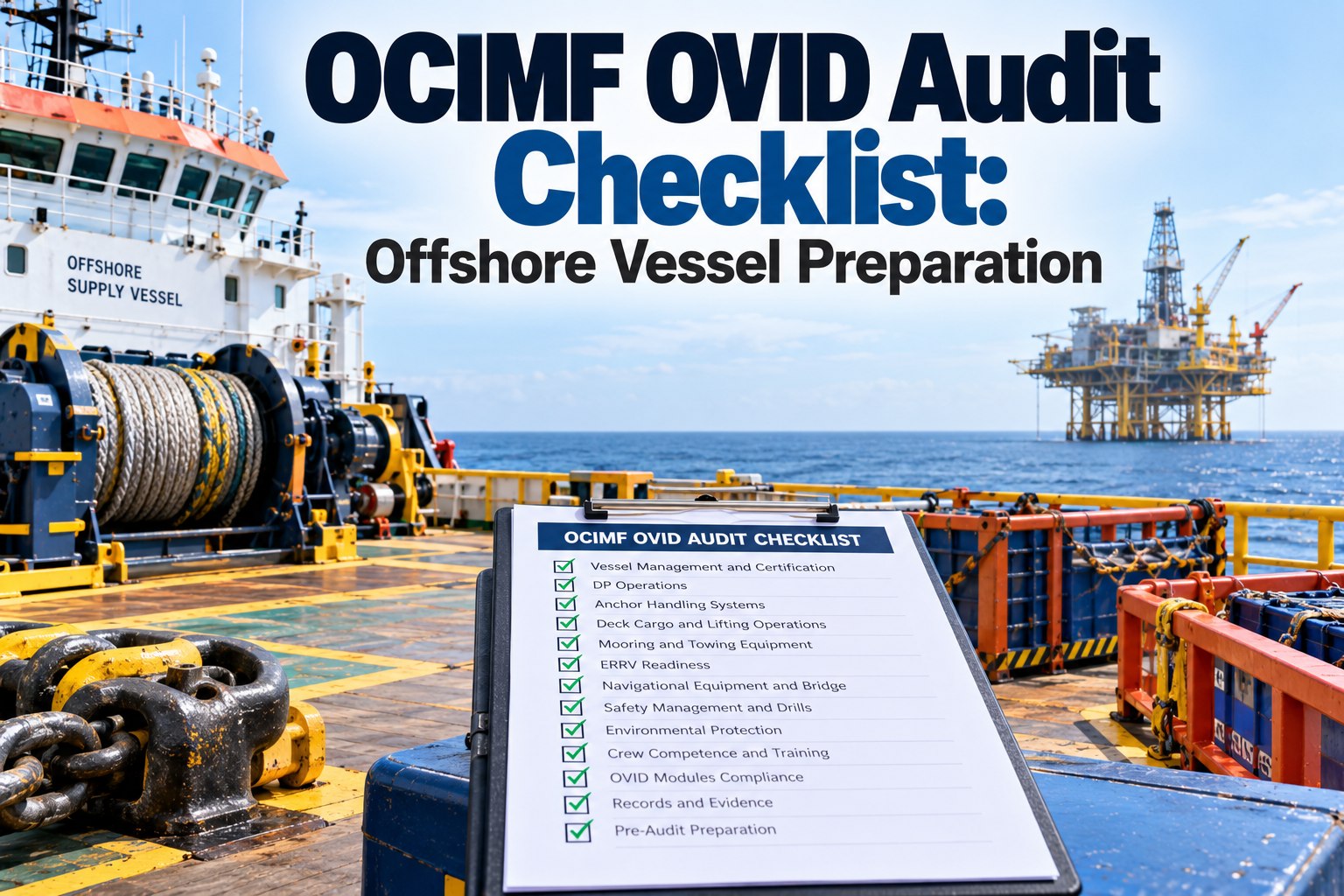
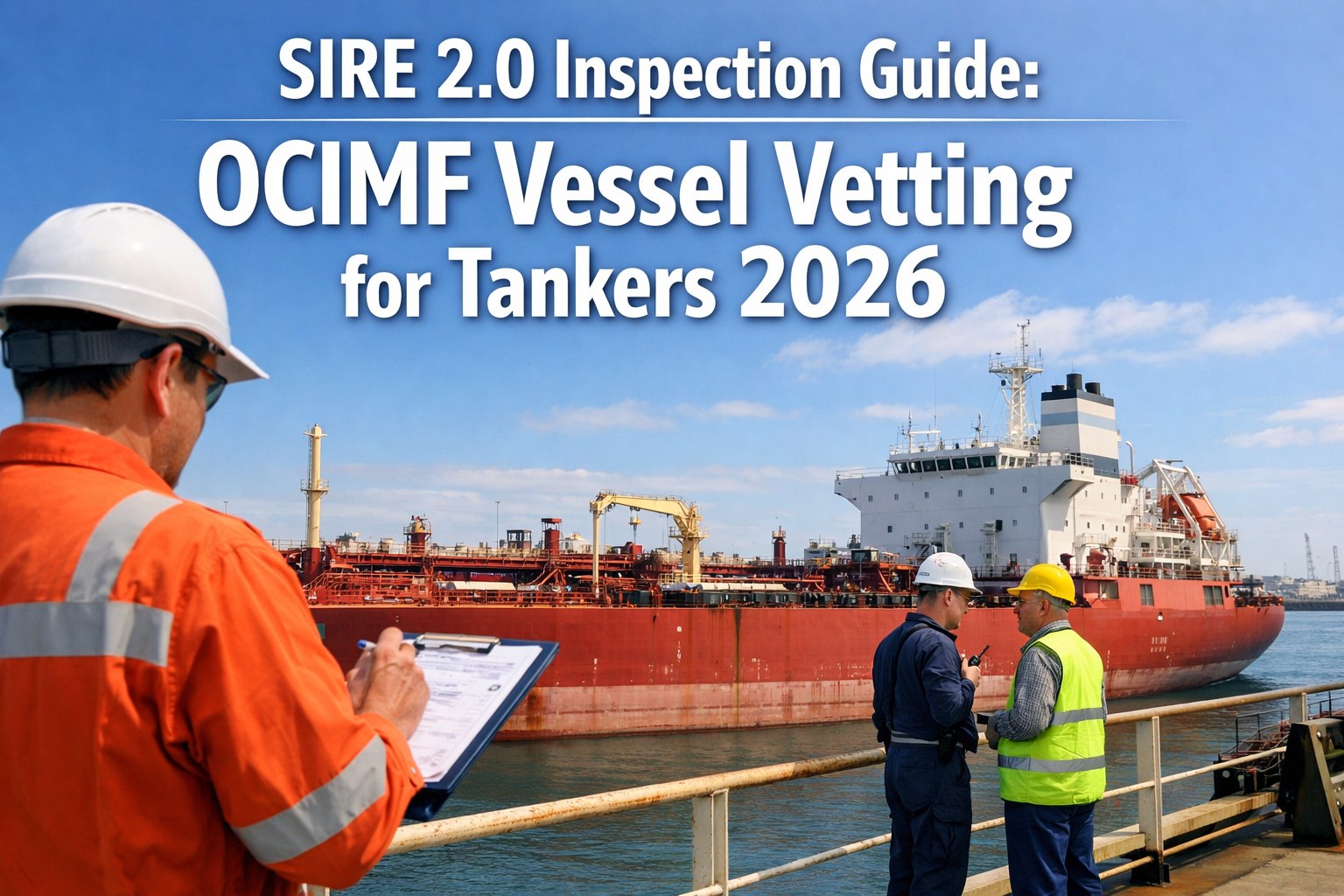
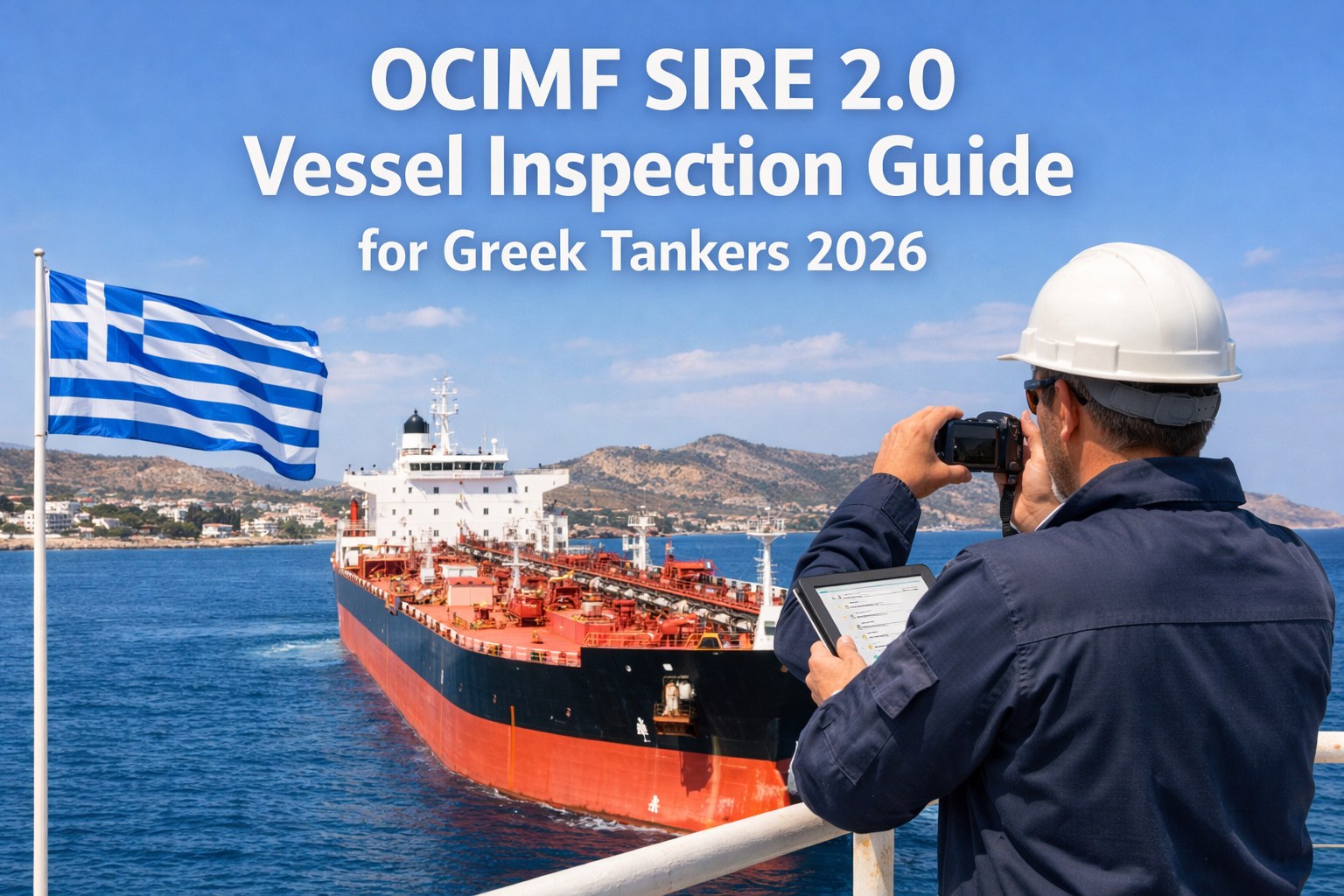
Your Greek-owned Aframax tanker operates under major oil company vetting with clean inspection history—zero SIRE observations over 18 months. Then last week, charterer's pre-fixture inspection identified 12 observations including missing calibration certificates for cargo tank high-level alarms, incomplete maintenance records for inert gas system pressure switches, and outdated emergency response procedures not aligned with SIRE 2.0 performance influencing factors. Technical superintendent discovers the issues existed for months but internal quarterly inspections using generic checklists didn't flag them because inspection criteria didn't match SIRE 2.0's risk-based assessment methodology. Vessel rejected for employment, costing $340,000 in lost charter revenue while crew addresses findings and schedules re-inspection. Greek tanker operators face critical challenge: SIRE 2.0's shift from compliance verification to risk-based assessment requires different inspection approach—generic safety checklists verify equipment exists but miss performance factors, maintenance quality, and operational practices that SIRE inspectors evaluate. Operators ready to align internal inspections with SIRE 2.0 standards can start with Marine Inspection's software platform featuring digitized SIRE questionnaires, risk-based assessment workflows, and automated evidence collection—helping you inspect vessels faster using SIRE criteria, record findings safer with photo documentation, and maintain vetting readiness easier through continuous compliance monitoring.
SIRE 2.0 Rejection Rate
34%
Of tankers face charter rejection due to vetting observations
Average Rejection Cost
$280K-$450K
Per incident including lost charter and re-inspection expenses
Vetting Performance Improvement
76%
Reduction in SIRE observations through digital inspection software
Understanding SIRE Inspection Meaning: Risk-Based Assessment vs. Compliance Verification
SIRE inspection meaning has fundamentally changed with OCIMF's SIRE 2.0 program shift from compliance verification to risk-based assessment. Traditional inspections verified equipment presence and basic functionality—fire extinguisher exists, lifeboat launches, cargo pump operates. SIRE 2.0 evaluates performance influencing factors: maintenance quality, operational procedures, crew competency, and management systems effectiveness. This distinction is critical: vessel can pass compliance inspection while failing SIRE vetting because inspectors assess not just what equipment you have, but how well you maintain it, whether crew understands operation, and if management systems ensure consistent performance. Greek operators who schedule SIRE 2.0 preparation sessions can see how Marine Inspection's software implements risk-based assessment criteria matching actual SIRE inspector methodology rather than basic compliance checklists.
→ Verifies equipment exists and basic operation
→ Checks certificates and documentation presence
→ Binary pass/fail assessment criteria
→ Focus on regulatory minimum requirements
→ Inspector records observations without risk scoring
Limitation: Vessel passes compliance inspection but fails SIRE vetting due to performance factors not assessed
→ Evaluates maintenance quality and operational effectiveness
→ Assesses crew competency and procedural understanding
→ Risk-weighted scoring based on performance influencing factors
→ Focus on management system effectiveness and reliability
→ Inspector applies consequence and likelihood ratings to observations
Advantage: Assessment methodology predicts operational performance and incident probability matching charterer risk evaluation
The Eight Performance Influencing Factors SIRE 2.0 Evaluates
SIRE 2.0 vessel vetting process evaluates eight performance influencing factors across all inspection areas—from cargo operations to navigation systems to crew management. Understanding these factors shows what SIRE inspectors assess beyond basic compliance verification. Marine operators implementing SIRE-aligned internal inspections must evaluate these same factors to identify observations before charterer vetting occurs. Greek tanker operators wanting to implement performance factor assessments can access Marine Inspection's digitized SIRE questionnaires incorporating all eight factors into inspection workflows.
1. Equipment Condition & Maintenance
Evaluates not just equipment presence but maintenance quality, spare parts availability, repair history, and degradation indicators—cargo pump operates but shows excessive vibration suggesting bearing wear requiring attention.
2. Operational Procedures & Documentation
Assesses procedure completeness, crew familiarity, practical application, and continuous improvement—emergency response plan exists but crew unfamiliar with specific action sequences during simulation exercises.
3. Crew Competency & Training
Examines crew knowledge beyond certificate validity—officers hold required endorsements but demonstrate limited understanding of cargo compatibility requirements during questioning.
4. Management System Effectiveness
Reviews ISM implementation quality, non-conformity closure effectiveness, audit findings patterns, and continuous improvement evidence—management system documented but recurring observations suggest ineffective corrective actions.
5. Safety Culture & Practices
Observes crew safety awareness, reporting culture, hazard identification, and risk assessment application—crew performs tasks safely but doesn't proactively identify hazards or suggest improvements.
6. Environmental Performance
Evaluates pollution prevention effectiveness, waste management practices, emission control compliance, and environmental management integration—MARPOL compliance achieved but minimal beyond regulatory minimums.
7. Communication & Coordination
Assesses bridge team resource management, emergency communication effectiveness, shore-ship coordination quality, and information flow—communication procedures exist but implementation inconsistent.
8. Reliability & Track Record
Considers previous inspection history, incident records, operational reliability, and continuous performance trends—recent inspection clean but historical patterns show recurring observations in specific areas.
Preparing for SIRE Vessel Vetting: Digital Inspection Software Approach
Marine Inspection's software helps Greek tanker operators prepare for SIRE vessel vetting through digitized questionnaires matching OCIMF's assessment criteria, mobile inspection workflows capturing photo evidence and IoT sensor data, automated observation tracking with risk scoring, and maintenance task generation linking findings to corrective actions. The platform converts SIRE preparation from periodic pre-vetting exercises to continuous readiness monitoring—internal inspections use identical criteria SIRE inspectors apply, observations automatically generate maintenance work orders, and certificate repositories ensure documentation instantly accessible during vetting. This approach helps you inspect vessels faster using SIRE standards, record findings safer with comprehensive evidence, and maintain vetting readiness easier through systematic compliance monitoring. Operators ready to explore digital SIRE preparation capabilities can schedule demonstrations showing questionnaire workflows, evidence collection methods, and observation management processes.
Step 1
Digitized SIRE 2.0 Questionnaire
Mobile app contains complete SIRE inspection chapters covering hull and structure, cargo and ballast systems, navigation and communications, safety and emergency equipment, pollution prevention, and management systems—inspectors follow identical assessment sequence SIRE inspectors use.
Step 2
Evidence Collection & Documentation
Photo documentation captures equipment condition with automatic timestamping and location tagging, IoT integration pulls sensor data showing operational parameters, maintenance records link to equipment assessment showing service history, and crew interviews record competency verification.
Step 3
Risk-Based Observation Scoring
System applies SIRE 2.0 consequence and likelihood ratings to observations, calculates risk scores matching OCIMF methodology, prioritizes findings requiring immediate attention versus monitoring, and generates vessel inspection report formatted for management review.
Step 4
Corrective Action & Verification
Observations automatically generate maintenance work orders with priority based on risk scoring, crew receives corrective action assignments with deadline tracking, completion requires photo evidence and supervisory verification, and follow-up inspections confirm effectiveness before closure.
Step 5
Continuous Vetting Readiness
Monthly internal inspections maintain SIRE alignment, quarterly assessments simulate actual vetting process, observation trends identify systemic issues requiring management attention, and certificate repository ensures all documentation instantly accessible when charterer inspection scheduled.
Maintain SIRE Vetting Readiness Through Digital Inspection Software
Marine Inspection's platform helps Greek tanker operators inspect vessels faster using SIRE 2.0 criteria, record observations safer with comprehensive photo and sensor evidence, and maintain continuous vetting readiness easier through automated workflows converting findings to corrective actions. Reduce SIRE observations 76% while improving operational reliability and charterer confidence.
Common SIRE Observation Categories and Prevention Strategies
SIRE vessel vetting observations cluster into predictable categories that Greek operators can address proactively through systematic inspection and maintenance. Understanding observation patterns helps focus preparation efforts on highest-risk areas. Marine Inspection's software tracks observation trends across fleet identifying systemic issues requiring management intervention versus vessel-specific findings.
Cargo & Ballast Systems
Common Observations:
• Cargo tank high-level alarm calibration certificates expired or missing
• Inert gas system pressure recording charts incomplete or not maintained
• Cargo hose inspection and testing records not current or accessible
Prevention: Automated certificate tracking with 90-day expiration alerts, digital pressure recording eliminating manual charts, hose testing schedule integrated with maintenance system
Navigation & Communications
Common Observations:
• Bridge equipment maintenance records incomplete showing service gaps
• ECDIS backup and performance test documentation insufficient
• Voyage planning procedures not fully documented or consistently applied
Prevention: Equipment maintenance tracking with photo documentation, automated ECDIS test scheduling and result recording, voyage planning template ensuring consistent application
Safety & Emergency Equipment
Common Observations:
• Fire detection system testing records showing delayed or missed inspections
• Emergency equipment ready for use but crew unfamiliar with operation
• Emergency response procedures outdated not reflecting current crew composition
Prevention: Fire system testing automated with reminder workflows, crew competency verification through simulated emergency drills, emergency procedures updated automatically when crew changes
Management Systems & Documentation
Common Observations:
• Non-conformity closure ineffective with recurring observations in audits
• Risk assessments generic not specific to vessel operations and routes
• Document control inadequate with outdated procedures still in circulation
Prevention: Non-conformity tracking with root cause analysis and effectiveness verification, operation-specific risk assessment templates, automated document version control ensuring latest procedures always accessible
Expert Perspective: Greek Tanker Fleet Technical Manager
"Managing SIRE vetting preparation for eight-vessel product tanker fleet using generic inspection checklists created false confidence—internal quarterly inspections showed clean results but charterer vetting identified observations our inspectors missed because we assessed compliance not performance factors. One Aframax rejected for employment due to 11 observations including incomplete maintenance records and outdated emergency procedures despite vessel technically compliant with all regulations. Lost charter worth $340,000 while crew addressed findings and scheduled re-inspection. We implemented Marine Inspection's SIRE 2.0-aligned software to inspect vessels using identical criteria charterer inspectors apply. First year results: SIRE observations dropped 73% across fleet, average vetting score improved from 3.2 to 1.8 per inspection, and zero charter rejections versus three previous year. Software helps us inspect faster using risk-based assessment methodology, record findings safer with comprehensive photo evidence, and maintain continuous vetting readiness easier through automated observation tracking and corrective action management. Internal inspections now predict actual SIRE results accurately."
Fleet Technical Manager
Greek Product Tanker Operator | 8 Vessels | Piraeus
Align Your Internal Inspections with SIRE 2.0 Standards
Marine Inspection's vessel vetting software helps Greek tanker operators inspect vessels faster using SIRE 2.0 risk-based assessment criteria, record observations safer with comprehensive evidence collection and IoT integration, and maintain continuous vetting readiness easier through automated corrective action workflows. Platform features digitized SIRE questionnaires, performance influencing factor evaluation, certificate repository management, and observation trend analysis—reducing vetting observations while improving operational reliability and charterer confidence essential for premium employment.
Frequently Asked Questions
What is SIRE inspection meaning and how does it differ from standard safety inspections?
SIRE inspection meaning refers to OCIMF's Ship Inspection Report Programme evaluating tanker operational safety and environmental performance through risk-based assessment rather than basic compliance verification. Standard safety inspections verify equipment presence and regulatory compliance—fire extinguisher exists, certificates valid, crew holds required certifications. SIRE inspections evaluate performance influencing factors: maintenance quality showing equipment reliability, operational procedures demonstrating crew competency, management system effectiveness preventing recurring issues, and safety culture indicating proactive risk management. This distinction is critical because vessel can pass compliance inspection while failing SIRE vetting when inspectors assess not just what you have but how well you maintain it, whether crew truly understands operation, and if management systems ensure consistent performance over time.
How does Marine Inspection's software help Greek tanker operators prepare for SIRE 2.0 vessel vetting?
Marine Inspection helps Greek operators prepare for SIRE vetting through: digitized SIRE 2.0 questionnaires matching OCIMF's assessment criteria allowing internal inspections using identical methodology charterer inspectors apply, mobile workflows capturing photo evidence and IoT sensor data providing comprehensive documentation SIRE inspectors expect, risk-based observation scoring applying consequence and likelihood ratings matching OCIMF's performance influencing factor evaluation, automated corrective action workflows converting observations to maintenance work orders with priority based on risk scoring, and certificate repository ensuring all documentation instantly accessible when vetting scheduled. This approach converts SIRE preparation from periodic pre-vetting exercises to continuous readiness monitoring where monthly internal inspections maintain alignment with SIRE standards and observation trends identify systemic issues requiring management attention before charterer vetting occurs.
What are the eight performance influencing factors SIRE 2.0 evaluates during vessel vetting?
SIRE 2.0 evaluates eight performance influencing factors: (1) Equipment Condition & Maintenance assessing not just presence but maintenance quality and degradation indicators, (2) Operational Procedures & Documentation examining completeness and crew familiarity beyond document existence, (3) Crew Competency & Training evaluating knowledge beyond certificate validity, (4) Management System Effectiveness reviewing ISM implementation quality and corrective action effectiveness, (5) Safety Culture & Practices observing crew awareness and proactive hazard identification, (6) Environmental Performance evaluating pollution prevention and waste management beyond minimum compliance, (7) Communication & Coordination assessing bridge team management and shore-ship information flow, (8) Reliability & Track Record considering previous inspection history and incident patterns. SIRE inspectors apply these factors across all inspection areas from cargo operations to navigation systems to crew management, scoring observations based on how each factor affects operational reliability and incident probability.
Can Marine Inspection's platform integrate with existing tanker management systems used by Greek operators?
Yes—Marine Inspection integrates with common maritime systems used by Greek tanker operators: planned maintenance software pulling equipment service history for SIRE assessment, certificate management systems accessing validity status for documentation verification, crew management platforms checking training records and competency verification, and IoT monitoring systems collecting sensor data showing cargo system operational parameters. Shore-based technical teams access real-time vetting readiness status through web dashboards showing observation trends, certificate expiration alerts, and corrective action completion across fleet. Vessel crews use mobile apps with offline capability for SIRE-aligned inspections, photo documentation, and evidence collection with automatic synchronization when internet reconnects. This integration helps you inspect vessels faster using existing operational data, record observations safer with comprehensive supporting evidence, and maintain vetting readiness easier through unified platform connecting all compliance elements without requiring complete system replacement.
What measurable improvements can Greek tanker operators expect from implementing SIRE-aligned inspection software?
Greek tanker operators implementing Marine Inspection's SIRE-aligned software typically achieve: 73-76% reduction in SIRE observations through internal inspections using identical risk-based assessment criteria charterer inspectors apply, average vetting score improvement from 3.2 to 1.8 observations per inspection demonstrating enhanced operational performance, zero charter rejections due to vetting observations versus industry average 34% rejection rate, 65% faster vetting preparation as continuously maintained certificate repositories and documentation packages eliminate last-minute scrambles, 40% reduction in observation closure time through automated corrective action workflows converting findings to maintenance tasks with priority tracking, and improved charterer confidence leading to premium employment and preferred operator status. These improvements help Greek tanker operators maintain competitive position in quality-focused markets where charterer vetting performance increasingly determines vessel selection and employment opportunities.