“The operator certification tracking is a game-changer. We never have unauthorized operators on equipment, and renewal alerts ensure certifications stay current. OSHA audits are now stress-free.”
Port Industry
Port & Terminal Equipment Management
Streamline port operations with comprehensive maintenance management designed for container terminals, cargo handling equipment, and dockyard facilities. Monitor cranes and forklifts, manage operator certifications, and maintain compliance with stringent safety standards.
98.5%Equipment Uptime
48%Cost Reduction
24/7Monitoring
Equipment Monitoring & Operator Tracking
Crane TrackingReal-time monitoring
OSHA CompliantAutomated safety
Forklift LogsPreventive maintenance
Safety AlertsCritical notifications
Port Excellence
Track Every Piece of Terminal Equipment
From ship-to-shore cranes to terminal tractors, track every component essential to port operations. Schedule preventive maintenance for cargo handling equipment, monitor operating hours and fuel consumption, and keep detailed service histories — with automatic alerts when daily inspections are due, load tests are needed, or critical components require attention.
Crane Maintenance Tracking
Monitor ship-to-shore cranes, RTGs, mobile harbor cranes and gantry cranes with automated inspection schedules and load testing records.
Forklift & Reach Stacker Logs
Track operating hours, daily inspections, hydraulic system maintenance, tire conditions and service intervals for all material handling equipment.
Equipment Performance Analytics
Monitor utilization rates, fuel consumption, maintenance costs per hour and downtime patterns across your terminal equipment fleet.
Container Cranes
Operational
Material Handling
Inspected
Terminal Tractors
PM Scheduled
Support Equipment
Certified
Safety Excellence
Maintain Certified & Compliant Workforce
Manage every aspect of operator qualifications — crane operator certifications per OSHA 1919, forklift training per 29 CFR 1910.178, TWIC card validity, medical fitness certificates and equipment type authorizations. Automated alerts notify safety managers before certifications expire, preventing unauthorized equipment operation.
Operator License Tracking
Track crane operator licenses, forklift certifications, TWIC cards, medical certificates and equipment-specific qualifications with expiry alerts.
Training & Competency Records
Document safety training, equipment familiarization, refresher courses and competency assessments for all terminal personnel.
Compliance & Renewal Management
Automated alerts for expiring certifications, scheduled renewals, upcoming training requirements and OSHA compliance deadlines.
Crane Operators
Certified
Forklift Drivers
Compliant
Equipment Operators
2 Renewals Due
Safety Personnel
Current
Terminal Excellence
Purpose-Built for Port Operations
A platform designed around the realities of terminal work — continuous operations, heavy equipment, and strict safety oversight. Real-time equipment visibility, compliant records, and optimized maintenance across your entire terminal.
750+Port Equipment
48%Cost Savings
Terminal Equipment: 285
Operational
PM Due: 9
This Week
Equipment Uptime: 99%
Average
Built for Terminals
Why Port Operators Choose Our Platform
1
Comprehensive Equipment Maintenance Logging
Monitor critical cargo handling equipment including ship-to-shore cranes, RTGs, reach stackers, forklifts and terminal tractors with real-time status tracking. Track operating hours, daily inspection completion, hydraulic maintenance, load test schedules and PM intervals — with automated alerts for overdue inspections and equipment performance issues.
2
Operator Certification & Training Management
Maintain complete workforce compliance with specialized tracking for crane operator licenses, forklift certifications, equipment-specific authorizations, TWIC cards, medical certificates and safety training records. Track NCCCO certifications, OSHA training compliance and renewal requirements with automated scheduling and expiry alerts.
3
OSHA Compliance & Safety Management
Achieve 100% compliance with OSHA regulations, port authority standards and crane safety requirements. Automated inspection tracking, digital safety management and comprehensive audit trails — with incident reporting, near-miss tracking and corrective action management for safe working conditions.
Proven Results
Success Stories & Results
Pacific Container Terminal reduces equipment downtime by 52% across 42 cranes and 180 forklifts.
$2.1MAnnual Savings — optimized maintenance
82%Time Reduction — daily inspection logging
99%Equipment Availability — up from 72%
Before vs. After
Terminal-Wide Impact
222Total Equipment
3Container Berths
2.4MTEU Annual
445%Year 1 ROI
“The crane and forklift logging system transformed our maintenance operations. We catch issues before they cause breakdowns, and the operator certification tracking ensures we're always OSHA compliant. The mobile app makes daily inspections quick and easy.” — Michael Chen, Terminal Operations Manager, Pacific Container Terminal
Success Stories
Trusted by Terminal Professionals
“Daily inspection logging takes minutes instead of hours. Operators complete checks on mobile devices, and we get instant visibility of any issues that need attention before equipment goes into service.”
“Crane maintenance scheduling is automated and intelligent. We plan PM during slow periods, track load test compliance, and maintain detailed records for insurance and regulatory requirements.”
Industry Resources
Related Industry Resources
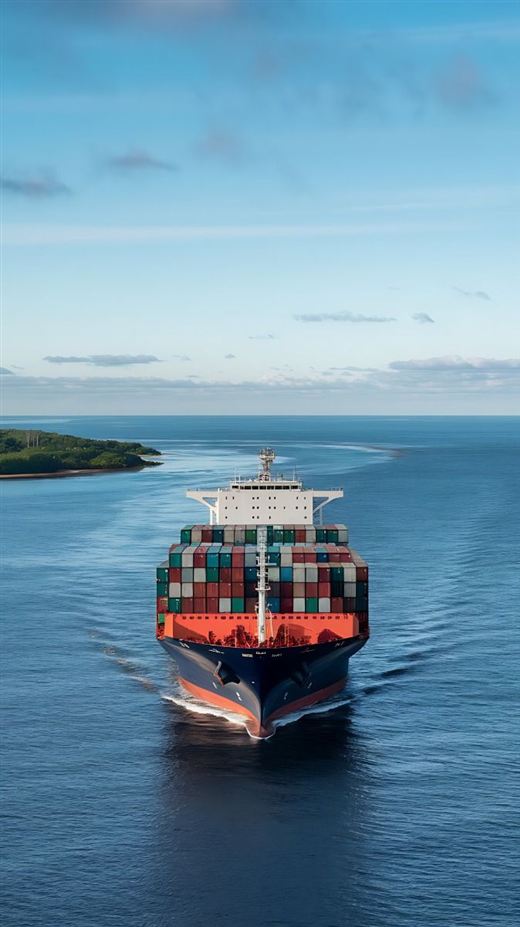
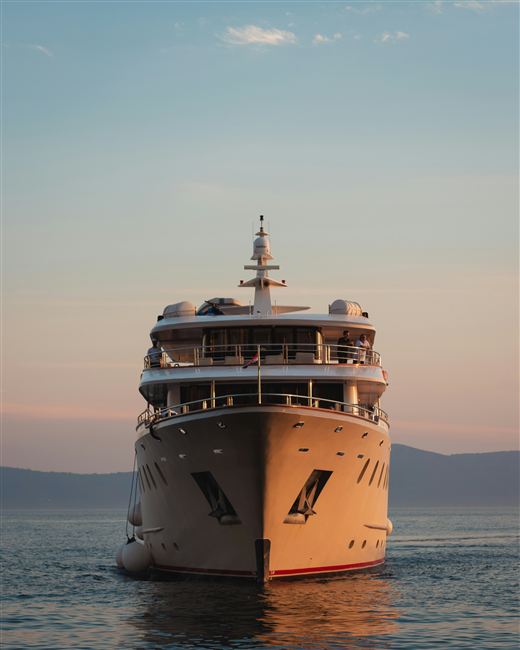
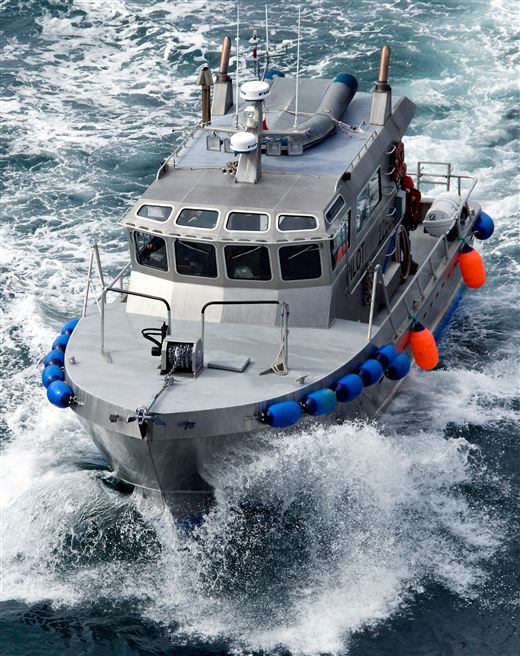
Comprehensive inspection guidance tailored to specific marine industries and vessel types.

FAQ
Frequently Asked Questions
Everything you need to know about port equipment maintenance with Marine Inspection.
The platform covers the full terminal fleet — ship-to-shore cranes, RTGs, mobile harbor and gantry cranes, forklifts, reach stackers, terminal tractors, yard trucks, spreaders and lifting gear. Each unit gets its own maintenance schedule, inspection checklists, operating-hour tracking and complete service history.
Operators complete pre-shift inspections on the mobile app with equipment-specific checklists — a few minutes per unit. Failed items automatically flag the equipment, notify supervisors and can hold the unit out of service until resolved. Every inspection is timestamped and archived for OSHA and insurance documentation.
Each operator's profile tracks NCCCO and state crane certifications, OSHA forklift training, TWIC cards, medical certificates and equipment-type authorizations. Automated alerts fire ahead of every expiry, renewals can be scheduled from the dashboard, and supervisors can instantly verify who is authorized on which equipment.
Yes. Load test schedules, proof test results and annual crane certifications are tracked per unit with due-date alerts and document storage. Inspection reports, load charts and certificates are attached to each crane's record, keeping everything audit-ready for regulators, insurers and port authorities.
Ready to Transform Your Port Operations?
Join leading port operators who trust Marine Inspection to manage their critical equipment, ensure compliance, and maximize operational efficiency in terminal operations.
Equipment
Crane LogsForklift ChecksLoad Tests
PM SchedulingFuel Tracking
Workforce
NCCCO TrackingOSHA TrainingTWIC Cards
Renewal AlertsCompetency RecordsIncident Reports
Open the Web Portal