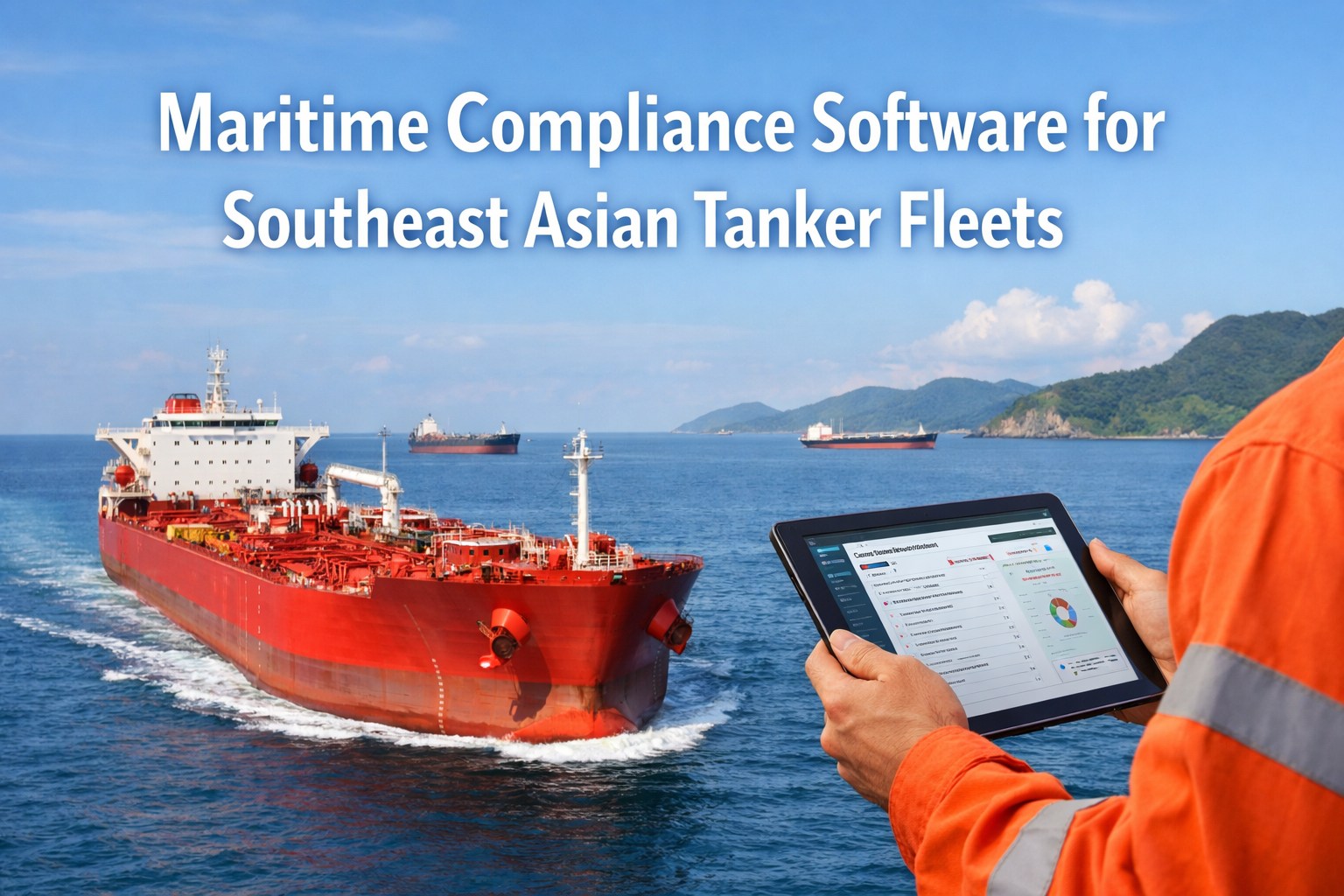
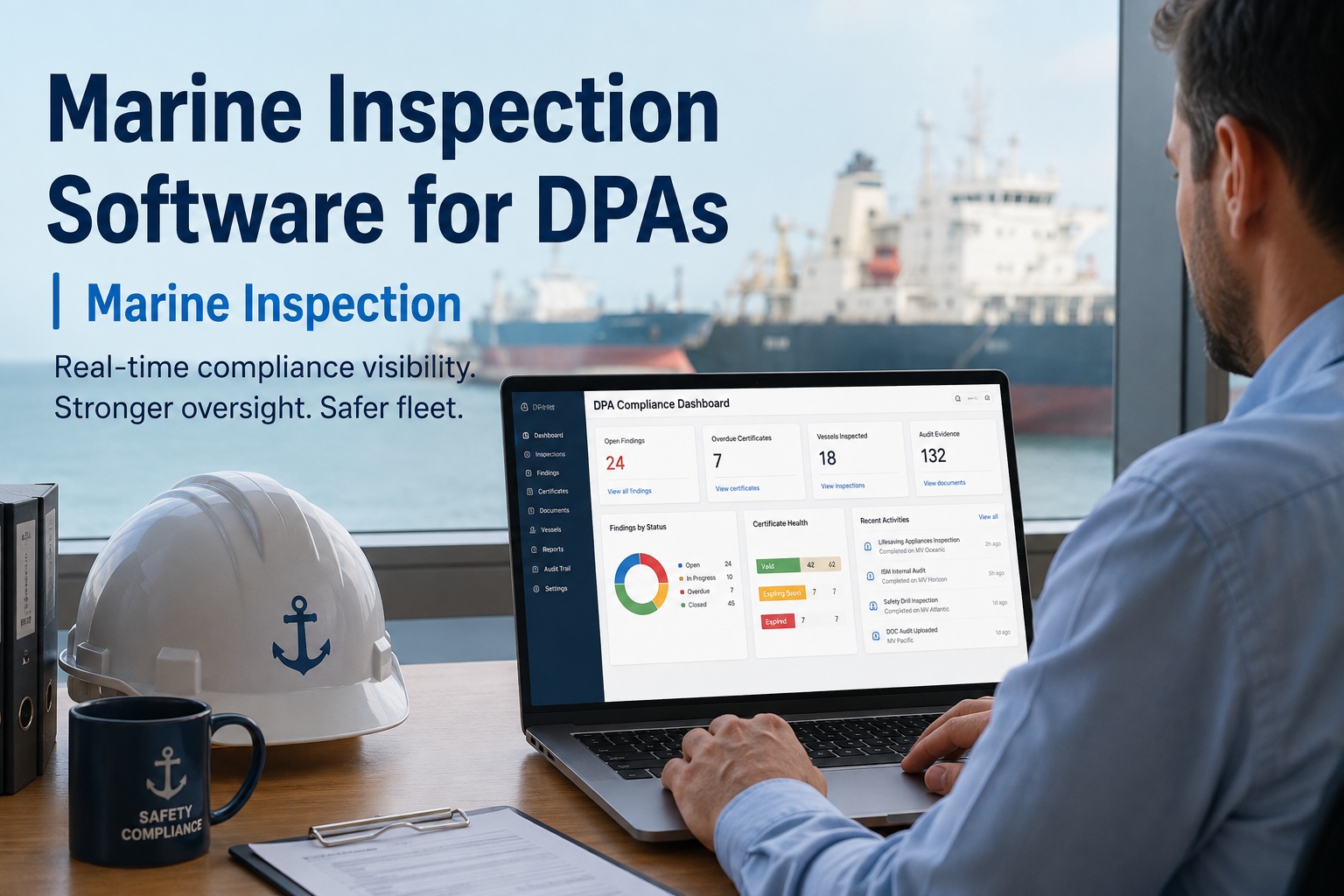
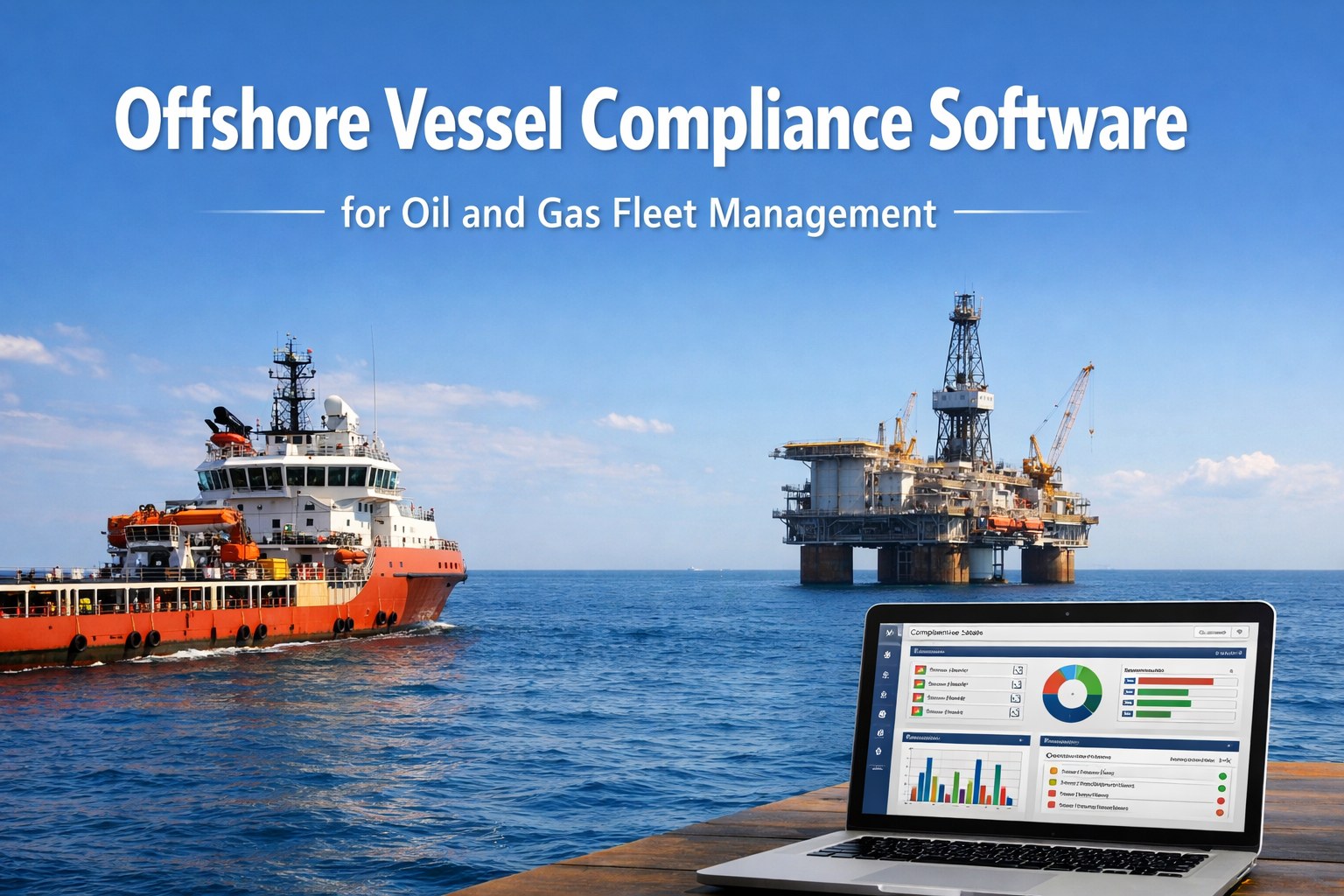
Your tanker transits the Strait of Malacca, calls at Singapore for bunkering, loads cargo at a Thai terminal, and delivers to a Chinese port—all within a single voyage. Each stop means a potential PSC inspection under the Tokyo MOU, which conducted 32,054 inspections across the Asia-Pacific region in 2024. The detention rate may have dropped 0.6 percentage points, but the number of under-performing ships nearly doubled year-over-year, and fire safety systems (18%) and ISM compliance (16%) now top the detention causes. For tanker fleets operating across Southeast Asian routes, every port call is an inspection opportunity where MARPOL compliance, Oil Record Book accuracy, crew competency, and safety equipment readiness must all hold up simultaneously. Marine Inspection gives tanker operators a single platform to manage compliance across every vessel and every port of call—so your fleet maintains inspection readiness from the Malacca Strait to the South China Sea.
32,054
Tokyo MOU Inspections in 2024
Asia-Pacific PSC inspections across member authorities
15M+
Barrels per Day via Malacca
Making it the world's busiest tanker transit chokepoint
2x
Under-Performing Ships YoY
Nearly doubled in 2024 per Tokyo MOU annual report
Why Southeast Asia Is Uniquely Challenging for Tanker Compliance
Tanker fleets in this region face a compliance environment unlike anywhere else in the world. The combination of high inspection frequency, multiple regulatory jurisdictions, extreme environmental conditions, and tanker-specific scrutiny creates a compliance burden that spreadsheets and paper logs simply cannot manage reliably.
Regional Compliance Challenges for Tanker Operators
01
Multi-Jurisdiction PSC Exposure
A single voyage can cross PSC inspection zones for Singapore, Malaysia, Indonesia, Thailand, Vietnam, and China. Each authority has its own inspection priorities, targeting algorithms, and enforcement patterns. Marine Inspection tracks your fleet's inspection history across all port states so you know your risk profile before arrival.
02
Tanker-Specific Targeting
Oil tankers, gas carriers, and chemical tankers are categorized as "ships that may present a special hazard" under the Tokyo MOU New Inspection Regime. This means higher inspection priority, expanded examination scope, and stricter deficiency thresholds before detention. Marine Inspection ensures your tanker-specific records—Oil Record Book, Cargo Record Book, IOPP Certificate—are always current.
03
MARPOL Annex I & VI Scrutiny
Tankers face heightened MARPOL scrutiny including Oil Record Book Part I and II verification, oily water separator operation, IOPP Certificate compliance, and fuel sulfur content documentation. Inconsistencies between ORB entries and tank soundings are a common detention trigger. Marine Inspection cross-references these records automatically.
04
Concentrated Inspection Campaigns
The Tokyo MOU conducts annual CICs jointly with the Paris MOU on targeted compliance areas. The 2024 CIC focused on crew wages and seafarer employment agreements under MLC 2006, resulting in 297 detentions from 8,134 inspections. Marine Inspection helps your fleet prepare for CIC topics with targeted compliance checklists before each campaign period.
05
Harsh Environmental Conditions
Tropical heat, high humidity, and saltwater exposure accelerate equipment degradation across Southeast Asian routes. Safety equipment deteriorates faster, corrosion impacts deck machinery, and hydraulic systems face thermal stress. Marine Inspection's condition-based maintenance scheduling accounts for accelerated wear patterns in tropical operating environments.
Tanker operators running fleets across these routes need compliance software that understands the regional context—not generic vessel management tools designed for single-jurisdiction operations. Schedule a demo to see how Marine Inspection handles multi-port tanker compliance across the entire Southeast Asian inspection landscape.
Top Detention Categories for Tankers in the Asia-Pacific
Understanding which deficiency categories trigger detentions helps tanker operators prioritize their compliance efforts. The Tokyo MOU's 2024 data reveals clear patterns that Marine Inspection's platform is specifically designed to address.
Primary Detention Categories: Where Tankers Fail
Swipe to see full table
| Deficiency Category |
% of Detentions |
Common Tanker Findings |
Marine Inspection Coverage |
| Fire Safety Systems |
18% |
Expired extinguishers, non-functional fire pumps, untested fixed systems |
Automated expiry tracking, test schedule management, deficiency closure workflows |
| ISM Compliance |
16% |
SMS not effectively implemented, DPA not active, corrective actions open |
Role-based task assignment, corrective action tracking, DPA oversight dashboards |
| Life-Saving Appliances |
12% |
Expired service dates on life rafts, lifeboat deficiencies, immersion suit condition |
Service date monitoring, annual inspection scheduling, photo-documented condition records |
| MARPOL (Pollution Prevention) |
11% |
ORB discrepancies, OWS malfunction, IOPP non-compliance, fuel documentation gaps |
Oil Record Book cross-referencing, IOPP certificate tracking, fuel quality documentation |
| Structural & Hull Condition |
9% |
Excessive corrosion, coating breakdown, wastage beyond class limits |
Condition monitoring with photographic history, thickness measurement tracking |
| Navigation Equipment |
8% |
ECDIS not updated, AIS malfunction, magnetic compass deviation unchecked |
Equipment calibration schedules, chart update verification, operational test logging |
| Crew Competency & MLC |
7% |
Expired STCW certificates, crew unable to demonstrate procedures, rest hour violations |
Certificate expiry alerts, drill participation tracking, rest hour compliance monitoring |
Cover Every Detention Category From One Platform
Marine Inspection tracks fire safety, ISM compliance, life-saving equipment, MARPOL documentation, structural condition, navigation systems, and crew certifications—all in one unified system built for tanker fleets operating across Southeast Asia.
How Marine Inspection Supports Tanker Fleet Operations in Southeast Asia
Marine Inspection is built to handle the specific compliance demands tanker operators face across multi-port Southeast Asian routes. Here's how the platform maps to your operational reality.
Platform Capabilities for Regional Tanker Fleets
Oil Record Book Management
Digital ORB Part I and Part II with auto-timestamps, mandatory field validation, and cross-referencing against tank soundings. Eliminates the inconsistencies inspectors flag as detention-level deficiencies.
Multi-Port Inspection Readiness
Pre-arrival compliance checklists tailored to each port state's inspection priorities. Your crew knows what to verify before arrival at Singapore, Bangkok, Ho Chi Minh City, or any regional port.
Certificate & Survey Tracking
IOPP, Cargo Ship Safety Construction, ISPS, MLC, class certificates—all tracked with automated alerts at 90/60/30 days before expiry across every vessel in your fleet.
Safety Equipment Compliance
Fire safety system inspections, life-saving appliance service dates, and navigation equipment calibration all scheduled and tracked with evidence-based closure verification.
Crew Competency Management
STCW certificate tracking, drill scheduling with rotating roles, rest hour compliance monitoring, and training records—addressing crew-related deficiency categories that account for 7% of detentions.
Shore-to-Ship Fleet Dashboards
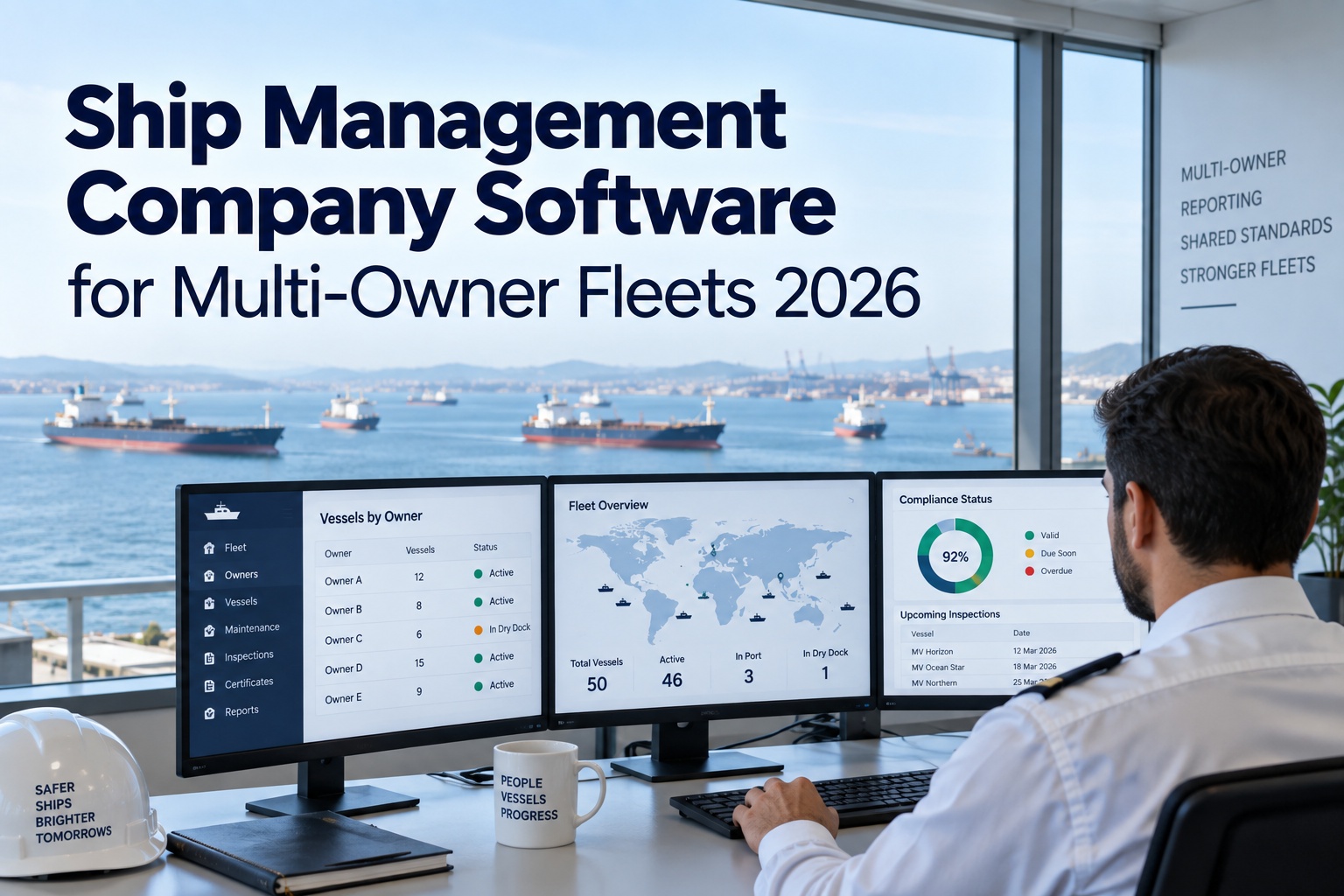
Shore management sees real-time compliance status for every tanker: open deficiencies, upcoming inspections, overdue maintenance, and certificate validity—across your entire Southeast Asian fleet.
Operators managing tanker fleets across multiple Southeast Asian routes find that creating a free Marine Inspection account gives them immediate visibility into compliance gaps they didn't know existed—and the tools to close them before the next port call.
Expert Review: The Shifting Inspection Landscape in Asia-Pacific
Industry Analysis
The Tokyo MOU's 2024 annual report delivers a clear warning: under-performing ships in the Asia-Pacific nearly doubled compared to the previous year, and the non-compliance isn't concentrated in any single deficiency area. The organization explicitly urged all stakeholders to "re-evaluate their operational practices and ensure adherence to the requirements of the international maritime instruments." For tanker operators, this means the entire compliance portfolio must be functioning—not just the areas that failed last time.
Singapore MPA's pilot of AI-powered remote inspections in late 2025 signals where the region is heading. Inspectors reviewed 30 days of continuous operational data and maintenance patterns through machine learning algorithms, completing assessments in 90 minutes with zero deficiencies for vessels with strong digital compliance infrastructure. Tanker fleets still relying on paper-based ORB entries, manual certificate tracking, and reactive maintenance scheduling face increasing risk as the region's most active ports adopt data-driven inspection targeting.
The shadow fleet issue adds another layer of scrutiny. With an estimated 3,300 vessels in the global shadow fleet and many transiting the Malacca and Singapore Straits, legitimate tanker operators face heightened inspection attention simply because port authorities are on elevated alert for compliance gaps. A quick demo shows how Marine Inspection positions your fleet as clearly compliant with transparent digital records that satisfy even the most thorough examination.
Conclusion
Southeast Asian tanker operations exist at the intersection of the world's busiest shipping lanes, the most active PSC inspection regime, and tanker-specific regulatory scrutiny that treats every oil and chemical carrier as a potential special hazard. Managing compliance across this environment requires more than diligence—it requires a system that connects Oil Record Book management, certificate tracking, safety equipment compliance, crew competency, and maintenance scheduling into one platform your shore team and shipboard crew share in real time. Marine Inspection provides exactly this for tanker fleets: a purpose-built compliance platform where every deficiency category that causes detentions in the Asia-Pacific is tracked, managed, and verified with evidence. Sign up free today and give your fleet the compliance infrastructure it needs to operate confidently across every Southeast Asian port of call.
Compliance Confidence Across Every Port of Call
Marine Inspection gives Southeast Asian tanker fleets unified compliance management—Oil Record Books, certificate tracking, safety equipment, crew competency, and maintenance scheduling in one platform with real-time shore-to-ship visibility.
Frequently Asked Questions
Why do tankers face higher PSC inspection scrutiny in Southeast Asia?
Under the Tokyo MOU's New Inspection Regime, oil tankers, gas carriers, and chemical tankers are classified as "ships that may present a special hazard." This category receives higher priority targeting for PSC inspections, meaning tankers are more likely to be selected for examination at every port call. Combined with the region hosting 32,054 PSC inspections in 2024, tanker fleets operating multiple Southeast Asian routes face significantly higher inspection frequency than vessels in less active regions. Marine Inspection helps tanker operators maintain continuous readiness across all deficiency categories.
What are the most common tanker-specific deficiencies in the Asia-Pacific?
Fire safety systems (18%) and ISM compliance (16%) lead detention causes, followed by life-saving appliances, MARPOL pollution prevention findings, and structural condition issues. For tankers specifically, Oil Record Book discrepancies, oily water separator malfunctions, IOPP Certificate non-compliance, and cargo handling documentation gaps are frequent triggers for expanded inspections. Marine Inspection addresses each of these categories with dedicated tracking modules, automated scheduling, and evidence-based closure verification.
How does Marine Inspection handle Oil Record Book compliance for tankers?
Marine Inspection provides digital Oil Record Book management for both Part I (machinery space operations) and Part II (cargo/ballast operations). Every entry carries an auto-timestamp and mandatory field validation that prevents incomplete records. The system cross-references ORB entries against tank soundings and operational data to flag inconsistencies before an inspector discovers them. This eliminates the most common MARPOL deficiency pattern—discrepancies between what the ORB states and what physical verification reveals.
Can Marine Inspection prepare our fleet for Concentrated Inspection Campaigns?
Yes. When the Tokyo MOU announces CIC topics—such as the 2024 campaign on crew wages and seafarer employment agreements under MLC 2006—Marine Inspection generates targeted compliance checklists based on the CIC questionnaire areas. Your fleet can verify compliance with specific CIC requirements before the campaign period begins, addressing gaps proactively rather than discovering them during inspection. The 2024 CIC resulted in 297 detentions from 8,134 inspections, demonstrating the real operational impact of being unprepared.
How quickly can a tanker fleet implement Marine Inspection across Southeast Asian operations?
Most tanker fleets are operationally live within 4-6 weeks. Week 1-2 covers vessel registration with certificate tracking, ORB management, and safety equipment scheduling. Week 3-4 activates crew competency tracking, maintenance workflows, and pre-arrival readiness checklists. By week 6, shore-to-ship compliance dashboards, fleet-wide reporting, and automated alerts are fully operational. The platform's mobile interface works across the connectivity conditions common in Southeast Asian port calls—ensuring crews can log entries and access records regardless of bandwidth limitations.