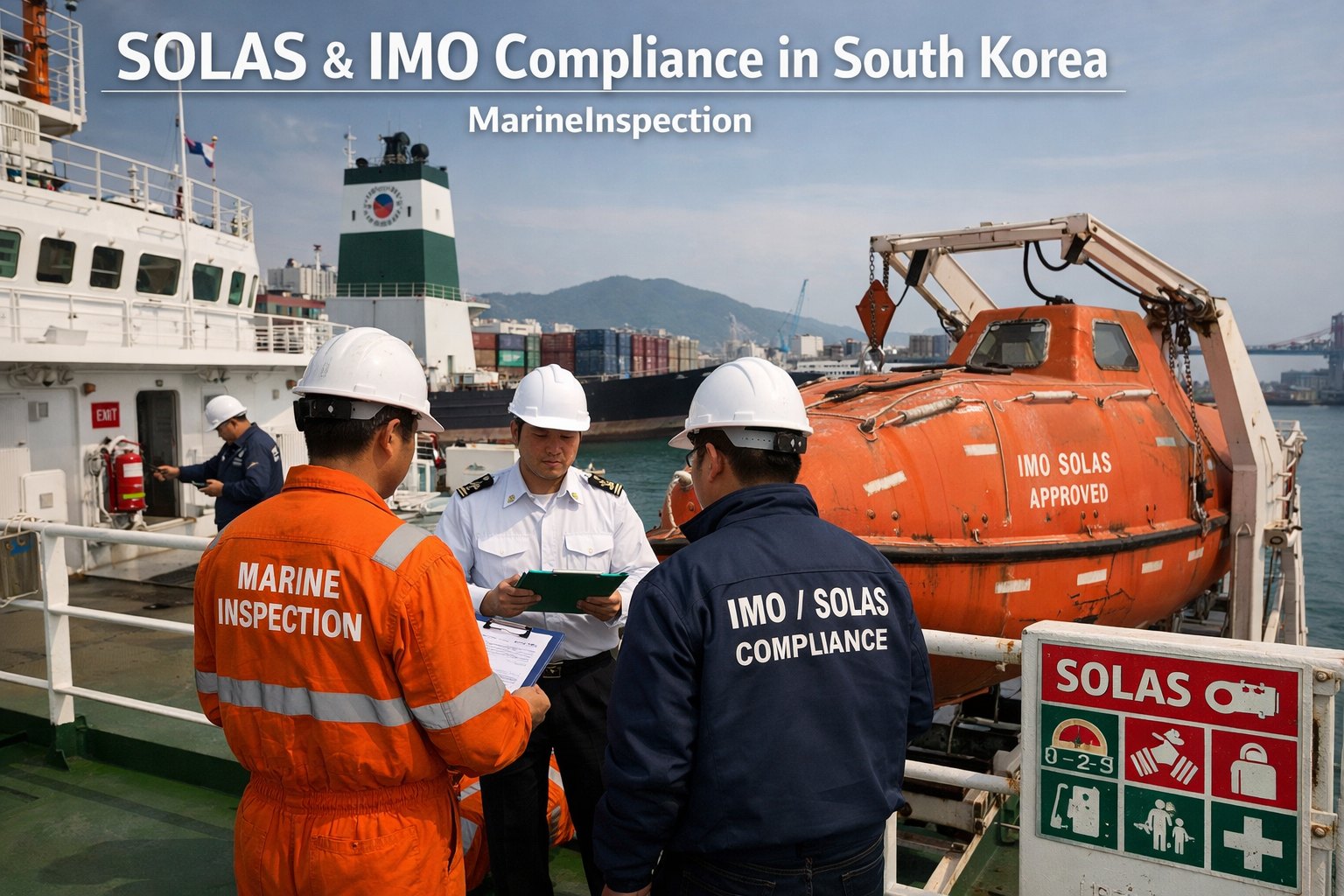
Navigating SOLAS & IMO compliance in South Korea can mean the difference between smooth port operations and costly detentions averaging $85,000-$200,000. With the Korean Coast Guard conducting over 12,000 PSC inspections annually and a 15-25% detention rate for non-compliant vessels, maintaining exemplary SOLAS compliance is critical for vessels calling at Busan, Incheon, and Ulsan.
This guide provides actionable strategies that reduce PSC deficiencies by 90% and save $150,000-$400,000 annually. Sign up for our platform to implement these compliance protocols and streamline SOLAS compliance management.
Impact of SOLAS Compliance in South Korea Operations
Ready to Achieve SOLAS Compliance Excellence?
Streamline your compliance management and avoid costly PSC detentions.
Understanding SOLAS Compliance in South Korea
SOLAS (Safety of Life at Sea) compliance is mandatory for all vessels operating in South Korean waters. The Korean Coast Guard enforces 25 SOLAS chapters with particular focus on Chapter V (Navigation), Chapter III (Life-Saving), and Chapter II-2 (Fire Protection). Our digital platform provides SOLAS-aligned checklists covering all critical areas to simplify compliance management.
Core SOLAS Requirements for Korean Waters
South Korean PSC inspections focus on 5 critical SOLAS areas representing 85% of deficiencies. Understanding these priorities helps target compliance efforts effectively. Our platform provides chapter-specific checklists ensuring systematic coverage of all compliance requirements.
- ✓ Life rafts serviced within 12-month intervals with valid certificates
- ✓ Lifeboat launching gear tested monthly with quarterly full drills
- ✓ Life jackets accessible with proper lighting for all personnel
- ✓ Fire detection systems tested in all zones with functional alarms
- ✓ Fixed fire-fighting systems (CO2, foam) with annual inspections
- ✓ Fire extinguishers inspected annually, hydrostatic tests every 5 years
- ✓ ECDIS updated with latest Korean water charts and backups
- ✓ Radar and AIS functioning with documented performance tests
- ✓ Gyro and magnetic compass calibrated with current deviation cards
- ✓ GMDSS equipment functional with current batteries and certification
- ✓ VHF/MF/HF radio operational with DSC functionality tested
- ✓ EPIRB within service date, mounted properly, and registered
- ✓ Cargo Ship Safety Certificate current with valid endorsements
- ✓ Safety Equipment Certificate with completed annual surveys
- ✓ ISM Code DOC and SMC current for vessel and company
Track all requirements digitally: Our platform provides automated certificate tracking with 90-day advance alerts and personalized compliance assessments.
Best Practices and Digital Tools for SOLAS Compliance
Digital compliance platforms reduce preparation time by 70%, ensure 100% checklist completion, and accelerate port clearance by 60%. Korean authorities accept electronic documentation, making digital systems essential for efficient operations.
- ✓ Pre-configured SOLAS checklists aligned with Korean PSC requirements
- ✓ Mobile inspection apps with photo documentation and real-time deficiency tracking
- ✓ Certificate expiration alerts with 90-day advance notifications preventing compliance gaps
- ✓ ISM Code integration documenting procedures and corrective actions
- ✓ Cloud-based storage providing instant access to inspection histories and certificates
- ✓ Korean language support facilitating PSC communication
Pre-Arrival SOLAS Compliance Checklist
Conduct thorough inspections 48-72 hours before entering Korean waters to identify deficiencies. This proactive approach reduces detention risk by 95% and prevents $85,000-$200,000 in costs. Use our digital checklist system to ensure nothing is missed.
- ✓ Verify all statutory certificate validity (SOLAS, MARPOL, Load Line)
- ✓ Test safety equipment functionality (fire detection, life-saving, emergency systems)
- ✓ Check navigation equipment operational status (ECDIS, radar, AIS)
- ✓ Verify communication systems (VHF, GMDSS, emergency radios)
- ✓ Review crew certifications, training records, and ISM procedures
- ✓ Complete previous PSC deficiency rectifications with documentation
Automate your pre-arrival inspections: Our platform streamlines this process with digital tools and real-time tracking.
Common SOLAS Deficiencies in South Korea
Korean PSC data reveals 12 recurring deficiency patterns accounting for 80% of violations. Understanding these helps prevent 90% of PSC findings through targeted compliance efforts.
2. Fire safety deficiencies - inoperative doors, missing extinguishers (22%)
3. GMDSS equipment issues - expired batteries, non-functional EPIRB (15%)
4. Navigation equipment problems - outdated charts, radar malfunctions (12%)
5. ISM documentation gaps - incomplete procedures, missing records (8%)
6. Emergency system failures - non-operational fire pumps, steering defects (5%)
7. Structural maintenance - corrosion, watertight door failures (3%)
8. Crew certification issues - expired certificates, insufficient manning (3%)
9. Load line violations - improper loading, stability concerns (2%)
10. Cargo securing defects - damaged lashing gear (1%)
11. Accommodation issues - inadequate facilities, ventilation (0.8%)
12. MARPOL failures - OWS defects, oil record discrepancies (0.2%)
Prevent these deficiencies systematically: Start your free trial with automated tracking and alerts to eliminate common compliance issues.
Quick Start: Achieving SOLAS Compliance Excellence
Systematic SOLAS compliance in Korean waters requires proactive management through digital tools, crew training, and continuous monitoring. Vessels using comprehensive compliance systems achieve 98% PSC pass rates and zero detentions while reducing compliance costs by 40-55%.
4-Step Implementation Roadmap
Step 1 - Gap Analysis (Week 1-2): Compare current practices against SOLAS requirements and Korean PSC expectations. Document deficiencies with prioritized corrective action plans to identify gaps quickly.
Step 2 - Digital Platform Deployment (Week 3-4): Implement our SOLAS compliance platform with pre-configured checklists, certificate tracking, and mobile inspection apps. Cloud-based systems cost $3,000-$10,000 annually but reduce admin time by 70%.
Step 3 - Crew Training (Month 2-3): Train personnel on SOLAS requirements, equipment operation, and PSC procedures. Korean maritime training centers offer specialized courses improving crew performance by 75% within 3-6 months.
Step 4 - Continuous Monitoring (Ongoing): Maintain systematic compliance through regular inspections, automated alerts, and performance tracking to establish ongoing compliance support.
Expected Results Within 6 Months:
- ✓ 90% reduction in PSC deficiencies
- ✓ Zero detention operations
- ✓ $150,000-$400,000 annual savings
- ✓ 60% faster port clearance processing
- ✓ 20% lower insurance premiums
Transform Your SOLAS Compliance Today
Join maritime professionals achieving zero-detention operations in Korean waters
No credit card required • Setup in 5 minutes • Full support included