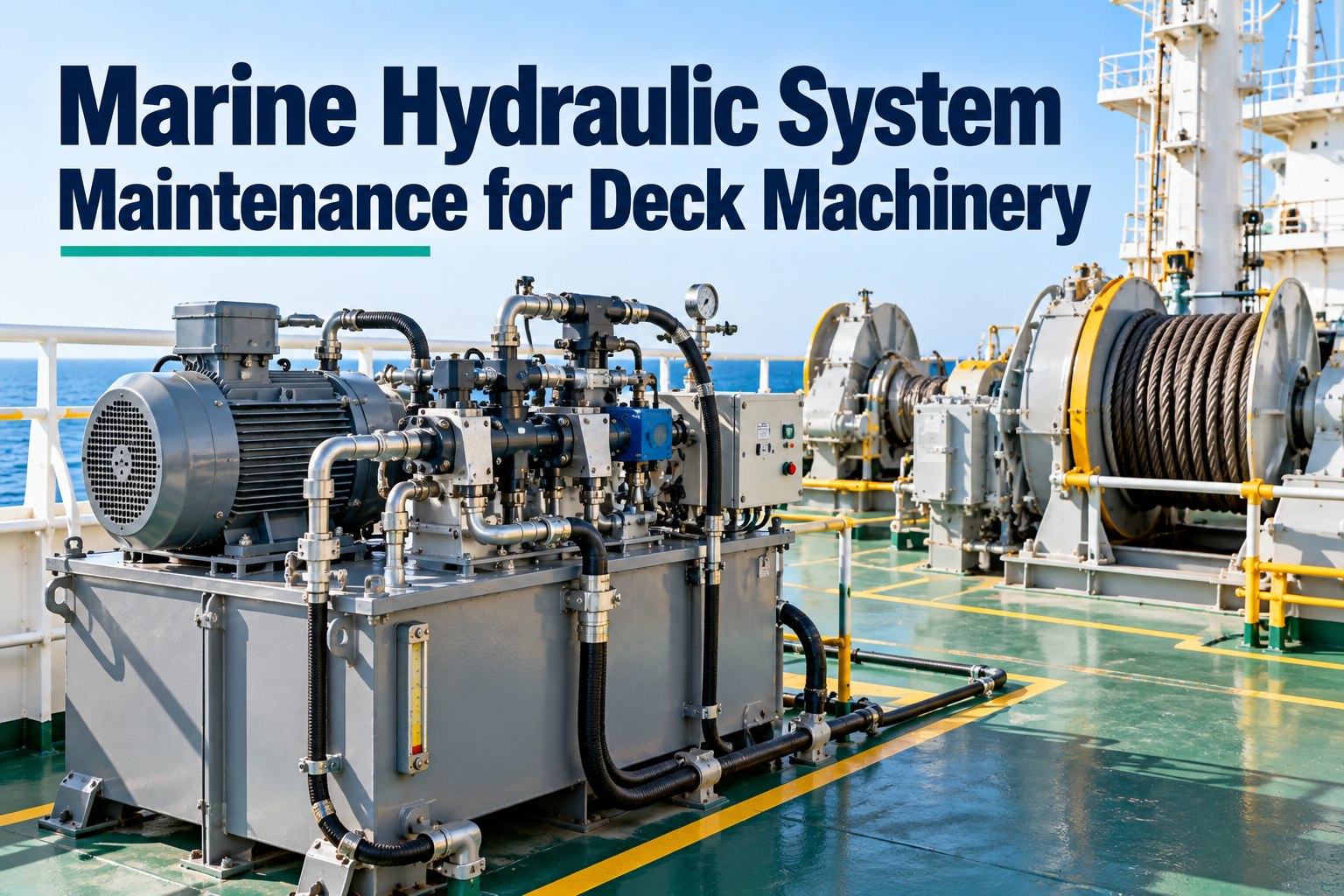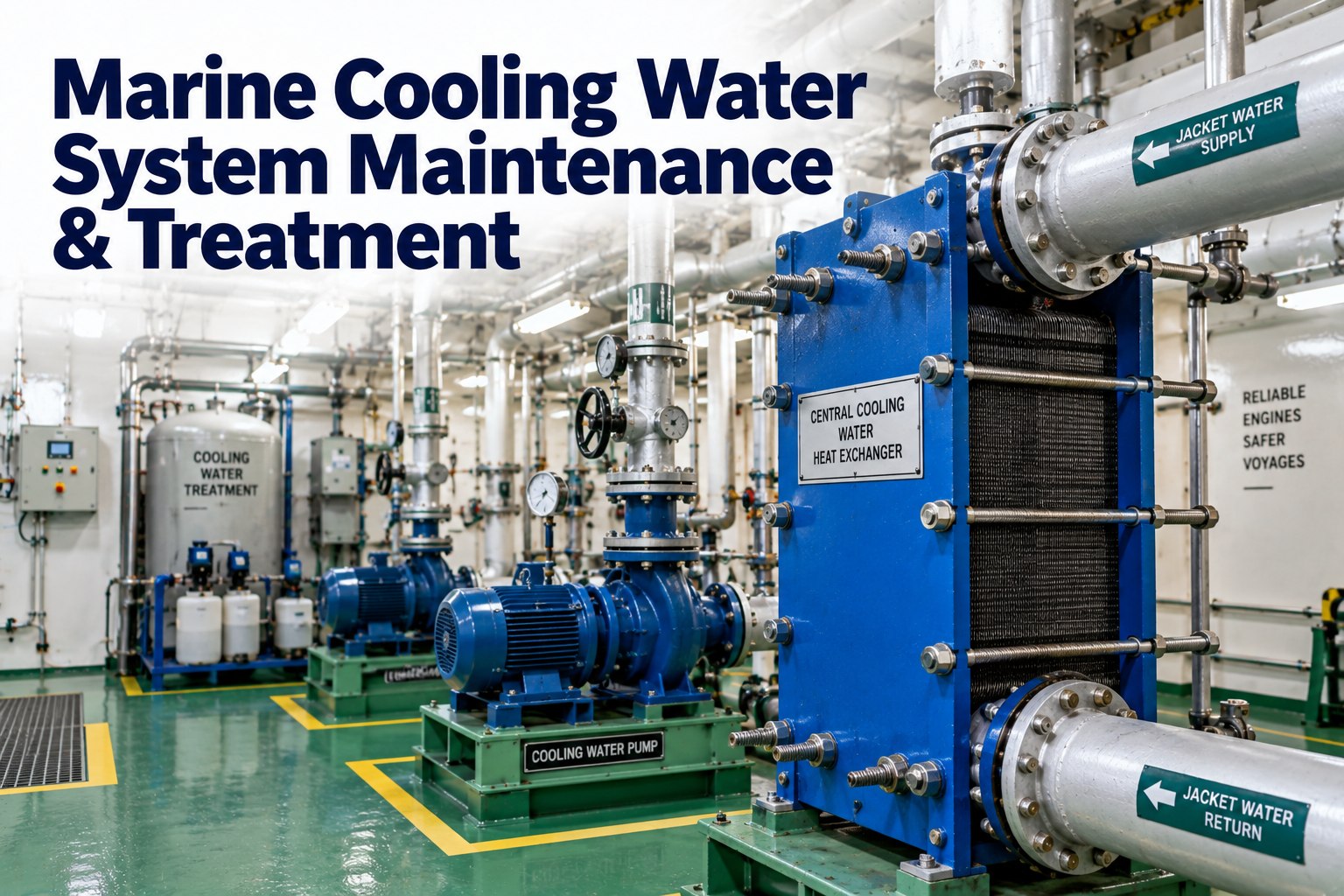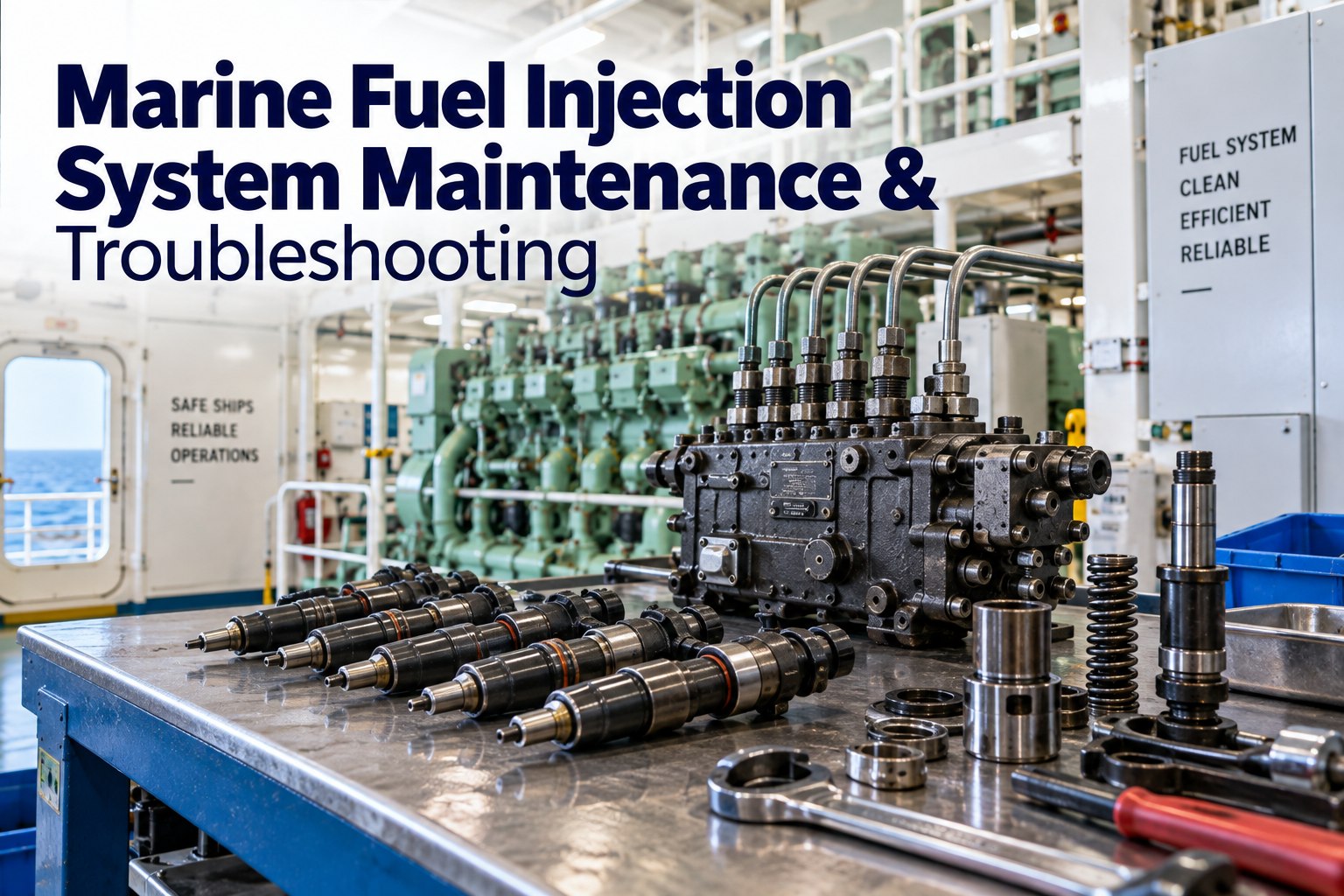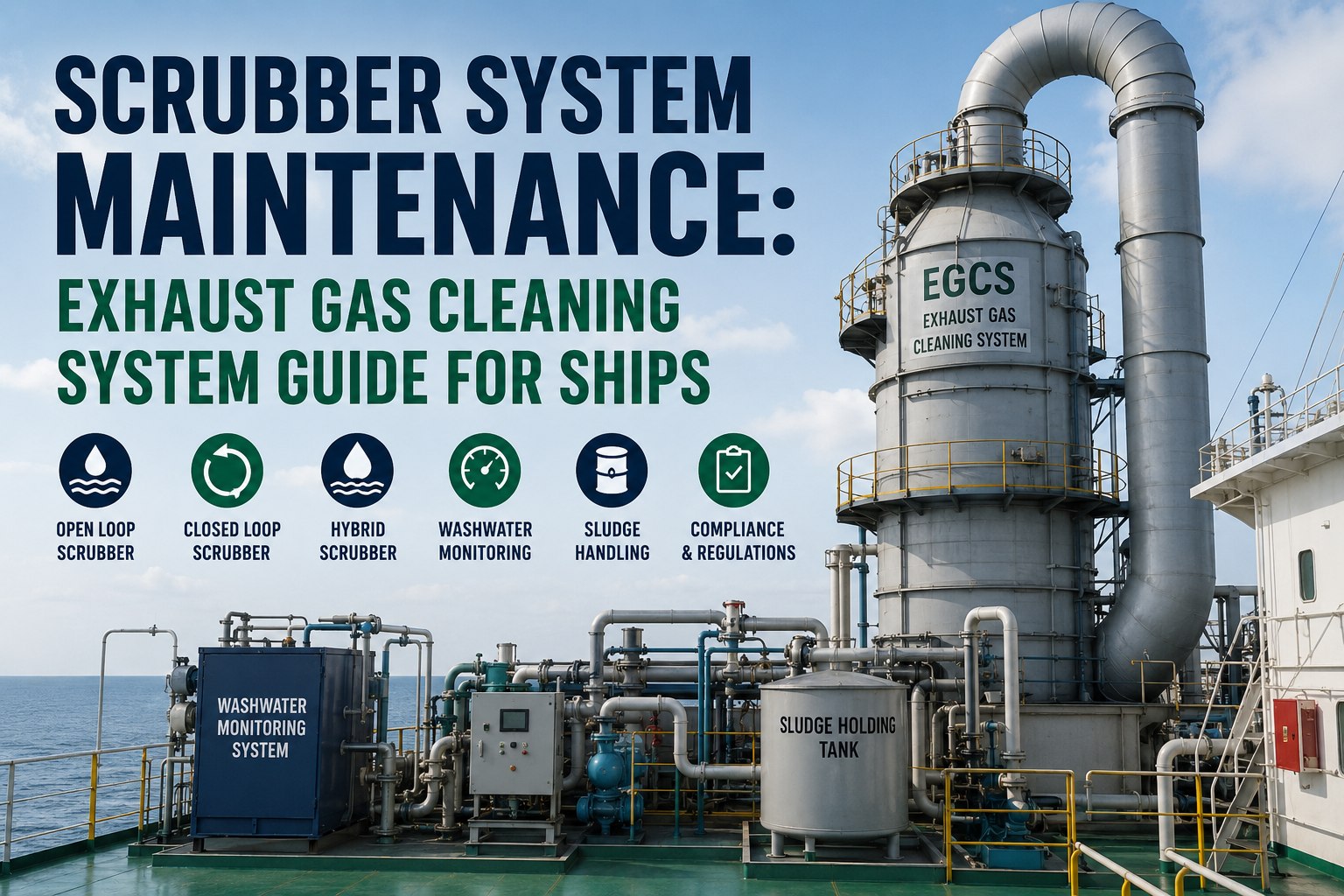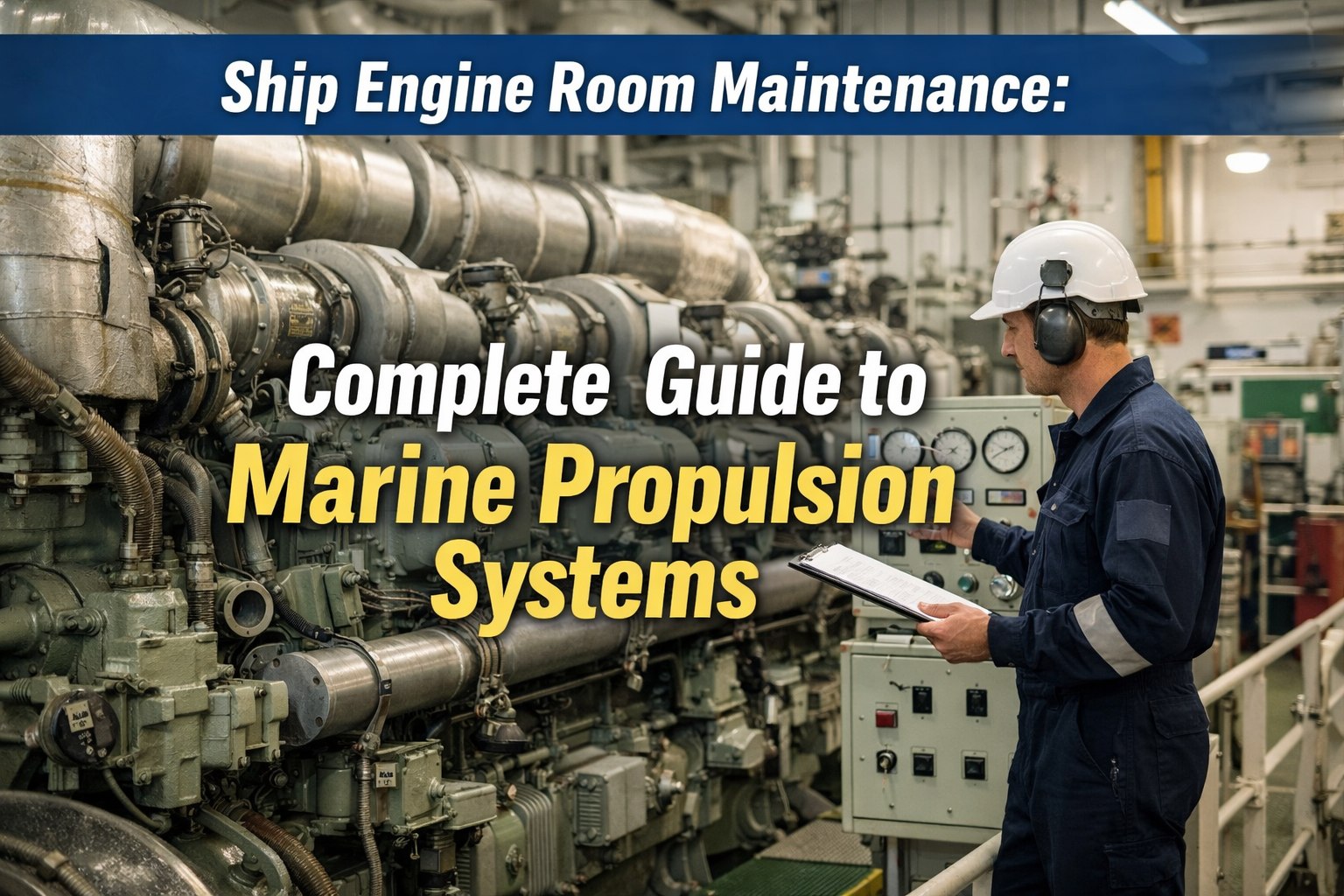
The engine room is the operational heart of every vessel — a complex ecosystem of interdependent systems where the main engine, auxiliary generators, boilers, fuel treatment, cooling, lubrication, and pollution prevention equipment must all function reliably under the harshest operating conditions in any industry. For chief engineers and superintendents, engine room maintenance is not simply a matter of following manufacturer schedules — it is the daily operational discipline that determines whether your vessel passes its next PSC inspection, satisfies classification survey requirements, avoids costly breakdowns at sea, and maintains the ISM Code compliance that keeps your fleet trading. With ISM-related deficiencies remaining the single largest category of PSC detainable findings worldwide, and planned maintenance system failures consistently triggering detention cascades, the operators who avoid engine room problems are those whose maintenance is systematic, documented, and digitally tracked — not paper-based and reactive. Chief engineers and superintendents building engine room maintenance systems can start a free trial of Marine Inspection to digitalise planned maintenance, running hour tracking, and corrective action management across every engine room system.
Engine Room Preventive Maintenance Schedule: Running Hour Intervals
Every marine diesel engine — whether the main propulsion engine or auxiliary generators — follows a maintenance schedule structured around running hours. The intervals below represent industry-standard guidelines drawn from major engine manufacturers (MAN, Wartsila, Caterpillar) and classification society requirements. Chief engineers must always defer to the specific manufacturer's manual for their installed engines, but this framework provides the operational planning structure that every well-run engine room follows. Operators who book a Marine Inspection demo can see how the platform automates running hour tracking and generates maintenance work orders at each interval.
| Interval | Main Engine Tasks | Auxiliary Engine Tasks | Supporting Systems |
|---|---|---|---|
| Daily | Log all parameters: exhaust temps, pressures, RPM, running hours. Check for leaks, unusual sounds, vibrations. Drain scavenge spaces. | Check lube oil level, fuel service tank level, cooling water temps. Drain settling/service tanks of water. Check governor oil level. | Check purifier operation. Verify bilge levels. Check air bottle pressures. Monitor boiler water level and steam pressure. |
| 250 hrs | Clean scavenge ports and drain. Inspect turbocharger filters. Check indicator cocks. Clean fuel oil filters. | Clean lube oil filters, fuel oil filters, turbocharger air filters. Change over generators and run standby unit. | Clean fuel oil purifier bowls. Check all filter differential pressures. Inspect oily water separator. |
| 1,000 hrs | Crankcase inspection. Check tappet clearances. Take engine performance readings. Inspect fuel injectors and pressure test. | Crankcase inspection. Remove and test fuel injectors. Change turbocharger oil. Check tappet clearances. Take crankshaft deflections. | Overhaul purifier. Check all safety valves. Test emergency generator on load. Inspect air compressor valves. |
| 2,000 hrs | Overhaul fuel injectors. Inspect piston cooling system. Check exhaust valve seats. Inspect cylinder liner wear. | Check cylinder head bolts torque. Inspect turbocharger bearings. Check engine alignment and foundation bolts. | Inspect boiler tubes and mountings. Overhaul cooling water pumps. Check all heat exchangers for fouling. |
| 4,000 hrs | Half-decarbonisation: remove all cylinder heads, overhaul exhaust/inlet valves, clean piston crowns and liner tops, inspect starting air valves, renew gaskets and O-rings. | Remove cylinder heads and overhaul. Clean cooling water spaces. Lap valves. Inspect piston tops and liner condition. | Overhaul steering gear. Test all emergency systems. Inspect shaft seals and stern tube. Calibrate all gauges. |
| 8,000 hrs | Full decarbonisation: withdraw all pistons, change piston rings, inspect big end bearings, overhaul turbocharger and renew bearings, clean exhaust piping and silencer. | Pull pistons, clean and inspect. Change piston rings. Inspect big end bearings. Overhaul turbocharger completely. Renew connecting rod bolts. | Major overhaul of all purifiers. Complete boiler survey. Overhaul all pumps. Renew lube oil if analysis indicates. |
| 16,000 hrs | Major overhaul: renew cylinder liners, inspect crankshaft journals, renew main bearings if required, complete thrust bearing inspection. | Modern engines may extend to 16,000 hrs before piston pull. Full engine assessment including liner calibration and bearing inspection. | Complete system assessment. Tailshaft inspection if due. Align with class special survey requirements. |
The Seven Critical Engine Room Systems
Engine room maintenance is not just about the main engine — it encompasses seven interdependent systems that must all function reliably for the vessel to operate safely and compliantly. A failure in any one system affects the others: contaminated fuel oil damages injectors which raises exhaust temperatures which stresses the turbocharger which reduces scavenge pressure which causes incomplete combustion which contaminates the lube oil. Understanding these dependencies is what separates reactive repair from genuine preventive maintenance. Sign up for Marine Inspection to track maintenance across all seven systems in one platform.
Engine Room Watchkeeping: The Daily Foundation
No preventive maintenance schedule replaces the watchkeeping engineer's daily rounds. The watchkeeper is the first line of defence — detecting developing problems through sound, vibration, temperature, pressure, and visual observation before they become failures. A well-documented watchkeeping routine produces the operational data that drives maintenance decisions and provides the evidence trail that PSC inspectors and class surveyors review.
Expert Review: Engine Room Maintenance in the Digital Era
The engine room maintenance landscape is being reshaped by two converging forces: tighter ISM Code enforcement by port state control authorities, and the emergence of condition-based maintenance enabled by IoT sensors and digital PMS platforms. The first force means that a planned maintenance system is no longer just an operational tool — it is the primary evidence that PSCOs examine when evaluating ISM compliance. A vessel with a fire door deficiency can avoid ISM detention if its PMS shows the door was last inspected on schedule, the defect was identified, and a corrective action was raised. A vessel without that digital trail faces the detention cascade.
The second force — condition-based maintenance — is extending traditional running hour intervals by using real-time data from lube oil analysis, vibration monitoring, exhaust gas analysis, and thermal imaging to determine actual component condition rather than relying on fixed calendar or running hour schedules. DNV's remote survey partnerships with MAN Energy Solutions and classification societies' growing acceptance of condition monitoring for tailshaft survey extensions (from 5 years to 10-15 years with approved CMS) demonstrate that the industry is moving toward maintenance decisions driven by data rather than time alone.
For chief engineers and superintendents, the practical implication is clear: the digital PMS that tracks running hours, generates work orders, captures completion evidence, and manages corrective actions is no longer optional infrastructure — it is the foundation of both ISM compliance and the condition-based maintenance programmes that reduce total lifecycle cost. Schedule a walkthrough to see how Marine Inspection connects engine room maintenance with fleet-wide compliance.
Conclusion
Ship engine room maintenance is the operational discipline that keeps vessels trading, compliant, and safe. From daily watchkeeping rounds through 250-hour filter cleans to 8,000-hour decarbonisations and 16,000-hour major overhauls, every maintenance interval builds the equipment condition and documentation trail that classification surveyors verify, PSC inspectors examine, and ISM auditors assess. The seven critical engine room systems — main engine, auxiliary generators, fuel treatment, cooling, lubrication, boiler/steam, and steering/emergency — are interdependent, and a failure in any one cascades through the others. The operators who avoid breakdowns, detentions, and unplanned dry-dockings are those whose maintenance is systematic, running hour-driven, and digitally documented — producing compliance evidence as a natural output of doing the work. Marine Inspection provides the digital PMS platform that connects every engine room system into one maintenance management framework — sign up today to digitalise your engine room maintenance across your entire fleet.