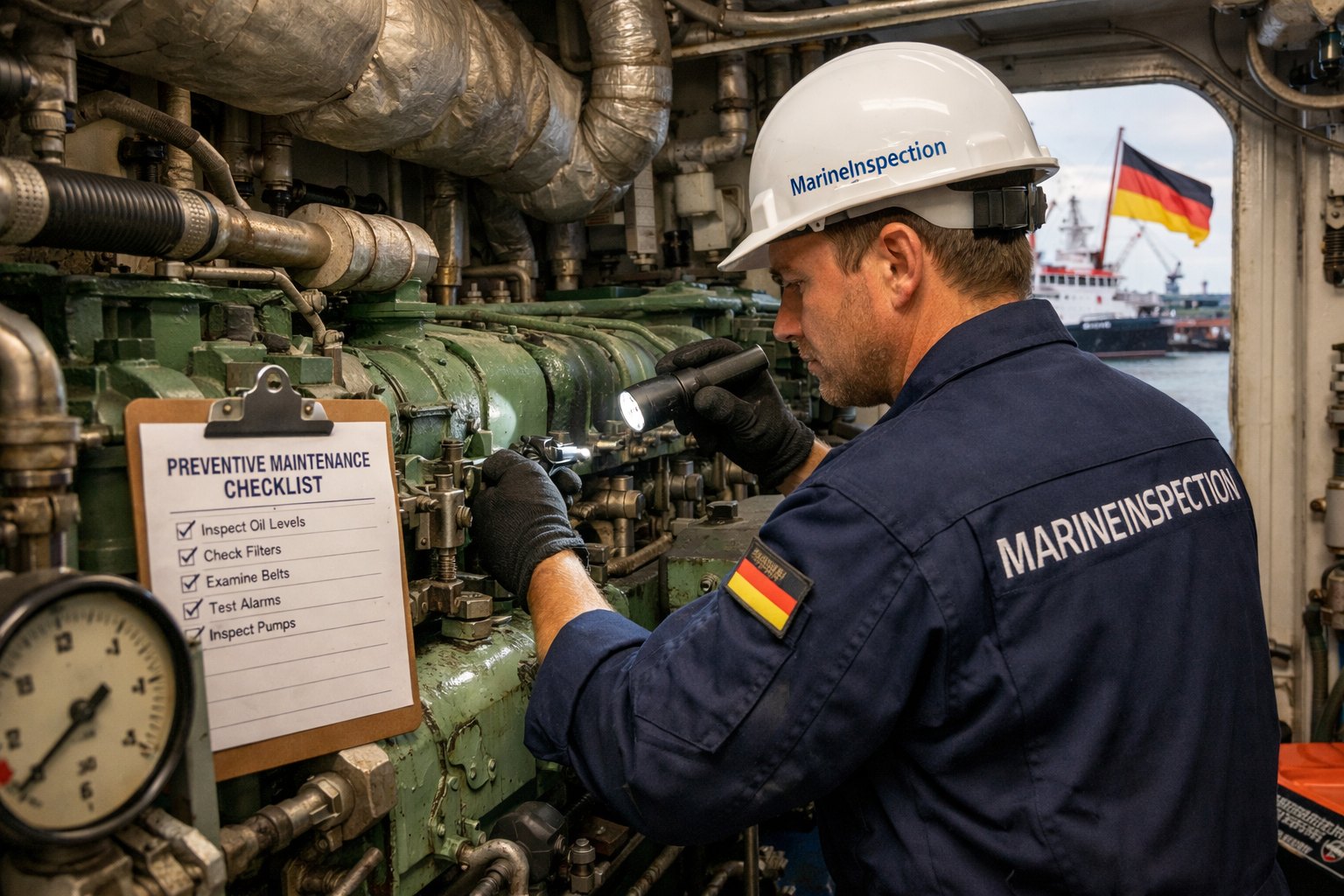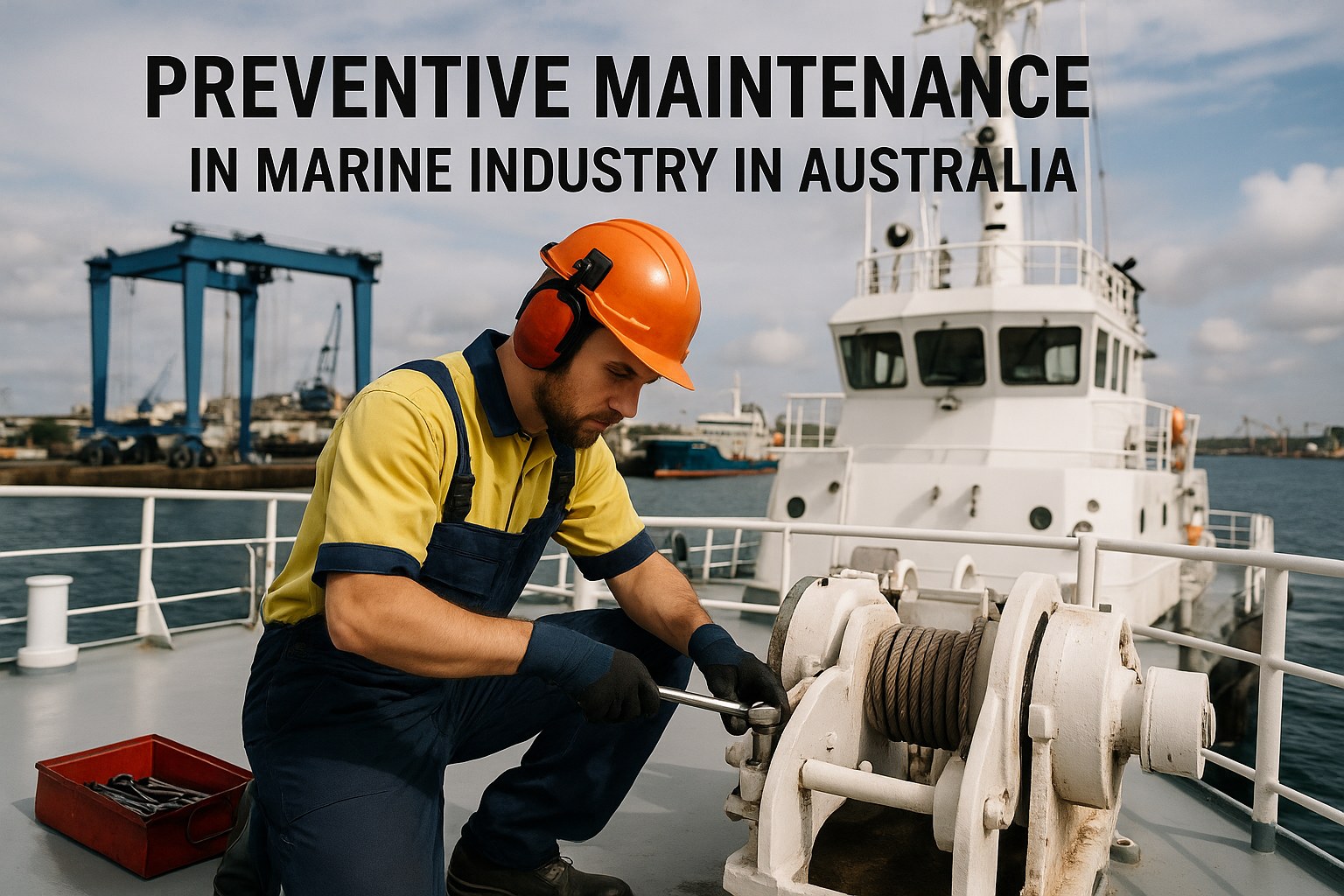
Norway's maritime industry—from North Sea offshore vessels to Arctic fishing fleets and coastal ferries—operates in some of the world's most demanding conditions. Harsh weather, icy waters, and extreme temperatures make preventive maintenance not just best practice but essential for survival. Norwegian Maritime Authority (NMA) expects rigorous maintenance documentation, and vessels failing inspections face immediate detention in ports like Bergen, Stavanger, or Tromsø. Smart operators implementing systematic preventive maintenance reduce breakdowns by 70%, cut costs by 30-40%, and sail confidently knowing their vessels can handle whatever the Norwegian Sea throws at them. Start digital maintenance tracking today.
Preventive Maintenance in Marine Industry – Norway Edition
Understanding Preventive Compliance in Norway
Critical Systems Requiring Preventive Maintenance
Heating Systems
Critical for crew safety and equipment operation in Arctic conditions
Main Propulsion
Engine reliability essential for safe navigation in challenging waters
Ice Protection
Hull coating, heating systems, and ice-strengthened components
Navigation & Safety
Radar, GPS, AIS, communication systems for safe operations
Deck Machinery
Winches, cranes, mooring equipment operating in extreme conditions
Ventilation & HVAC
Engine room ventilation and crew quarters climate control
Norwegian Maritime Authority Requirements
| Requirement | Frequency | Documentation | Penalty for Non-Compliance |
|---|---|---|---|
| Main Engine Service | Per running hours (500/1000/5000/8000) | Service logs, oil analysis reports | Vessel detention, NOK 50K-200K fine |
| Safety Equipment | Monthly inspections, annual certification | Inspection checklists, service certificates | Immediate detention, NOK 100K+ fine |
| Life-Saving Appliances | Weekly checks, annual servicing | Test records, service station certificates | Detention until rectified, NOK 75K fine |
| Fire Safety Systems | Weekly tests, quarterly inspections | Test logs, maintenance records | Detention, NOK 150K fine, safety violation |
| Navigation Equipment | Daily checks, quarterly calibration | Calibration certificates, test results | Port restriction, NOK 50K fine |
Cost Reality: Preventive vs Reactive
Preventive Approach
Reactive Approach
Best Practices and Digital Tools for Preventive
4-Phase Preventive Maintenance Workflow
Plan
- Create equipment inventory
- Set maintenance schedules
- Define responsibilities
- Establish KPIs & targets
Execute
- Perform scheduled tasks
- Document all work
- Capture photo evidence
- Record running hours
Analyze
- Review performance data
- Identify failure patterns
- Track cost trends
- Assess reliability metrics
Optimize
- Adjust schedules based on data
- Improve procedures
- Update parts inventory
- Continuous improvement
Essential Best Practices for Norwegian Operations
Cold Weather Protocols
- ✓ Use cold-weather lubricants & fluids
- ✓ Install engine heaters for sub-zero starts
- ✓ Insulate critical piping & equipment
- ✓ Daily ice buildup inspections
- ✓ Pre-winter system checks (Sept-Oct)
Running Hours Tracking
- ✓ Install hour meters on all machinery
- ✓ Set maintenance triggers (500/1000/5000hrs)
- ✓ Automatic alerts 100hrs before due
- ✓ Link parts inventory to service intervals
- ✓ Digital systems track automatically
Condition Monitoring
- ✓ Oil analysis every 500 operating hours
- ✓ Vibration monitoring on critical machinery
- ✓ Thermal imaging for electrical systems
- ✓ Ultrasonic testing for bearing condition
- ✓ Trend analysis for predictive insights
Digital Documentation
- ✓ Photo every completed maintenance task
- ✓ Before/after comparisons for inspectors
- ✓ Cloud backup prevents record loss
- ✓ Instant access during NMA inspections
- ✓ Time-stamped audit trail
Crew Training
- ✓ Quarterly maintenance procedure training
- ✓ Arctic operations certification
- ✓ Equipment familiarization for new crew
- ✓ Emergency response drills monthly
- ✓ Competency assessments annually
Critical Spares Management
- ✓ Stock 2x normal parts for remote operations
- ✓ Pre-order long lead-time components
- ✓ Maintain Arctic-grade spare inventory
- ✓ Track parts consumption patterns
- ✓ Vendor relationships for emergency delivery
Seasonal Maintenance Calendar
Spring (Apr-May)
- Post-winter equipment inspections
- Hull cleaning & coating touch-ups
- HVAC system changeover to cooling mode
- Deck machinery lubrication & testing
Summer (Jun-Aug)
- Major overhauls during better weather
- Drydocking for underwater work
- External painting & preservation
- Navigation equipment calibration
Fall (Sep-Oct)
- Pre-winter comprehensive checks
- Heating system overhauls & testing
- Cold-weather fluid changes
- Insulation inspection & repair
Winter (Nov-Mar)
- Daily ice protection checks
- Critical-only maintenance indoors
- Heating system monitoring 24/7
- Emergency response readiness
Digital Tools for Preventive Maintenance
Traditional vs Digital Maintenance Management
Key Digital Platform Features
Smart Scheduling
Automatic work orders based on running hours, calendar dates, or condition thresholds
Mobile Access
Complete maintenance tasks from engine room using phones or tablets with offline mode
Photo Documentation
Capture before/during/after photos proving work completed to NMA standards
Analytics Dashboard
Track KPIs, identify trends, optimize schedules based on actual performance data
Automatic Alerts
Email/SMS notifications when maintenance due, parts needed, or compliance deadlines approaching
Cloud Backup
All records automatically backed up, accessible from vessel or shore office anytime
MarineInspection Platform for Norwegian Operations
Complete preventive maintenance solution used by 300+ Nordic vessels
Expert Insight
Quick FAQ
Ready to Eliminate 70% of Equipment Failures?
Join 300+ Nordic vessels using systematic preventive maintenance to operate safely and profitably in demanding Norwegian waters