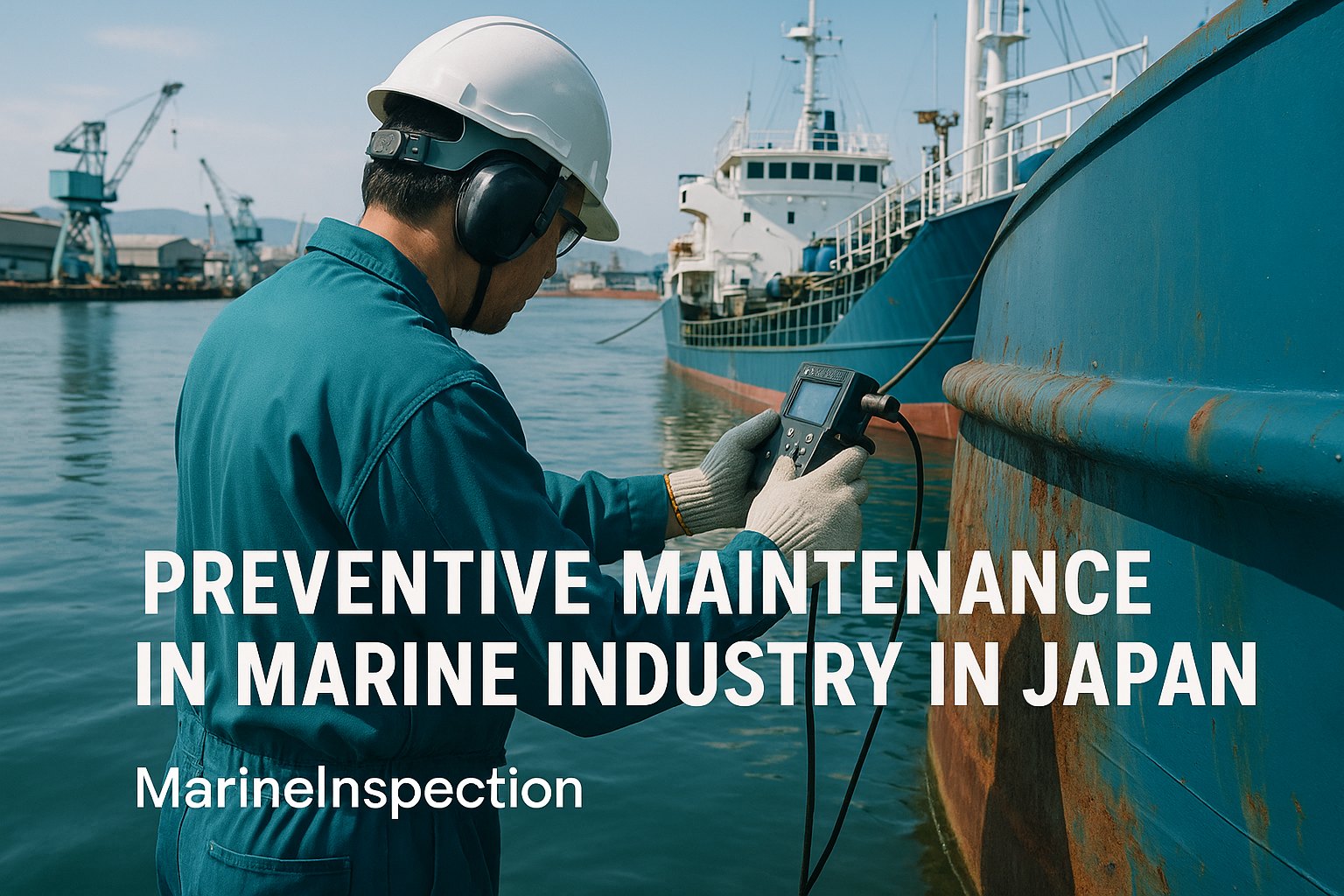
Japan's maritime industry demands exceptionally rigorous preventive maintenance standards, reflecting the nation's commitment to operational excellence and zero-failure philosophy. With over 140 major ports supporting critical Asia-Pacific trade routes, Japanese maritime authorities including ClassNK, the Japan Coast Guard, and Tokyo MOU Port State Control enforce comprehensive preventive maintenance requirements ensuring vessel reliability, safety, and environmental compliance. Effective preventive maintenance programs reduce unplanned downtime by 70%, prevent catastrophic equipment failures, and significantly lower operational costs while ensuring continuous compliance with SOLAS, MARPOL, and domestic Japanese regulations. This guide provides ship operators, chief engineers, marine superintendents, and maintenance professionals with proven strategies to implement world-class preventive maintenance systems meeting Japan's exacting standards and achieving operational excellence in one of the world's most demanding maritime environments.
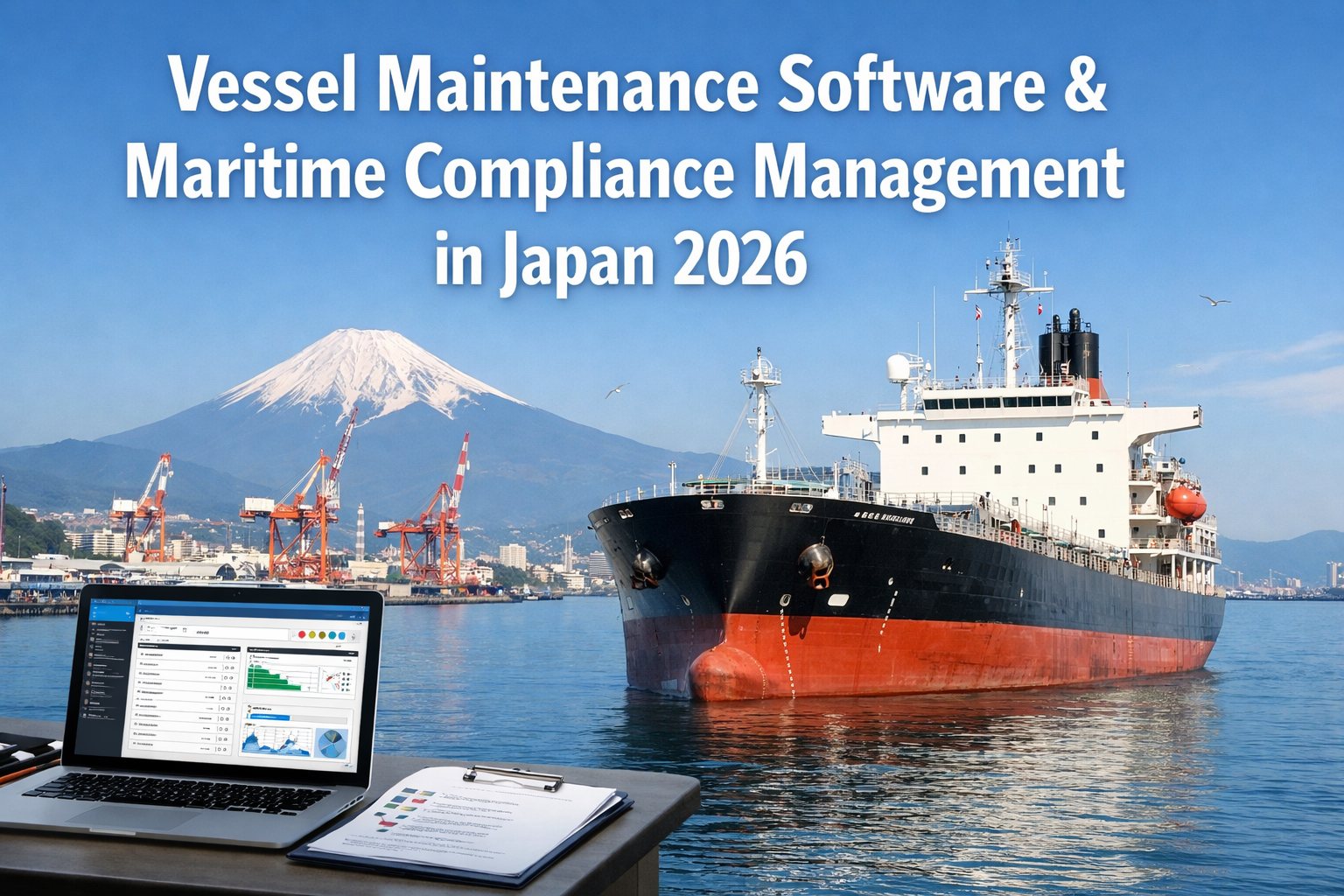
Preventive Maintenance in Marine Industry – Japan Edition
Streamline Your Preventive Maintenance
Implement digital preventive maintenance systems with automated scheduling, detailed checklists, and comprehensive reporting for Japanese maritime operations.
Understanding Preventive Maintenance in Japan's Maritime Industry
Preventive maintenance in Japan's maritime sector encompasses systematic inspection, servicing, and replacement of vessel equipment before failures occur. Japanese maritime authorities emphasize proactive maintenance demonstrating commitment to operational reliability and continuous improvement. Our platform automates preventive maintenance scheduling ensuring comprehensive coverage and regulatory compliance.
Main Engine Systems
Critical PriorityComprehensive engine maintenance ensuring optimal performance, fuel efficiency, and regulatory compliance.
Electrical & Auxiliary Systems
High PriorityElectrical system maintenance preventing power failures and ensuring equipment reliability.
Safety & LSA Equipment
Critical PriorityLife-saving and safety equipment maintenance meeting SOLAS and ClassNK requirements.
Navigation & Communication
High PriorityNavigation equipment calibration ensuring safe passage through Japanese waters.
Comprehensive Maintenance Schedule Framework
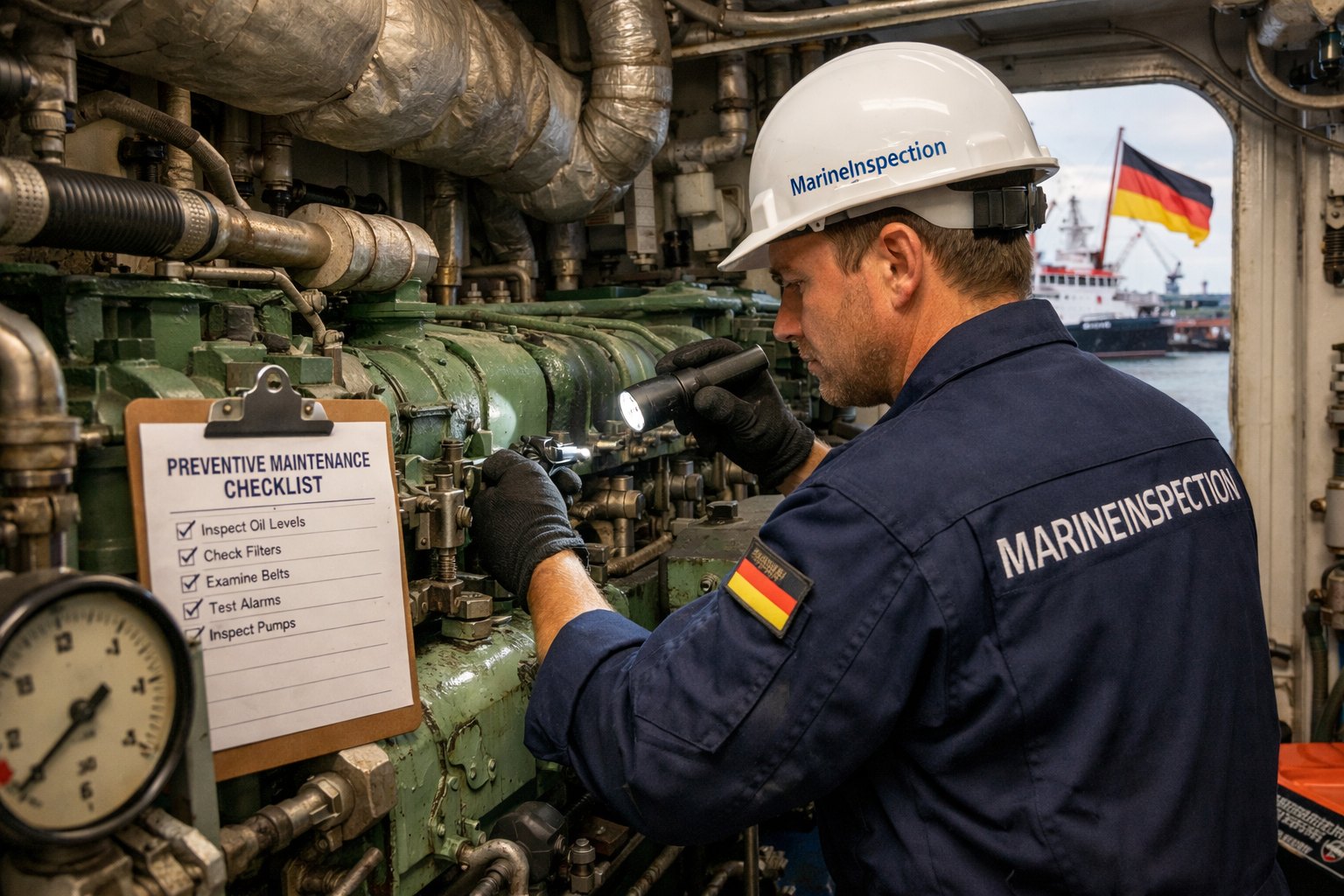
Effective preventive maintenance requires systematic scheduling based on running hours, calendar time, and equipment condition monitoring. Japanese operations demand meticulous documentation demonstrating adherence to manufacturer recommendations and ClassNK guidelines.
| Maintenance Type | Frequency | Key Activities | Priority |
|---|---|---|---|
|
Daily Checks
Routine monitoring
|
Every Day | Engine room rounds, oil levels, cooling water, bilge monitoring, safety equipment visual checks | Critical |
|
Weekly Maintenance
Operational verification
|
Every Week | Emergency generator testing, fire pump operation, lifeboat davit lubrication, battery checks | High |
|
Monthly Inspections
Detailed examination
|
Every Month | LSA equipment inspection, fire detection system tests, navigation equipment checks, pump performance | High |
|
Quarterly Service
Comprehensive maintenance
|
Every 3 Months | Main engine overhaul planning, auxiliary system servicing, structural inspections, valve testing | Medium |
|
Annual Overhaul
Major maintenance
|
Yearly | Life raft servicing, EPIRB battery replacement, major equipment overhaul, tank cleaning, surveys | Critical |
|
Running Hours Based
Condition-driven
|
Variable | Engine overhauls (8,000-16,000 hrs), turbocharger servicing, propeller polishing, hull cleaning | High |
5-Step Preventive Maintenance Workflow
Planning & Scheduling
Develop comprehensive maintenance calendar based on manufacturer guidelines, running hours, and regulatory requirements.
Execution & Documentation
Perform scheduled maintenance following detailed checklists with photographic evidence and comprehensive record-keeping.
Performance Monitoring
Track equipment condition through oil analysis, vibration monitoring, temperature readings, and performance parameters.
Analysis & Optimization
Review maintenance effectiveness, identify trends, and adjust schedules based on equipment performance data.
Continuous Improvement
Implement lessons learned, update procedures, enhance efficiency, and maintain regulatory compliance excellence.
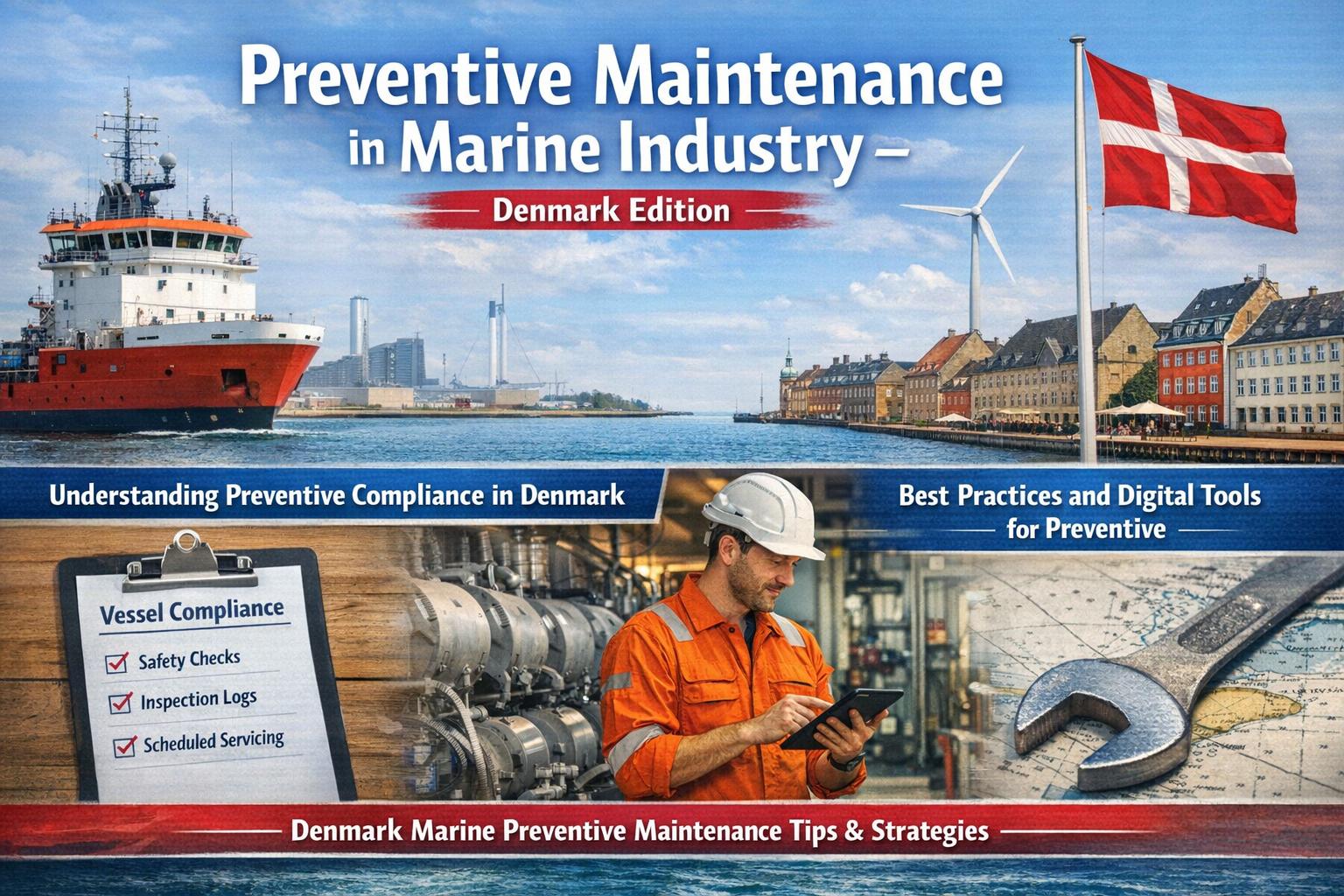
Best Practices and Digital Tools for Preventive Maintenance
Japanese maritime operations value systematic approaches demonstrating commitment to excellence. Our digital platform streamlines preventive maintenance with automated scheduling, comprehensive checklists, and inspection-ready documentation meeting Japanese standards.
Digital PMS Implementation
Deploy comprehensive Planned Maintenance System with automated scheduling and intelligent tracking.
- Automated Scheduling: Running hours & calendar-based alerts
- Digital Checklists: Step-by-step procedures with photos
- Spare Parts Management: Inventory tracking & reorder alerts
- Compliance Reporting: ClassNK & PSC inspection-ready documentation
Condition-Based Monitoring
Implement predictive maintenance using real-time equipment condition monitoring.
- Oil Analysis Programs: Wear metals & contamination trending
- Vibration Monitoring: Bearing condition & alignment checks
- Thermal Imaging: Electrical connection & insulation assessment
- Performance Tracking: Fuel consumption & efficiency monitoring
Documentation Excellence
Maintain comprehensive records demonstrating systematic maintenance philosophy.
- Photo Documentation: Before/after evidence for all work
- Detailed Logbooks: Complete maintenance history tracking
- Calibration Records: Equipment accuracy verification
- Digital Archives: Instant retrieval for inspections
Crew Competency Development
Ensure crew possess skills and knowledge for effective preventive maintenance execution.
- Technical Training: Equipment-specific maintenance procedures
- Safety Protocols: Lockout/tagout & permit systems
- Quality Standards: Japanese precision & attention to detail
- Continuous Learning: Updates on new technologies & methods
Spare Parts Strategy
Optimize spare parts inventory ensuring availability while minimizing capital investment.
- Critical Parts Identification: Long lead-time components
- Inventory Optimization: Balance availability vs. cost
- Supplier Relationships: Japanese quality parts sourcing
- Digital Tracking: Usage patterns & reorder automation
Root Cause Analysis
Investigate failures systematically to prevent recurrence and improve reliability.
- Failure Investigation: Systematic problem identification
- Corrective Actions: Permanent solutions implementation
- Knowledge Sharing: Fleet-wide lessons learned
- Procedure Updates: Continuous improvement cycle
Cost Analysis: Preventive vs. Reactive Maintenance
Preventive Maintenance Investment
Annual systematic maintenance costs per vessel
Key Benefits
- ✓ 70% reduction in unplanned downtime
- ✓ Extended equipment lifespan (30-50%)
- ✓ Improved fuel efficiency (5-10%)
- ✓ Perfect compliance record
Reactive Maintenance Consequences
Typical failure-driven maintenance costs
Additional Consequences
- ✗ Unpredictable operational disruptions
- ✗ Shortened equipment lifespan
- ✗ Safety hazards & crew morale impact
- ✗ Compliance failures & penalties
ROI Analysis
Preventive maintenance costs 60% LESS than reactive approaches while delivering 95%+ equipment reliability. Digital tools reduce administrative burden by 70% and improve maintenance quality by 40%.
Japan-Specific Maintenance Requirements
ClassNK Documentation Standards
Japanese classification society expects comprehensive maintenance records demonstrating systematic care and professional vessel management.
- Detailed logbook entries with dates, findings, actions taken
- Photographic evidence of maintenance activities
- Running hours tracking for condition-based maintenance
- Spare parts consumption and inventory records
- Calibration certificates for measuring equipment
Tokyo MOU PSC Expectations
Port State Control inspectors assess maintenance philosophy through equipment condition, cleanliness, and documentation organization.
- Exceptional engine room cleanliness and organization
- Equipment labels and operation instructions clearly visible
- Maintenance schedules accessible and up-to-date
- Evidence of planned versus reactive maintenance approaches
- Crew familiarity with equipment operation and maintenance
Quality & Precision Standards
Japanese maritime culture emphasizes attention to detail, continuous improvement, and pursuit of perfection in all operations.
- Precise torque specifications and alignment tolerances
- Systematic approach to troubleshooting and problem-solving
- Zero-defect philosophy in maintenance execution
- Continuous improvement mindset (Kaizen approach)
- 5S principles: Sort, Set, Shine, Standardize, Sustain
Approved Service Providers
Utilize Japanese-approved service stations and certified technicians for critical equipment maintenance ensuring quality standards.
- Life raft servicing at approved Japanese facilities
- Navigation equipment calibration by certified providers
- Fire equipment servicing meeting JG standards
- Engine manufacturer authorized service centers
- Documentation from recognized service providers
Frequently Asked Questions
What is preventive maintenance and why is it critical for vessels operating in Japan?
Preventive maintenance encompasses systematic inspection, servicing, and replacement of vessel equipment before failures occur, based on manufacturer recommendations, running hours, calendar time, and condition monitoring. For Japanese operations, preventive maintenance is critical because Japanese maritime authorities including ClassNK and Tokyo MOU Port State Control evaluate vessel management philosophy through maintenance system effectiveness. Well-maintained vessels demonstrate professional operation, reduce unplanned downtime by 70%, prevent catastrophic failures, ensure continuous regulatory compliance, and significantly lower long-term operational costs. Japanese maritime culture values systematic approaches demonstrating commitment to excellence and continuous improvement, making comprehensive preventive maintenance programs essential for successful operations.
How does preventive maintenance differ from reactive maintenance approaches?
Preventive maintenance involves scheduled, systematic servicing before failures occur, while reactive maintenance responds to equipment breakdowns after they happen. Preventive approaches cost 60% less than reactive maintenance, reduce unplanned downtime by 70%, extend equipment lifespan by 30-50%, improve operational efficiency, and ensure regulatory compliance. Reactive maintenance results in: emergency repairs costing 3-5x normal prices, expensive unplanned downtime ($50K-100K per day), safety hazards from unexpected failures, charter party breaches and penalties, and PSC detention risks. Japanese operations strongly favor preventive approaches demonstrating professional vessel management and systematic safety culture. Digital PMS platforms automate preventive maintenance scheduling eliminating reactive approaches.
What maintenance documentation do Japanese authorities expect during PSC inspections?
Japanese Port State Control inspectors expect comprehensive documentation demonstrating systematic maintenance philosophy: detailed logbooks showing dates, findings, and corrective actions taken; photographic evidence of maintenance work performed; running hours records for condition-based maintenance scheduling; equipment calibration certificates with validity dates; spare parts consumption tracking and inventory management; manufacturer's maintenance manuals readily accessible; planned maintenance system schedules showing adherence; oil analysis reports and trending data; crew training records for maintenance procedures; and organized filing systems enabling instant retrieval. Documentation should demonstrate planned preventive approaches rather than reactive emergency repairs, reflecting professional vessel management meeting Japanese quality standards.
How can digital tools improve preventive maintenance management for Japanese operations?
Digital Planned Maintenance Systems revolutionize maintenance management through: automated scheduling based on running hours and calendar time preventing missed services; comprehensive digital checklists with step-by-step procedures ensuring consistency; photo documentation capabilities providing visual evidence for inspections; spare parts inventory tracking with automated reorder alerts; maintenance history databases enabling trend analysis and optimization; compliance reporting generating inspection-ready documentation; mobile accessibility allowing real-time updates from engine room; and performance monitoring dashboards providing management visibility. Our platform specifically supports Japanese operations with ClassNK documentation standards, Tokyo MOU inspection preparation, and organized record-keeping meeting Japanese precision requirements. Digital systems reduce administrative burden 70% while improving maintenance quality 40%.
What are critical components requiring preventive maintenance priority?
Critical priority components include: main propulsion engines requiring systematic oil analysis, cylinder inspections, and overhauls at manufacturer-specified intervals; auxiliary generators needing load testing, cooling system maintenance, and fuel injection servicing; life-saving equipment demanding monthly inspections and annual servicing at approved stations; fire detection and suppression systems requiring weekly testing and calibration verification; navigation equipment needing chart updates, radar calibration, and communication system checks; steering gear requiring hydraulic oil analysis and operational testing; emergency systems including bilge pumps, fire pumps, and emergency generators; and electrical systems demanding connection tightening, insulation testing, and battery maintenance. Priority determination considers safety criticality, failure consequences, regulatory requirements, and operational impact ensuring resource optimization.
How does condition-based monitoring enhance preventive maintenance effectiveness?
Condition-based monitoring optimizes maintenance timing through actual equipment condition rather than fixed schedules: oil analysis revealing wear patterns and contamination before damage occurs; vibration monitoring detecting bearing deterioration and alignment issues early; thermal imaging identifying electrical connection problems and insulation breakdown; performance trending showing efficiency degradation requiring attention; and pressure/temperature monitoring indicating system health changes. This approach prevents premature servicing (reducing costs), identifies developing problems before failures, optimizes spare parts inventory needs, extends equipment lifespan through timely interventions, and provides objective data supporting maintenance decisions. Combining scheduled preventive maintenance with condition monitoring achieves optimal reliability, cost-effectiveness, and compliance meeting Japanese operational excellence standards.
Transform Your Maintenance Management Today
Join leading shipping companies achieving 95%+ equipment reliability with comprehensive preventive maintenance systems designed for Japanese maritime excellence standards.