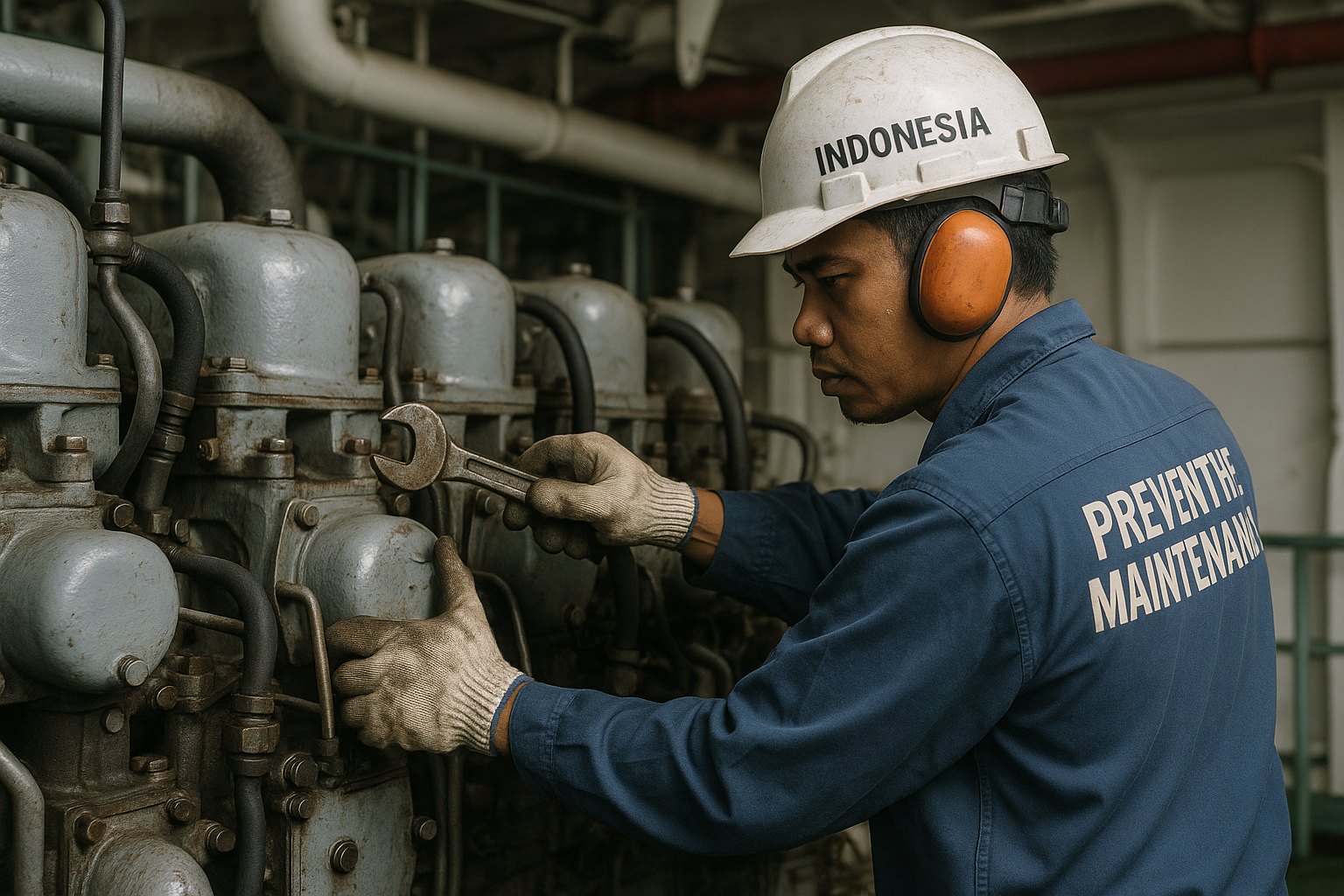
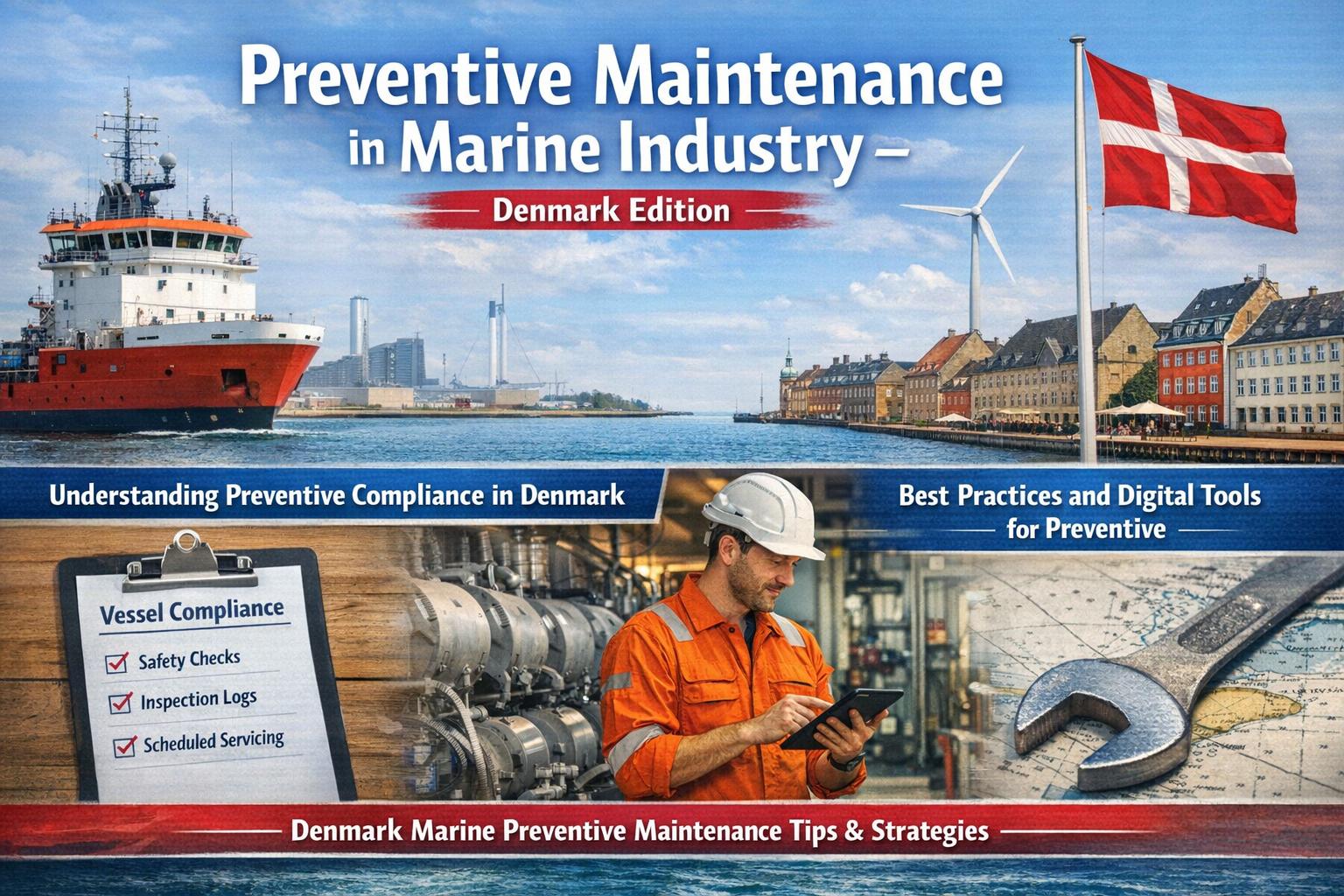
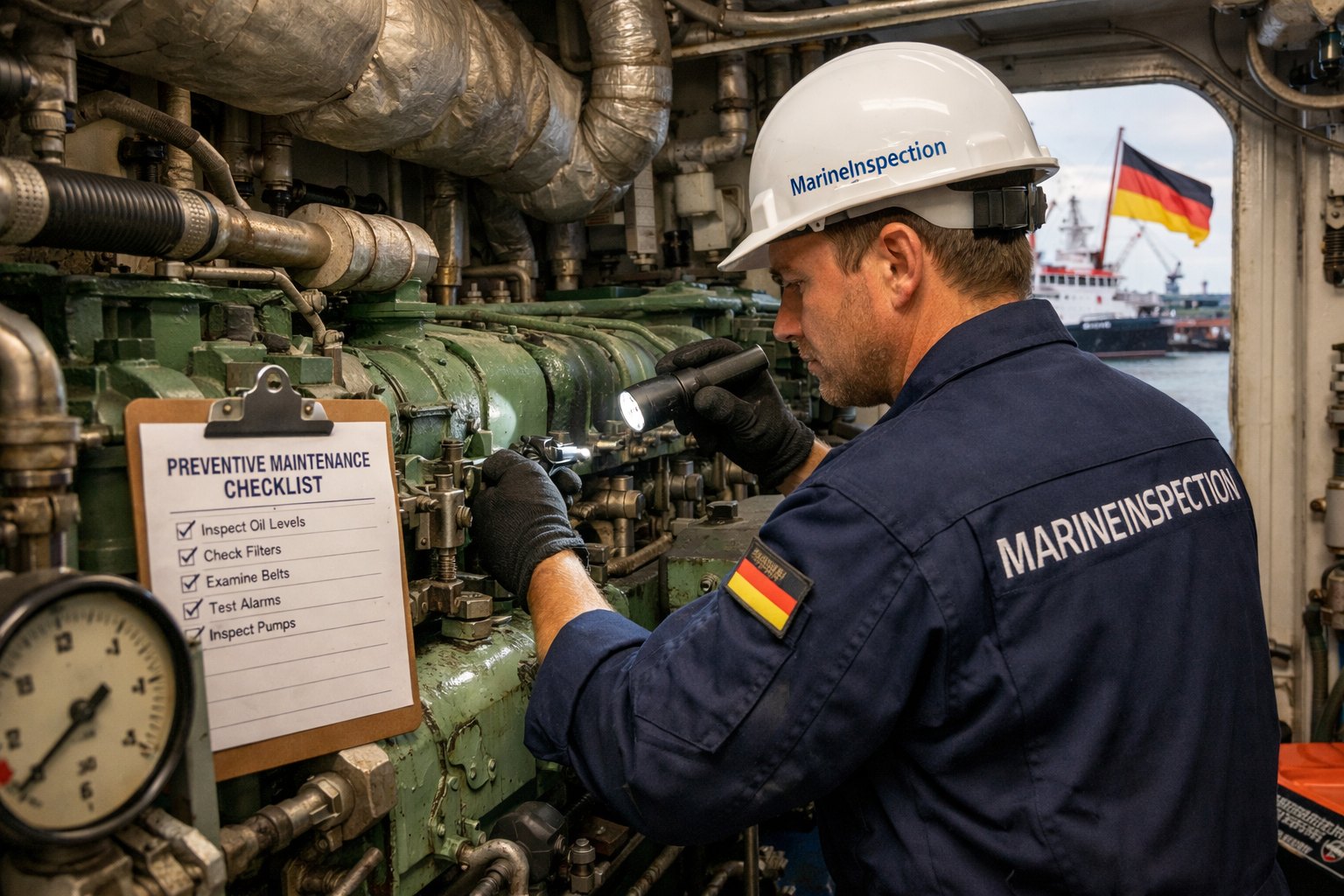
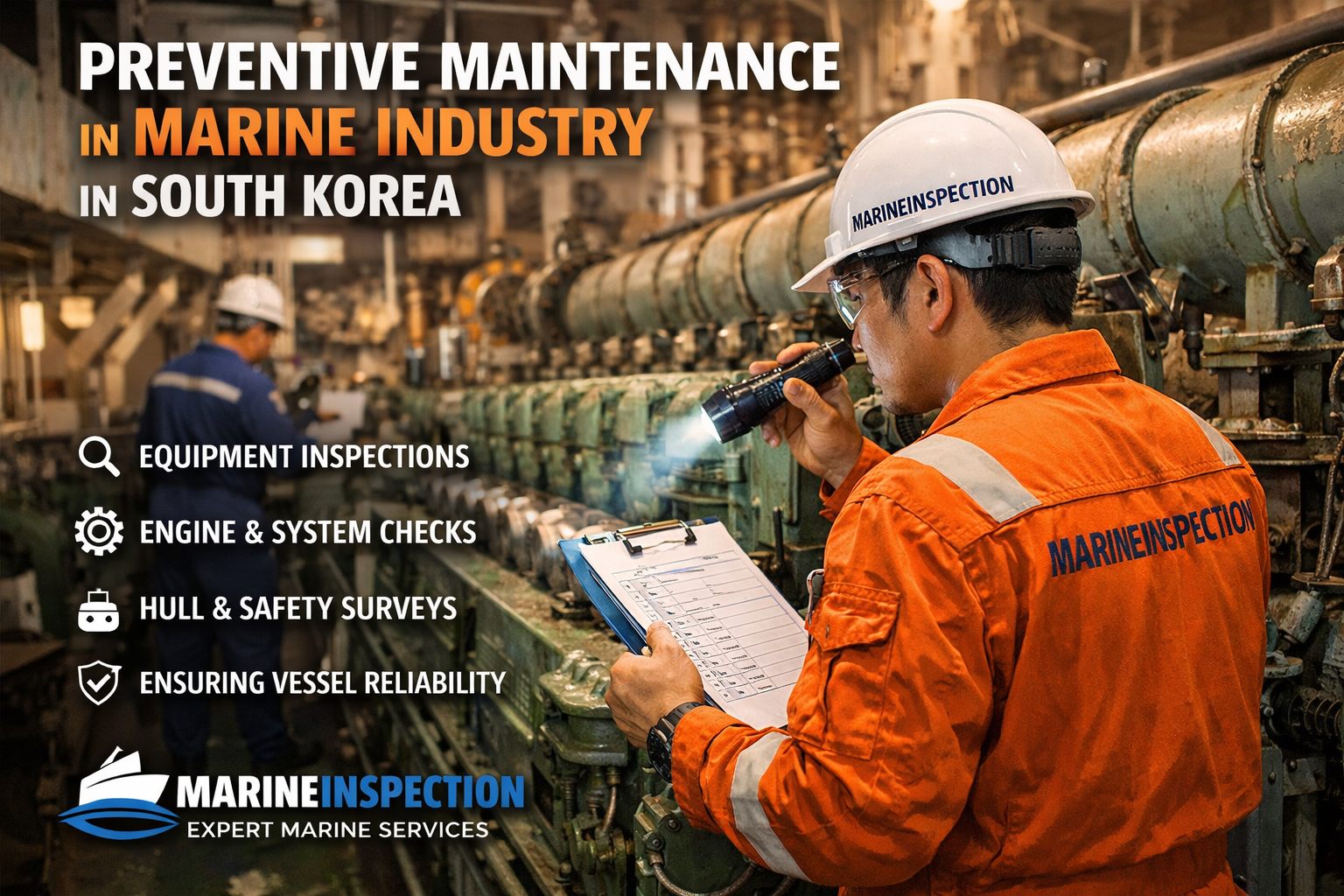
Implementing effective preventive maintenance programs in Indonesia's challenging maritime environment can mean the difference between reliable vessel operations across the world's largest archipelago and catastrophic breakdowns costing $50,000-$150,000 per incident in emergency repairs, lost charter revenue, and operational delays. With the Directorate General of Sea Transportation (DGST) enforcing International Safety Management (ISM) Code requirements across all commercial vessels and Tokyo MOU Port State Control inspectors identifying maintenance-related deficiencies as leading causes of vessel detentions, establishing comprehensive preventive maintenance programs has become critical for vessel operators, ship managers, and maritime service providers serving Indonesia's 17,000+ island nation.
This comprehensive guide eliminates the complexity from marine preventive maintenance in Indonesia, providing proven strategies that reduce unplanned breakdowns by 75-85%, extend equipment lifespan by 35-50%, and generate annual savings of $175,000-$425,000 per vessel through optimized maintenance management. More importantly, it addresses the unique challenges of operating across Indonesia's vast archipelago where spare parts availability, qualified service technicians, and drydock capacity vary significantly between major ports and remote locations.
Impact of Proper Preventive Maintenance in Indonesia
85%
Reduction in Breakdowns
$425K
Annual Savings Per Vessel
50%
Extended Equipment Life
92%
PSC Compliance Rate
Ready to Optimize Your Preventive Maintenance Program?
Our platform offers comprehensive marine inspection services — implement professional maintenance protocols that ensure Indonesia maritime compliance and operational excellence.
Start Your Free Trial Today
Understanding Preventive Maintenance Compliance in Indonesia
Indonesia's maritime regulatory framework mandates comprehensive preventive maintenance programs through ISM Code implementation, classification society requirements, and DGST regulations governing vessel safety and seaworthiness. The Ministry of Transportation enforces these requirements through port state control inspections, flag state surveys, and annual safety audits verifying that vessels maintain systematic planned maintenance programs. Understanding Indonesia's multi-layered maintenance compliance requirements is crucial for vessel operators seeking to maintain operational reliability while avoiding the significant financial penalties, detention costs, and reputational damage associated with maintenance-related failures in the world's largest archipelagic nation. Our platform offers comprehensive marine inspection services with digital maintenance management — sign up today to streamline compliance documentation while optimizing maintenance scheduling across fleets operating in Indonesian waters.
ISM Code Maintenance Requirements
The International Safety Management Code requires documented planned maintenance systems covering all critical vessel equipment with scheduled inspection intervals, defined maintenance procedures, and recorded completion evidence. Indonesia enforces ISM Code compliance rigorously with maintenance-related non-conformities accounting for 15-20% of all PSC deficiencies. Vessels must demonstrate systematic maintenance implementation through completed work orders, maintenance histories, and evidence of spare parts management. Major ISM maintenance deficiencies trigger expanded inspections potentially leading to detention until corrective actions completed.
Classification Society Standards
Classification societies (BKI for Indonesian-flagged vessels, international societies for foreign flags) establish comprehensive maintenance requirements through class rules governing machinery, hull structures, and safety systems. Maintaining class requires adherence to survey schedules, condition monitoring programs, and documented maintenance procedures. Class suspension due to maintenance failures results in loss of insurance coverage and trading certificates, potentially stranding vessels until comprehensive surveys completed at Indonesian or regional shipyards costing $100,000-$500,000 plus lost operational time.
DGST Regulatory Compliance
The Directorate General of Sea Transportation requires Indonesian-flagged vessels to maintain valid seaworthiness certificates demonstrating adequate maintenance standards. DGST inspectors verify maintenance documentation during annual surveys and random inspections at Indonesian ports. Maintenance deficiencies affecting vessel safety trigger certificate suspension preventing commercial operations until rectification completed. Foreign-flagged vessels face PSC inspections verifying flag state maintenance requirements meet international standards acceptable to Indonesian authorities.
Environmental Equipment Maintenance
MARPOL compliance requires systematic maintenance of environmental protection equipment including oily water separators, sewage treatment plants, incinerators, and ballast water management systems. Indonesia enforces strict environmental standards particularly near marine protected areas and coral reef ecosystems. Environmental equipment failures result in IDR 1 billion-10 billion ($70,000-$700,000) penalties plus potential criminal prosecution. Preventive maintenance programs must prioritize environmental systems to prevent catastrophic compliance failures affecting Indonesia's extensive marine biodiversity.
Critical Warning:
Indonesia's maritime environment presents unique maintenance challenges including high humidity accelerating corrosion, tropical marine growth requiring frequent hull maintenance, and varying service provider capabilities across the archipelago. Vessels operating extensively in Indonesian waters experience 25-40% higher maintenance demands compared to temperate climate operations. Additionally, spare parts availability varies significantly between major ports (Jakarta, Surabaya, Batam) and regional locations, requiring strategic inventory management and advance planning. Always factor Indonesia's environmental conditions and logistical challenges into maintenance planning.
Essential Preventive Maintenance Components
Successful preventive maintenance programs in Indonesia require systematic attention to all critical vessel systems with schedules adapted for tropical operating conditions and service provider availability across the archipelago. Based on analysis of vessel operations in Indonesian waters and maintenance-related PSC deficiencies, these components represent the highest-priority areas requiring comprehensive preventive maintenance programs. Our platform offers comprehensive marine inspection services including structured maintenance checklists — create your free account now to ensure consistent coverage of all critical systems while documenting compliance for regulatory inspections.
1. Main Propulsion System Maintenance
-
✓
Main engine maintenance per manufacturer schedules including cylinder liner inspections, piston ring replacement, and bearing condition monitoring
-
✓
Turbocharger maintenance with regular cleaning, bearing inspection, and performance monitoring accounting for Indonesian fuel quality variations
-
✓
Fuel system maintenance including purifier servicing, injector testing, and fuel treatment system operation critical for varying Indonesian fuel standards
-
✓
Propeller shaft and stern tube maintenance with seal inspections and lubrication system verification
-
✓
Governor and control system maintenance ensuring reliable engine response during archipelagic navigation maneuvering
2. Auxiliary Machinery Systems
-
✓
Auxiliary generator maintenance with load testing, voltage regulation verification, and automatic changeover system testing
-
✓
Emergency generator testing monthly with automatic start verification and load acceptance within required timeframes
-
✓
Air compressor maintenance including valve overhauls, intercooler cleaning, and unloader mechanism verification
-
✓
Purifier and separator maintenance critical for fuel and lubricating oil quality in tropical conditions
-
✓
Freshwater generator maintenance ensuring adequate potable water production during extended archipelagic voyages
3. Steering and Deck Machinery
-
✓
Steering gear maintenance including hydraulic system servicing, ram seal inspection, and emergency steering system testing
-
✓
Anchor windlass maintenance with brake testing, clutch inspection, and motor load verification
-
✓
Mooring winch maintenance ensuring reliable operation at Indonesian ports with varying berthing conditions
-
✓
Crane and cargo handling equipment maintenance meeting Indonesian port safety requirements
-
✓
Hatch cover maintenance including seal inspection and weathertightness testing critical for monsoon season operations
4. Safety Systems Maintenance
-
✓
Fire detection system maintenance with sensor testing, panel verification, and alarm functionality confirmation
-
✓
Fixed fire-fighting system maintenance including CO2/foam system inspections, cylinder weighing, and release mechanism testing
-
✓
Fire pump maintenance with capacity testing and emergency fire pump weekly operation verification
-
✓
Lifeboat and launching gear maintenance with davit operation testing and winch brake verification
-
✓
Life raft servicing coordination with approved service stations in Jakarta, Surabaya, Batam, or Singapore
5. Navigation and Communication Equipment
-
✓
ECDIS maintenance with software updates and Indonesian ENC chart coverage verification for archipelagic navigation
-
✓
Radar maintenance including magnetron replacement scheduling and performance monitor verification
-
✓
GMDSS equipment maintenance ensuring reliable emergency communications across Indonesia's vast maritime territory
-
✓
AIS transponder maintenance with transmission verification and data accuracy confirmation
-
✓
Voyage data recorder (VDR) maintenance with annual performance testing and data backup verification
6. Hull and Structural Maintenance
-
✓
Hull coating maintenance with underwater inspections and anti-fouling system effectiveness monitoring critical for tropical waters
-
✓
Cathodic protection system maintenance including anode replacement and impressed current system verification
-
✓
Ballast tank maintenance with coating inspection and corrosion monitoring programs
-
✓
Watertight door and closure maintenance ensuring structural integrity verification
-
✓
Deck coating and non-skid surface maintenance for crew safety in tropical rain conditions
7. Environmental Protection Equipment
-
✓
Oily water separator maintenance with 15 ppm alarm calibration and filter element replacement schedules
-
✓
Sewage treatment plant maintenance meeting discharge standards for Indonesian coastal waters
-
✓
Ballast water treatment system maintenance ensuring compliance with Indonesia's BWM Convention enforcement
-
✓
Incinerator maintenance with temperature monitoring and emission control system verification
-
✓
Exhaust gas cleaning system (scrubber) maintenance if installed for sulfur emission compliance
Best Practices and Digital Tools for Preventive Maintenance
Modern preventive maintenance management in Indonesia requires integration of our platform that offers comprehensive marine inspection services and digital planned maintenance systems — register for instant access with proven maintenance methodologies to ensure comprehensive coverage, efficient resource utilization, and continuous improvement across Indonesia's challenging operating environment. Implementing digital solutions reduces maintenance planning time by 45-60%, improves spare parts inventory optimization by 40%, and enables condition-based maintenance strategies preventing 70% of unexpected equipment failures while operating across the archipelago's diverse port network.
60%
Reduced Planning Time
Digital Preventive Maintenance Platform Implementation:
-
✓
Our platform offers comprehensive marine inspection services with planned maintenance systems featuring automated work order generation based on running hours, calendar intervals, and condition triggers
-
✓
Mobile maintenance applications enabling real-time job completion recording with photographic evidence and digital signatures
-
✓
Spare parts inventory management with automatic reorder triggers and supplier integration for Indonesian and international sources
-
✓
Equipment history tracking providing comprehensive maintenance records for class surveys and PSC inspections
-
✓
Condition monitoring integration enabling predictive maintenance based on vibration analysis, oil analysis, and thermography
-
✓
Offline functionality essential for operations in Indonesian waters with limited connectivity and automatic synchronization
Indonesia-Specific Maintenance Considerations
Operating in Indonesia's unique maritime environment presents specific preventive maintenance challenges requiring specialized strategies and local knowledge. Understanding these Indonesia-specific considerations enables optimized maintenance planning that accounts for environmental factors, service provider capabilities, and logistical challenges across the world's largest archipelagic nation.
Tropical Climate Considerations
Indonesia's tropical maritime climate accelerates corrosion, marine growth, and equipment degradation requiring adjusted maintenance intervals. High humidity affects electrical systems requiring enhanced insulation monitoring and more frequent contact cleaning. Hull fouling rates in Indonesian waters can be 3-4x higher than temperate regions, impacting fuel efficiency and requiring more frequent underwater cleaning. Maintenance schedules should incorporate 20-30% shorter intervals for corrosion-sensitive components and humidity-affected electrical systems.
Spare Parts Logistics
Spare parts availability varies significantly across Indonesia with major ports (Jakarta, Surabaya, Batam) offering reasonable access while regional ports may require 5-14 day delivery times. Strategic spare parts positioning at key Indonesian ports reduces breakdown response time by 60-70%. Critical spares should be maintained onboard at 150% of normal inventory levels for vessels operating extensively in remote Indonesian waters. Establishing relationships with multiple Indonesian suppliers and Singapore-based distributors ensures supply chain resilience.
Service Provider Capabilities
Technical service capabilities vary significantly across Indonesia. Major equipment manufacturers maintain service centers in Jakarta and Surabaya, while specialized services may require Singapore or regional hub technicians. Shipyard capabilities range from world-class facilities (Batam, Surabaya) to basic repair yards with limited capacity. Planning major maintenance around port calls at locations with adequate service capabilities reduces costs by 30-50% compared to emergency arrangements at unsuitable locations.
Fuel Quality Variations
Indonesian marine fuel quality varies between suppliers and locations, affecting fuel system maintenance requirements. Vessels should maintain enhanced fuel filtration and purification procedures with more frequent filter changes and purifier maintenance. Fuel treatment chemical dosing may require adjustment based on fuel quality testing. Regular fuel system inspections and injector testing prevent fuel-related breakdowns that account for 15-20% of propulsion system failures in Indonesian operations.
Maintenance Scheduling and Planning Strategies
Effective maintenance scheduling for Indonesia operations requires balancing regulatory requirements, equipment manufacturer recommendations, and operational constraints while accounting for service provider availability and port call patterns across the archipelago. Strategic maintenance planning reduces overall costs by 25-40% while improving vessel availability and preventing compliance-related detentions.
Running Hours-Based Scheduling
Critical rotating equipment requires maintenance scheduling based on running hours rather than calendar intervals. Main engine overhauls (8,000-12,000 hours), auxiliary engine services (2,000-4,000 hours), and pump overhauls (4,000-8,000 hours) should be tracked through automated systems. Running hours-based scheduling ensures maintenance occurs at optimal intervals regardless of operational intensity, preventing both premature maintenance costs and extended intervals risking equipment failure.
Calendar-Based Scheduling
Regulatory inspections, certificate renewals, and time-sensitive equipment require calendar-based scheduling regardless of operational status. Life raft servicing (12-17 months), EPIRB battery replacement (5 years), fire extinguisher inspections (annual), and class surveys follow fixed schedules. Integrated maintenance systems should track both running hours and calendar intervals, triggering maintenance based on whichever threshold reached first to ensure comprehensive coverage.
Condition-Based Maintenance
Advanced maintenance strategies incorporate condition monitoring enabling maintenance based on actual equipment condition rather than fixed schedules. Vibration analysis identifies bearing deterioration, oil analysis detects wear particles and contamination, and thermography reveals electrical hot spots and insulation breakdown. Condition-based maintenance reduces unnecessary maintenance by 30-40% while catching developing problems before catastrophic failure, particularly valuable for vessels operating in remote Indonesian waters.
Voyage-Integrated Planning
Maintenance planning should integrate with voyage schedules, positioning major maintenance activities at ports with adequate service capabilities. Extended port stays at Jakarta, Surabaya, or Batam enable complex maintenance impossible during normal cargo operations. Coordinating maintenance with drydocking schedules, class surveys, and regulatory inspections maximizes efficiency while minimizing off-hire time. Voyage-integrated planning reduces maintenance-related delays by 50-65%.
Common Maintenance-Related PSC Deficiencies
Analysis of Indonesian Port State Control data reveals recurring maintenance-related deficiency patterns accounting for significant vessel detentions and compliance failures. Understanding these common deficiencies enables targeted preventive maintenance strategies that reduce PSC findings by 80-88% while demonstrating systematic maintenance implementation to inspectors.
Top 10 Maintenance-Related PSC Deficiencies in Indonesia:
1. Fire safety equipment maintenance deficiencies - fire doors, detection systems, extinguishers - 24% of findings
2. Life-saving appliances maintenance issues - launching gear, davits, release mechanisms - 19% of findings
3. Main and auxiliary machinery deficiencies - engine problems, generator failures - 16% of findings
4. Safety equipment not maintained - emergency lighting, ventilation closures - 12% of findings
5. Navigation equipment maintenance issues - radar, ECDIS, gyrocompass problems - 10% of findings
6. Steering gear maintenance deficiencies - hydraulic leaks, control system issues - 7% of findings
7. Environmental equipment failures - OWS malfunction, sewage plant issues - 5% of findings
8. Hull and structural maintenance issues - corrosion, watertight integrity - 3% of findings
9. Electrical system maintenance deficiencies - insulation breakdown, switchgear issues - 2.5% of findings
10. Communication equipment maintenance failures - GMDSS equipment non-functional - 1.5% of findings
Our platform offers comprehensive marine inspection services with systematic maintenance tracking and compliance management — sign up to prevent these common deficiencies through proactive planning and documentation.
Cost-Benefit Analysis: Professional Maintenance Programs
While professional preventive maintenance programs require investment in personnel, systems, and spare parts inventory, the return on investment proves compelling through breakdown prevention, extended equipment life, and operational efficiency gains. This analysis demonstrates why systematic maintenance management represents one of the highest-value investments in maritime operations serving Indonesian ports.
$425K
Annual Cost Savings
50%
Extended Equipment Life
6.2x
Return on Investment
Drydocking and Major Maintenance Planning
Strategic drydocking planning is essential for vessels operating in Indonesian waters, balancing regulatory requirements with operational schedules and available shipyard capacity. Indonesia offers several shipyard options ranging from world-class facilities to regional yards, with Singapore providing additional capacity for complex requirements. Proper drydocking preparation reduces costs by 20-35% while minimizing off-hire time.
Indonesian Shipyard Options
Major Indonesian shipyards include PT PAL Indonesia (Surabaya) for naval and commercial vessels, Sembcorp Marine Batam for offshore and commercial ships, and various private yards in Jakarta, Surabaya, and Batam regions. Shipyard selection should consider vessel size, work scope, scheduling flexibility, and cost structure. Booking drydock slots 6-12 months advance ensures availability during peak seasons. Indonesian shipyards offer 15-30% cost advantages compared to Singapore for standard maintenance scopes.
Pre-Drydocking Preparation
Comprehensive pre-drydocking preparation includes detailed work scope definition, spare parts procurement and pre-positioning, class surveyor coordination, and vendor/subcontractor arrangements. Vessels should conduct thorough self-inspections 3-6 months before drydocking identifying all required work. Pre-positioned spare parts and confirmed vendor availability reduce drydocking duration by 25-40%. Detailed specification preparation prevents scope creep and cost overruns averaging 15-25% on poorly planned drydockings.
Class Survey Integration
Drydocking should integrate class survey requirements including special survey (5-year), intermediate survey, and annual survey scopes as applicable. Coordinating with classification society surveyors ensures all required inspections completed efficiently during single drydocking period. Survey preparation including tank cleaning, machinery preparation, and documentation assembly reduces surveyor time and associated costs. Class survey integration prevents multiple drydocking requirements within short periods.
Underwater Maintenance Planning
Hull maintenance requirements for Indonesia operations include complete hull cleaning and coating renewal, propeller polishing or repair, sea chest and sea valve inspection, cathodic protection renewal, and underwater appendage inspection. Indonesian waters' high fouling rates may require enhanced coating specifications or shortened drydocking intervals. Underwater inspection by divers between drydockings monitors coating condition and fouling accumulation, enabling informed drydocking timing decisions.
Implementation Strategy for Maintenance Excellence
Transitioning to optimized preventive maintenance management for Indonesia operations requires systematic implementation across vessel operations and shore-based support. Start by conducting comprehensive equipment criticality assessment identifying systems requiring prioritized maintenance attention based on safety impact, operational importance, and failure consequences in Indonesian operating conditions.
Implement our platform that offers comprehensive marine inspection services including digital planned maintenance systems — join thousands of maritime professionals today for automated work order generation, maintenance history tracking, spare parts inventory management, and compliance reporting capabilities. Systems with offline functionality prove essential for Indonesia's varying connectivity across different ports and anchorages throughout the archipelago. Integration with condition monitoring systems enables predictive maintenance reducing unexpected failures by 70%.
Establish strategic spare parts inventory considering Indonesian logistics challenges. Critical spares should be maintained onboard at elevated levels, with secondary inventory positioned at key Indonesian ports (Jakarta, Surabaya, Batam) enabling rapid deployment. Develop relationships with multiple suppliers including Indonesian distributors, Singapore-based vendors, and manufacturer representatives ensuring supply chain resilience.
Invest in crew training programs covering equipment operation, basic maintenance procedures, troubleshooting techniques, and proper maintenance documentation. Competent crews identify developing problems early, perform effective preventive maintenance, and provide accurate information for maintenance planning decisions. Indonesian maritime training centers offer equipment-specific courses improving maintenance capabilities.
Document all maintenance activities comprehensively including work completed, parts used, measurements taken, and observations recorded. This documentation demonstrates systematic maintenance implementation during PSC inspections and class surveys while providing valuable historical data for maintenance optimization. Comprehensive maintenance records potentially add $200,000-$500,000 to vessel values through demonstrated maintenance excellence.
Transform Your Preventive Maintenance Program Today
Our platform offers comprehensive marine inspection services — join over 5,000 maritime professionals achieving Indonesia regulatory compliance and maximum operational reliability.
Create Your Free Account Now
No credit card required • Setup in under 5 minutes • Full support included
Q1: What are the key ISM Code requirements for planned maintenance systems?
ISM Code requires documented planned maintenance systems covering all equipment critical to vessel safety and environmental protection. Requirements include defined maintenance intervals based on manufacturer recommendations and operational experience, documented procedures for each maintenance activity, records demonstrating maintenance completion within specified intervals, spare parts management ensuring availability of critical components, and systems for reporting and analyzing equipment failures. Indonesian PSC inspectors verify PMS implementation through record reviews, crew interviews about maintenance procedures, and physical inspection of maintained equipment. Non-conformities in maintenance system implementation account for 15-20% of ISM-related deficiencies, making comprehensive PMS essential for compliance.
Q2: How should we adjust maintenance intervals for Indonesian tropical conditions?
Indonesia's tropical maritime environment accelerates equipment degradation requiring adjusted maintenance intervals. Recommended adjustments include 20-30% shorter intervals for corrosion-sensitive components, enhanced electrical system maintenance with more frequent insulation testing and contact cleaning, hull cleaning at 50-75% of normal intervals due to accelerated fouling, air conditioning and refrigeration systems requiring more frequent servicing, and fuel system maintenance increased frequency due to varying fuel quality. Condition monitoring should supplement calendar/running hours scheduling to optimize intervals based on actual equipment condition. Digital maintenance systems enable flexible interval adjustment based on operating conditions while maintaining compliance documentation.
Q3: What spare parts inventory strategy works best for Indonesia operations?
Effective spare parts strategy for Indonesia operations requires multi-tier inventory positioning. Onboard inventory should include critical spares at 150% of normal levels for vessels operating in remote Indonesian waters, covering items that would cause operational stoppage if unavailable. Shore-based inventory at key Indonesian ports (Jakarta, Surabaya, Batam) provides secondary coverage with 24-48 hour delivery capability. Singapore-based suppliers offer comprehensive inventory with reliable delivery throughout Indonesia. Establish relationships with multiple suppliers ensuring supply chain resilience. Digital inventory management with automatic reorder triggers prevents stockouts while optimizing inventory investment. Strategic positioning reduces breakdown response time by 60-70% compared to reactive procurement.
Q4: How do we select appropriate shipyards for drydocking in Indonesia?
Shipyard selection for Indonesian drydocking should consider vessel dimensions and draft requirements, available drydock or floating dock capacity, shipyard technical capabilities matching work scope complexity, scheduling flexibility and availability, cost structure and payment terms, quality management systems and past performance, proximity to spare parts suppliers and technical services, and class surveyor availability. Major options include PT PAL Indonesia (Surabaya), Sembcorp Marine Batam, and various private yards. Site visits before commitment verify capabilities and conditions. Indonesian yards offer 15-30% cost advantages for standard scopes, while complex work may warrant Singapore facilities. Book slots 6-12 months advance during peak seasons.
Q5: What documentation is required to demonstrate maintenance compliance during PSC inspections?
PSC inspectors require comprehensive maintenance documentation including planned maintenance system showing scheduled intervals and completion status, work orders with detailed job descriptions and completion records, equipment running hour logs correlating with maintenance schedules, spare parts records showing inventory and usage, oil analysis reports demonstrating condition monitoring, manufacturer service bulletins and compliance evidence, class survey reports with recommendations and completion evidence, and certificates for serviced equipment (life rafts, fire extinguishers, etc.). Digital maintenance systems should generate inspection-ready reports demonstrating systematic maintenance implementation. Well-organized documentation reduces inspection duration by 35-45% while demonstrating professional maintenance management to inspectors.
Q6: How can condition monitoring improve maintenance effectiveness in Indonesia?
Condition monitoring enables maintenance based on actual equipment condition rather than fixed schedules, particularly valuable for vessels operating in remote Indonesian waters where unexpected breakdowns create significant operational challenges. Key techniques include vibration analysis detecting bearing deterioration and misalignment, oil analysis identifying wear particles, contamination, and lubricant degradation, thermography revealing electrical hot spots, insulation breakdown, and mechanical friction, and ultrasonic testing detecting leaks, bearing defects, and electrical discharge. Condition monitoring reduces unnecessary maintenance by 30-40% while catching developing problems 2-6 weeks before failure. Implementation costs $15,000-$40,000 annually per vessel but typically generates 4-6x ROI through breakdown prevention and optimized maintenance timing.
Q7: What are the consequences of maintenance-related PSC detentions in Indonesia?
Maintenance-related PSC detentions in Indonesia result in vessel held in port until deficiencies corrected, detention costs averaging $35,000-$85,000 daily including demurrage, berthing fees, and crew expenses, emergency repair costs typically 150-300% higher than planned maintenance, cargo delays affecting commercial relationships and potential claims, enhanced inspection status triggering increased scrutiny at subsequent Indonesian port calls, company performance records affecting overall fleet inspection targeting, and potential class involvement if deficiencies relate to classification requirements. Vessels with maintenance-related detentions face 100% inspection rates for 6-12 months following the detention. Comprehensive preventive maintenance programs prevent 85% of maintenance-related detentions, making systematic maintenance investment far more economical than reactive approaches.
Q8: How should we maintain environmental protection equipment for Indonesia operations?
Environmental equipment maintenance is critical given Indonesia's strict enforcement near marine protected areas and coral reef ecosystems. Oily water separator maintenance includes regular filter replacement, 15 ppm monitor calibration, and separator element cleaning with monthly operation verification. Sewage treatment plant maintenance requires biological culture monitoring, discharge water testing, and UV sterilizer bulb replacement. Ballast water treatment system maintenance follows manufacturer schedules with system functionality testing before Indonesian port arrivals. Incinerator maintenance includes refractory inspection, temperature sensor calibration, and emission monitoring. Environmental equipment failures result in IDR 1 billion-10 billion ($70,000-$700,000) penalties plus potential criminal prosecution, making proactive maintenance essential.
Q9: What role does crew competency play in preventive maintenance success?
Crew competency directly impacts preventive maintenance effectiveness through proper equipment operation reducing wear and extending intervals, early problem identification enabling proactive response, quality maintenance execution following correct procedures, accurate documentation supporting compliance demonstration, and effective troubleshooting minimizing external service requirements. Training programs should cover equipment-specific operation and maintenance, proper use of maintenance tools and test equipment, documentation requirements and procedures, basic troubleshooting techniques, and safety procedures for maintenance activities. Indonesian maritime training centers offer equipment-specific courses. Investing $5,000-$15,000 annually in crew training typically reduces maintenance costs by 15-25% while improving PSC inspection outcomes through demonstrated crew competency.
Q10: How do digital PMS systems improve maintenance management for Indonesia operations?
Our platform offers comprehensive marine inspection services with digital planned maintenance systems — start your free trial today for automated work order generation based on running hours, calendar intervals, and condition triggers eliminating missed maintenance. Mobile applications enable real-time job completion recording with photographic evidence. Spare parts inventory management with automatic reorder triggers prevents stockouts. Equipment history tracking provides comprehensive maintenance records for inspections and surveys. Fleet-wide analytics identify maintenance trends and systemic issues across vessels. Critical for Indonesia operations, systems must support offline functionality for varying connectivity with automatic synchronization when connected. Implementation costs $5,000-$12,000 annually per vessel but generates 5-7x ROI through improved planning efficiency, breakdown prevention, and optimized inventory management. Digital systems reduce administrative time by 45-60% while improving documentation quality for PSC and class surveys.