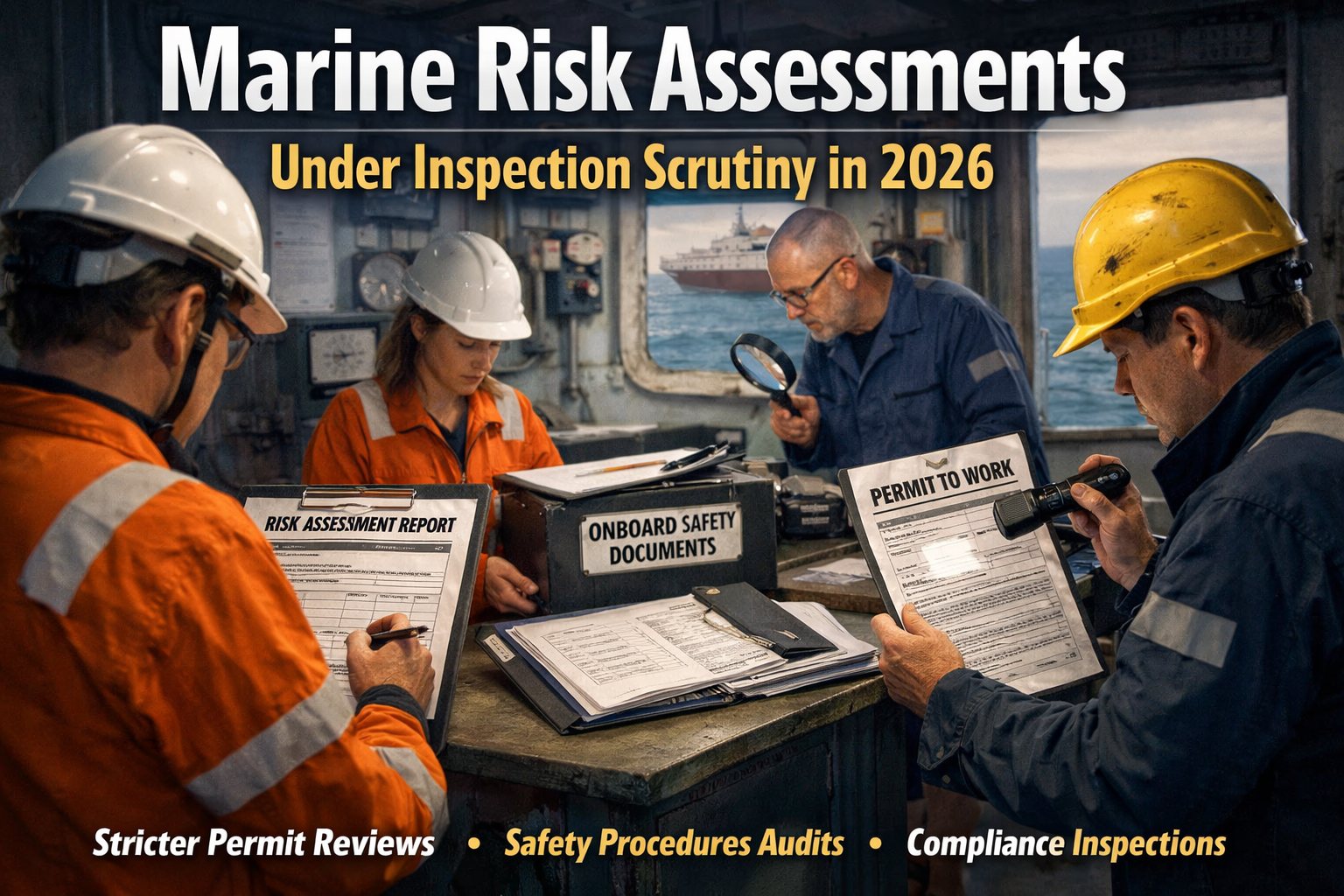
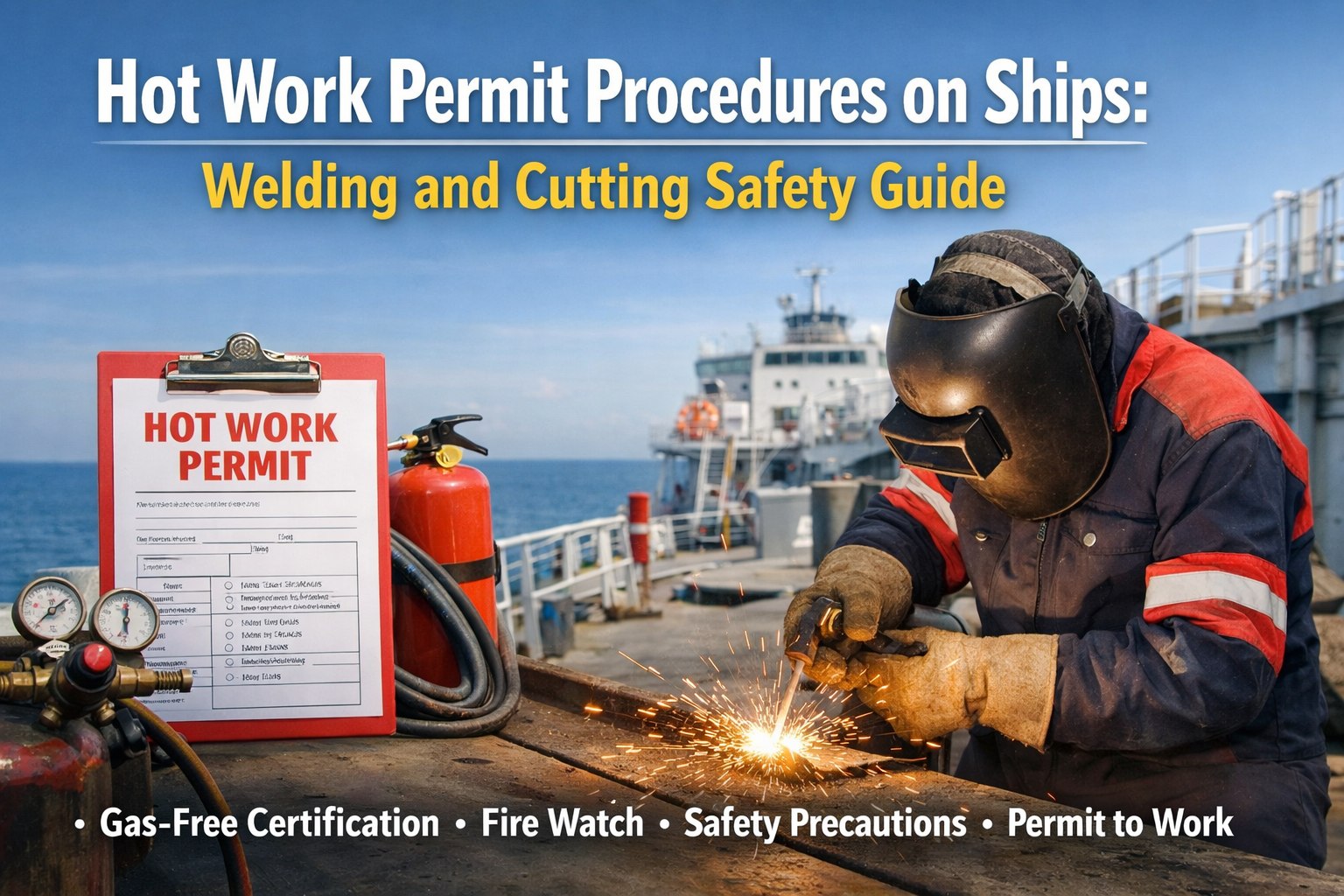
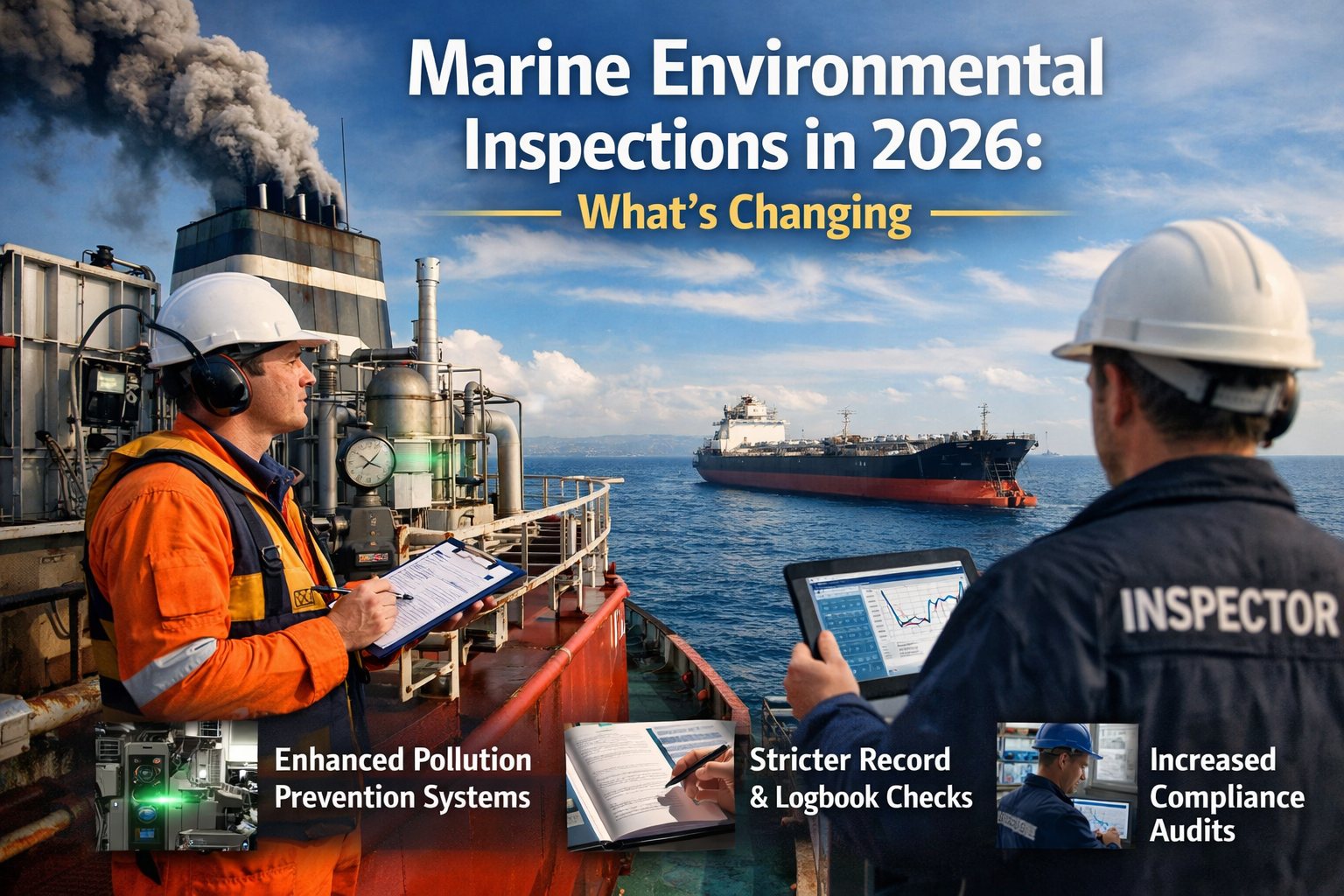
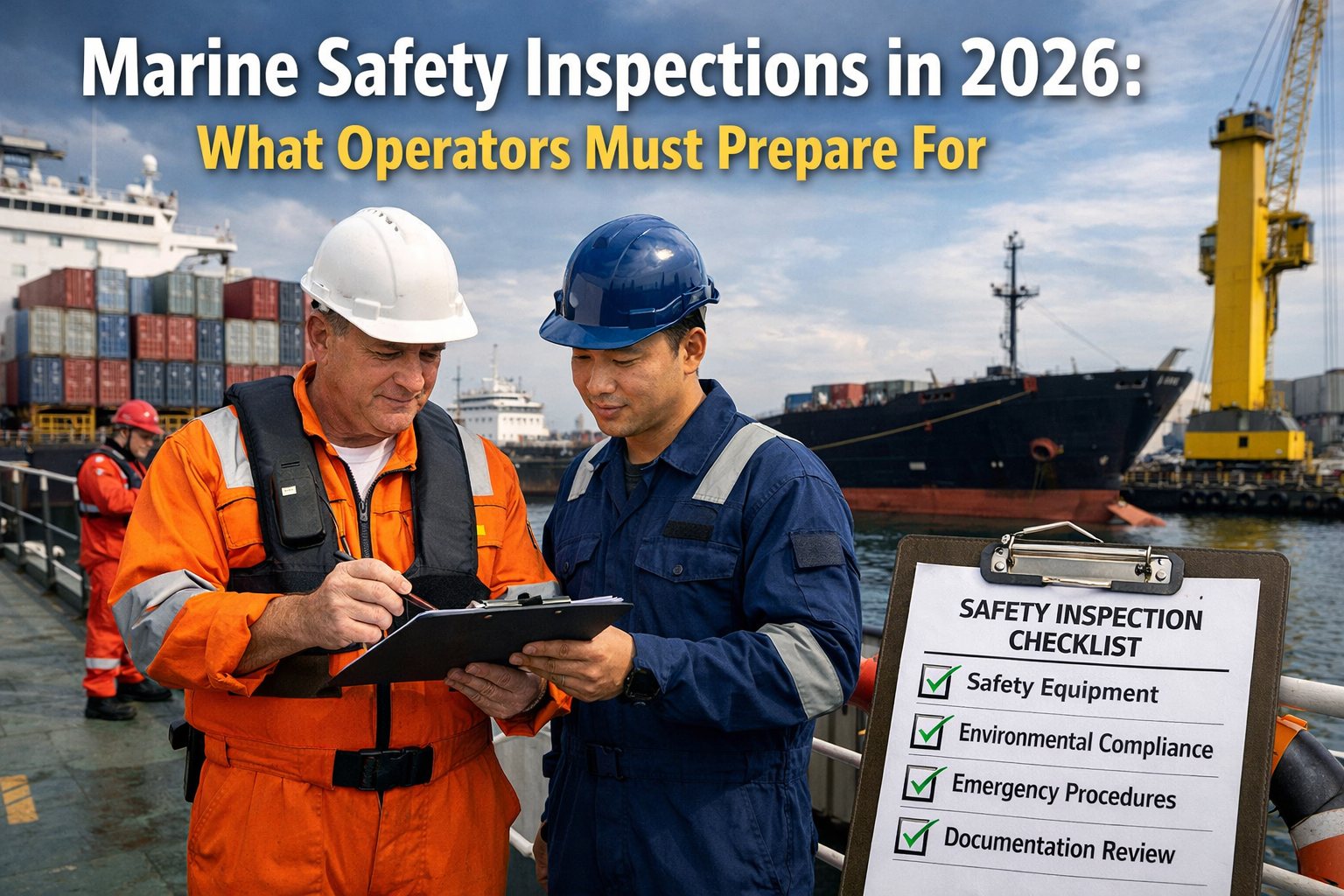
A Singapore chemical tanker discovered that 2026 risk assessment inspections evaluate thinking quality, not form completion. When Paris MoU inspected in Antwerp, they found perfect documentation: all permits signed, hazard checklists completed. Then they asked the AB who did the welding: "Walk me through your hazard identification for hot work near the fuel tank." AB responded: "I just filled out the form like always. Same boxes every time." Inspector questioned the officer: "How did you determine 'gas-free' was adequate versus 'continuous monitoring'?" Officer admitted: "We always use standard precautions. Faster that way." Result: detention for "systematic risk assessment inadequacy." When risk assessment becomes checkbox exercise rather than critical thinking, inspections expose the gap.
2026 Risk Assessment Inspection Reality
Why completed forms don't prove safety thinking
64%
inadequate analysis
Assessments completed without genuine hazard thinking
$82K
avg detention
Cost of systematic risk assessment failures
45 min
crew questioning
Time testing crew assessment understanding
78%
generic precautions
Permits using identical controls regardless of hazards
What Inspectors Actually Evaluate
1
Hazard Identification Quality
Check: Hazards specific to actual task/conditions or generic templates. "Slip/trip hazard" on every permit = checkbox thinking. Prepare: Train task-specific identification considering location, weather, equipment, concurrent operations. Document: "Working at height in strong winds near cargo operations with new crew unfamiliar with equipment."
2
Control Appropriateness
Check: Controls match identified hazards or generic "use PPE" on everything. Prepare: Require specific controls: "Two-person team with full harness attached to tested anchor, wind monitored hourly, work suspended if exceeding 30 knots" not "use fall protection."
3
Crew Understanding
Check: Crew questioned on hazards and precaution rationale. Poor responses = forms completed without understanding. Prepare: Verify understanding before authorizing work. Officers question crew during approval: "Walk me through your analysis." Reject generic permits.
4
Dynamic Risk Management
Check: Whether crew reassess when conditions change. Static permits never modified = rigid compliance not adaptive safety. Prepare: Train continuous reassessment: "Conditions changed—does assessment still apply?" Document all modifications. Celebrate work stoppages for safety.
These areas reveal genuine safety analysis versus compliance ritual. Operators with recurring deficiencies should implement digital permit systems guiding structured hazard analysis and preventing generic precautions.
Risk Assessment vs. Permit to Work
Risk Assessment
Systematic hazard identification and control determination. Done before any non-routine work by person performing with supervisor review. Output: documented hazards and specific required controls.
Permit to Work
Formal authorization confirming controls implemented. Required for high-risk activities: hot work, confined spaces, working aloft, electrical. Authorized officer verifies conditions before signing.
The Connection
Risk assessment INFORMS permit—hazards identified determine controls verified. Common failure: permits completed standalone without underlying analysis. Inspectors identify through crew questioning.
Fleet managers coordinating safety across vessels should schedule a consultation to establish standardized processes demonstrating genuine hazard analysis meeting 2026 standards fleet-wide.
Build Genuine Risk Assessment Capability
Digital systems guide structured hazard analysis, prevent generic precautions, document dynamic risk management.
Common Risk Assessment Failures
❌ Template Completion Without Thinking
Same hazards/precautions on every permit. "Slip/trip" and "use PPE" identical across all work types. Fix: Require task-specific identification. Review random permits monthly. Reject generic analysis.
❌ Generic Control Measures
Controls don't match hazards: "Follow procedures" provides no risk reduction. Fix: Require quantifiable controls: "Gas test every 30 minutes showing <5% LEL" not "monitor atmosphere."
❌ No Dynamic Reassessment
Conditions change but permits never modified. Weather deteriorates, concurrent operations begin—work continues under invalid assessment. Fix: Train to stop when conditions change. Document modifications. Reward work stoppages.
❌ Crew Can't Explain Analysis
Forms completed but crew can't explain hazards or precaution choices. Fix: Officers question crew during approval: "Talk through your analysis." Verify understanding before signing.
45-Day Readiness Protocol
Days 1-15: Assessment
• Review 3 months permits for quality
- Identify generic vs. specific assessments
- Test crew through questioning
- Evaluate control appropriateness
- Document current baseline
Days 16-35: Training
• Train hazard identification with examples
- Practice specific control determination
- Conduct dynamic reassessment scenarios
- Verify officers question crew before approval
- Reject generic permits requiring rework
Days 36-45: Verification
• Mock inspections with crew questioning
- Test dynamic reassessment capability
- Review recent permits showing improvement
- Brief crew on expectations
- Ensure understanding of purpose
Vessels with systematic inadequacy need longer preparation. Implement digital permit systems guiding structured analysis, preventing templates, and tracking quality for continuous readiness.
Maintain Inspection-Ready Risk Assessments
Systematic programs demonstrate genuine hazard thinking through documented improvements and crew competency.
Frequently Asked Questions
How do inspectors distinguish genuine assessment from templates?
Interview crew: "Walk through your hazard identification." Generic responses like "slip/trip hazard" indicate templates. Specific responses describing actual conditions demonstrate genuine analysis. Review permit variety—identical permits despite different tasks reveal template completion. Check for modifications when conditions changed—static permits prove rigid compliance.
Start structured assessment system →
What makes assessment "adequate" versus "inadequate"?
Adequate: task-specific hazards considering actual conditions, controls matching hazard severity, crew understanding rationale, dynamic reassessment evidence. Inadequate: generic template hazards, identical precautions for all situations, crew can't explain when questioned, no modifications despite changed circumstances. Quality determined by thinking depth, not form completion.
Schedule assessment review →
What activities require formal permits?
High-risk activities: hot work (welding, cutting, grinding), confined space entry, working aloft/overboard, electrical work on live systems, lifting operations with cranes, simultaneous operations with interactions. Each requires risk assessment determining controls, then formal permit verifying implementation before authorization. Low-risk routine work may use assessment without formal permit.
Implement digital permit system →
Can risk assessment deficiencies cause detention?
Yes, systematic inadequacy indicates poor safety management. Grounds: crew can't explain analysis, permits showing identical precautions regardless of hazards, no dynamic reassessment evidence, recent incidents from inadequate assessment. Detention until: crew demonstrates competent identification, permit system revised, superintendent verifies capability. Average: 2-3 days costing $55K-$75K.
Get safety consultation →