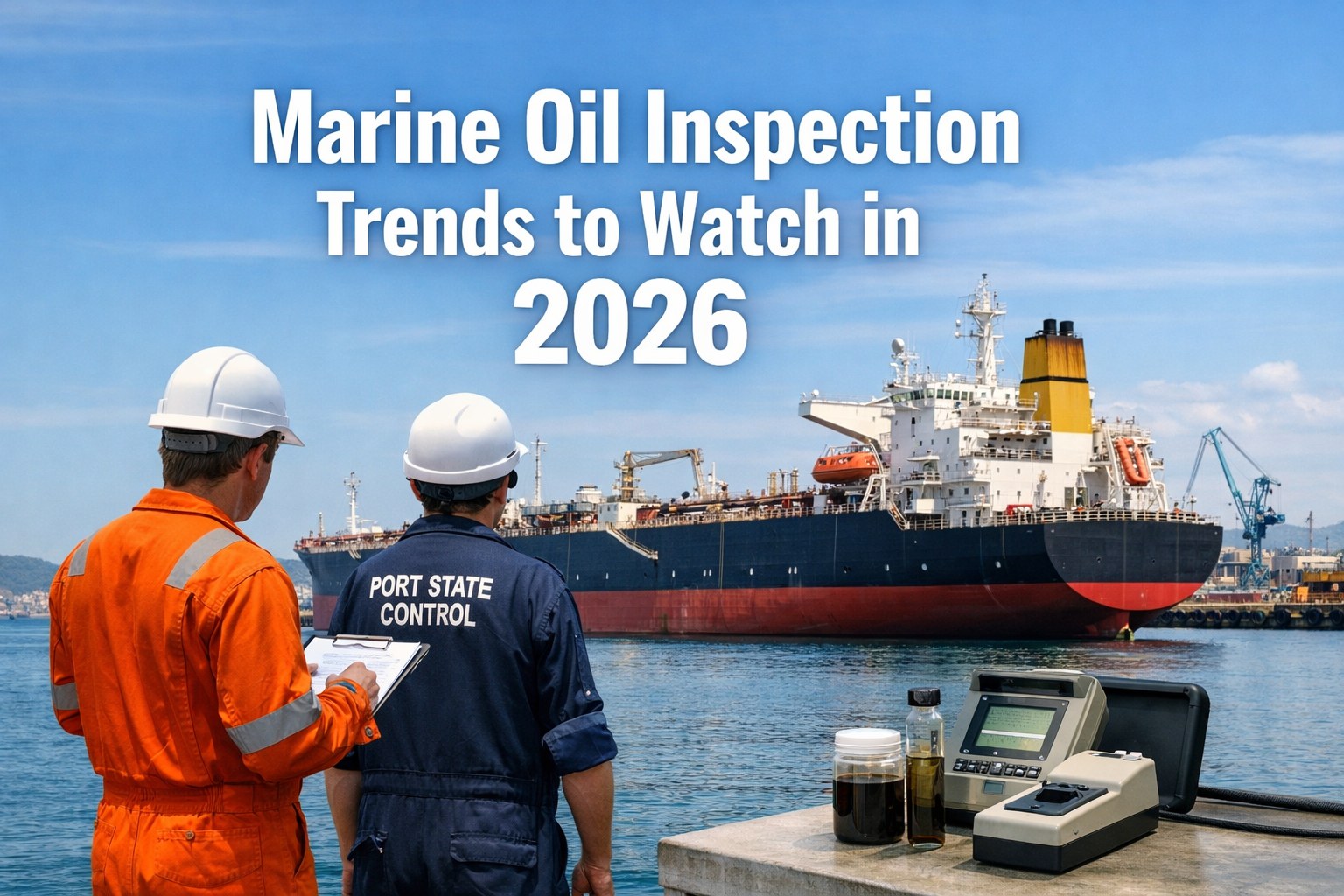
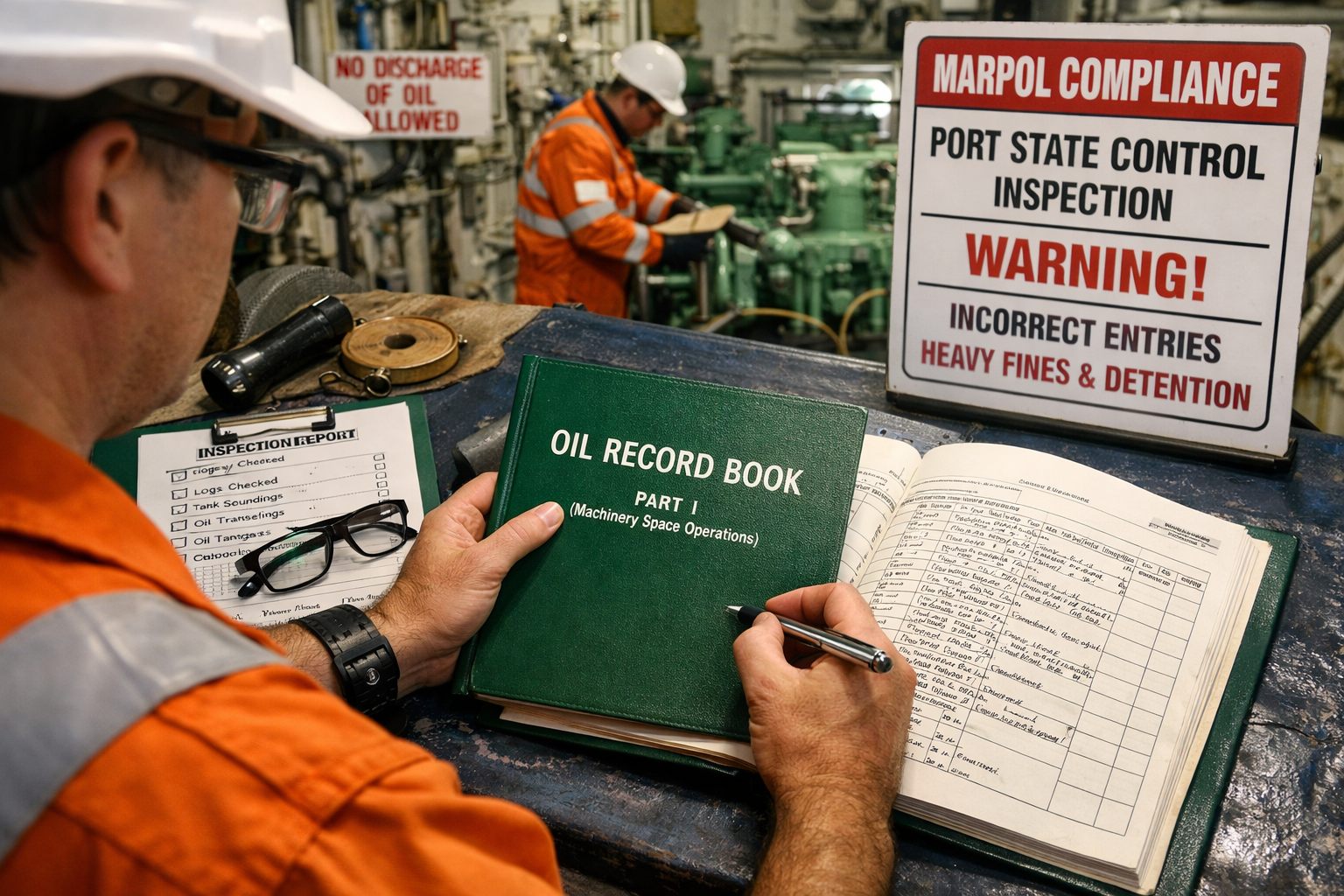
Marine oil inspection practices are evolving rapidly as authorities deploy advanced detection technologies, implement stricter enforcement protocols, and raise compliance expectations beyond traditional checklist verification. By 2026, vessels maintaining 2023-era compliance approaches face significantly higher deficiency rates as port state control transitions from documentation review to data analytics, electronic record verification, and crew competence assessment under observation. The gap between minimum MARPOL compliance and actual inspection expectations widens as regulators leverage digital tools exposing inconsistencies that paper-based systems previously concealed. Understanding emerging inspection trends determines whether your fleet adapts proactively or faces escalating detention rates, penalties, and operational restrictions as enforcement standards tighten. Maritime operators ready to prepare for 2026 inspection expectations can leverage Marine Inspection's platform implementing digital compliance systems, predictive analytics, and crew competence tracking aligned with evolving regulatory requirements.
Digital ORB Adoption Rate
45%
Of major fleets transitioning to electronic oil record systems
Enhanced Inspection Frequency
+30%
Increase in detailed oil pollution inspections since 2024
Analytics-Based Targeting
65%
Of PSC inspections now use data analytics for vessel selection
Key Oil Inspection Trends Shaping 2026
Five major trends are fundamentally changing how authorities inspect oil operations, detect violations, and enforce compliance. Schedule a personalized demo to see how our platform addresses these emerging inspection requirements with digital solutions designed specifically for 2026 compliance standards.
Trend 1
Digital Oil Record Book Expectations
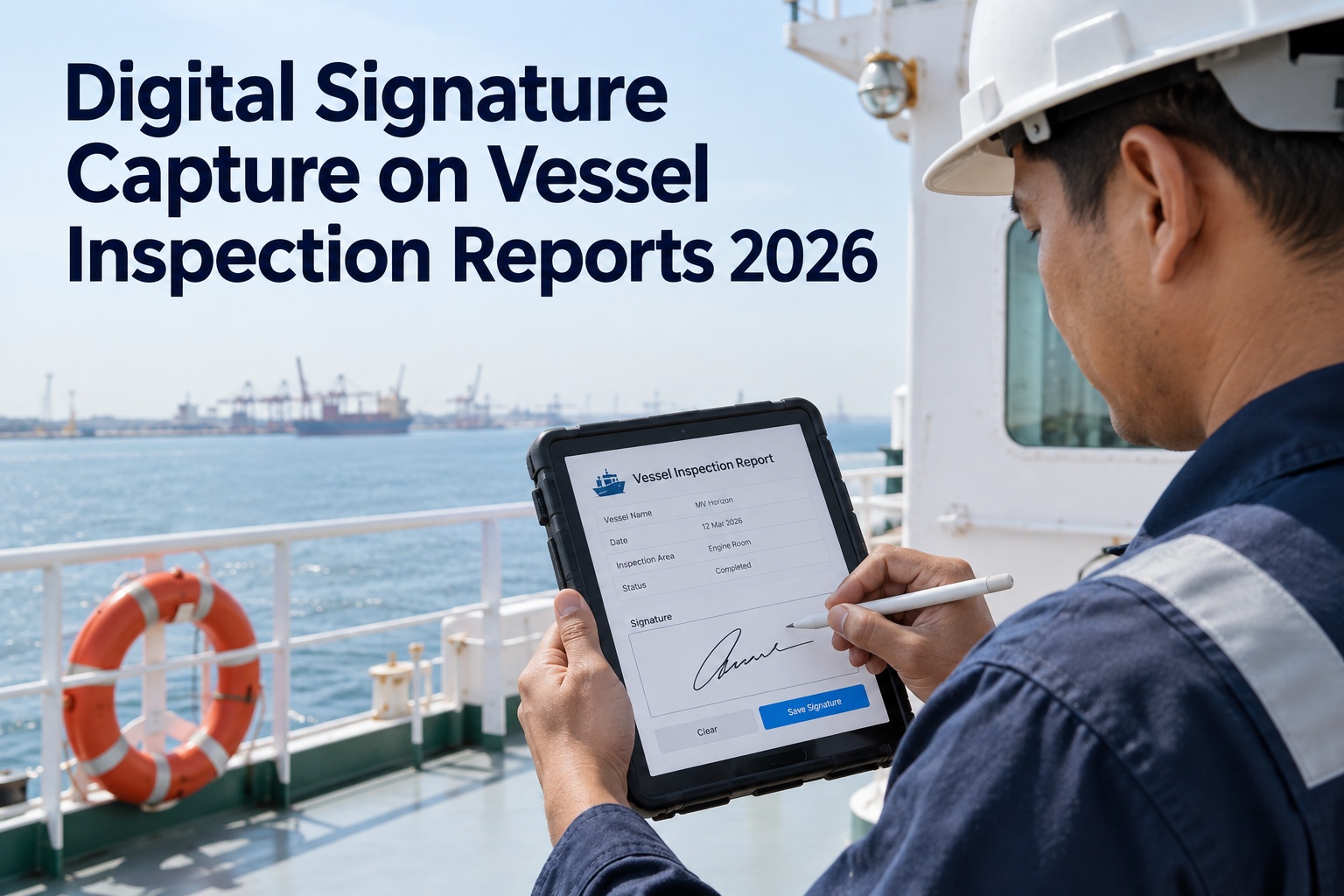
Port authorities increasingly expect electronic ORB systems providing timestamped entries, automatic cross-referencing with equipment logs, and audit trails preventing backdating. Traditional paper records face heightened scrutiny as inspectors recognize falsification ease compared to properly implemented digital systems.
Compliance Impact:
Vessels maintaining paper-only ORBs experience 40% longer inspection times as authorities verify entry authenticity through extensive cross-referencing. Digital systems with immutable timestamps and equipment integration reduce inspection duration and deficiency risk.
Trend 2
Data Analytics-Driven Targeting
PSC authorities deploy analytics platforms identifying vessels with statistical anomalies in reported operations—bilge discharge frequency deviating from fleet norms, OWS running hours inconsistent with vessel type, or operational patterns suggesting non-compliance. These vessels face targeted inspections with predetermined focus areas.
Compliance Impact:
Vessels showing operational patterns outside statistical norms receive enhanced scrutiny even without prior deficiency history. Consistent, properly documented operations aligned with vessel characteristics reduce analytics-based targeting risk.
Trend 3
Real-Time Equipment Monitoring
Authorities expect vessels to maintain continuous monitoring data for OWS operations, bilge alarm tests, and discharge activities. Some jurisdictions require cloud-based data transmission allowing shore-based verification. Equipment without data logging capabilities faces obsolescence as compliance evidence standards rise.
Compliance Impact:
Vessels relying on manual log entries without automated data capture struggle proving compliance authenticity. Investment in IoT-enabled monitoring systems becomes necessary for inspection readiness as manual documentation loses credibility.
Trend 4
Crew Competence Assessment Under Observation
Inspectors increasingly assess crew competence through practical demonstration rather than interview questions. Officers must physically demonstrate OWS operation, alarm testing procedures, and emergency response under observation. Inability to perform documented procedures reveals training deficiencies or actual operational practices differing from records.
Compliance Impact:
Vessels where crews cannot demonstrate proficiency in systems they allegedly operate daily face major deficiencies and enhanced scrutiny. Regular practical training with documentation becomes essential beyond traditional classroom instruction.
Trend 5
Oil Analysis Integration
Progressive authorities cross-reference fuel oil and lubricating oil analysis results with operational records. Fuel sulfur content discrepancies, contamination patterns inconsistent with documented operations, or lack of systematic testing programs trigger compliance investigations beyond traditional equipment inspections.
Compliance Impact:
Vessels without comprehensive oil testing programs face questions about operational transparency. Systematic analysis with documented results demonstrates proactive quality management, reducing inspector skepticism about overall compliance culture.
Prepare for Evolving Inspection Standards
Marine Inspection's platform implements digital compliance systems addressing 2026 inspection trends—electronic Oil Record Books with audit trails, equipment monitoring integration, crew competence tracking, and oil analysis management ensuring your fleet meets rising regulatory expectations.
Regional Enforcement Variations in 2026
Inspection rigor varies significantly by jurisdiction with European and US ports implementing the most stringent requirements. Sign up today to access comprehensive regional compliance guides detailing specific expectations for your trading areas, helping you prepare vessels before entering high-scrutiny ports.
Preparing Your Fleet for 2026 Standards
Proactive adaptation to emerging inspection trends requires systematic implementation across technology, procedures, and crew training. Book a consultation call to explore customized implementation roadmaps tailored to your fleet's current compliance status and specific trading patterns.
Phase 1: Digital Systems Implementation
Q1-Q2 2026
✓ Transition to electronic Oil Record Book with timestamped entries and audit trails
✓ Implement IoT monitoring for OWS operations, bilge alarms, and discharge activities
✓ Deploy cloud-based data storage with shore access for compliance verification
✓ Integrate equipment running hours with operational logs preventing inconsistencies
Outcome: Inspection-ready digital documentation eliminating falsification concerns and reducing inspection duration
Phase 2: Crew Competence Enhancement
Q2-Q3 2026
✓ Implement practical demonstration requirements in crew training programs
✓ Conduct monthly OWS operation drills with video documentation
✓ Establish alarm testing procedures all crew can demonstrate under observation
✓ Document crew competence assessments with practical evaluation records
Outcome: Crew demonstrates operational proficiency during inspections, eliminating competence-based deficiencies
Phase 3: Analytics-Ready Operations
Q3-Q4 2026 & Ongoing
✓ Establish consistent operational patterns aligned with vessel characteristics
✓ Implement systematic oil analysis programs with documented testing schedules
✓ Monitor fleet-wide operational metrics identifying outliers requiring attention
✓ Maintain comprehensive audit trails supporting all operational decisions
Outcome: Operations withstand data analytics scrutiny, reducing targeted inspection probability
Expert Insights: Navigating Evolving Inspection Standards
The biggest shift I'm seeing is inspectors arriving with predetermined focus areas based on data analytics rather than conducting general inspections. We had a vessel inspected in Hamburg where the PSC officer stated during opening meeting they were specifically examining our OWS operations because our reported bilge discharge frequency fell outside statistical norms for similar vessels. They spent three hours examining OWS logs, cross-referencing with Oil Record Book entries, reviewing equipment maintenance records, and interviewing engineering crew about actual operational practices. Traditional inspection preparation focused on ensuring documentation completeness—modern preparation requires ensuring operational data withstands statistical analysis.
Digital Oil Record Books are becoming essential not just for compliance but for efficient inspections. Our paper-based ORB vessels face 2-3 hour inspections while digital ORB vessels clear in 45 minutes because inspectors can immediately access any operational period, cross-reference with equipment data automatically, and verify entry authenticity through timestamps. The time savings matter operationally, but more importantly the digital systems virtually eliminate deficiency risk from documentation inconsistencies that paper systems inevitably contain. We're transitioning our entire fleet to Marine Inspection's digital platform by Q3 2026 specifically to reduce inspection exposure and streamline operations.
My advice for 2026: invest in systems providing objective operational evidence rather than relying on crew-generated documentation. IoT monitoring of OWS operations, automated bilge alarm test logging, and integrated equipment hour meters create irrefutable compliance evidence. Inspectors trust automated data capture far more than manual logs because crews can't manipulate the data retroactively. The vessels getting detained aren't those with occasional equipment problems—they're vessels where inspectors find evidence suggesting systematic non-compliance concealed through falsified records. Transparent, automatically generated operational data eliminates that suspicion entirely.
Future-Proof Your Compliance Program
Marine Inspection's platform implements 2026-ready compliance systems—digital Oil Record Books, IoT equipment integration, crew competence tracking, and analytics-ready operational data ensuring your fleet meets evolving inspection standards as enforcement expectations rise.
Frequently Asked Questions
Are digital Oil Record Books becoming mandatory in 2026?
Digital ORBs are not globally mandatory as of 2026, but adoption is accelerating rapidly. The European Union expects to mandate electronic ORB systems by 2026-2027 for vessels trading in EU waters. Several flag states are developing digital ORB requirements. Even where not legally required, vessels maintaining paper-only systems face significantly longer inspection times and heightened scrutiny as authorities recognize falsification risks. Major shipping companies are voluntarily transitioning to digital systems because compliance benefits outweigh implementation costs. Marine Inspection's digital ORB meets emerging regulatory requirements while maintaining MARPOL compliance for jurisdictions still accepting paper records.
How do port authorities use data analytics to target vessels for inspection?
Port state control authorities compile operational data from Oil Record Books, equipment logs, and historical inspection results into analytics platforms identifying vessels with statistical anomalies. Red flags include bilge discharge frequency significantly higher or lower than fleet averages for similar vessel types, OWS running hours inconsistent with machinery configuration, operational patterns suggesting non-compliance, and discrepancies between reported operations and vessel characteristics. Targeted vessels receive enhanced inspections with predetermined focus areas. Vessels maintaining consistent, properly documented operations aligned with vessel characteristics reduce analytics-based targeting risk. The system aims to direct limited inspection resources toward highest-risk vessels.
What crew competence demonstration requirements are inspectors implementing?
Inspectors increasingly require crew to physically demonstrate procedures under observation rather than answering interview questions. Common demonstrations include: operating OWS and showing discharge monitoring, testing 15 ppm bilge alarm and explaining results, demonstrating emergency shutdown procedures, locating and explaining spill response equipment use, and showing proper Oil Record Book entry procedures. Crew unable to perform these demonstrations reveals training deficiencies or indicates systems aren't actually operated as documented—both serious compliance concerns. Vessels must implement practical training programs where all relevant crew members can physically demonstrate proficiency in systems they operate.
How does Marine Inspection software address 2026 inspection trends?
Marine Inspection's platform specifically addresses emerging compliance requirements through: digital Oil Record Book with immutable timestamps preventing backdating, automated equipment integration eliminating manual log discrepancies, IoT monitoring providing objective operational evidence, crew competence tracking documenting practical demonstrations, oil analysis integration supporting quality management programs, and analytics-ready data export for regulatory reporting. The system generates inspection-ready documentation packages proving compliance through automatically captured, cross-referenced operational data. As regulatory expectations evolve, the platform updates automatically ensuring vessels maintain inspection readiness without manual system modifications.
Schedule a walkthrough to see how these features work for your specific vessel types and operational patterns.
What investment is required to meet 2026 inspection standards?
Digital compliance system implementation costs vary by vessel and current systems. Typical investment: digital ORB software $200-$400/vessel/month, IoT monitoring sensors for OWS and bilge systems $5,000-$15,000 per vessel one-time installation, cloud data storage and shore access $100-$200/vessel/month, crew training program enhancements $2,000-$5,000 per vessel annually. Total first-year cost ranges $10,000-$25,000 per vessel including installation and subscription. This investment prevents detention costs averaging $20,000/day, avoids fines averaging $50,000-$150,000 per violation, and reduces inspection duration saving operational time. ROI typically achieved within first year through prevented deficiencies and operational efficiency.
Stay Ahead of 2026 Inspection Standards
Marine Inspection's comprehensive platform implements digital compliance systems, automated monitoring, and analytics-ready documentation ensuring your fleet meets evolving regulatory expectations—reducing inspection risk, preventing deficiencies, and maintaining operational efficiency as oil inspection standards continue advancing throughout 2026 and beyond.