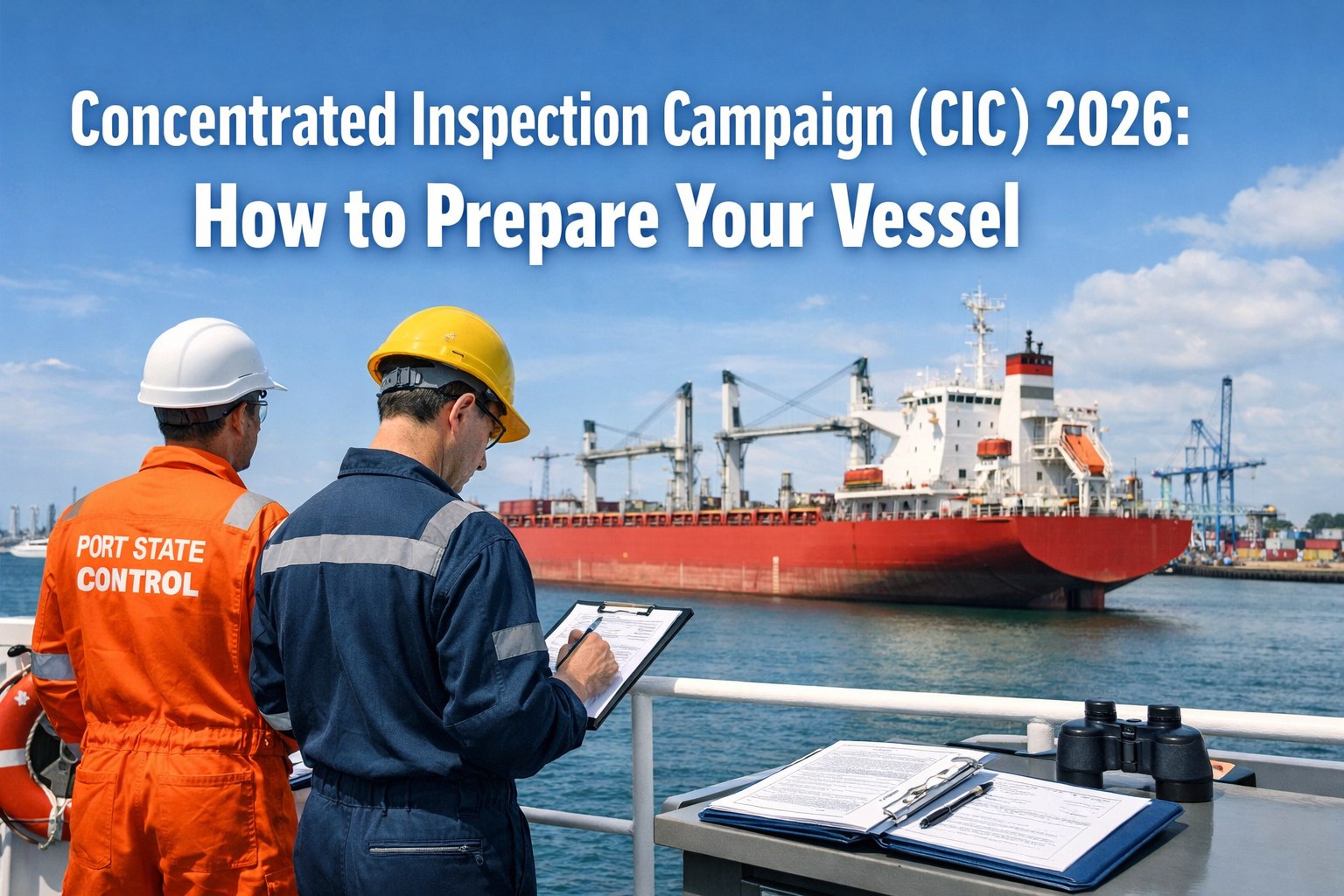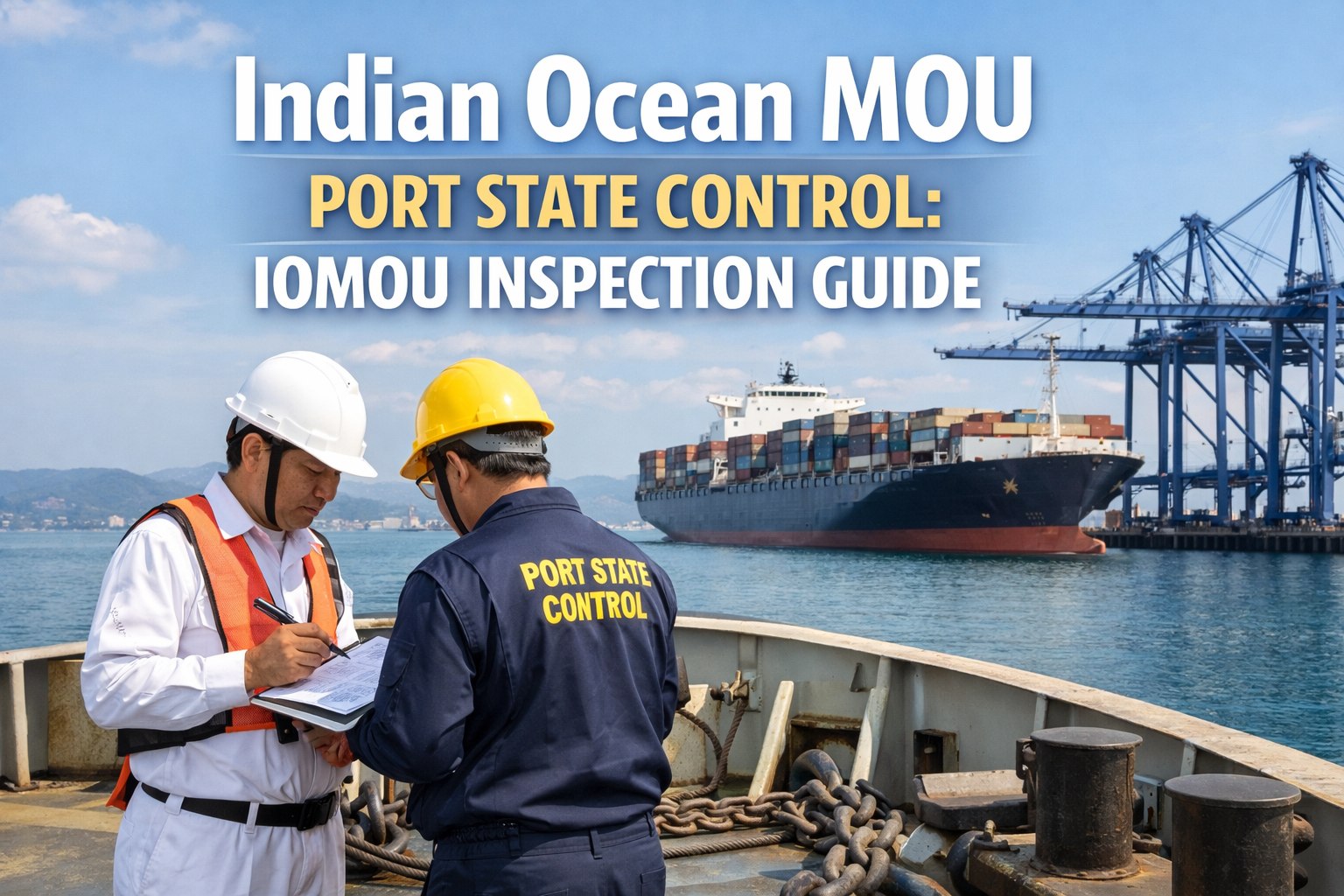
This comprehensive guide delivers practical marine inspection insights for Australian vessel operators, covering everything from certificate of survey requirements to the new safety management system changes effective 1 June 2025. Whether you operate Class 1 passenger vessels, Class 2 workboats, Class 3 fishing vessels, or Class 4 hire and drive craft, mastering AMSA's inspection framework reduces deficiency rates by up to 70% while ensuring your vessel meets the standards that protect crew, passengers, and Australia's pristine marine environment.
Ready to Streamline Your Marine Compliance?
Professional digital inspection solutions designed for Australian vessel operators ensuring AMSA compliance.
Start Your Free Trial Schedule DemoUnderstanding Marine Compliance in Australia
Australia's maritime regulatory framework under AMSA ensures vessel safety through a systematic approach combining certificates of survey, certificates of operation, and comprehensive safety management systems. The Marine Safety (Domestic Commercial Vessel) National Law Act 2012 establishes the foundation for all domestic commercial vessel requirements, while international vessels face Port State Control inspections under Tokyo MOU protocols. Our platform offers comprehensive marine inspection services tailored for Australian compliance requirements – register today to access digital tools that streamline your inspection preparation and documentation management.
Australian Vessel Classifications
Definition: Vessels carrying more than 12 passengers for commercial purposes.
Operational Areas: A (Unlimited), B (Offshore to 200nm), C (Restricted Offshore to 30nm), D (Partially Smooth), E (Smooth Waters)
Key Requirements: Certificate of Survey, Certificate of Operation, comprehensive SMS with fatigue management, drug and alcohol policy, operational procedures, assembly station requirements, and minimum crewing determination.
Survey Frequency: High frequency – annual periodic surveys with 5-year renewal cycle including out-of-water inspection.
Definition: Commercial vessels carrying up to 12 passengers, including workboats, tugs, charter vessels, and cargo carriers.
Operational Areas: A through E waters based on vessel design and certification.
Key Requirements: Certificate of Survey (unless exempt under Exemption 02/40), Certificate of Operation, SMS appropriate to operations, crewing evaluation documented in SMS.
Survey Frequency: Medium to high frequency depending on operational area – periodic surveys at intervals determined by service category.
Definition: Commercial fishing vessels engaged in catching, processing, or transporting fish.
Operational Areas: A through E waters with specific equipment requirements for each zone.
Key Requirements: Certificate of Survey (many exempt under Exemption 02), Certificate of Operation, SMS with specific fishing operation procedures, fatigue management critical due to variable working patterns.
Safety Note: Fishing vessels account for 63.6% of operational fatalities (2019-2023), highlighting critical importance of safety compliance.
Definition: Vessels hired to the public for recreational purposes where the hirer operates the vessel.
Operational Areas: Typically restricted to E (Smooth) and D (Partially Smooth) waters.
Key Requirements: Certificate of Operation (may be exempt from CoS under Exemption 02/40), simplified SMS requirements available for vessels under 7.5m, basic safety equipment appropriate to operational area.
Special Consideration: Drug and alcohol policy requirements differ for Class 4 vessels – focus on managing hirer/passenger risks.
Best Practices and Digital Tools for Marine
Successful marine inspection preparation requires systematic documentation management, proactive maintenance scheduling, and comprehensive safety equipment verification. AMSA Marine Safety Inspectors use detailed checklists covering certificates, SMS implementation, safety equipment condition, and overall vessel compliance. Our platform offers digital inspection solutions that mirror AMSA's inspection framework – sign up now to ensure your vessel is always inspection-ready with organized documentation and automated reminder systems.
Top Deficiency Categories – Where Inspections Find Issues
These four categories account for over 80% of all DCV deficiencies. Focusing inspection preparation on these areas delivers maximum compliance improvement.
Inspection Preparation Checklists
- ✓ Certificate of Survey (CoS) – valid and accessible
- ✓ Certificate of Operation (CoO) – current and conditions understood
- ✓ Certificates of Competency (CoC) – all crew with valid qualifications
- ✓ Relevant exemptions – Exemption 02, 06, 07, 40 documentation if applicable
- ✓ Safety equipment service certificates – fire extinguishers, liferafts, EPIRBs
- ✓ Load line certificate (if required for vessels 24m+)
- ✓ Insurance documentation – current policy details
- ✓ SMS document – accessible and current version
- ✓ Risk assessment – completed with owner/master/crew involvement
- ✓ Fatigue management plan – addressing work/rest, night operations, sleeping conditions (from 1 June 2025)
- ✓ Drug and alcohol policy – documented and communicated to crew (from 1 June 2025)
- ✓ Operational procedures – covering key vessel operations (Class 1, 2, 3)
- ✓ Emergency plans – loss of propulsion, oil/fuel spills, man overboard, fire, abandon ship
- ✓ Master's responsibility statement – clearly defining authority (Class 1, 2, 3)
- ✓ Designated person responsibility statement – all vessels from 1 June 2025
- ✓ Training records – crew induction, drills, competency verification
- ✓ Maintenance records – planned maintenance completed and documented
- ✓ Lifejackets – correct quantity, appropriate type, serviceable condition, accessible
- ✓ Liferafts – service certificate current (annual service), correctly stowed
- ✓ EPIRB – registered, battery valid, float-free mounting (check current recall notices)
- ✓ Lifebuoys – condition, retro-reflective tape, light and line attached where required
- ✓ Flares – in-date (check KP-16 recall for flares manufactured Feb 2021-July 2024)
- ✓ First aid kit – stocked and contents in date
- ✓ Safety equipment stowage – clearly marked, readily accessible
- ✓ Fire extinguishers – correct type and size, service certificate current, pressure gauge checked
- ✓ Fire suppression systems – service certificate current, activation mechanism functional
- ✓ Fire flaps – operational, able to close completely
- ✓ Emergency fuel shut-offs – accessible, clearly marked, functional
- ✓ Fire detection systems – tested, batteries current
- ✓ Fire blanket – accessible in galley area
- ✓ Ventilation closures – functional where fitted
- ✓ Hull condition – no significant corrosion, damage, or deterioration visible
- ✓ Watertight closures – hatches, doors, ports sealing correctly
- ✓ Bilge systems – pumps operational, manifold spindle handles present, bilge spaces labeled
- ✓ Engine and machinery – maintained per planned maintenance schedule
- ✓ Steering system – responsive, emergency steering arrangements functional
- ✓ Propulsion – no excessive vibration, shaft seals in good condition
- ✓ Electrical systems – no exposed wiring, panels properly covered, navigation lights functional
- ✓ Radio communications – appropriate to operational area, tested functional
- ✓ Navigation lights – all functioning, correct colours and arcs
- ✓ Compass – deviation card current (adjusted within required intervals)
- ✓ Charts and publications – current edition for operational area
- ✓ GPS/chart plotter – functional (where fitted)
- ✓ Radar/ARPA – functional and calibrated (where required)
- ✓ Sound signaling equipment – horn/whistle functional
Survey Requirements and Timing
Initial/Renewal Survey completed. Certificate issued for 5 years. All safety equipment verified current.
Periodic survey (high frequency vessels). In-water inspection. Safety equipment service dates monitored.
Periodic survey. Medium frequency vessels may have out-of-water option. SAGM Pt 2 Ed 3 flexibility applies from Jan 2025.
Periodic survey continues. Plan renewal survey timing. Arrange surveyor and slipway booking.
Full renewal survey – in-water and out-of-water components. Shaft inspection. 10-year items if applicable. Submit renewal application before expiry.
AMSA sends reminder notices 90 days before certificate expiry. Plan surveys early to avoid operational disruption. Exemption 06 may provide extension for periodic surveys; Exemption 07 for temporary operations during renewal.
Survey Types Explained
Port State Control for Foreign-Flagged Vessels
Australia conducts robust Port State Control inspections under Tokyo MOU agreements, inspecting foreign-flagged vessels to verify compliance with international conventions including SOLAS, MARPOL, MLC 2006, and STCW. In 2024, AMSA conducted inspections with a 5.9% detention rate, demonstrating continued focus on substandard vessels. Ships with poor compliance records face enhanced targeting and potential refusal of access to Australian ports.
AMSA Focused Inspection Campaign Areas
Ongoing focus on ISM Code compliance for maintenance systems. 41% detention rate during 2022 FIC highlighted systemic maintenance failures. SOLAS requires vessel condition maintained to conform with regulations.
9% of detainable deficiencies in 2021. Focus on hatch covers, doors, ports, and weatherdeck openings. Planned maintenance must address seals, gaskets, and closure mechanisms.
Bridge equipment functionality, ECDIS operation, voyage planning, watchkeeping practices. Collision avoidance systems and AIS operation verification.
Stowage and securing of containers, maintenance of cargo securing equipment. Container ships continue as top poor-performing ship type.
Digital Compliance Solutions
Modern vessel compliance management increasingly relies on digital tools to track certificate expiry dates, schedule maintenance activities, document SMS implementation, and prepare for inspections. Effective digital systems reduce administrative burden by 40-60% while improving compliance outcomes through automated reminders, centralized documentation, and instant access to records during inspections. Our platform offers comprehensive marine inspection services designed for Australian operators – create your account today to experience streamlined compliance management with features specifically aligned to AMSA requirements.
Incident Reporting and Safety Statistics
Understanding incident trends helps operators focus safety efforts on highest-risk areas. AMSA's 2024 Marine Incident Annual Report recorded 5,625 marine incidents – a 2.8% increase from 2023. Five fatalities occurred across all vessel types with over 500 reported injuries including 157 serious. Collisions, groundings, and propulsion/system failures remain the most common incident types, with engineering system failures rising across all vessel categories.
Implementation Strategy for Compliance Excellence
Assess Current Compliance Status
Review all certificates, exemptions, and SMS documentation. Identify expiry dates and upcoming survey requirements. Evaluate SMS against new Marine Order 504 requirements effective 1 June 2025. Document gaps requiring attention.
Update Safety Management System
Incorporate fatigue management plan addressing work patterns, night operations, and sleeping environment. Add drug and alcohol policy appropriate to vessel class. Document operational procedures for key activities. Establish designated person responsibility statement.
Implement Digital Management
Register with our platform for comprehensive marine inspection services to centralize documentation, automate certificate tracking, and streamline inspection preparation. Configure alerts for your vessel's specific survey schedule and equipment service requirements.
Conduct Self-Assessment Inspections
Use AMSA inspection checklist format to conduct regular internal reviews. Focus on top deficiency areas: life saving appliances, SMS implementation, fire safety, and structural conditions. Document findings and corrective actions in SMS.
Maintain Continuous Improvement
Review incident reports and near-misses for lessons learned. Update risk assessments based on operational experience. Ensure crew training records remain current. Monitor AMSA publications for regulatory changes and focused inspection campaign announcements.
Transform Your Marine Compliance Today
Join thousands of Australian vessel operators achieving inspection readiness through professional digital solutions.
Create Your Free Account Schedule Demo