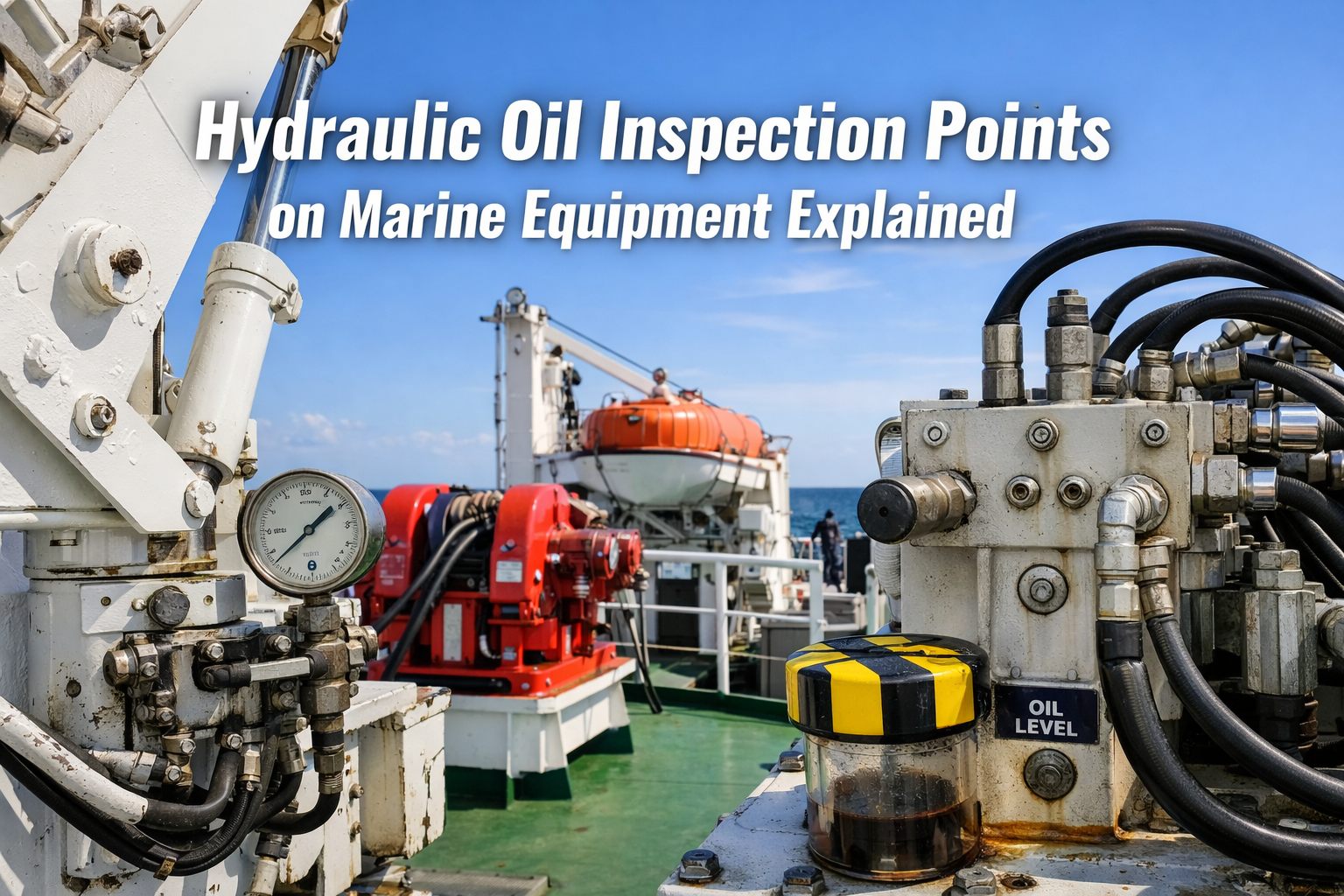
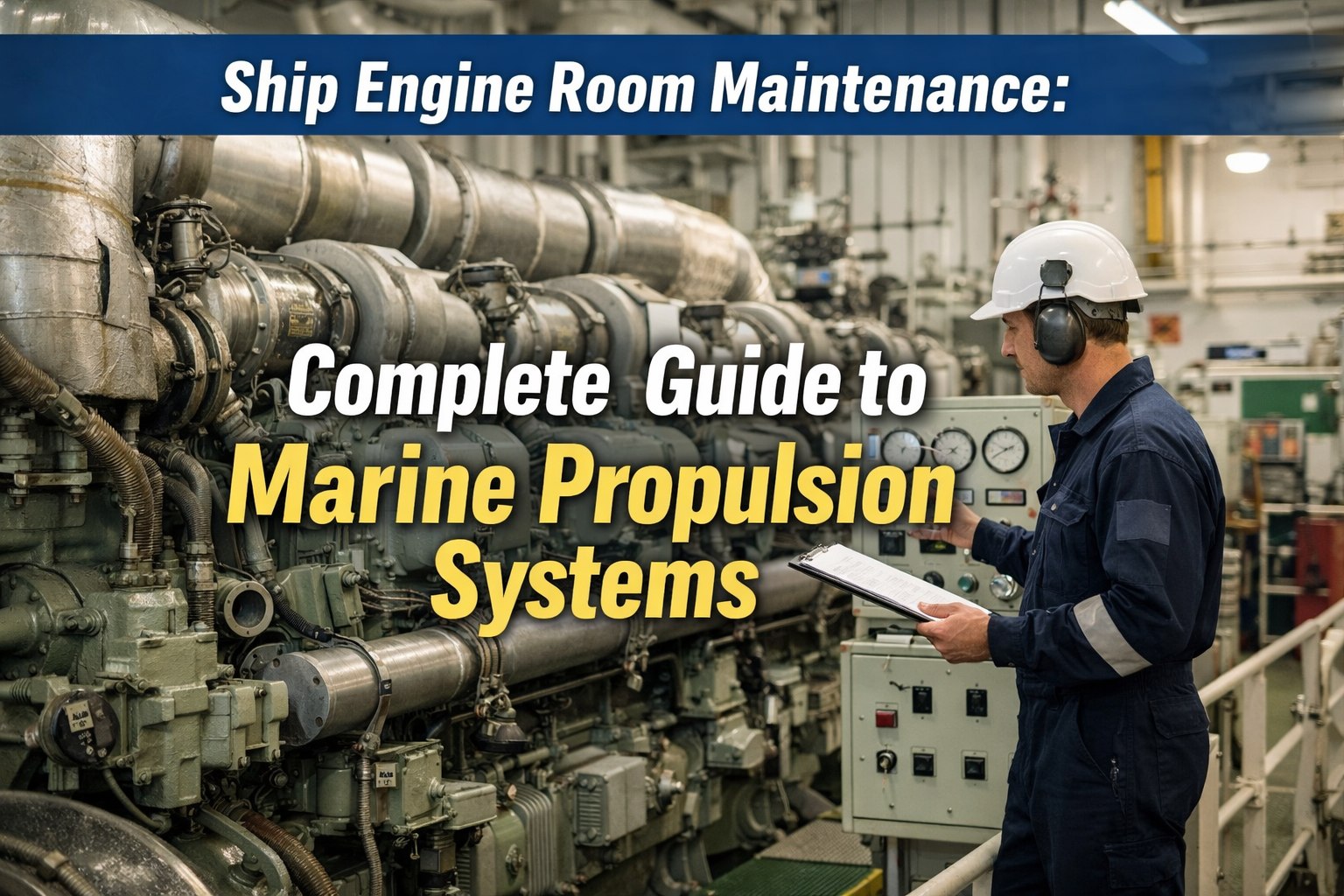
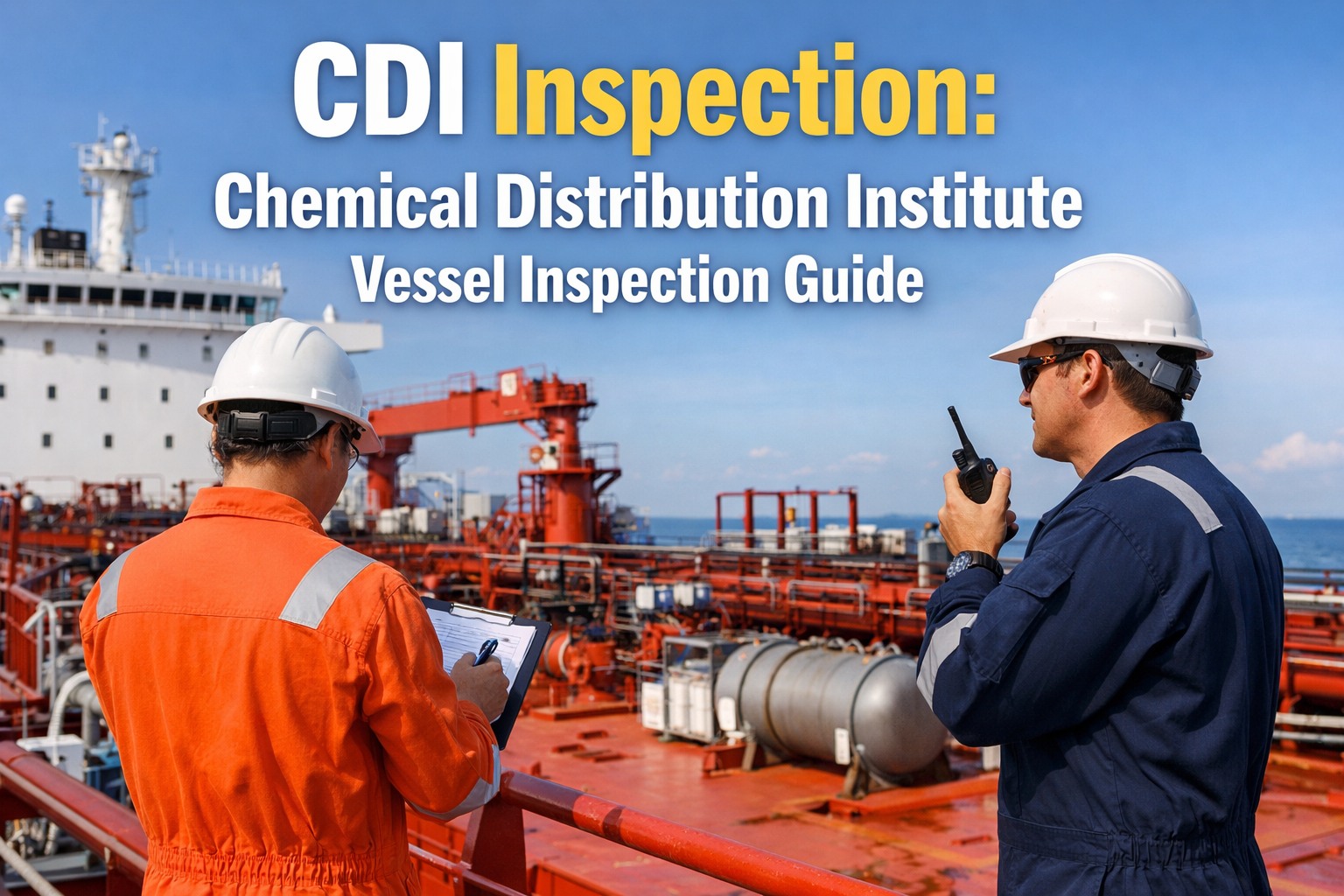
Hydraulic oil systems power critical marine equipment—steering gear, deck machinery, cargo cranes, mooring winches—where inspection focus centers on oil leakage evidence, contamination levels, system pressure integrity, and maintenance documentation revealing overall equipment reliability. Port state control officers examining hydraulic systems investigate visible oil leaks indicating seal failures, contaminated oil suggesting inadequate filtration, pressure fluctuations revealing pump wear, and missing maintenance records proving systematic neglect. Vessels demonstrating proper hydraulic oil management through leak-free systems, clean oil verified by analysis, stable operating pressures, and documented maintenance signal competent operations—while those showing chronic leakage or contaminated oil face enhanced scrutiny potentially grounding critical equipment. Understanding hydraulic oil inspection points determines whether your deck machinery and steering systems demonstrate inspection-ready compliance or reveal maintenance deficiencies. Maritime operators ready to signup hydraulic oil inspection readiness can leverage Marine Inspection's platform tracking oil condition, monitoring system performance, and maintaining complete documentation for every hydraulic system.
Oil Leakage Detection
Check: Visual inspection of cylinders, pumps, motors, valves, hose connections for active leaks or chronic seepage. Verify drip trays positioned and maintained. Inspect bilge for hydraulic oil indicating major leakage.
Finding: Chronic leakage from rod seals, weeping hose connections, or pump shaft seals creating housekeeping issues. Leaks documented in work orders but not repaired for months.
Action: Immediate repair of active leaks, seal replacement program, proper hose installation with torque specifications, regular leak inspection rounds.
Oil Contamination and Condition
Check: Review oil analysis reports checking water content, particle counts, viscosity, oxidation. Visual examination for color, clarity, water separation, sediment. Verify filter change intervals monitored.
Finding: Water contamination >0.5% in steering gear from seal failures, particle counts exceeding ISO 4406 codes, missing oil analysis for 12+ months.
Action: Quarterly oil analysis minimum for critical systems, immediate investigation when water exceeds 0.2%, filter maintenance per schedules, seal inspection preventing water ingress.
System Pressure and Performance
Check: Verify operating pressure meets specifications during functional testing. Check pressure gauge calibration dates. Monitor pressure fluctuations indicating pump wear or internal leakage.
Finding: Steering gear operating 10-15% below design pressure indicating pump wear, pressure gauges uncalibrated for 2+ years, erratic pressure revealing internal leakage.
Action: Annual pressure gauge calibration, pressure testing after major repairs, pump inspection when pressure drops >5% from specification.
Reservoir Condition and Level
Check: Check oil level maintained within normal range. Inspect reservoir breathers for cleanliness. Verify sight glass clean. Examine reservoir for sludge, water separation, or sediment accumulation.
Finding: Reservoir levels consistently low indicating chronic leakage, breather filters clogged allowing dirt ingress, water layer at reservoir bottom from condensation or seal leakage.
Action: Daily level checks documenting consumption trends, breather filter replacement every 6 months, quarterly reservoir drain removing water and sediment.
Hose and Fitting Integrity
Check: Inspect hydraulic hoses for age-related deterioration, abrasion damage, proper support preventing vibration wear. Check fitting tightness and evidence of weeping. Review hose replacement records.
Finding: Hoses operating 8-10 years beyond recommended life (typically 5-7 years), unsupported hoses vibrating against structure, fittings hand-tightened rather than torqued properly.
Action: Hose replacement every 5-7 years regardless of appearance, proper hose support installation, fitting installation per torque specifications.
Maintenance Documentation
Check: Review maintenance logs documenting oil changes, filter replacements, seal servicing, oil analysis results. Verify manufacturers' maintenance schedules followed. Check work order completion for identified issues.
Finding: No systematic maintenance records beyond reactive repairs, oil analysis missing or gaps >12 months, filter changes undocumented, identified leaks without completion documentation.
Action: Implement digital maintenance tracking, establish scheduled maintenance intervals, document all oil analysis and corrective actions, maintain complete system documentation.
What hydraulic oil parameters do inspectors focus on during marine inspections?
Inspectors prioritize water content (<0.5% target, >1.0% requires immediate action), particle contamination (ISO 4406 cleanliness codes targeting 18/16/13 for steering gear, 19/17/14 for deck machinery), viscosity stability (within ±10% of specification), and visual condition (color, clarity, water separation). For steering gear specifically, quarterly oil analysis minimum required proving systematic monitoring. Water contamination receives particular attention because it indicates seal failures allowing seawater ingress—common in deck machinery exposed to marine environment. Missing oil analysis documentation for 6+ months suggests inadequate condition monitoring.
How do inspectors assess hydraulic system leakage during port state control?
Inspectors conduct visual examination of all accessible hydraulic components during both static and operating conditions. They check cylinder rod seals during extension/retraction, examine pump and motor shaft seals, inspect hose connections for weeping, verify drip tray placement and cleanliness, and examine bilge for hydraulic oil indicating major leakage. Chronic leakage evidenced by oil accumulation on deck, staining around fittings, or constantly low reservoir levels requiring frequent topping up indicates deferred maintenance. Active leaks during inspection require immediate repair before departure clearance.
What steering gear hydraulic inspection requirements must vessels meet?
Steering gear requires operating pressure within ±5% of design specification verified through pressure testing, response time meeting IMO requirements (hard-over to hard-over within specified time), oil analysis quarterly minimum checking water content <0.2%, no external leakage from pumps or cylinders, backup system functional if dual installation, emergency steering procedures documented with crew trained and drills conducted. Inspectors specifically examine steering gear because failures cause serious casualties. Missing pressure test records, oil analysis gaps, or non-functional backup systems constitute major deficiencies potentially preventing departure.
How does Marine Inspection software improve hydraulic system management?
Marine Inspection's platform provides comprehensive hydraulic system management: oil analysis scheduling based on equipment criticality with automatic reminders, laboratory result imports comparing parameters against specifications with alerts when thresholds exceeded, leak documentation tracking from identification through repair completion, pressure testing records with calibration date tracking, filter maintenance scheduling preventing contamination buildup, hose replacement tracking based on installation dates, and system-specific checklists for steering gear, deck machinery, and cargo handling equipment.
The platform generates inspection-ready reports proving systematic maintenance across all hydraulic systems.
What documentation must be readily available for hydraulic system inspections?
Essential hydraulic documentation includes: oil analysis reports for previous 12 months showing water content, particle counts, viscosity trends, maintenance logs documenting oil changes, filter replacements, seal servicing with dates and running hours, leak repair records from identification through completion verification, pressure test results for steering gear and relief valve settings, hose installation dates enabling age-based replacement decisions, system drawings and component specifications, emergency procedure documentation with drill records for steering gear, and manufacturer maintenance schedules proving compliance. Missing documentation indicates inadequate systematic management even when equipment operates acceptably.