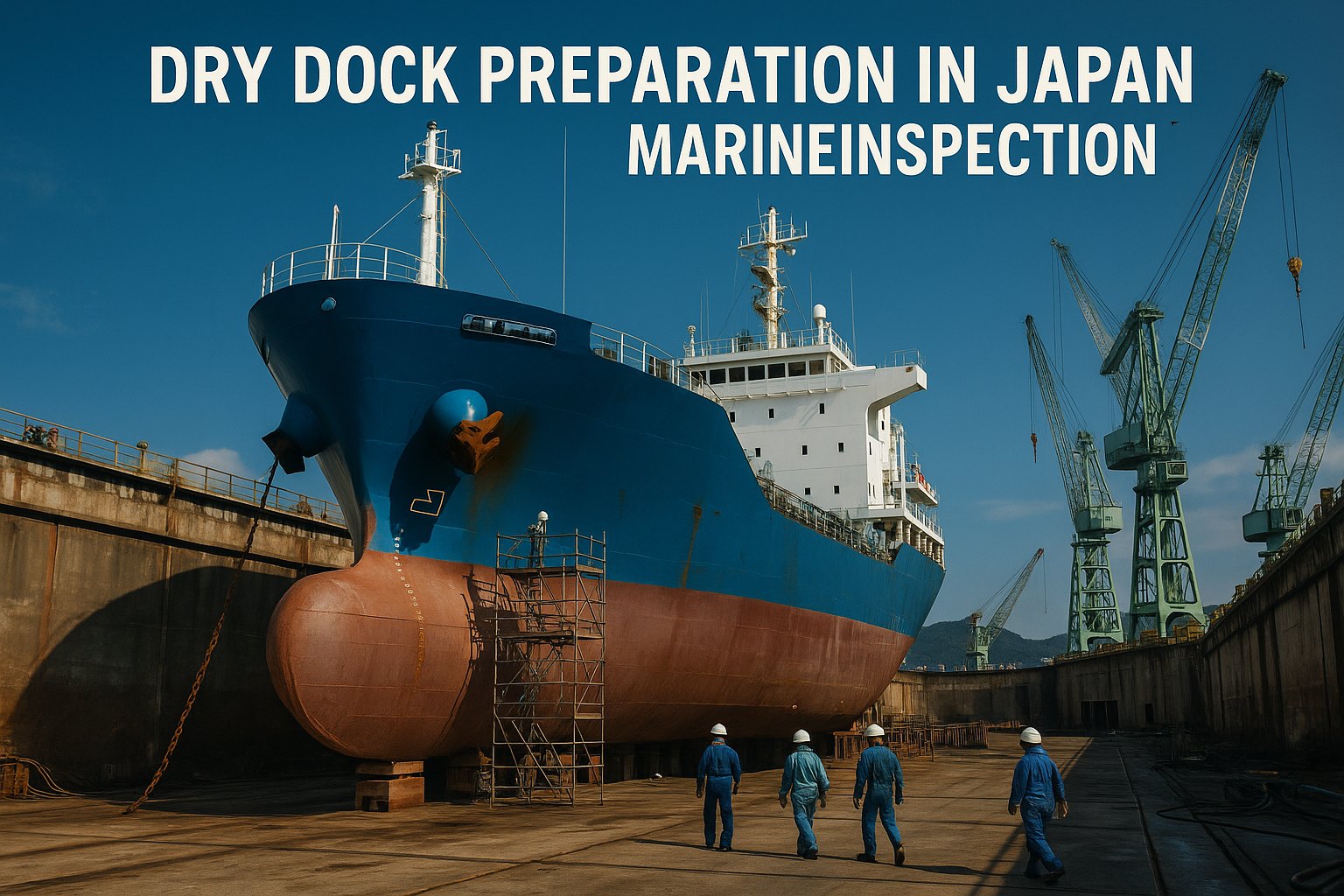
Dry dock preparation represents one of the most critical periods in a vessel's operational lifecycle, requiring meticulous planning, systematic execution, and comprehensive documentation to meet Japan's rigorous maritime standards. Japanese shipyards including Mitsubishi Heavy Industries, Imabari Shipbuilding, and JMU demand exceptional preparation ensuring efficient dry dock periods, minimal off-hire time, and perfect regulatory compliance with ClassNK, Japan Coast Guard, and Tokyo MOU requirements. Effective dry dock preparation reduces dock time by 20-30%, prevents costly delays, ensures thorough inspections and repairs, and maintains vessel class certification while meeting SOLAS, MARPOL, and domestic Japanese maritime regulations. This guide provides ship operators, technical managers, marine superintendents, and vessel masters with essential strategies to plan and execute successful dry docking in Japan's world-class maritime facilities.
Dry Dock Preparation – Japan Edition
Streamline Your Dry Dock Planning
Manage dry dock preparation with digital checklists, document control, and comprehensive planning tools for Japanese shipyard operations.
Understanding Dry Dock Compliance in Japan
Dry docking in Japan requires exceptional attention to detail, comprehensive documentation, and systematic coordination with ClassNK surveyors, shipyard facilities, and service providers. Japanese shipyards expect vessels to arrive fully prepared with complete documentation, approved work specifications, and all materials ready for immediate commencement. Our platform simplifies dry dock preparation with automated checklists and document management.
Annual Survey Docking
Every YearRoutine inspection and maintenance ensuring continuous class compliance with minimal off-hire.
Intermediate Survey
2.5 YearsComprehensive examination including bottom inspection and detailed equipment checks.
Special Survey
5 YearsComplete vessel examination with extensive structural inspections and major maintenance.
Emergency Docking
As NeededUnplanned dry docking for damage repairs or critical equipment failures requiring immediate attention.
90-Day Preparation Timeline
Successful dry docking requires systematic planning beginning 90 days before dock entry. Japanese shipyards appreciate early coordination ensuring berth availability, surveyor scheduling, and material procurement.
Days Before: Initial Planning
- Confirm dry dock booking with Japanese shipyard
- Notify ClassNK and schedule surveyor attendance
- Prepare preliminary work specification list
- Request quotations from Japanese service providers
- Review previous dry dock reports and findings
Days Before: Documentation & Procurement
- Finalize detailed work specification with drawings
- Order all spare parts and materials with delivery confirmed
- Arrange crew accommodation near Japanese shipyard
- Coordinate with paint, steel, and machinery suppliers
- Submit tank cleaning and gas-free requirements
Days Before: Final Preparations
- Confirm all material delivery to Japanese port
- Complete vessel cleaning and preparation work
- Brief crew on Japanese shipyard procedures and safety
- Verify insurance coverage and P&I club notifications
- Arrange pilot and tug services for dock entry
Days Before: Pre-Arrival Checks
- Conduct pre-docking safety meeting with all crew
- Verify all documentation is organized and accessible
- Confirm surveyor attendance and inspection schedule
- Test all equipment to identify any last-minute issues
- Prepare vessel for Japanese port state control if applicable
Best Practices and Digital Tools for Dry Dock Success
Japanese shipyards value systematic approaches and comprehensive documentation. Digital tools streamline preparation ensuring nothing is missed and all stakeholders remain informed throughout the process.
Documentation Package
- Class Certificates: Current and historical survey reports
- Vessel Plans: General arrangement, tank, and capacity plans
- Previous Dockings: Reports showing repairs and renewals
- Work Specifications: Detailed scope with drawings
- Material Certificates: Steel, paint, and spare parts approvals
Pre-Docking Preparations
- Tank Cleaning: All tanks gas-free and certified
- Hull Cleaning: Remove marine growth before docking
- Equipment Tests: Identify issues requiring repair
- Spare Parts: All materials delivered to shipyard
- Safety Plans: Hot work permits and safety procedures
Shipyard Coordination
- Work Meetings: Daily progress reviews with shipyard
- Quality Control: Regular inspections during work
- Change Management: Document all scope changes
- Photo Documentation: Before, during, and after pictures
- Surveyor Attendance: Coordinate ClassNK inspections
Quality & Safety Standards
- Japanese Standards: Meet or exceed JIS specifications
- Coating Systems: Use ClassNK-approved paint manufacturers
- Welding Procedures: Japanese-certified welders only
- Safety Compliance: Strict adherence to shipyard rules
- Environmental Protection: Waste management protocols
Post-Docking Validation
- Sea Trials: Test all systems before departure
- Survey Sign-Off: Obtain ClassNK completion certificates
- Documentation: Collect all as-built drawings and reports
- Final Inspections: Walk-through with shipyard team
- Lessons Learned: Document for next docking preparation
Digital Management Tools
- Planning Software: Automated timelines and reminders
- Document Control: Centralized file management system
- Photo Library: Organized visual documentation
- Progress Tracking: Real-time status updates for shore team
- Budget Management: Cost tracking against original estimates
Typical Dry Dock Costs in Japan
Shipyard Charges
Dry dock rental, blocking, services, and labor
Hull Coating
Blasting, painting, antifouling application
Steel & Welding Work
Plate renewal, structural repairs, tank work
Machinery Overhaul
Propeller, rudder, sea valves, pumps
Survey & Certification
ClassNK surveyors, NDT testing, certifications
Spare Parts & Materials
Anodes, valves, seals, gaskets, consumables
*Costs vary based on vessel size, age, condition, and scope of work
Cost Optimization Tips
Proper planning reduces dry dock costs by 20-30% through competitive bidding, material pre-ordering, minimized scope changes, and efficient project management. Digital tools provide real-time budget tracking and early warning of cost overruns.
Frequently Asked Questions
How far in advance should I book a Japanese shipyard?
Japanese shipyards typically require 6-12 months advance booking, especially during peak periods (March-April and September-October). Special surveys need 9-12 months notice, while annual surveys can often be scheduled with 3-6 months lead time. Early booking ensures preferred dates and better negotiating position for competitive rates.
What documentation do Japanese shipyards require?
Japanese shipyards require comprehensive documentation including current class certificates, previous dry dock reports, detailed work specifications with drawings, material certificates for steel and paint, tank cleaning certificates, and insurance coverage confirmation. Digital document management systems organize all required paperwork efficiently.
How can I minimize dry dock duration and costs?
Minimize dry dock time through meticulous planning starting 90 days before, ordering all materials early with delivery confirmed, conducting pre-docking equipment tests identifying issues, preparing detailed work specifications preventing scope changes, and maintaining excellent communication with shipyard and surveyors. Well-prepared vessels complete dry docking 20-30% faster with significantly lower costs.
What are common delays during dry docking in Japan?
Common delays include unexpected steel renewals from poor hull condition, missing or delayed spare parts deliveries, scope changes requiring additional ClassNK approvals, inadequate tank cleaning causing surveyor rejection, and weather conditions affecting coating work. Systematic planning, thorough pre-docking surveys, and material procurement contingencies prevent most delays.
Plan Your Perfect Dry Dock
Join leading operators achieving 20-30% time savings with systematic dry dock preparation tools designed for Japanese maritime operations.