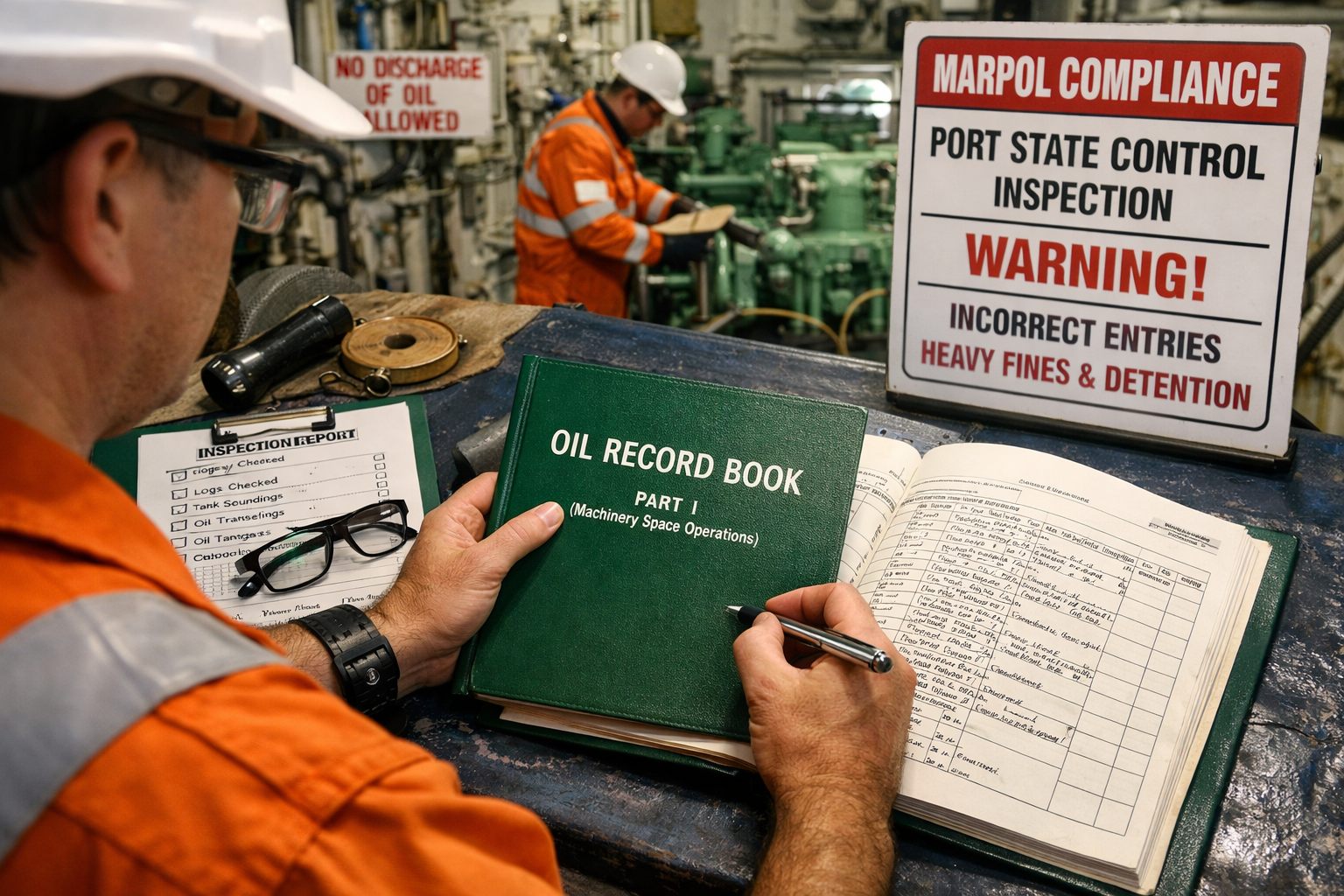
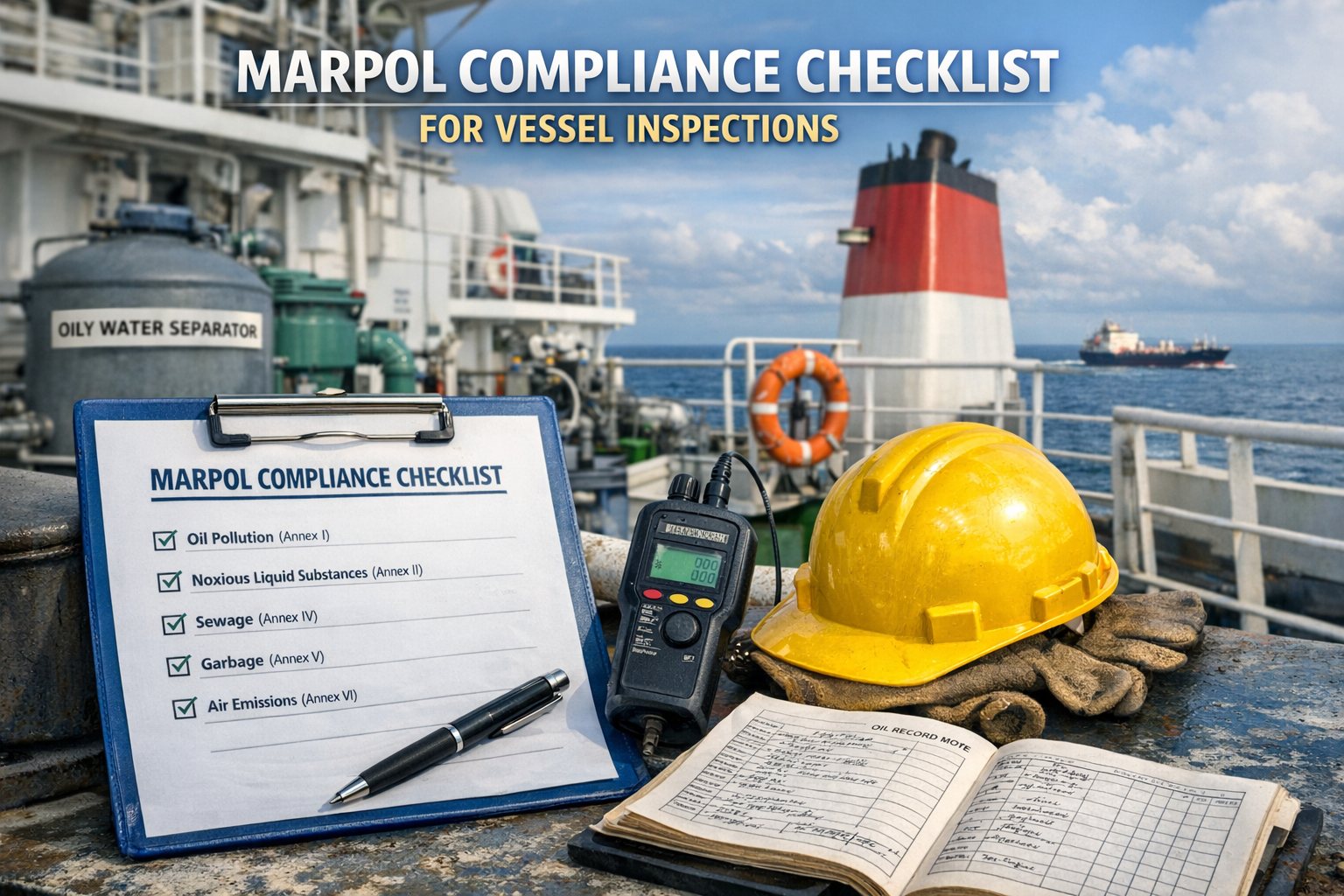
Port state control inspectors spend significant time examining oil spill prevention systems—not because they expect violations, but because inadequate spill prevention directly causes 70% of MARPOL Annex I citations and environmental penalties averaging $150,000 per incident. A vessel's oil pollution prevention equipment, procedures, and crew competence face systematic inspection covering oily-water separators, 15 ppm alarms, Oil Record Books, spill response equipment, and transfer operation safeguards. When inspectors discover bypassed separators, falsified records, or crews unable to demonstrate emergency procedures, the consequences escalate from detention to criminal prosecution. Marine oil spill prevention inspections examine whether vessels maintain effective barriers against accidental and operational oil pollution—the difference between routine compliance and catastrophic environmental violations. Maritime operators ready to strengthen spill prevention compliance can leverage Marine Inspection's digital platform that tracks equipment maintenance, automates Oil Record Book entries, and ensures crews maintain inspection-ready documentation proving systematic pollution prevention.
MARPOL Citations From Spills
70%
Of MARPOL violations trace to inadequate spill prevention
Average Penalty Cost
$150K
Per spill incident including fines and cleanup
Criminal Prosecution Rate
35%
Of serious spill prevention violations in US waters
What Inspectors Examine During Spill Prevention Inspections
Port state control officers follow systematic inspection protocols covering equipment, procedures, and documentation. Schedule a demo to see how our platform maintains inspection-ready evidence for every system inspectors examine.
Inspection Focus:
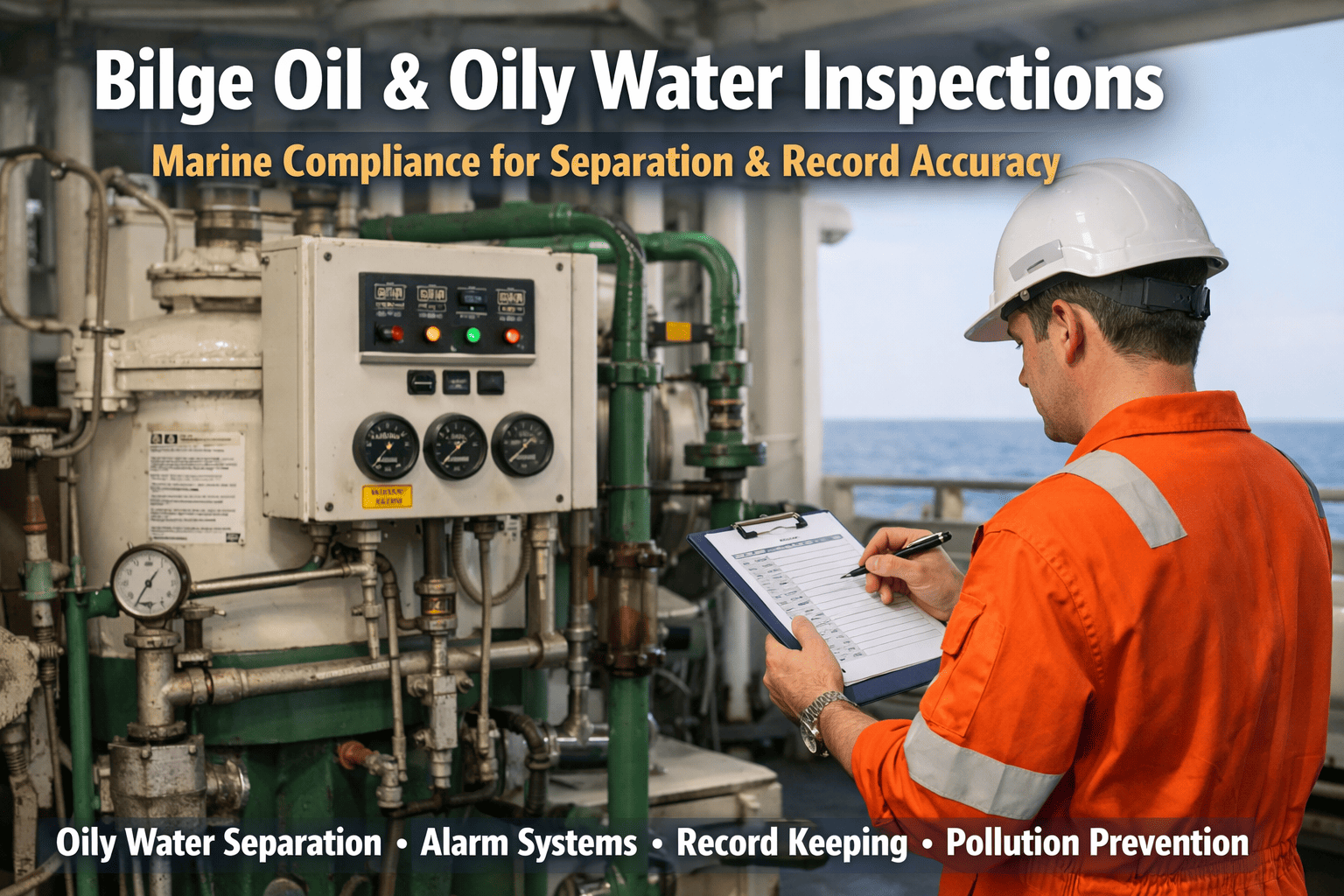
• OWS operational and maintained per manufacturer schedule
• 15 ppm bilge alarm tested monthly with documentation
• Automatic stopping device functional when oil content exceeds limits
• No bypass piping or unauthorized modifications present
• Overboard discharge valve secured when not in use
Inspector Test: Request crew demonstrate alarm function and stopping device operation
Inspection Focus:
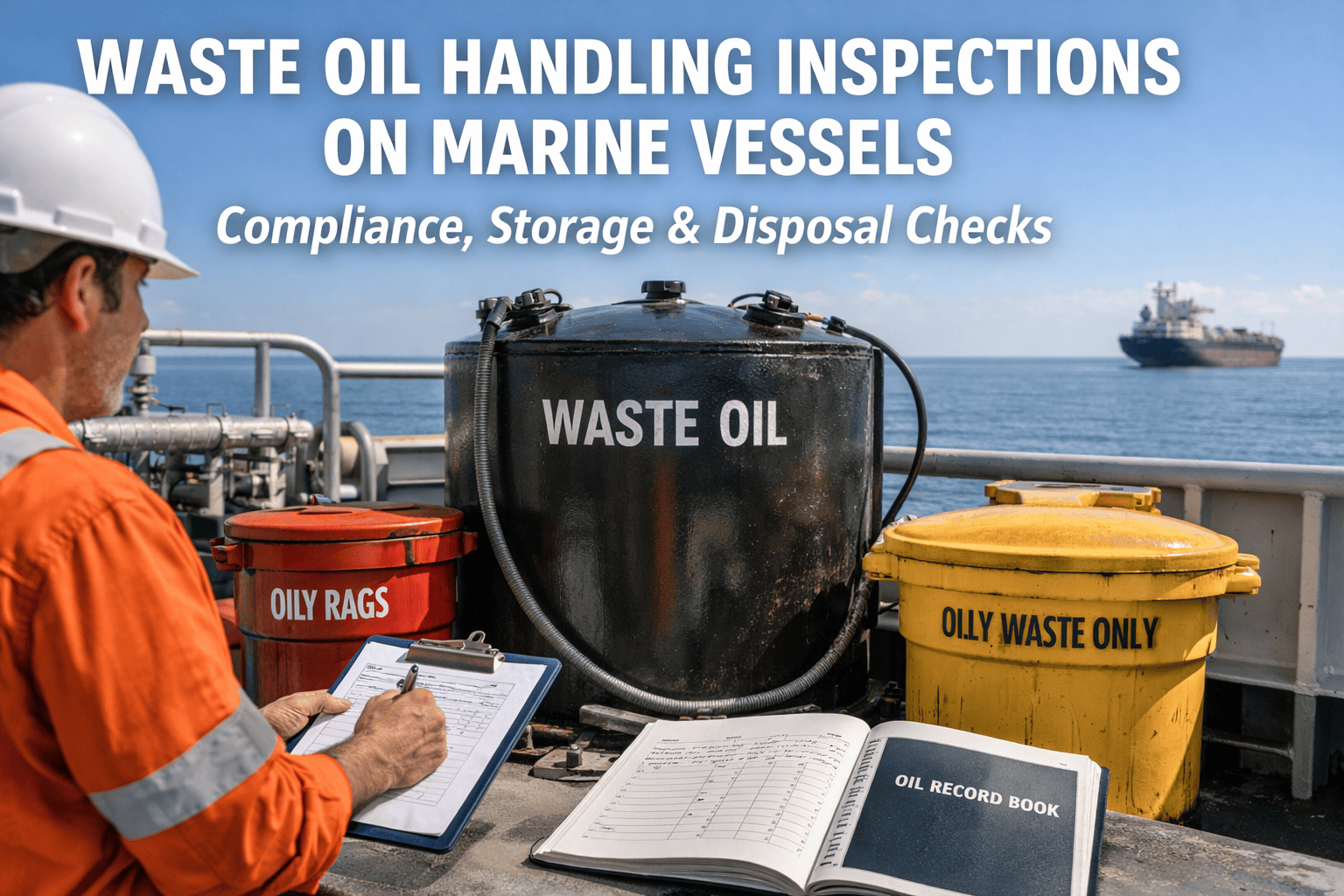
• All operations properly recorded with correct codes
• Master and officer signatures present on each page
• Entries made promptly, not backdated days later
• Bilge discharge entries match OWS operational records
• Accidental discharges or equipment failures documented
Inspector Test: Cross-reference recent ORB entries with equipment logs and port arrival/departure times
Inspection Focus:
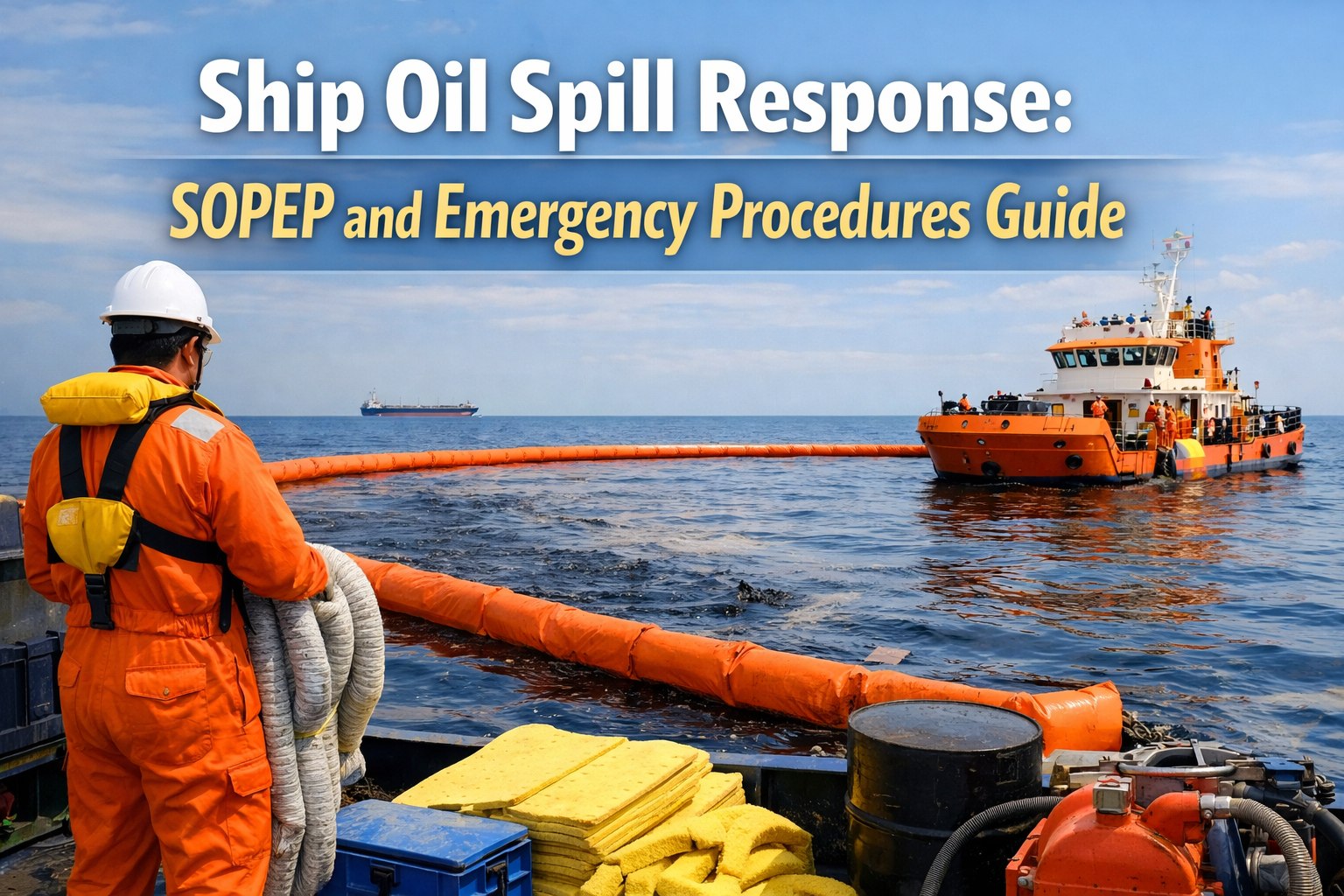
• Shipboard Oil Pollution Emergency Plan (SOPEP) readily available
• Absorbent materials, booms, pads sufficient and accessible
• Portable pumps operational with fuel and hoses ready
• Crew demonstrates knowledge of equipment locations and use
• Spill drill records show regular training and exercises
Inspector Test: Ask crew to locate and explain use of specific spill response equipment
Inspection Focus:
• Ship-shore safety checklist procedures established and followed
• Scupper plugs, drip trays positioned during bunkering
• Overflow prevention through proper tank monitoring
• Officer in charge designated and present during transfers
• Emergency shutdown procedures tested before operations
Inspector Test: Review recent transfer checklists and interview officer responsible for operations
Maintain Inspection-Ready Spill Prevention
Marine Inspection software tracks OWS maintenance schedules, automates Oil Record Book entries with electronic signatures, manages spill equipment inventories, and maintains crew training records—ensuring every spill prevention system meets inspection standards with documented evidence readily available.
Common Spill Prevention Deficiencies
Understanding frequent inspection findings helps vessels prevent violations. Sign up to implement corrective action tracking that addresses these systemic deficiencies before inspections occur.
Critical Deficiency
OWS Bypass or Tampering
Unauthorized bypass piping, disconnected alarms, or tampered equipment allowing oil discharge without proper treatment. This constitutes deliberate pollution and triggers criminal investigation.
Penalty: Vessel detention, fines $250,000-$1M+, criminal prosecution, company compliance oversight
Major Deficiency
Falsified Oil Record Book
ORB entries not matching actual operations, backdated entries, missing required operations, or inconsistencies with equipment logs proving records falsified after the fact.
Penalty: Detention until records corrected, fines $75,000-$200,000, flag state notification, ISM audit
Major Deficiency
Non-Functional 15 ppm Alarm
Bilge alarm inoperative, not tested monthly per requirements, or calibration expired preventing proper oil content monitoring during overboard discharges.
Penalty: Transfer operations prohibited, detention until repaired/calibrated, fines $25,000-$75,000
Standard Deficiency
Inadequate Spill Equipment
Insufficient absorbent materials, missing or damaged containment booms, portable pumps inoperative, or equipment not readily accessible during operations.
Penalty: Operations restricted until equipment provided, follow-up inspection required within 14 days
Standard Deficiency
Crew Knowledge Deficiencies
Crew unable to locate spill equipment, doesn't know emergency procedures, can't demonstrate alarm testing, or shows unfamiliarity with SOPEP requirements.
Penalty: Training program required, crew retraining documented, follow-up verification during next inspection
Observation
Delayed Maintenance Records
OWS maintenance completed but documentation missing or incomplete, alarm test records not current, or equipment logs showing gaps in routine servicing.
Penalty: Corrective action plan required, no operational restrictions but noted for future inspections
OWS Operation and Inspection Points
The oily-water separator receives intense scrutiny because it represents the primary barrier against operational oil pollution. Inspectors systematically verify equipment integrity and proper operation.
1
Physical Equipment Inspection
Inspector examines OWS for unauthorized modifications, bypass piping, disconnected alarms, or tampering evidence. Checks equipment approval certificate matches installed system. Verifies overboard discharge valve properly secured with seal or lock when not in authorized use.
2
15 ppm Alarm Functionality
Inspector requests crew demonstrate alarm testing procedure. Verifies monthly test records documented in equipment logbook. Checks calibration certificate validity (typically 5-year requirement). Confirms alarm triggers automatic stopping device when oil content exceeds 15 ppm threshold.
3
Operation Log Verification
Cross-references OWS operational hours with Oil Record Book discharge entries. Checks maintenance records show filter changes, coalescer servicing per manufacturer intervals. Verifies discharge monitoring logs present when system operated. Inconsistencies between logs trigger detailed investigation.
4
Crew Competence Verification
Inspector asks crew to explain normal operation procedure, demonstrate alarm testing, show emergency shutdown method. Inability to demonstrate competence indicates inadequate training or system actually not being used as documented, raising suspicion of improper bilge discharge practices.
Oil Record Book Inspection Techniques
Inspectors use specific techniques to detect falsified or incomplete Oil Record Books. Book a demo to explore automated ORB systems that eliminate common falsification indicators.
Timing Cross-Reference
Inspectors compare ORB bilge discharge entries against vessel position data from AIS and port arrival/departure times. Discharges allegedly performed while vessel at berth, in port limits, or within 12 nautical miles of shore reveal falsification. Discharge frequency inconsistent with vessel size and operation also triggers investigation.
Equipment Log Correlation
OWS operational hours documented in equipment logs must align with ORB discharge entries. If ORB shows bilge discharge but OWS logs show equipment not running during that period, records are falsified. Similarly, OWS running hours with no corresponding ORB entries indicate unreported (likely improper) discharges.
Bilge Accumulation Rates
Inspectors calculate expected bilge water accumulation based on vessel type, machinery arrangement, and operating patterns. If ORB shows minimal bilge accumulation on vessels where significant generation expected, or vice versa, it indicates either improper discharge practices or falsified record keeping—both serious violations.
Handwriting and Entry Patterns
Multiple sequential entries in identical handwriting, entries made in different ink than surrounding pages, or entries showing unusual uniformity suggest batch completion rather than real-time recording. ORB entries should show normal variations in handwriting, ink, and entry timing reflecting actual operations.
Expert Insights: Spill Prevention Under Inspection
The single most important spill prevention lesson: inspectors always cross-reference multiple data sources to detect falsification. I witnessed this during a PSC inspection in Rotterdam where the inspector spent 45 minutes comparing our Oil Record Book entries against OWS running hour meter, equipment maintenance logs, and vessel AIS position data. He found one entry showing bilge discharge on a date when our AIS data proved we were at berth in Hamburg. That single inconsistency triggered a full investigation—they examined six months of ORB entries, interviewed crew separately about bilge handling practices, and inspected the entire machinery space for bypass piping. We eventually cleared the inspection because the entry was a genuine transcription error from our paper logs, but it cost us two days detention and extensive documentation to prove no intentional falsification occurred.
The falsification temptation exists because proper OWS operation requires time and attention. When bilge accumulates faster than separator capacity handles, crews face a choice: properly store oily water for shore reception (requiring tank space and disposal costs), or take shortcuts. But modern inspection techniques make shortcuts impossible to hide. Digital ORB systems eliminate falsification risk because entries get timestamped automatically when operations occur and can't be backdated without obvious evidence of modification.
My approach is transparent recordkeeping even when operations aren't perfect. If OWS fails and we must store bilge water for weeks until reaching a port with reception facilities, the ORB documents exactly that. If shore reception facilities refuse our oily waste, we document the refusal with supporting correspondence. Inspectors respect honest records showing occasional operational challenges far more than suspiciously perfect records suggesting everything always works flawlessly. The vessels that face criminal prosecution are those where inspectors find evidence of systematic, deliberate pollution concealed through falsified documentation—not vessels with honest records documenting occasional equipment problems handled properly.
Strengthen Spill Prevention Compliance
Marine Inspection's platform provides comprehensive pollution prevention management—OWS maintenance tracking with automatic work orders, digital Oil Record Book with timestamped entries and electronic signatures, spill equipment inventory management, and crew training documentation proving inspection-ready compliance across your fleet.
Frequently Asked Questions
What triggers a detailed oil spill prevention inspection during PSC?
Initial inspections examine certificates, Oil Record Book, and crew interviews. Deficiencies or inconsistencies trigger expanded inspection. Red flags include: OWS running hours not matching ORB entries, crew unable to demonstrate alarm testing, equipment showing signs of tampering or unauthorized modifications, ORB entries inconsistent with vessel operations or position data, or previous inspection history showing pollution-related deficiencies. Anonymous reports from crew members also trigger detailed investigations. Once detailed inspection initiated, authorities examine entire pollution prevention system thoroughly.
How often must the 15 ppm bilge alarm be tested and documented?
MARPOL requires monthly testing of 15 ppm bilge alarm systems with results documented in equipment logbook. Tests must verify alarm activates at proper threshold and automatic stopping device functions correctly. Equipment requires calibration by approved service provider every 5 years with certificate maintained aboard. Inspectors specifically check for monthly test records—missing documentation even when equipment functional constitutes deficiency. Marine Inspection's platform schedules monthly alarm tests automatically, sends crew reminders, and maintains complete test history accessible during inspections.
What happens if inspectors find evidence of OWS bypass or tampering?
OWS bypass or tampering represents most serious pollution violation. Immediate consequences include vessel detention preventing departure, equipment seizure as evidence, crew interviews under caution, and notification to flag state and coastal authorities. Criminal investigation follows with potential charges against master, chief engineer, and company. Penalties range $250,000-$1,000,000+ plus imprisonment up to 5 years in US waters. Company faces Coast Guard compliance oversight, potential operating restrictions, and civil lawsuits. The vessel remains detained until authorities verify pollution prevention systems properly restored and crew trained on legal discharge procedures.
How does Marine Inspection software prevent Oil Record Book falsification?
Marine Inspection's digital Oil Record Book prevents falsification through automatic timestamping when entries created, electronic signatures with audit trails showing who made entries and when, integration with equipment running hour meters preventing time/date discrepancies, cross-referencing with vessel position data to flag impossible discharge locations, and immutable records preventing backdating or alteration without obvious modification evidence. The system generates inspection-ready reports showing complete operational history with all supporting data correlated automatically. This eliminates the inconsistencies inspectors look for when detecting paper record falsification.
What spill response equipment must vessels carry and how is it inspected?
Vessels must maintain Shipboard Oil Pollution Emergency Plan (SOPEP) with equipment inventory list. Required equipment includes: absorbent materials (pads, rolls, booms) in quantities appropriate for vessel size, portable pumps with fuel and hoses ready for immediate use, containment booms for deploying around vessel, protective equipment for crew conducting cleanup, and waste containers for recovered oil products. Inspectors verify equipment physically present, readily accessible, not expired or damaged, and crew demonstrates knowledge of locations and proper use. Inadequate equipment prevents operations until deficiencies corrected. Equipment quantities should match SOPEP inventory list exactly.
Eliminate Spill Prevention Compliance Gaps
Marine Inspection's comprehensive platform ensures oil spill prevention systems maintain inspection readiness through automated equipment maintenance tracking, digital Oil Record Book preventing falsification, spill equipment inventory management, and crew competence documentation—protecting your fleet from the violations that cause environmental penalties, criminal prosecution, and operational restrictions.