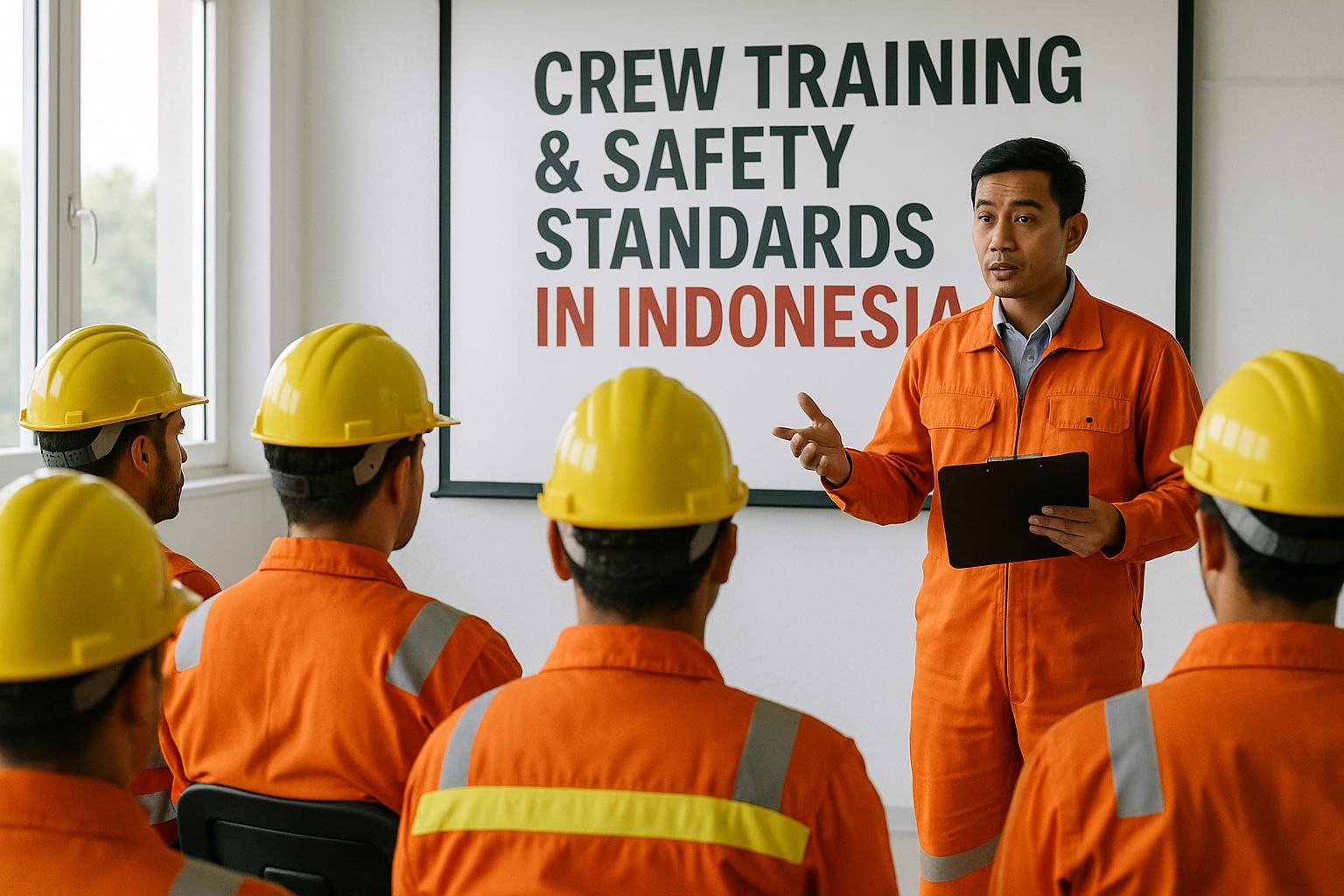
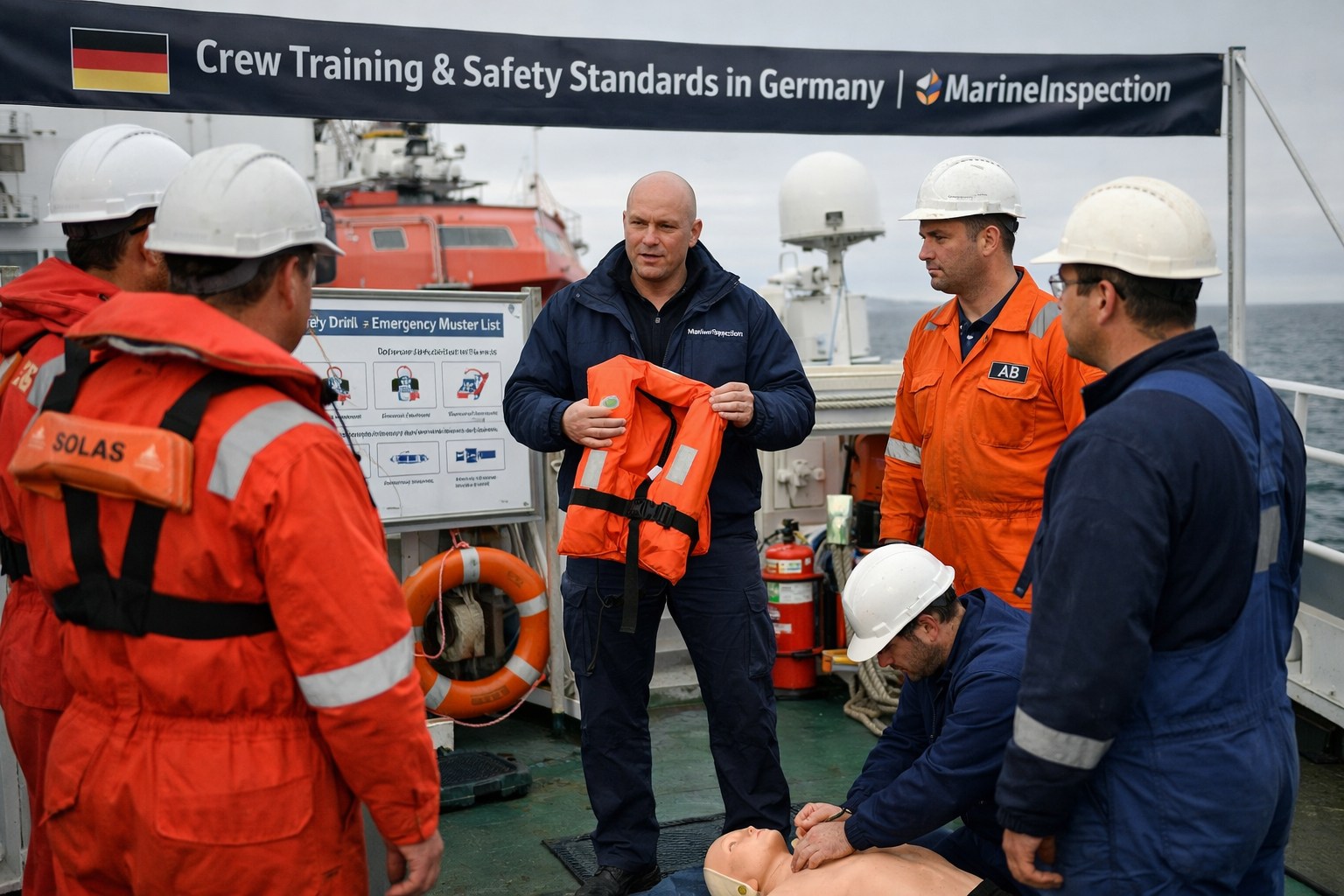
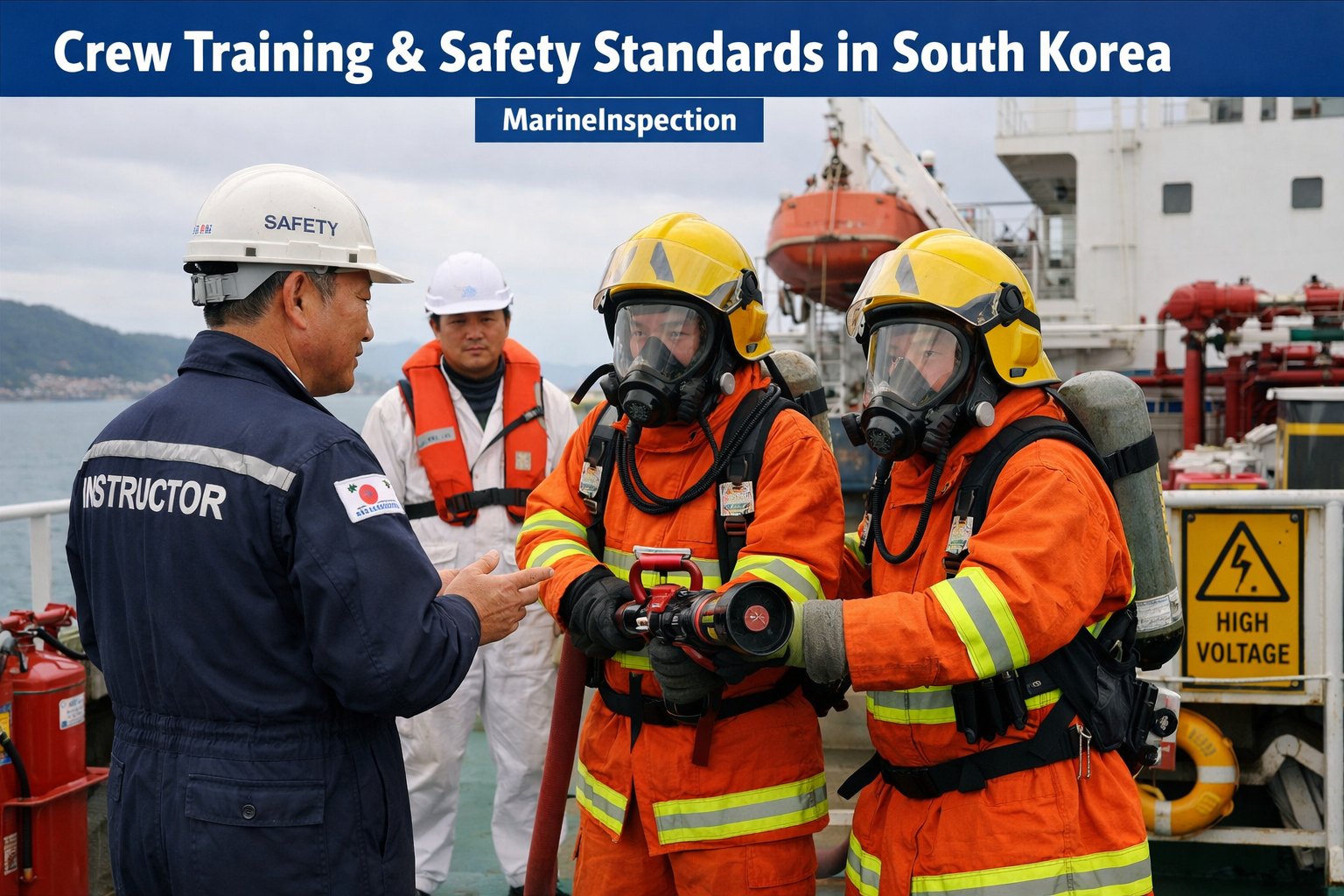
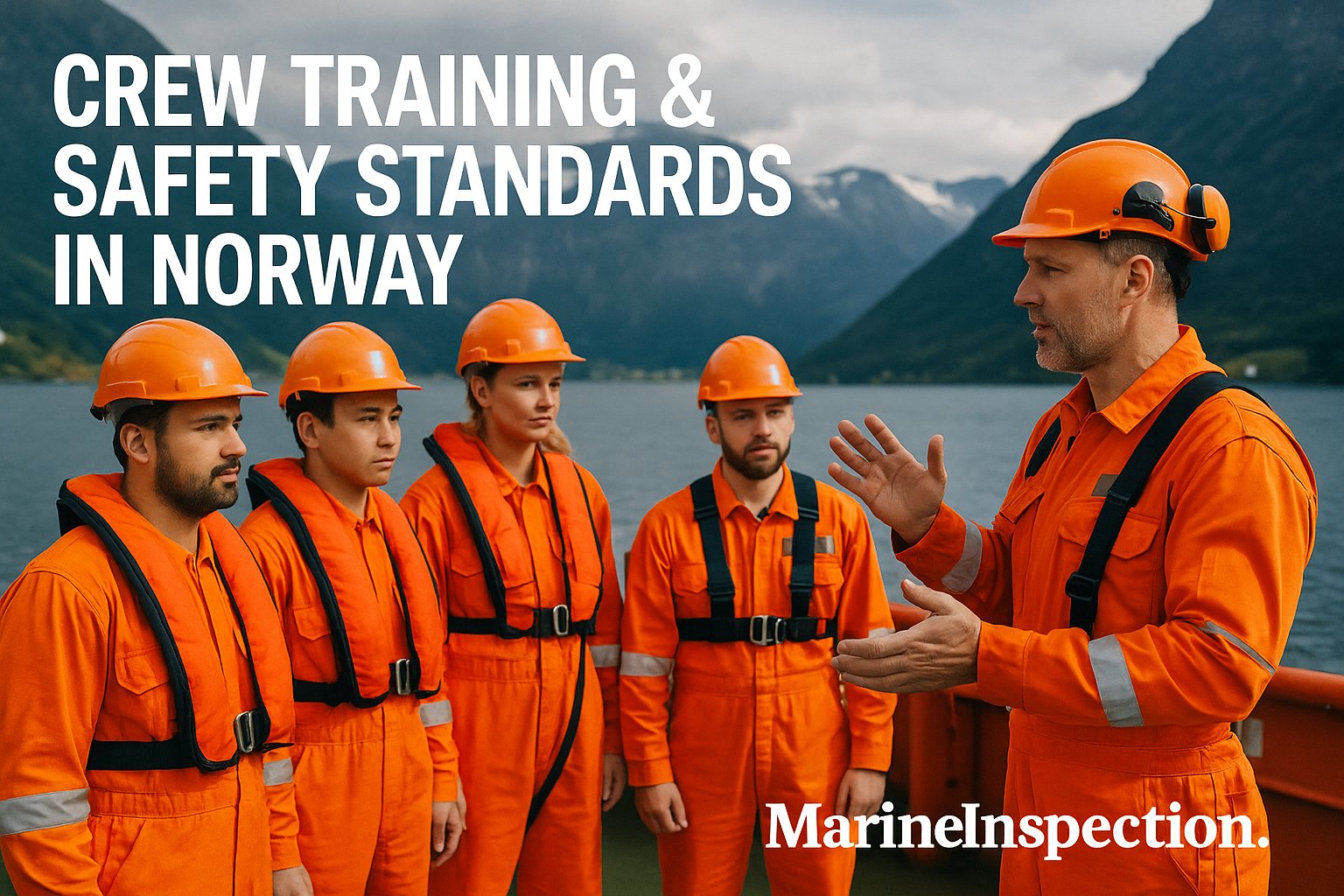
This comprehensive guide delivers actionable insights for implementing world-class crew training and safety standards in Indonesian maritime operations, covering STCW certification requirements, mandatory safety drills, MLC 2006 labor protections, and digital tools that reduce human error incidents by up to 85%. With studies indicating that 60-90% of maritime accidents involve human factors, proper crew training isn't just regulatory compliance—it's the most effective investment in operational safety, crew welfare, and long-term profitability for vessel operators across the Indonesian archipelago.
140K+
Indonesian Seafarers
5-Year
STCW Certificate Validity
80%+
Accidents: Human Factors
Monthly
Required Safety Drills
Ready to Elevate Your Crew Training Standards?
Transform your maritime safety culture with professional digital solutions ensuring Indonesia regulatory compliance.
Start Your Free Trial Today
Schedule Demo
Understanding Crew Compliance in Indonesia
Indonesia's maritime regulatory framework enforces comprehensive crew training standards aligned with international conventions including STCW (Standards of Training, Certification and Watchkeeping), MLC 2006 (Maritime Labour Convention), SOLAS safety requirements, and ISPS Code security protocols. The Directorate General of Sea Transportation (DGST) oversees seafarer certification and training center approval, while Indonesia's maritime academies including Politeknik Pelayaran Surabaya, STIP Jakarta, and Politeknik Ilmu Pelayaran Bandung produce thousands of qualified officers and ratings annually. Our platform offers comprehensive marine inspection services including crew training management – start your free trial today to streamline compliance verification and certification tracking across your fleet operations.
STCW Basic Training
All seafarers must complete four mandatory Basic Safety Training courses before boarding any vessel: Personal Survival Techniques (PST), Fire Prevention and Fire Fighting (FPFF), Elementary First Aid (EFA), and Personal Safety and Social Responsibilities (PSSR). Certificates are valid for 5 years and require refresher training before renewal. Indonesian training centers approved by DGST provide these foundational courses meeting IMO standards.
⚓
Certificate of Competency
Officers require Certificates of Competency (CoC) issued by the flag state administration based on approved sea service, examination, and training. Indonesian-flagged vessels require DGST-issued CoCs, while foreign-flag vessels require endorsement recognition. CoC levels progress from Officer of the Watch through Chief Mate to Master (deck) or from Fourth Engineer through Second Engineer to Chief Engineer (engine).
ISPS Security Training
All personnel on ISPS-applicable vessels require security awareness training (PSA) completed once in their career. Seafarers with designated security duties require Proficiency in Designated Security Duties (PDSD) training. Ship Security Officers (SSO) must complete specialized SSO certification meeting STCW VI/5 requirements. Security drills are required quarterly under ISPS Code provisions.
Specialized Tanker Training
Personnel on oil, chemical, and gas tankers require specialized training certificates. Basic training covers cargo operations safety for all tanker crew. Advanced training is mandatory for officers with cargo handling responsibilities. Separate certifications exist for oil tankers (BOCT/AOT), chemical tankers (ACT), and liquefied gas tankers (BLGT/ALGT) with 5-year refresher requirements.
GMDSS Radio Operator
Officers responsible for radio communications require Global Maritime Distress and Safety System (GMDSS) General Operator Certificate (GOC) or Restricted Operator Certificate (ROC) depending on vessel trading area. Training covers distress communications, equipment operation, and emergency procedures. Annual equipment testing and regular drills maintain operational readiness.
Medical Care Certification
Vessels without a doctor onboard require designated personnel with Medical First Aid (MFA) or Proficiency in Medical Care (MC) certification. Medical First Aid is typically required for all officers, while Medical Care certification is mandatory for the designated medical officer. Training covers emergency care, medication administration, and telemedicine consultation procedures.
Critical Compliance Warning: Indonesia ratified MLC 2006 in June 2017, establishing comprehensive seafarer protections now enforced through Port State Control inspections. Vessels must maintain valid Maritime Labour Certificates and carry Declarations of Maritime Labour Compliance. Non-compliance triggers deficiencies, potential detention, and denial of port access. Ensure all crew certifications remain current with adequate lead time for renewal training before expiration.
Best Practices and Digital Tools for Crew Training
Effective crew training programs combine regulatory compliance with practical skill development, addressing the human factors that contribute to 60-90% of maritime accidents. Modern maritime training increasingly incorporates simulation technology, e-learning platforms, and competency-based assessment methods that improve knowledge retention and practical application. Our platform offers comprehensive marine inspection services with integrated training management – sign up in minutes to get started ensuring systematic tracking of certifications, training records, and competency verification across your entire crew roster.
85%
Reduction in Human Error
77 hrs
Minimum Weekly Rest
10 hrs
Daily Rest Minimum
Monthly
Drill Frequency
SOLAS Mandatory Drill Requirements
Monthly for Cargo Vessels | Weekly for Passenger Ships
Every crew member must participate in at least one fire drill per month. Drills conducted within 24 hours of leaving port when more than 25% of crew haven't participated in the previous month. Training covers fire detection, alarm response, firefighting equipment operation, ventilation control, and casualty evacuation procedures.
Monthly for Cargo Vessels | Weekly for Passenger Ships
Every crew member participates in at least one abandon ship drill monthly. Drills include muster station assembly, lifejacket donning verification, lifeboat preparation, and lowering procedures. Lifeboats launched with operating crew aboard at least every three months. Free-fall lifeboats launched every six months with assigned crew.
Every Two Months
Crew members with enclosed space entry or rescue responsibilities must participate in drills at least every two months. Training covers atmospheric testing, rescue equipment, communication procedures, and emergency response. Enclosed space casualties remain a leading cause of multiple fatalities – proper training is essential.
Quarterly
ISPS Code requires security drills at least quarterly testing various elements of the Ship Security Plan. Drills cover access control, cargo monitoring, restricted area patrols, and security level changes. Annual exercises with port facilities test communication and coordination procedures.
Work and Rest Hour Requirements
Fatigue management through proper rest periods is critical for maritime safety, with studies showing 60-75% of maritime incidents are linked to human error where fatigue is a key factor. Both STCW and MLC 2006 establish minimum rest requirements that Indonesia enforces through Port State Control inspections and flag state oversight.
STCW/MLC Rest Hour Requirements
10
Hours Minimum
in any 24-hour period
77
Hours Minimum
in any 7-day period
6
Hours Continuous
minimum rest period
14
Hours Maximum
between rest periods
Rest periods may be divided into no more than two periods. Exceptions permitted for emergencies and drills but require compensatory rest. Individual records must be maintained and signed by master and seafarer.
Indonesia-Specific Training Considerations
Operating in Indonesia's unique maritime environment presents specific crew training considerations including language requirements, local training center availability, and coordination with DGST for Indonesian-flagged vessel certification. Understanding these Indonesia-specific factors enables effective crew development while maintaining full compliance with both national regulations and international conventions.
Maritime Training Infrastructure
Indonesia operates numerous STCW-approved training centers across major maritime cities including Jakarta, Surabaya, and Bandung. Politeknik Pelayaran Surabaya (Surabaya Shipping Polytechnic), STIP Jakarta (Sekolah Tinggi Ilmu Pelayaran), and Politeknik Ilmu Pelayaran Bandung offer comprehensive officer training programs. Private training centers provide specialized STCW courses including tanker training, GMDSS certification, and refresher programs meeting international standards.
Global Seafarer Supply Role
Indonesia ranks as the world's third-largest seafarer-supplying nation with approximately 140,000 active seafarers serving on international vessels. Indonesian ratings rank third globally for supply volume, while officers rank fifth. This significant workforce generates substantial foreign exchange through remittances. Government initiatives support maritime education expansion to meet growing global demand for qualified seafarers.
MLC 2006 Implementation
Indonesia ratified the Maritime Labour Convention in June 2017, establishing comprehensive seafarer protections including employment agreements, work hour limits, accommodation standards, health protection, and repatriation rights. Indonesian-flagged vessels of 500 GT or more on international voyages must carry Maritime Labour Certificates and DMLC. Port State Control Officers verify MLC compliance during inspections at Indonesian ports.
Digital Training Solutions
E-learning platforms increasingly supplement traditional classroom and simulator training for Indonesian seafarers. Online STCW refresher courses approved by various flag states enable certification renewal without extensive travel. Computer-based training (CBT) systems support onboard familiarization and continuous professional development. Digital certification management platforms streamline document verification and expiration tracking.
Training Implementation Roadmap
Successful crew training implementation requires systematic planning covering initial certification, ongoing competency development, and compliance verification. This roadmap provides structured guidance for building effective training programs that meet regulatory requirements while developing genuine safety competencies across your maritime workforce.
01
Certification Audit and Gap Analysis
Conduct comprehensive review of all crew certifications against vessel requirements and trading patterns. Identify certificates approaching expiration, missing endorsements, and training gaps. Develop prioritized training plan addressing critical compliance requirements first. Establish certification tracking system with automated renewal alerts.
02
Training Provider Selection
Evaluate Indonesian and regional training centers against STCW approval status, course quality, and logistical convenience. Establish relationships with preferred providers for cost-effective bulk training arrangements. Verify flag state recognition for foreign training certificates. Consider e-learning options for refresher training to minimize crew travel.
03
Onboard Training Program Development
Develop structured shipboard training programs covering familiarization, safety equipment operation, and vessel-specific procedures. Implement drill schedules meeting SOLAS frequency requirements with varied scenarios. Establish competency assessment procedures verifying practical skills beyond certificate holding. Document all training in training record books and electronic systems.
04
Safety Culture Development
Foster proactive safety culture through visible leadership commitment, open communication channels, and non-punitive reporting systems. Conduct regular safety meetings addressing near-miss incidents and lessons learned. Implement behavioral observation programs identifying at-risk practices. Recognize and reward safety excellence to reinforce positive behaviors.
05
Continuous Improvement and Verification
Monitor training effectiveness through competency assessments, drill performance evaluation, and incident analysis. Conduct internal audits verifying training record accuracy and compliance maintenance. Review training programs annually against regulatory updates and operational experience. Benchmark performance against industry standards and implement improvements.
Essential Training Checklists
Comprehensive checklists ensure systematic coverage of all training requirements while providing documentation for inspection and audit purposes. Digital checklist platforms enable real-time tracking, automatic scheduling, and fleet-wide visibility of training status.
- Personal Survival Techniques (PST) – valid certificate with 5-year renewal
- Fire Prevention and Fire Fighting (FPFF) – valid certificate with 5-year renewal
- Elementary First Aid (EFA) – valid certificate with 5-year renewal
- Personal Safety and Social Responsibilities (PSSR) – valid certificate
- Security Awareness Training (PSA) – completed once in career
- Proficiency in Survival Craft and Rescue Boats (PSCRB) where required
- Advanced Fire Fighting (AFF) for designated fire team personnel
- Medical First Aid (MFA) for officers as required
- Certificate of Competency (CoC) appropriate to rank and department
- Flag state endorsement or recognition of foreign CoC
- GMDSS Operator Certificate (GOC/ROC) for designated radio operators
- ECDIS Type-Specific training for navigation officers
- Bridge Resource Management (BRM) or Engine Resource Management (ERM)
- Radar/ARPA training certification for deck officers
- Ship Security Officer (SSO) certification if designated
- Medical Care (MC) for designated ship's medical officer
- Basic Oil/Chemical Tanker Cargo Operations (BOCT) – all tanker personnel
- Advanced Oil Tanker Cargo Operations (AOT) – officers with cargo duties
- Advanced Chemical Tanker Cargo Operations (ACT) – chemical tanker officers
- Basic Liquefied Gas Tanker Operations (BLGT) – gas carrier personnel
- Advanced Liquefied Gas Tanker Operations (ALGT) – gas carrier officers
- Inert Gas System operations familiarization
- Cargo operations simulator training where available
- 5-year refresher training completion before certificate expiry
- Training Record Book maintained current for all crew
- Familiarization training completed within 2 weeks of joining
- Monthly fire and abandon ship drill participation documented
- Enclosed space entry drill participation (every 2 months)
- Security drill participation records (quarterly)
- Work/rest hour records maintained and signed
- Safety meeting attendance records
- Competency assessments documented by department heads
Cost-Benefit Analysis: Professional Crew Training
Investment in comprehensive crew training delivers substantial returns through reduced incidents, improved operational efficiency, and avoided regulatory penalties. With human factors contributing to 60-90% of maritime accidents, effective training represents the most impactful safety investment available to vessel operators.
60-90%
Accidents Involve Human Factors
$2M+
Average Major Casualty Cost
85%
Error Reduction Possible
5-10x
Training Investment ROI
Implementation Strategy for Training Excellence
Building an effective crew training program requires commitment from all organizational levels, from senior management providing resources and priorities to masters ensuring onboard implementation. Start by conducting comprehensive certification audits across your fleet, identifying gaps and establishing prioritized training schedules addressing critical compliance requirements first.
Select our platform offering comprehensive marine inspection services and training management – sign up now for immediate access to digital solutions streamlining certification tracking, training scheduling, and compliance verification. Effective platforms provide automated expiration alerts, training record documentation, and fleet-wide visibility supporting proactive management.
Develop onboard training programs extending beyond regulatory minimums to build genuine safety competencies. Vary drill scenarios to challenge crews and develop adaptive responses. Conduct regular competency assessments verifying practical skills rather than just certificate holding. Foster open communication enabling crew to raise safety concerns without fear of repercussions.
Invest in your training infrastructure through partnerships with quality Indonesian training centers, e-learning platform subscriptions, and simulator access where beneficial. Well-trained crews reduce incidents, improve operational efficiency, and enhance vessel reputation with charterers and port state authorities. The return on training investment consistently exceeds costs through avoided casualties, reduced insurance claims, and improved operational reliability.
Transform Your Crew Training Program Today
Our platform offers comprehensive marine inspection services – join thousands of maritime professionals achieving Indonesia regulatory compliance and operational excellence.
Create Your Free Account Now
Schedule Demo
Frequently Asked Questions
Q1: What STCW certificates are mandatory for all seafarers?
All seafarers must complete STCW Basic Safety Training consisting of four mandatory courses: Personal Survival Techniques (PST), Fire Prevention and Fire Fighting (FPFF), Elementary First Aid (EFA), and Personal Safety and Social Responsibilities (PSSR). These certificates are valid for 5 years and require refresher training before renewal. Additionally, all personnel on ISPS-applicable vessels require Security Awareness Training (completed once in career). Officers require additional certifications including Certificates of Competency appropriate to their rank, GMDSS operator certificates, and specialized training based on vessel type.
Q2: How often must safety drills be conducted under SOLAS?
Under SOLAS regulations, every crew member must participate in at least one abandon ship drill and one fire drill every month on cargo vessels. Passenger ships require weekly drills. Drills must occur within 24 hours of leaving port if more than 25% of crew haven't participated in drills on that vessel in the previous month. Lifeboats must be launched with operating crew aboard at least every three months, with free-fall lifeboats launched every six months. Enclosed space entry drills are required every two months for designated personnel. Security drills under ISPS Code are required quarterly.
Q3: What are the MLC 2006 rest hour requirements?
Under both MLC 2006 and STCW, seafarers must receive a minimum of 10 hours rest in any 24-hour period and 77 hours rest in any 7-day period. Rest periods may be divided into no more than two periods, with at least one being 6 hours continuous. The interval between consecutive rest periods cannot exceed 14 hours. Work hours are limited to a maximum of 14 hours in any 24-hour period and 72 hours in any 7-day period. Exceptions are permitted for emergencies and essential drills but require compensatory rest. Individual records must be maintained and signed by both the master and seafarer.
Q4: What security training is required under ISPS Code?
ISPS Code requires three levels of security training. All personnel on ISPS-applicable vessels require Security Awareness Training (PSA) per STCW A-VI/6-1, completed once in their career. Seafarers with designated security duties require Proficiency in Designated Security Duties (PDSD) training per STCW A-VI/6-2. Ship Security Officers require specialized SSO certification per STCW VI/5, including at least 12 months approved seagoing service. Security-related familiarization training must be completed before assignment to shipboard duties, covering security threat recognition and emergency procedures.
Q5: How does Indonesia rank as a seafarer-supplying nation?
Indonesia ranks as the world's third-largest seafarer-supplying nation with approximately 140,000 active seafarers serving on international vessels. Indonesia ranks third globally for ratings supply and fifth for officers. The Philippines leads globally, followed by China, with Indonesia, Russia, and Ukraine completing the top five. Indonesian maritime training institutions including Politeknik Pelayaran Surabaya, STIP Jakarta, and numerous private training centers produce qualified officers and ratings meeting international standards. Seafarer remittances contribute significantly to Indonesia's foreign exchange earnings.
Q6: What tanker training certificates are required?
All personnel on oil, chemical, or gas tankers require basic cargo operations training: Basic Oil Chemical Tanker (BOCT) for oil/chemical tankers or Basic Liquefied Gas Tanker (BLGT) for gas carriers. Officers with cargo handling responsibilities require advanced certificates: Advanced Oil Tanker (AOT), Advanced Chemical Tanker (ACT), or Advanced Liquefied Gas Tanker (ALGT) depending on cargo type. All tanker training certificates require refresher training every 5 years before expiry. Training must be completed at approved training centers using approved curricula including simulator exercises where required.
Q7: What percentage of maritime accidents involve human factors?
Research consistently indicates that 60-90% of maritime accidents involve human factors, with many studies citing approximately 80% as a commonly accepted figure. Fatigue is a key contributing factor, with studies showing 60-75% of maritime incidents are linked to human error where fatigue plays a significant role. Contributing factors include decision errors, situational awareness failures, communication breakdowns, and fatigue. This high percentage underscores the importance of effective crew training, proper rest management, and safety culture development as the most impactful investments in maritime safety.
Q8: What is Indonesia's MLC 2006 compliance status?
Indonesia ratified the Maritime Labour Convention (MLC 2006) on June 12, 2017, becoming the 83rd ILO member state to ratify this convention. The MLC entered into force for Indonesia one year after ratification in June 2018. Indonesian-flagged vessels of 500 GT or more on international voyages must carry Maritime Labour Certificates and Declarations of Maritime Labour Compliance. Port State Control Officers at Indonesian ports verify MLC compliance for all visiting vessels, with non-compliance triggering deficiencies and potential detention. Indonesia's ratification reflects its commitment as a major seafarer-supplying nation.
Q9: What are ECDIS training requirements?
Officers with navigational responsibilities on vessels fitted with ECDIS require Generic ECDIS training meeting STCW requirements plus type-specific training for the particular ECDIS equipment installed onboard. Generic training covers ECDIS operation, chart management, route planning, and safety features. Type-specific training familiarizes officers with the specific manufacturer's equipment interface and functions. Training must be documented in the seafarer's training record. As ECDIS becomes mandatory on most vessels, ensuring officer competency is essential for safe navigation and regulatory compliance.
Q10: How should training records be maintained?
Our platform offers comprehensive marine inspection services including training record management – join today to maintain complete training documentation including: Training Record Books for each seafarer updated with all training completed, certificates of proficiency with validity dates and issuing authority, drill participation records with dates, scenarios, and performance notes, familiarization training completion documented within 2 weeks of joining, work/rest hour records signed by master and seafarer, competency assessment records by department heads, and safety meeting attendance. Records must be readily available for Port State Control inspection and ISM audits.