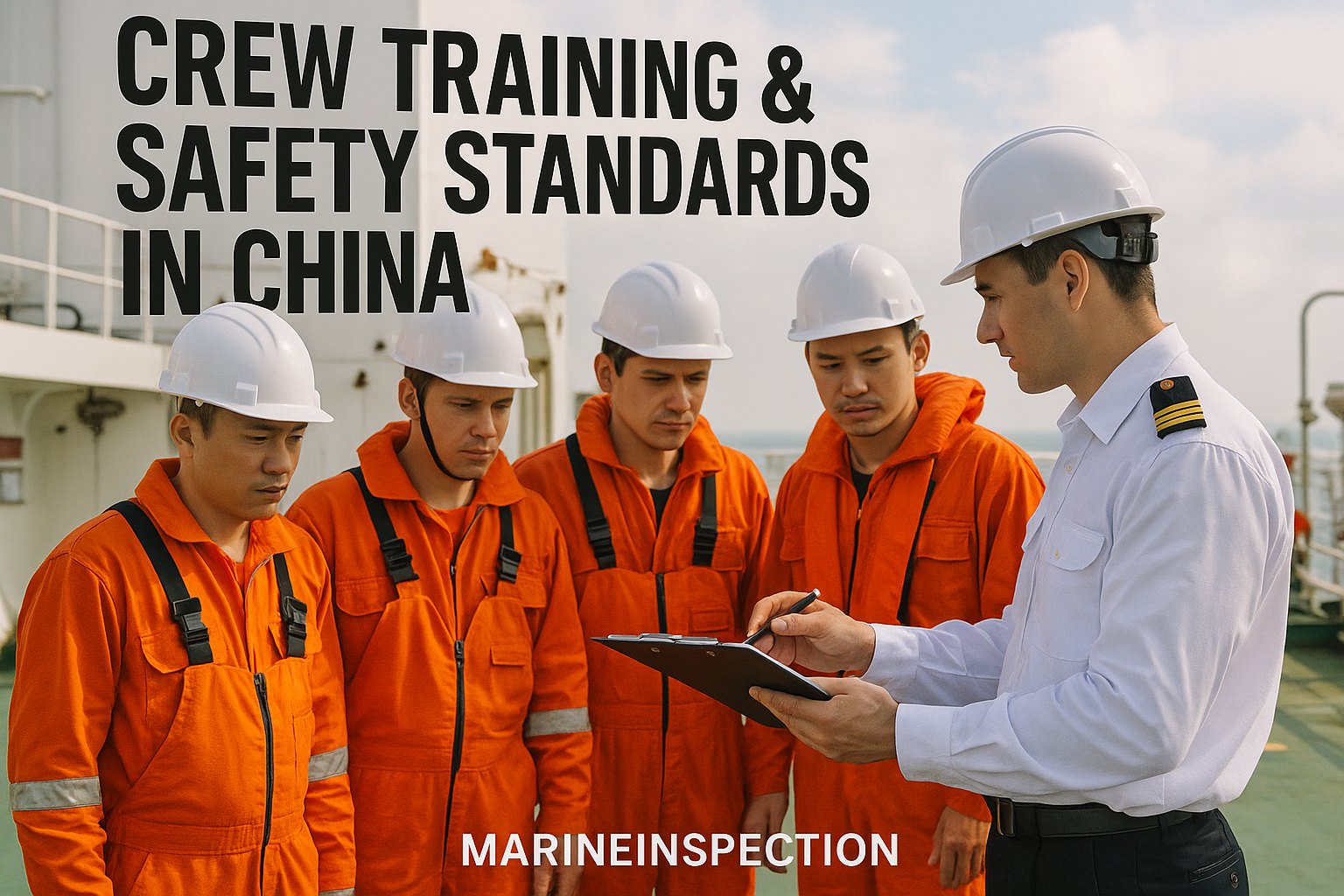
China's maritime industry employs over 650,000 seafarers operating the world's largest commercial fleet, making crew training and safety standards critical to maintaining operational excellence and regulatory compliance. The Maritime Safety Administration (MSA) of China enforces comprehensive training requirements aligned with STCW Convention standards while adding specific domestic certifications for vessels operating in Chinese waters. With penalties up to $100,000 for non-compliance and increasing focus on crew competency verification during port state control inspections, shipping companies must implement robust training programs ensuring all crew members meet Chinese certification standards. This guide provides shipowners, crewing managers, and maritime training coordinators with practical strategies to achieve full compliance, enhance crew safety performance, and optimize training investments.
Crew Training & Safety Standards in China: Certification, Compliance & Best Practices
Streamline Your Crew Training Management
Use digital tools to track certifications, expiries, and training records for every crew member in one place.
Start Free Trial Schedule DemoUnderstanding China's Maritime Crew Training Requirements and Safety Compliance Standards
China's crew training framework integrates international STCW (Standards of Training, Certification and Watchkeeping) requirements with specific domestic regulations enforced by the Maritime Safety Administration. Understanding both international and Chinese-specific requirements ensures comprehensive compliance for vessels operating in Chinese waters. Our platform simplifies crew training management with automated certificate tracking, compliance alerts, and digital training records meeting MSA requirements.
STCW Convention Compliance
All crew members on Chinese-flagged vessels and foreign vessels in Chinese waters must hold valid STCW certificates issued by recognized maritime administrations and endorsed by China MSA when required.
- Certificates of Competency (CoC) for officers
- Certificates of Proficiency for ratings
- Mandatory refresher training every 5 years
- Specialized training certificates (GMDSS, tanker, etc.)
Chinese Seafarer Certificates
Chinese nationals working on Chinese-flagged vessels must obtain specific certificates from MSA-approved training institutions in addition to STCW requirements.
- Chinese Seafarer's Certificate (Seaman's Book)
- Service Book documenting sea service
- Discharge Book for employment history
- MSA endorsement of foreign certificates when applicable
Safety Training Requirements
Comprehensive safety training covering basic safety, firefighting, survival craft, first aid, and vessel-specific equipment is mandatory for all crew with periodic refresher requirements.
- Basic Safety Training (BST) for all seafarers
- Advanced firefighting for designated crew
- Medical First Aid and Medical Care training
- Vessel-specific safety familiarization
MSA Compliance Verification
MSA conducts regular inspections verifying crew certification, training records, and competency through document review and practical assessments during port state control.
- Certificate authenticity verification
- Training record book inspection
- Practical competency demonstrations
- Minimum safe manning compliance check
Common Crew Training and Compliance Challenges
Understanding typical challenges helps shipping companies develop proactive strategies ensuring continuous compliance and crew readiness for Chinese operations.
Certificate Expiration Management
Challenge: Tracking multiple certificate expiration dates across large crews with different renewal schedules leads to expired certificates and compliance violations.
Solution: Digital certificate management systems with automated expiration alerts, renewal planning, and training scheduling ensure continuous compliance without gaps.
Training Quality and Recognition
Challenge: Ensuring training is delivered by MSA-recognized institutions and meets Chinese standards for certificate endorsement and acceptance.
Solution: Partner with approved training centers, verify MSA recognition status before enrollment, maintain comprehensive training documentation with certificates.
Language and Cultural Barriers
Challenge: Multinational crews require training in multiple languages while meeting Chinese documentation requirements often mandating Mandarin translations.
Solution: Multilingual training materials, certified translation services for critical documents, language proficiency verification for key positions.
Training Cost Optimization
Challenge: Balancing comprehensive training requirements with budget constraints while maintaining quality and compliance standards.
Solution: Strategic training planning, blended learning approaches combining online and practical sessions, bulk training arrangements with approved centers.
Best Practices, Training Methods, and Digital Tools for Enhancing Crew Safety and Performance
Implementing systematic crew training programs with modern digital tools ensures compliance while developing highly competent, safety-conscious crews. Our platform provides comprehensive training management with certificate tracking, course scheduling, competency assessment, and automated compliance reporting for Chinese maritime operations.
Digital Certificate Management System
- ✓ Centralized database of all crew certificates with expiration tracking
- ✓ Automated alerts 90/60/30 days before certificate expiration
- ✓ Digital document storage with instant retrieval for inspections
- ✓ Certificate verification against MSA and flag state databases
- ✓ Renewal planning with training center booking integration
Structured Training Program Development
- ✓ Comprehensive training matrix mapping requirements to crew positions
- ✓ Competency-based training objectives with measurable outcomes
- ✓ Blended learning combining online modules with practical sessions
- ✓ Regular refresher training beyond mandatory minimums
- ✓ Career development pathways supporting crew advancement
Onboard Training and Familiarization
- ✓ Vessel-specific safety familiarization within 24 hours of joining
- ✓ Regular emergency drills (weekly/monthly as per SOLAS)
- ✓ Equipment operation training with competency assessment
- ✓ Bridge Resource Management (BRM) and Engine Room Resource Management (ERM)
- ✓ Digital training records with sign-off verification
Safety Culture and Performance Monitoring
- ✓ Safety performance indicators (KPIs) tracking and analysis
- ✓ Near-miss and incident reporting systems with lessons learned
- ✓ Regular safety meetings and toolbox talks
- ✓ Safety observation programs encouraging proactive reporting
- ✓ Recognition programs rewarding safety excellence
Compliance Audit and Continuous Improvement
- ✓ Internal audits verifying training compliance and effectiveness
- ✓ Mock PSC inspections preparing crew for MSA examinations
- ✓ Training effectiveness evaluation through competency testing
- ✓ Feedback mechanisms capturing crew and management input
- ✓ Continuous program updates reflecting regulatory changes
Comprehensive Training Implementation Roadmap
Follow this systematic approach to establish world-class crew training programs meeting Chinese compliance standards while developing highly competent seafarers.
Assessment & Gap Analysis (2-4 Weeks)
Audit current crew certifications, identify gaps against Chinese requirements, assess training center partnerships, evaluate existing programs, and develop comprehensive compliance roadmap.
System Setup & Planning (3-6 Weeks)
Implement digital certificate management system, establish relationships with MSA-approved training centers, develop training matrix, create scheduling procedures, and plan renewal timelines.
Training Delivery & Certification (8-12 Weeks)
Execute training programs addressing identified gaps, coordinate with approved training centers, conduct onboard familiarization, verify certificate issuance, and update digital records.
Monitoring & Continuous Improvement (Ongoing)
Monitor certificate expiration dates, schedule refresher training, conduct internal audits, evaluate training effectiveness, update programs based on feedback, and maintain MSA compliance.
Critical Compliance Checklist for Chinese Operations
- Verify certificate validity: All crew certificates must be current with no gaps between expiration and renewal
- Maintain training records: Keep comprehensive records of all training including dates, training center, and certificate numbers
- Check MSA recognition: Ensure training institutions are MSA-approved for Chinese seafarer certificate issuance
- Document sea service: Maintain accurate sea service records in approved format (service books)
- Prepare for PSC: Conduct regular self-audits ensuring all crew documentation is inspection-ready
- Monitor regulatory updates: Stay informed of MSA circular updates affecting training requirements
Our platform automates compliance tracking with real-time alerts and audit-ready reporting.
Training Investment vs. Non-Compliance Costs
Annual Training Investment
- STCW Refresher Training: $800-1,500 per officer
- Basic Safety Training: $500-1,000 per crew
- Specialized Training (tanker, etc.): $1,000-2,500
- Medical Certificates: $150-300 per crew
- Digital Management Platform: $200-500/month
- Travel & Accommodation: Variable by location
Per Crew Member: $2,000-5,000 annually
Non-Compliance Consequences
- MSA Fines: Up to $100,000 per vessel
- Vessel Detention: $10,000-50,000 daily costs
- Crew Replacement: $5,000-15,000 emergency costs
- Charter Party Penalties: Contract breach damages
- Operational Delays: Port restrictions and bans
- Reputational Damage: Lost contracts and relationships
Single Violation: $100K+ plus operational impact
Frequently Asked Questions
What are the basic certification requirements for crew on Chinese-flagged vessels?
Crew on Chinese-flagged vessels must hold valid STCW certificates issued by recognized maritime administrations, Chinese Seafarer's Certificate (Seaman's Book) issued by MSA, Service Book documenting sea service, valid medical fitness certificate, and specialized certificates as required by vessel type (tanker, passenger, etc.). Officers require Certificates of Competency (CoC) appropriate to their rank, while ratings need Certificates of Proficiency. All certificates must be endorsed by China MSA for Chinese nationals. Foreign crew working on Chinese vessels need MSA recognition of their certificates.
How often must crew complete refresher training under Chinese regulations?
STCW mandatory refresher training must be completed every 5 years to maintain certificate validity. This includes Basic Safety Training refresher, Advanced Firefighting revalidation for designated crew, Medical First Aid/Medical Care renewal, and Survival Craft and Rescue Boats refresher. Additionally, specific endorsements like GMDSS, tanker safety, and passenger ship certificates have their own revalidation schedules, typically every 5 years. Crew must complete refresher training before certificate expiration; otherwise, they must repeat the full initial course. MSA requires documentary evidence of refresher training completion during inspections.
Are online training courses accepted for Chinese seafarer certification?
China MSA accepts approved online training for certain theoretical components of STCW courses, but practical assessments must always be conducted in person at approved training centers. Online training must be delivered by MSA-recognized institutions using approved platforms meeting quality standards. Courses involving hands-on skills (firefighting, survival craft operation, medical care) require in-person attendance at approved facilities. Certificate issuance requires verification that both theoretical and practical components were completed satisfactorily. Our platform tracks both online and practical training ensuring comprehensive compliance documentation.
What happens if a crew member's certificate expires while onboard?
If a crew member's certificate expires while the vessel is at sea, most regulations allow continuation until the next port where relief can be arranged, provided the expiration occurred during the voyage. However, the vessel must not depart the next port with expired crew certificates. MSA may grant temporary extensions in exceptional circumstances (medical emergencies, force majeure) but this requires formal application with justification. Proactive certificate management prevents these situations; companies should relieve crew before certificate expiration or ensure renewal training is completed during shore leave. Operating with expired certificates can result in vessel detention and substantial fines.
How does MSA verify crew qualifications during port state control?
MSA PSC inspectors verify crew qualifications through document examination (checking certificate authenticity, validity dates, proper endorsements), review of training records and sea service documentation, practical competency demonstrations (navigational skills, equipment operation, emergency procedures), interviews with crew members assessing knowledge and familiarity with vessel systems, verification of minimum safe manning compliance, and inspection of training record books. Inspectors may check certificate numbers against databases to confirm validity and detect fraudulent documents. Vessels should maintain all crew documentation organized and readily available in both original and translated formats where required.
How can shipping companies optimize crew training costs while maintaining compliance?
Companies can optimize training costs through strategic planning (coordinating crew leave with training schedules to minimize travel), bulk training arrangements (negotiating group rates with approved training centers), blended learning (using online modules for theoretical components, reducing facility time), in-house familiarization programs (vessel-specific training conducted by qualified onboard personnel), training center partnerships (establishing relationships with centers near crew domiciles), and digital management systems reducing administrative overhead. Our platform helps optimize training scheduling and tracks costs while ensuring no compliance gaps. Investing in systematic training prevents expensive emergency certifications and operational disruptions.
Elevate Your Crew Training Standards
Join leading shipping companies achieving 100% crew training compliance with automated certificate management, training scheduling, and comprehensive documentation.
✓ No credit card required ✓ Automated compliance tracking ✓ MSA-ready documentation included