Japan, as a founding member of the International Maritime Organization and Tokyo MOU leader, maintains one of the world's most rigorous SOLAS (Safety of Life at Sea) compliance regimes through the Japan Coast Guard and ClassNK enforcement. With over 140 major ports handling millions of vessel calls annually, Japan's commitment to maritime safety excellence demands strict adherence to all 14 SOLAS chapters, ISM Code safety management systems, and ISPS Code security requirements. Non-compliance can result in immediate vessel detention, fines exceeding $10 million, and exclusion from Japanese ports—devastating consequences for vessels operating in Asia-Pacific trade routes. This comprehensive guide helps ship operators, safety managers, and maritime compliance professionals navigate Japan's exacting SOLAS/IMO standards, implement effective safety management systems, and maintain perfect compliance records in one of the world's most safety-conscious maritime nations.
SOLAS & IMO Compliance in Japan: Key Safety Regulations & Best Practices
Ensure SOLAS Compliance in Japan Today
Use digital checklists and records to manage SOLAS requirements, prove compliance, and maintain perfect safety standards for Japanese maritime operations.
Understanding Japan's SOLAS Requirements and IMO Compliance Obligations
Japan fully implements all IMO conventions with particular emphasis on safety management, environmental protection, and crew welfare. The Japan Coast Guard and ClassNK enforce SOLAS standards with exceptional thoroughness, expecting vessels to exceed minimum requirements. Our platform streamlines SOLAS compliance with comprehensive management tools designed for Japanese maritime standards.
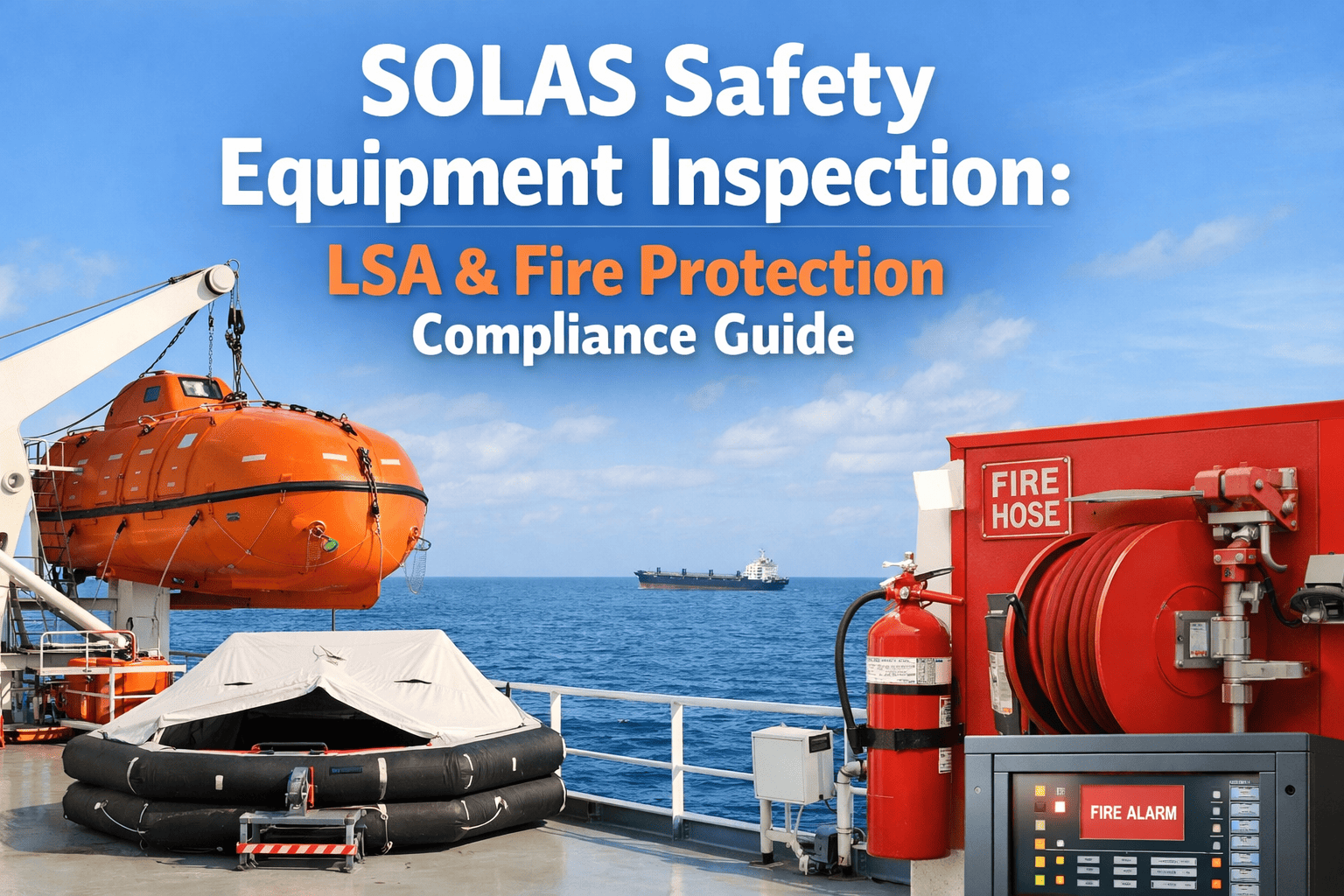
Life-Saving Equipment (Chapter III)
Comprehensive requirements for lifeboats, life rafts, life jackets, and survival equipment ensuring adequate capacity, proper maintenance, and operational readiness for all persons onboard.
- Lifeboat capacity 100% of persons with proper davit systems
- Life rafts with automatic release and hydrostatic mechanisms
- Life jackets, immersion suits, and thermal protective aids
- Annual servicing by approved Japanese service stations
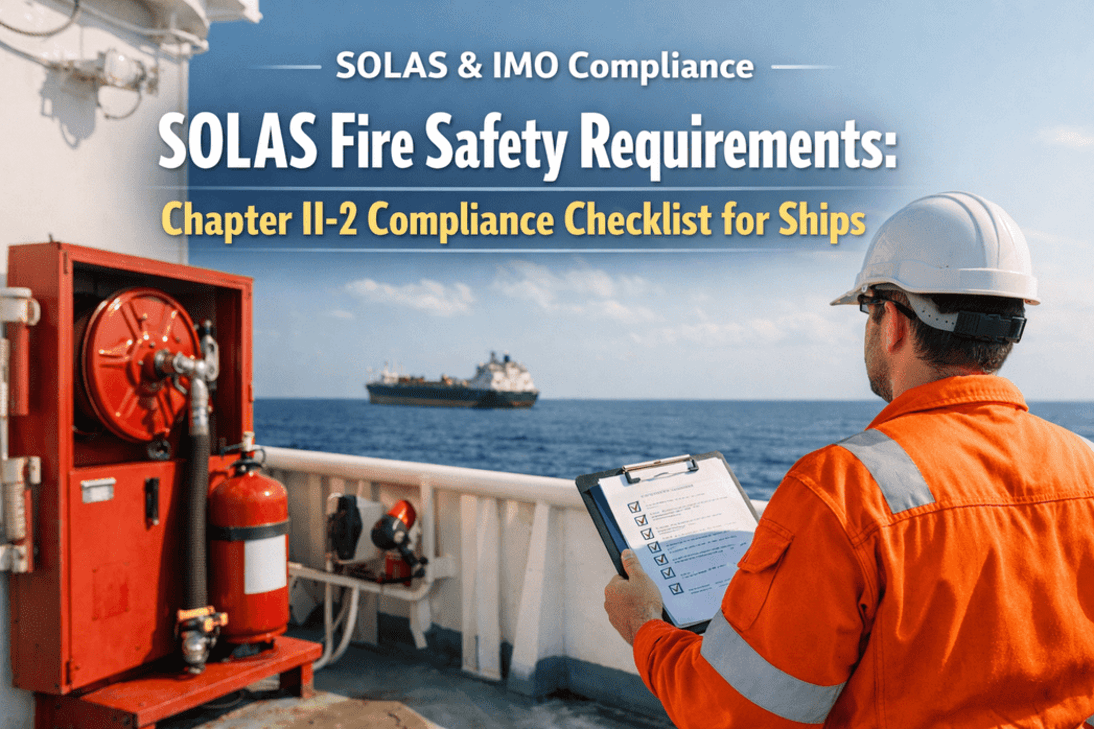
Fire Safety Systems (Chapter II-2)
Stringent fire prevention, detection, and suppression standards covering fixed systems, portable equipment, structural protection, and crew training for effective fire response.
- Fixed fire detection and alarm systems with monitoring
- Fire extinguishers, hoses, and emergency fire pumps
- Sprinkler systems for passenger vessel accommodations
- Firefighter outfits, breathing apparatus, and thermal cameras
GMDSS Communications (Chapter IV)
Global Maritime Distress and Safety System requirements ensuring vessels can transmit distress alerts and receive maritime safety information across all ocean areas.
- VHF radio with DSC capability for Sea Area A1
- MF/HF equipment for extended range communications
- EPIRB (406 MHz) and SART for emergency location
- NAVTEX receiver for navigational warnings and forecasts
Navigation Safety (Chapter V)
Comprehensive navigation equipment standards including radar, GPS, ECDIS, and AIS systems ensuring safe navigation in congested Japanese waters and ports.
- Radar systems (S-band and X-band for larger vessels)
- ECDIS with updated charts and proper backup systems
- AIS Class A transmitting vessel position and information
- Echo sounder, gyro compass, and speed log systems
Critical SOLAS Chapters for Japanese Operations
While all SOLAS chapters apply, Japan places particular emphasis on safety management systems, security measures, and operational safety procedures reflecting the nation's commitment to excellence.
Chapter IX: ISM Code
Requirements: Safety Management System (SMS) establishing comprehensive procedures for safe ship operation, pollution prevention, and continuous improvement processes.
Japanese Expectations: Document of Compliance (DOC) and Safety Management Certificate (SMC) verified thoroughly; SMS must demonstrate actual implementation, not just paperwork.
Chapter XI-2: ISPS Code
Requirements: Ship Security Plan (SSP), designated security officers (CSO/SSO), security equipment, and procedures countering terrorism and unlawful acts.
Enforcement: International Ship Security Certificate (ISSC) verified at entry; security drills and equipment functionality tested; crew awareness assessed.
Chapter II-1: Construction Standards
Requirements: Structural integrity, watertight subdivision, stability requirements, and machinery installation standards ensuring vessel seaworthiness.
ClassNK Surveys: Annual, intermediate, and special surveys verifying structural condition, machinery reliability, and compliance with construction standards.
Chapter II-1: Electrical Systems
Requirements: Main and emergency electrical systems, emergency power sources, lighting systems, and electrical safety measures preventing fires and ensuring continued operation.
Japanese Standards: Emergency generator capacity, automatic starting systems, emergency lighting duration, and switchboard safety receive detailed attention.
Best Practices, Safety Procedures, and Digital Tools to Support SOLAS Compliance
Japanese maritime authorities value systematic approaches, comprehensive documentation, and demonstrated commitment to continuous improvement. Our platform provides specialized SOLAS management tools meeting Japanese precision standards with automated tracking and reporting.
Certificate & Survey Management Excellence
- ✓ Track all SOLAS certificates with automated 90/60/30-day expiration alerts
- ✓ Schedule surveys proactively with ClassNK or recognized societies
- ✓ Maintain digital certificate copies with instant access capability
- ✓ Document survey findings systematically with corrective actions
- ✓ Coordinate maintenance windows optimizing survey schedules
Safety Equipment Maintenance Protocol
- ✓ Monthly comprehensive inspections with photographic documentation
- ✓ Weekly operational tests of critical systems (fire pumps, alarms)
- ✓ Annual servicing by approved Japanese service providers
- ✓ Immediate replacement of expired or defective equipment
- ✓ Digital maintenance logs showing systematic care patterns
ISM Code Implementation Strategy
- ✓ Develop comprehensive SMS manual covering all operational procedures
- ✓ Establish emergency response procedures with regular realistic drills
- ✓ Implement robust non-conformity reporting and corrective action systems
- ✓ Conduct internal audits quarterly verifying SMS effectiveness
- ✓ Management review meetings analyzing safety performance trends
Crew Competency & Training Programs
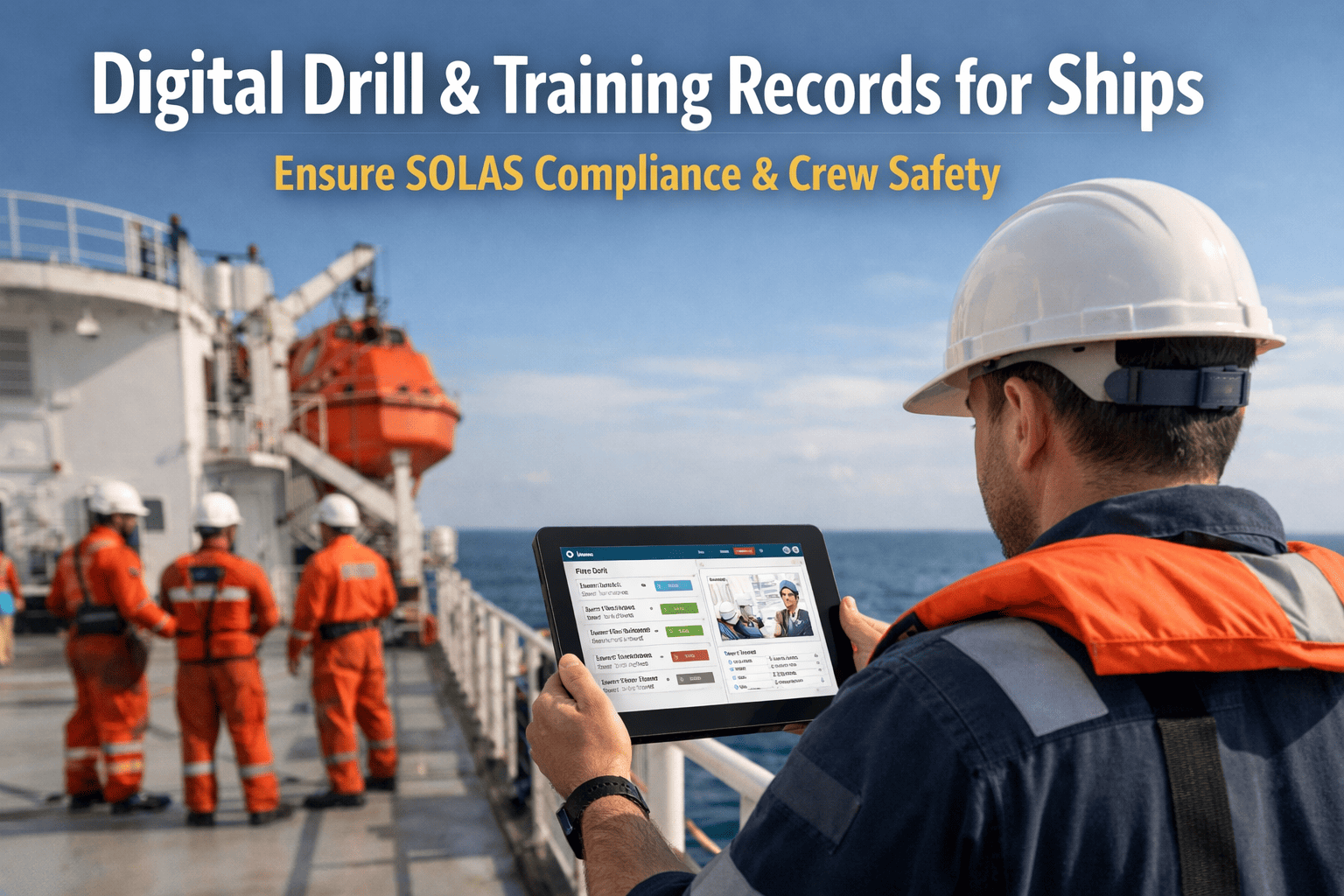
- ✓ Weekly fire and abandon ship drills with documented participation
- ✓ Monthly ISPS security drills testing crew response capabilities
- ✓ Vessel-specific familiarization within 24 hours of crew joining
- ✓ Equipment operation training with practical demonstrations
- ✓ Regular competency assessments ensuring skill maintenance
Japanese PSC Inspection Preparation
- ✓ Conduct mock PSC inspections monthly using detailed checklists
- ✓ Organize all documentation in logical, accessible format
- ✓ Verify equipment functionality before Japanese port arrival
- ✓ Brief crew on expected inspector questions and demonstrations
- ✓ Maintain exceptional cleanliness reflecting safety consciousness
SOLAS Compliance Timeline & Survey Schedule
Understanding survey cycles and certification requirements ensures continuous SOLAS compliance without operational disruptions or expired certificates.
Annual Surveys & Inspections
Annual survey of safety equipment, radio survey, life-saving appliance inspection, fire safety systems verification, and ISPS Code compliance check. Must be completed within ±3 months of anniversary date to maintain continuous certification.
Intermediate Surveys
More detailed examination of hull, machinery, equipment, and safety systems conducted between 2nd and 3rd anniversary. May include bottom inspection, propeller examination, and rudder assessment depending on vessel type.
Special/Renewal Surveys
Comprehensive examination of all ship systems including hull, machinery, equipment, and safety systems. Typically requires drydocking for underwater surveys. Results in renewal of all major SOLAS certificates with five-year validity.
Ongoing Maintenance & Documentation
Daily, weekly, and monthly equipment inspections, regular crew drills and training, logbook maintenance, SMS compliance activities, and deficiency tracking ensuring perpetual readiness for unscheduled PSC inspections.
Common SOLAS Deficiencies in Japanese PSC Inspections
- Life-saving equipment: Lifeboat release mechanism malfunction, expired hydrostatic releases, life raft servicing overdue, damaged life jackets
- Fire safety deficiencies: Fire extinguisher pressure low or expired, fire hoses damaged, emergency fire pump inoperative, detection system faults
- Navigation equipment issues: ECDIS chart updates missing, radar performance degraded, AIS not transmitting correctly, gyro compass errors
- GMDSS non-compliance: EPIRB battery expired, VHF DSC not configured properly, SART not tested, radio license expired
- ISM Code violations: SMS procedures not implemented, non-conformities not addressed, internal audits not conducted, crew unfamiliar with procedures
- Structural concerns: Excessive corrosion in critical areas, watertight doors not operational, stability information inaccurate or missing
Our platform prevents deficiencies through systematic tracking and automated reminders.
SOLAS Compliance Investment vs. Non-Compliance Costs
Annual SOLAS Compliance Costs
- Annual Surveys (ClassNK): $8,000-15,000
- Intermediate Survey: $15,000-30,000
- Special Survey (5-year): $50,000-120,000
- Safety Equipment Servicing: $10,000-20,000/year
- ISM/ISPS Certification: $8,000-15,000
- Digital Compliance Platform: $400-800/month
Annual Investment: $40,000-85,000
Non-Compliance Consequences
- Vessel Detention in Japan: $20,000-60,000/day loss
- Fines & Penalties: $50,000-10,000,000+ per violation
- Emergency Repairs: 4-6x normal costs in Japan
- Certificate Withdrawal: Vessel trading restrictions
- Insurance Implications: Coverage denial, premium increases
- Reputational Damage: Lost contracts, banned from ports
Single Detention: $150,000-500,000+ total
Frequently Asked Questions
What is SOLAS and why is it critical for vessels operating in Japan?
SOLAS (Safety of Life at Sea) is the most important international maritime safety treaty establishing minimum safety standards for ship construction, equipment, and operation. Japan, as a founding IMO member and Tokyo MOU leader, enforces SOLAS comprehensively through the Japan Coast Guard and ClassNK. The convention covers 14 chapters addressing everything from life-saving equipment and fire safety to navigation systems and cargo safety. Compliance is mandatory for vessels over 500 gross tonnage on international voyages. Japan's enforcement is particularly rigorous—vessels must demonstrate not just compliance with minimum standards but evidence of systematic safety management and continuous improvement culture. Non-compliance results in detention, substantial fines, and potential exclusion from Japanese ports.
What SOLAS certificates are required for vessels calling at Japanese ports?
Required SOLAS certificates include: Passenger Ship Safety Certificate or Cargo Ship Safety Certificate (covering construction, equipment, and radio), Safety Management Certificate (SMC) under ISM Code Chapter IX, International Ship Security Certificate (ISSC) under ISPS Code Chapter XI-2, Document of Compliance (DOC) for the operating company, Load Line Certificate, International Tonnage Certificate, and various equipment-specific certificates. Passenger vessels require additional certificates including Passenger Ship Safety Certificate with specific endorsements. All certificates must be current, properly endorsed by flag state or recognized organization, and maintained onboard. ClassNK-issued certificates are widely recognized and accepted. Japanese authorities may verify certificate authenticity through database checks during PSC inspections.
How does Japan enforce ISM Code compliance under SOLAS Chapter IX?
Japan treats ISM Code compliance as fundamental to vessel safety, not just paperwork compliance. Japanese Coast Guard inspectors verify that Safety Management Systems (SMS) are genuinely implemented through crew interviews, procedural demonstrations, and evidence of systematic implementation. Inspectors examine: non-conformity reporting systems and corrective actions taken, internal audit reports and management review documentation, crew familiarity with emergency procedures and SMS requirements, maintenance records showing systematic planned maintenance, and evidence of continuous improvement initiatives. Simply having an SMS manual is insufficient—vessels must demonstrate the system functions effectively in daily operations. Our platform helps maintain ISM compliance with SMS document management, non-conformity tracking, audit scheduling, and automated compliance reporting meeting Japanese expectations.
What are Japanese expectations for SOLAS safety equipment maintenance?
Japanese maritime authorities expect comprehensive, systematic maintenance programs demonstrating professional vessel management. Life rafts must be serviced annually at approved stations (many Japanese service stations available), with up-to-date service stickers and certificates. EPIRB batteries must be current with proper registration. Lifeboat davits and release mechanisms require regular testing with documented results. Fire extinguishers need annual inspection with current pressure levels and service tags. Navigation equipment calibration should be performed by certified technicians with documentation. All maintenance must be documented in approved maintenance record systems, preferably digital for easy retrieval during inspections. Japanese inspectors value evidence of preventive maintenance rather than reactive repairs, proper spare parts inventory, and crew training on equipment operation and maintenance procedures.
How do Japanese PSC inspections differ from other countries regarding SOLAS?
Japanese PSC inspections are characterized by exceptional thoroughness, attention to detail, and high expectations. While most countries verify compliance with minimum SOLAS standards, Japanese inspectors assess overall vessel management philosophy and safety culture. They examine cleanliness and housekeeping as indicators of safety consciousness, conduct practical equipment demonstrations rather than just documentation review, interview crew to verify genuine understanding versus scripted responses, and assess maintenance systems for evidence of systematic versus reactive approaches. Inspections typically take longer than in other jurisdictions due to comprehensive examination. However, well-prepared vessels with genuine compliance and professional crew interactions experience efficient inspections. Japanese inspectors appreciate vessels demonstrating commitment to excellence beyond minimum requirements, making vessels with strong safety records less likely to face detailed examinations.
How can digital tools improve SOLAS compliance management for Japanese operations?
Digital compliance platforms transform SOLAS management from reactive paperwork to proactive safety systems. Benefits include: automated certificate tracking preventing expiration, digital equipment maintenance logs with photo documentation showing systematic care, ISM Code non-conformity tracking with corrective action management, drill and training documentation with crew participation records, inspection preparation checklists ensuring comprehensive coverage, real-time compliance dashboards providing management visibility, and automated regulatory updates when SOLAS amendments occur. Our platform specifically supports Japanese operations with ClassNK survey coordination, Tokyo MOU PSC preparation tools, and multilingual documentation supporting Japanese maritime authority requirements. Digital systems reduce administrative burden by 70% while improving compliance quality and providing inspection-ready documentation that Japanese authorities appreciate for its organization and accessibility.
Achieve SOLAS Excellence in Japanese Waters
Join leading shipping companies maintaining perfect SOLAS compliance with comprehensive certificate management, equipment tracking, and safety management systems designed for Japanese maritime standards.