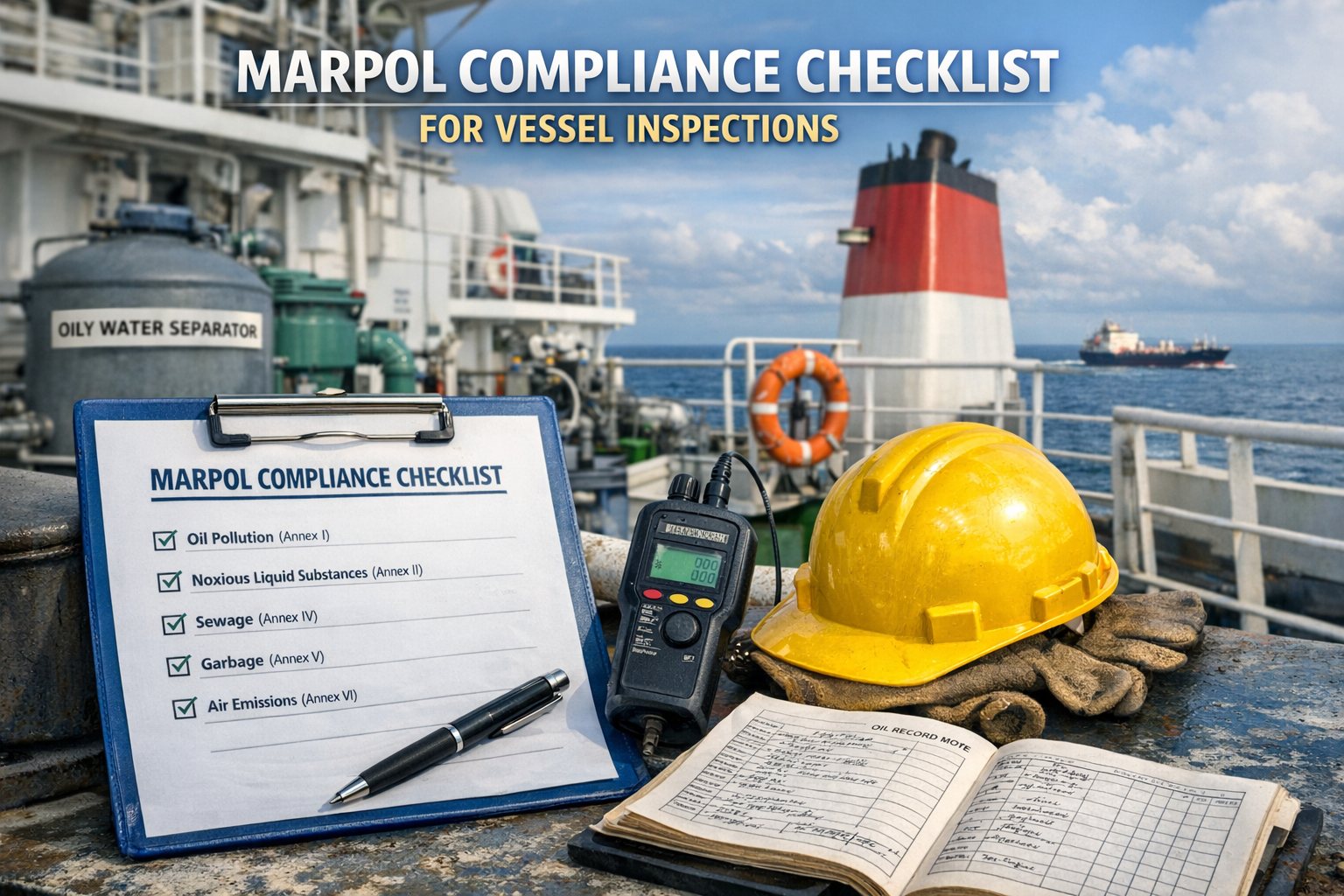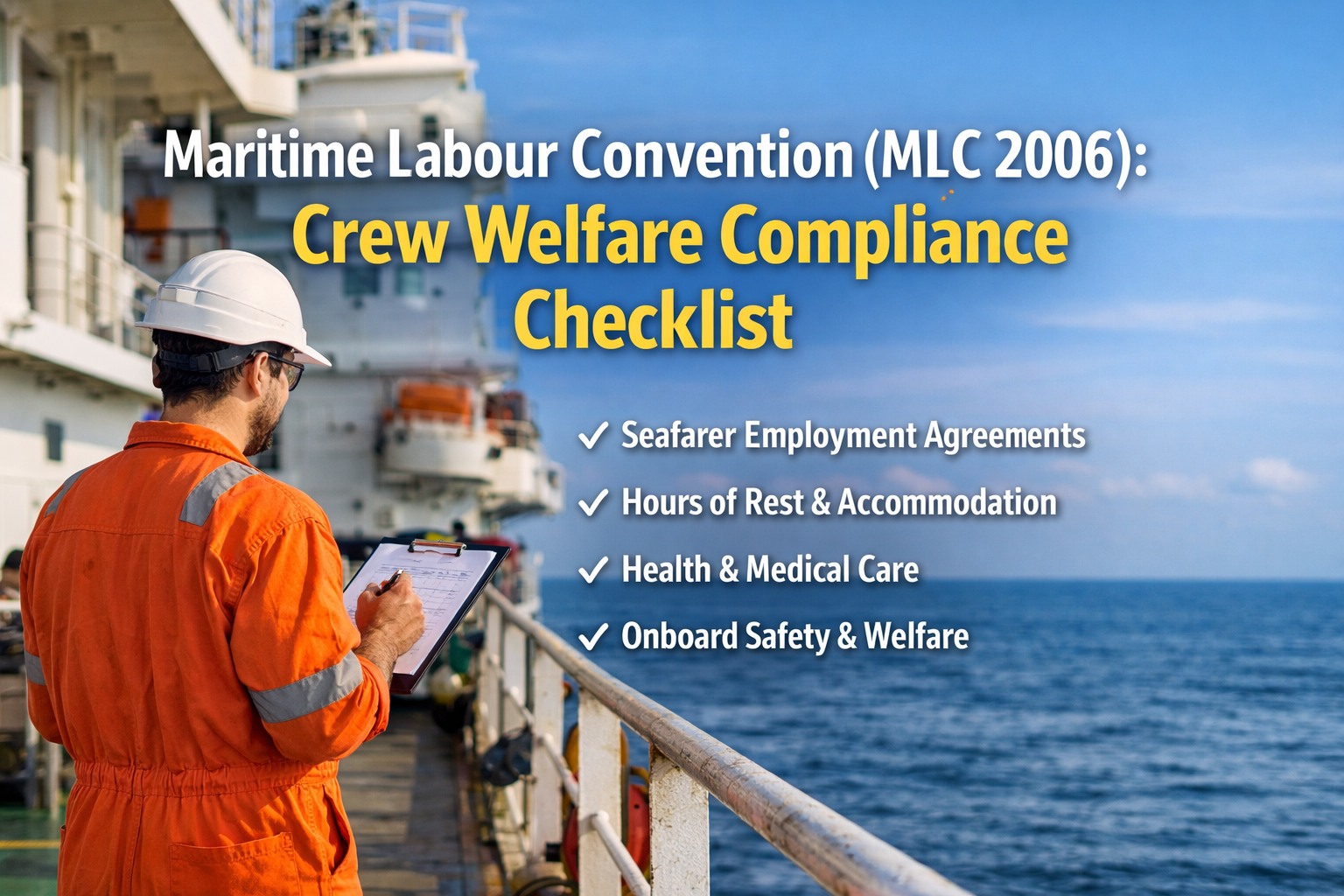
The Maritime Labour Convention 2006 is the seafarer's bill of rights — a single comprehensive instrument that sets minimum standards for every aspect of life and work at sea, from employment agreements and wages to accommodation, food, medical care, and complaint procedures. Ratified by 111 countries representing over 97% of world gross shipping tonnage as of 2026, MLC applies to virtually every commercial vessel regardless of flag — and the "no more favourable treatment" clause means even ships from non-ratifying states face inspection and potential detention when calling at ratifying state ports. For HR managers and fleet managers, MLC compliance is verified through the Maritime Labour Certificate (MLC Certificate) and the Declaration of Maritime Labour Compliance (DMLC) Parts I and II, with inspections at intervals not exceeding 36 months. PSC officers routinely check hours of rest records, seafarer employment agreements, accommodation conditions, and complaint procedures — and they have the power to detain vessels for serious or repeated breaches. The Convention's Code was most recently amended in 2025, continuing to strengthen protections including anti-harassment provisions and financial security requirements. This guide covers all five MLC Titles in practical terms, with the specific standards your vessel must meet and the documentation PSC officers verify. Start a free trial of Marine Inspection to digitize hours of rest tracking, crew certification management, and MLC compliance documentation.

MLC 2006: The Seafarer's Bill of Rights
111
Ratifying States
Covering 97%+ of world gross shipping tonnage
5
Titles
Employment, conditions, accommodation, health, enforcement
1.5M+
Seafarers Protected
Rights to decent working and living conditions at sea
36 Months
Max Inspection Interval
MLC Certificate valid 5 years with intermediate verification

The Five Titles: What MLC Covers

MLC is structured around five Titles, each covering a distinct area of seafarer welfare. Every Title contains Regulations (general principles), Standards (Part A — mandatory), and Guidelines (Part B — recommended). Understanding this structure is essential for building your DMLC Part II.

Title 1
Minimum Requirements to Work on a Ship
Minimum age (16, no exceptions — 18 for night work and hazardous duties). Medical fitness certificates. Training and qualifications per STCW. Recruitment through licensed agencies only.
Title 2
Conditions of Employment
Seafarer Employment Agreements (SEA). Wages — monthly payment, allotments. Maximum hours of work or minimum hours of rest. Paid annual leave (min 2.5 days/month). Repatriation rights. Compensation for injury/loss.
Title 3
Accommodation, Recreation, Food & Catering
Cabin size and headroom standards. Sanitary facilities per crew ratio. Recreational spaces and communication access. Food quality, quantity, and qualified ship's cook. Drinking water quality. Laundry facilities.
Title 4
Health, Medical Care, Welfare & Social Security
Onboard medical care at no cost. Medical chest and equipment standards. Access to shore-based medical facilities. Financial security for abandonment. Shipowner liability insurance. Shore leave access.
Title 5
Compliance & Enforcement
Flag state inspection and certification (MLC Certificate, DMLC). Port state control powers. Onboard complaint procedures. Onshore complaint procedures. No substantial equivalence permitted for Title 5.

Hours of Work and Rest: The Most Inspected Requirement

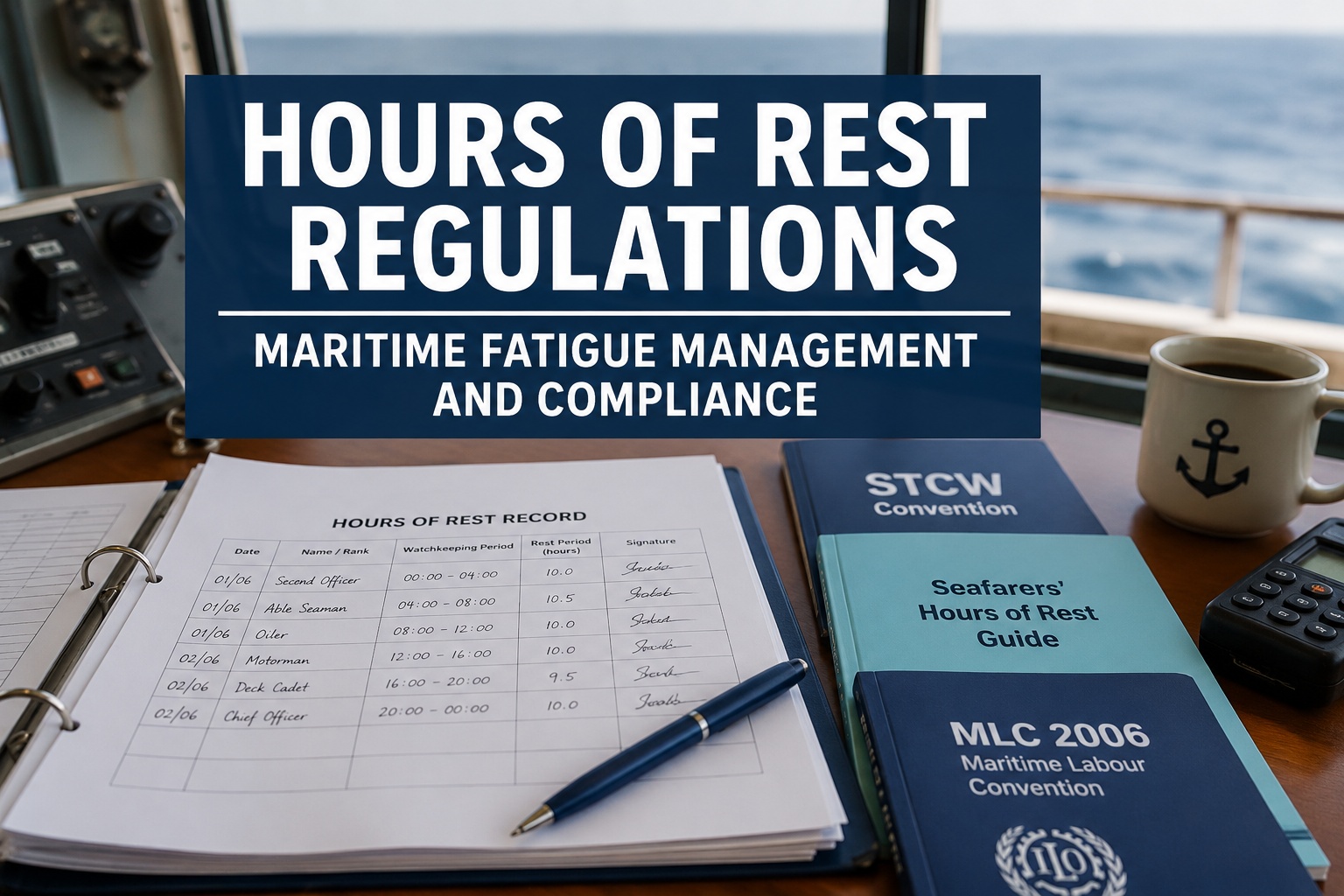
Hours of rest violations are the single most common MLC deficiency found during PSC inspections. The rules are absolute — there is no flexibility for operational pressure. Book a Marine Inspection demo to see how automated hours of rest tracking prevents violations before they occur.

Minimum Hours of Rest
10 hours
minimum rest in any 24-hour period
77 hours
minimum rest in any 7-day period
Rest may be divided into no more than two periods — one of which must be at least 6 hours. Interval between consecutive rest periods must not exceed 14 hours. Musters, drills, and emergency operations may interrupt rest but compensatory rest must be provided.
Maximum Hours of Work (Alternative)
14 hours
maximum work in any 24-hour period
72 hours
maximum work in any 7-day period
Flag states choose which system to enforce (rest-based or work-based). Most flag states use the hours of rest system. Normal working hours: 8 hours/day, 40 hours/week as baseline.

Certification: MLC Certificate & DMLC Structure

MLC compliance is documented through a two-part certification system. PSC officers check both the certificate validity and the DMLC content during inspections. Sign up for Marine Inspection to manage MLC certificate tracking and DMLC documentation.

Table 1: MLC Certification & Documentation Requirements
Document Issued By Contains Validity PSC Focus
MLC Certificate Flag state or RO Confirmation that vessel meets MLC requirements following onboard inspection 5 years with intermediate verification (between 2nd and 3rd anniversary) Valid, endorsed, posted conspicuously onboard
DMLC Part I Flag state administration National requirements implementing MLC for each of the 16 inspection areas — what the flag state requires Attached to MLC Certificate Matches flag state's current national legislation
DMLC Part II Shipowner — verified by RO Ship-specific measures showing how the company implements each DMLC Part I requirement on this vessel Re-approved at renewal or significant changes Specific to the vessel, practical procedures documented, matches actual conditions
Seafarer Employment Agreements (SEA) Shipowner + seafarer Individual employment terms: wages, hours, leave, repatriation, notice periods, benefits Per contract duration Every crew member has a signed SEA, copy retained by seafarer
Hours of Rest Records Maintained onboard Daily records for every crew member showing rest and work periods Retained onboard for inspection No violations of 10hr/24hr and 77hr/7-day minimums, signed by seafarer and Master
Financial Security Certificates P&I Club or insurer Evidence of financial security for abandonment (2014 amendments) and shipowner liability (2014 amendments) Per policy period Valid certificates onboard, covering all crew
Complaint Procedures Shipowner Documented onboard and onshore complaint procedures — posted and accessible to all crew Ongoing Procedures posted, crew aware of rights, no victimisation provisions
Digitize Your Crew Welfare Compliance
Hours of rest tracking, SEA management, crew medical certificate alerts, accommodation inspection records, food safety documentation, complaint procedure logs — Marine Inspection connects every MLC requirement in one platform.

What PSC Officers Actually Check

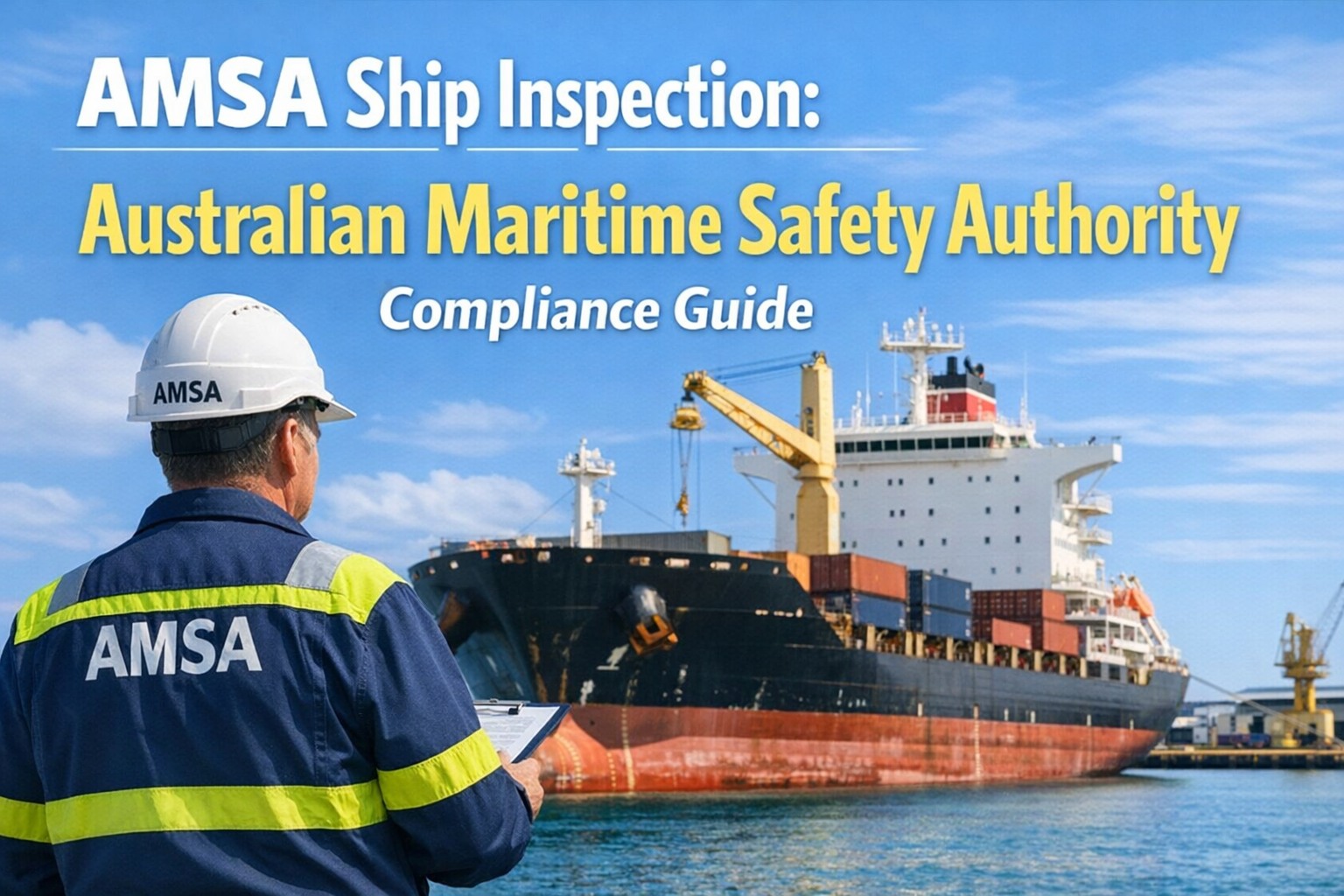
MLC PSC inspections follow a structured approach — officers check documents first, then conditions onboard. Knowing what triggers detailed inspection helps you prepare.

Table 2: MLC PSC Inspection — Common Deficiency Areas
Inspection Area What Officers Verify Common Deficiencies Detention Risk
Hours of rest records Daily records for every crew member, signed by seafarer and Master Records not maintained, violations of 10hr/77hr limits, rest periods split into 3+ segments High
Employment agreements Every crew member has a signed SEA with required terms Missing SEAs, unsigned agreements, terms not matching flag state requirements High
Wages and payment Monthly payment records, allotment arrangements, no unauthorised deductions Late payments, deductions not agreed in SEA, no allotment facility Medium
Accommodation conditions Cabin size, headroom, sanitary facilities, heating/ventilation, lighting, noise Overcrowding, broken sanitary fittings, poor ventilation, excessive noise levels High
Food and catering Quality, quantity, variety, hygiene, qualified cook (ships with 10+ crew) Insufficient food, poor galley hygiene, cook not holding valid certificate High
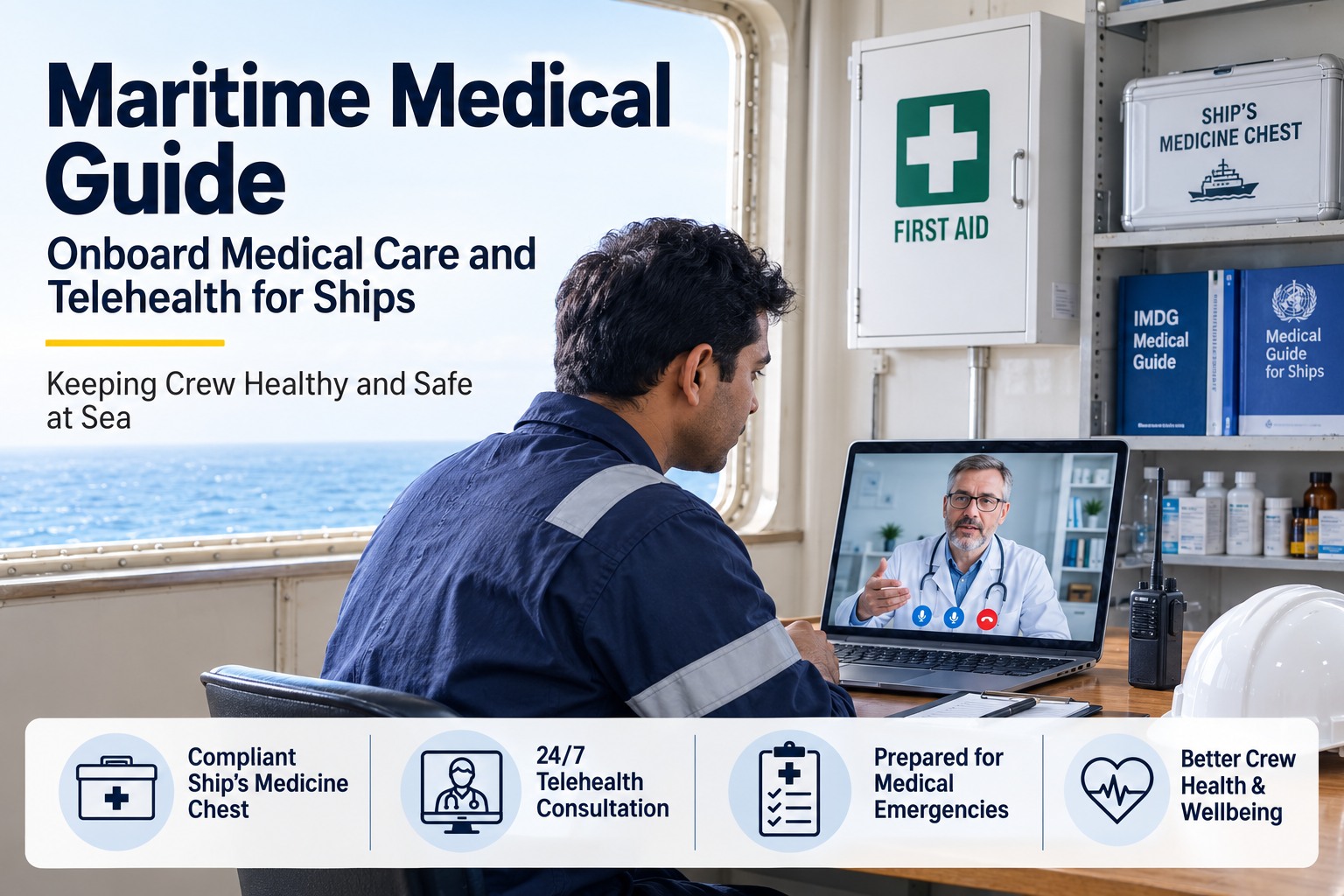
Medical care Medical chest contents, medical guide onboard, access to shore-based care Expired medications, incomplete medical chest, no designated medical officer Medium
Complaint procedures Onboard procedures posted, crew aware of rights, no victimisation Procedures not posted, crew unaware of complaint process, no onshore contact Medium
Financial security Valid abandonment and liability certificates onboard Missing or expired certificates, coverage not matching crew onboard High

Onboard Complaint Procedures

MLC requires every ship to have a documented, accessible complaint procedure — and crew must know it exists. PSC officers specifically ask crew members whether they know how to file a complaint. Schedule a demo to see how Marine Inspection manages complaint documentation and crew communication records.

1
Onboard Procedure
Seafarer raises complaint with immediate supervisor or department head. If unresolved, escalates to Master. Master must respond within prescribed timeframe. Procedure must allow the seafarer to be accompanied or represented.
2
Onshore Escalation
If not resolved onboard, complaint escalates to the shipowner/company ashore. Contact details for shore-based complaints officer must be posted. Response required within reasonable timeframe.
3
External Complaint
Seafarer has the right to complain directly to flag state or port state authorities. PSC officers can investigate complaints. No victimisation — seafarers must not suffer adverse consequences for filing complaints.

MLC Compliance Checklist

Use this before PSC inspections, flag state surveys, and MLC certificate renewals. These items cover the 16 DMLC inspection areas and the most common deficiency findings. Sign up for Marine Inspection to run these checklists digitally.
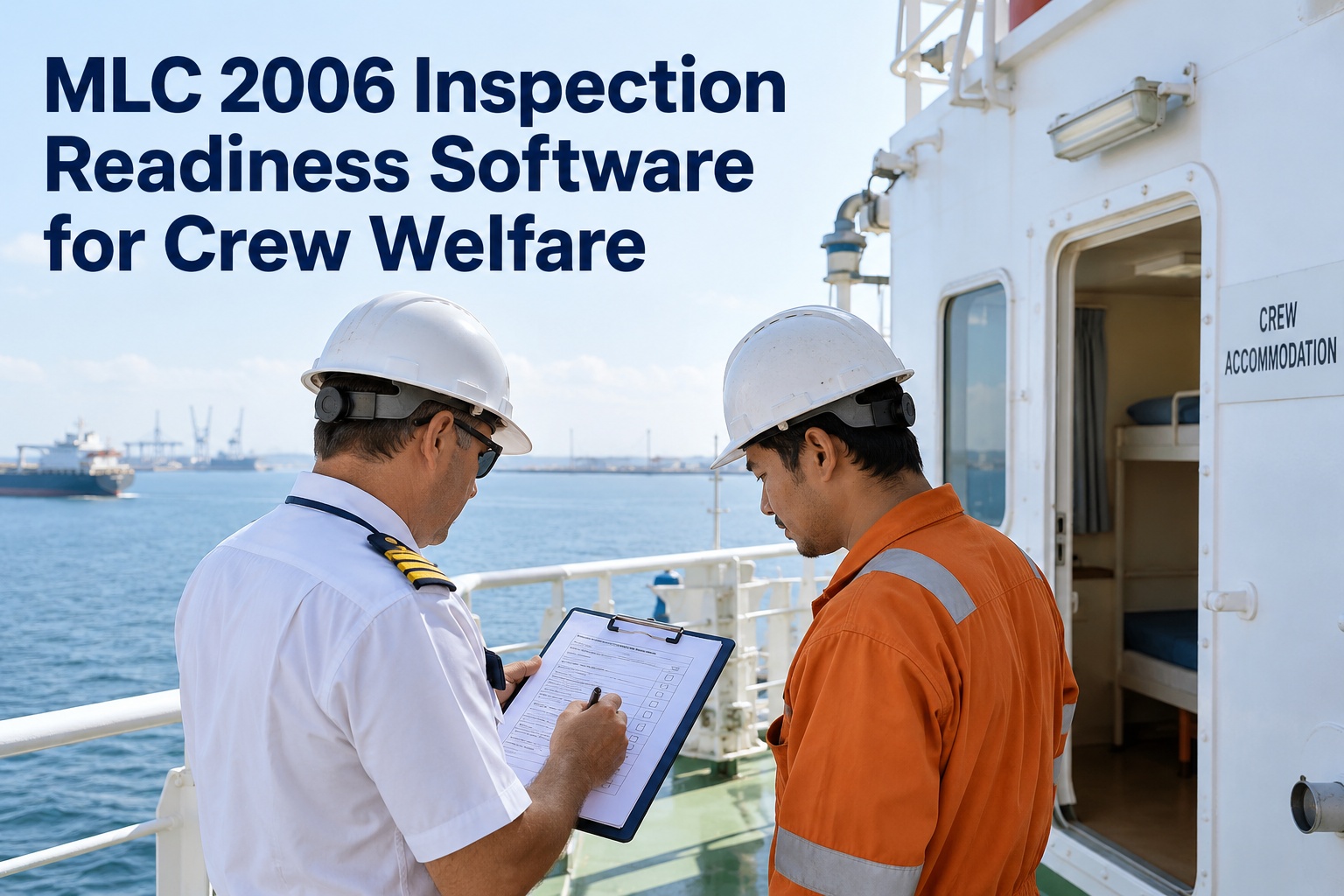
MLC 2006 — Crew Welfare Compliance Check
Certification & Documentation
MLC Certificate valid with intermediate endorsement current — posted conspicuously
DMLC Part I and Part II onboard — Part II ship-specific and verified by RO
Copy of MLC 2006 Convention available onboard (hard or electronic)
Financial security certificates for abandonment and shipowner liability valid and onboard
Employment & Working Conditions
Every crew member has a signed SEA with required terms — copy retained by each seafarer
Hours of rest records maintained daily for all crew — signed by seafarer and Master monthly
No violations of minimum rest (10hr/24hr, 77hr/7-day) — compensatory rest provided after drills
Wages paid monthly per SEA terms — allotment arrangements functional, no unauthorised deductions
Accommodation, Food & Health
Accommodation meets size, headroom, ventilation, lighting, and noise standards per flag state
Sanitary facilities clean and functional — adequate ratio of facilities to crew numbers
Food of sufficient quality, quantity, and variety — galley hygiene maintained, cook certificated (10+ crew)
Medical chest complete — medications in date, medical guide onboard, designated medical officer appointed
Welfare & Complaint Procedures
Onboard complaint procedure posted in working language — crew aware of process
Shore-based complaint contact details posted — no victimisation provisions documented
Anti-harassment and anti-bullying policy in place (2016 amendments)
Shore leave facilitated where practicable — recreational facilities available in crew areas

Frequently Asked Questions

What is MLC 2006 and which ships does it apply to?
The Maritime Labour Convention 2006 is an ILO convention setting minimum standards for seafarer working and living conditions. It applies to all commercial ships on international voyages, with ships of 500 GT and above required to carry the MLC Certificate and DMLC. It covers employment agreements, hours of rest, wages, accommodation, food, medical care, and complaint procedures. As of 2026, 111 countries representing over 97% of world tonnage have ratified it.
What are the minimum hours of rest requirements?
Seafarers must receive a minimum of 10 hours of rest in any 24-hour period and 77 hours in any 7-day period. Rest may be divided into no more than two periods, one of which must be at least 6 hours. The interval between consecutive rest periods must not exceed 14 hours. Musters and drills may interrupt rest but compensatory rest must be provided. These requirements apply to every crew member without exception.
What is the DMLC and how does it work?
The Declaration of Maritime Labour Compliance has two parts. Part I is issued by the flag state, listing the national requirements implementing MLC across 16 inspection areas. Part II is prepared by the shipowner, documenting ship-specific measures showing how the company implements each Part I requirement on that particular vessel. Part II must be verified by the classification society and is attached to the MLC Certificate. PSC officers check that actual conditions match what's documented in Part II.
Can a ship be detained for MLC non-compliance?
Yes. PSC officers can detain a vessel for serious or repeated MLC breaches, or any non-conformance that puts seafarer health, safety, or security at significant risk. Common detention triggers include systematic hours of rest violations, missing or expired financial security certificates, seriously substandard accommodation, and missing SEAs. The ship cannot depart until deficiencies are corrected to the satisfaction of the inspecting officer.
What changes were made in the 2022 and 2025 amendments?
The 2022 amendments strengthened provisions relating to seafarer well-being and connectivity at sea. The 2025 amendments further refined protections. Earlier amendments (2014) introduced mandatory financial security for abandonment and shipowner liability. The 2016 amendments added anti-harassment and anti-bullying requirements and allowed extended validity of MLC certificates under certain conditions. Flag states implement these amendments through updated DMLC Part I requirements.
Crew Welfare Compliance Made Visible
Hours of rest automation, SEA tracking, medical certificate alerts, accommodation inspection records, complaint procedure documentation, food safety logs — Marine Inspection gives fleet managers and HR teams one platform for the full MLC compliance picture.