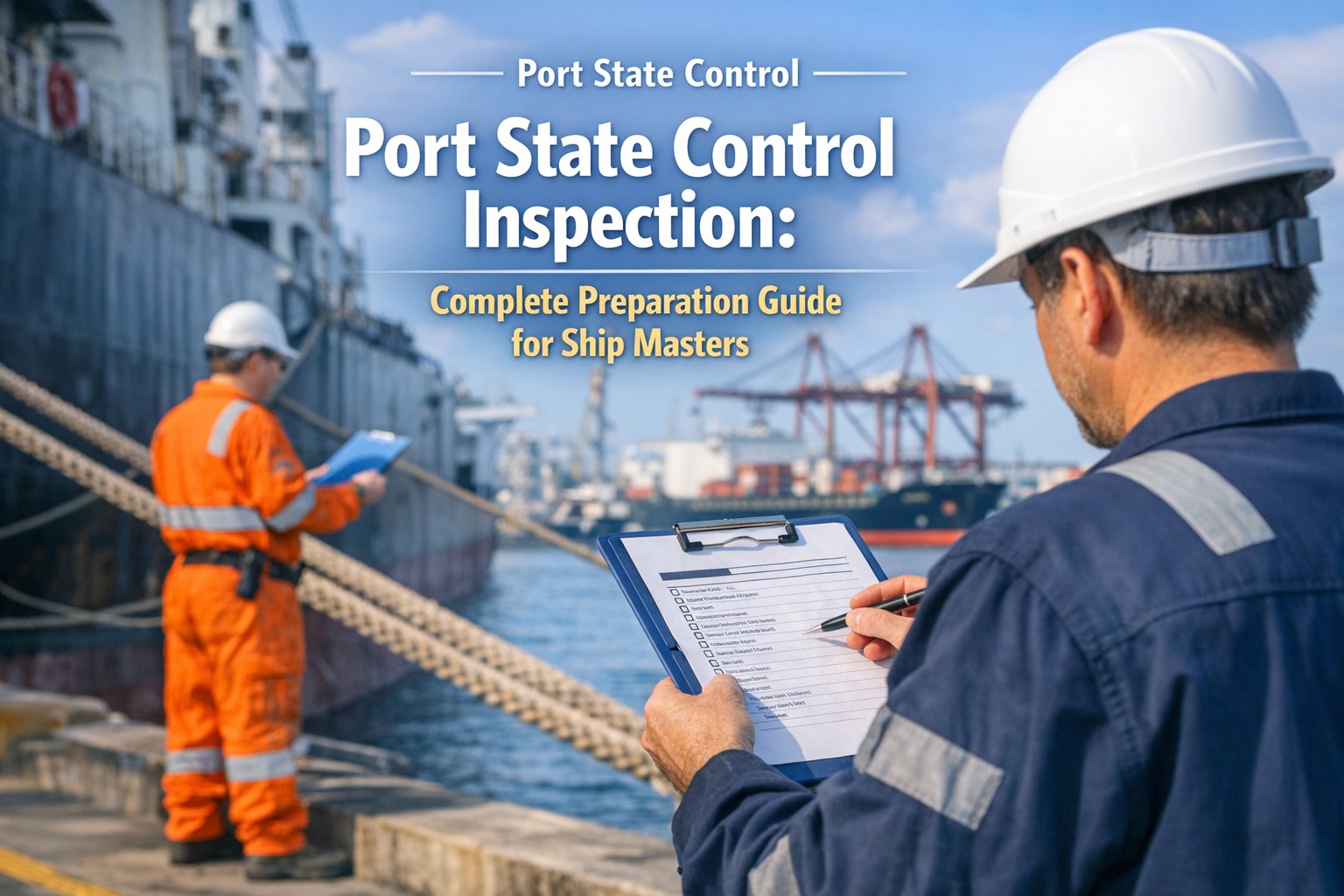
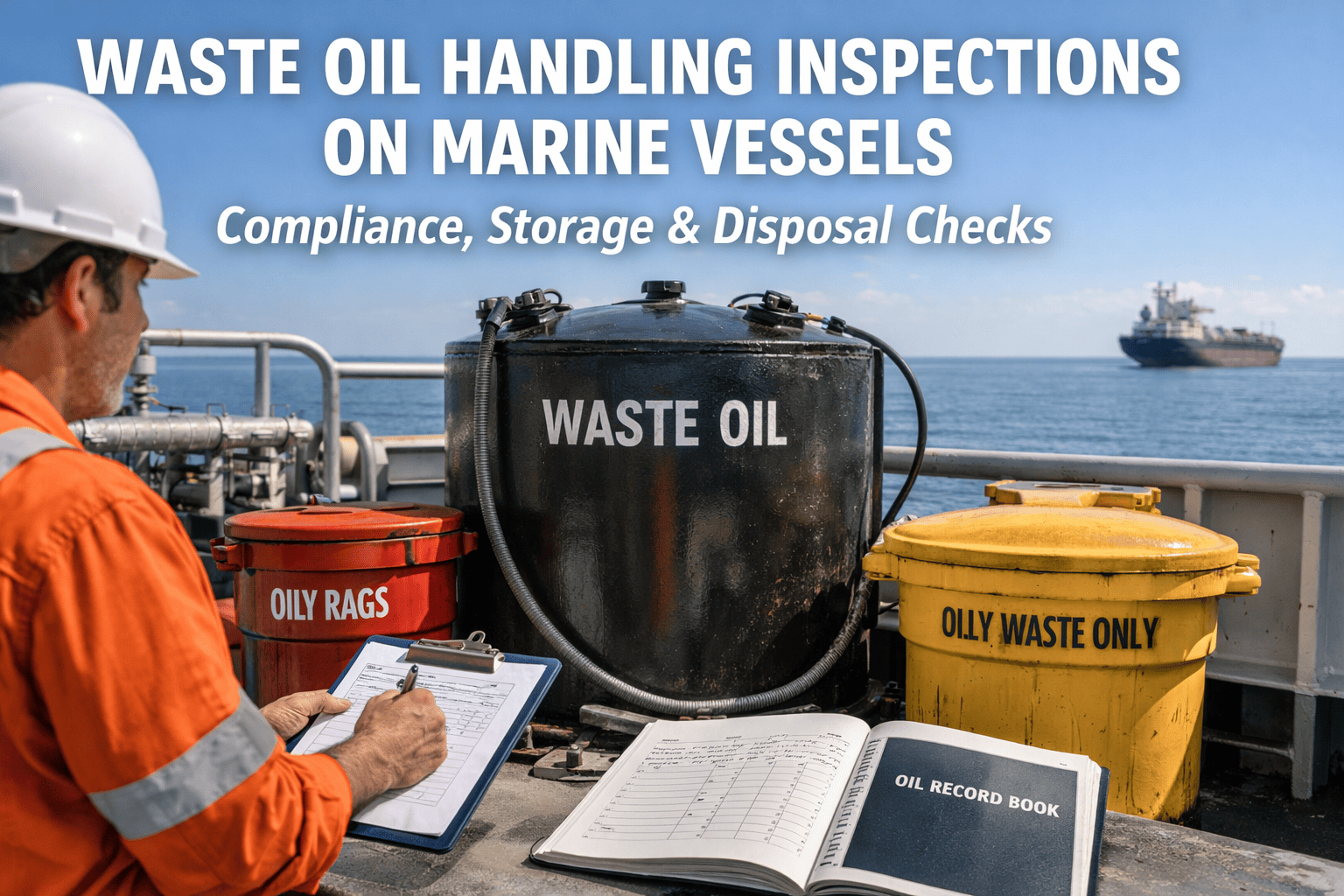
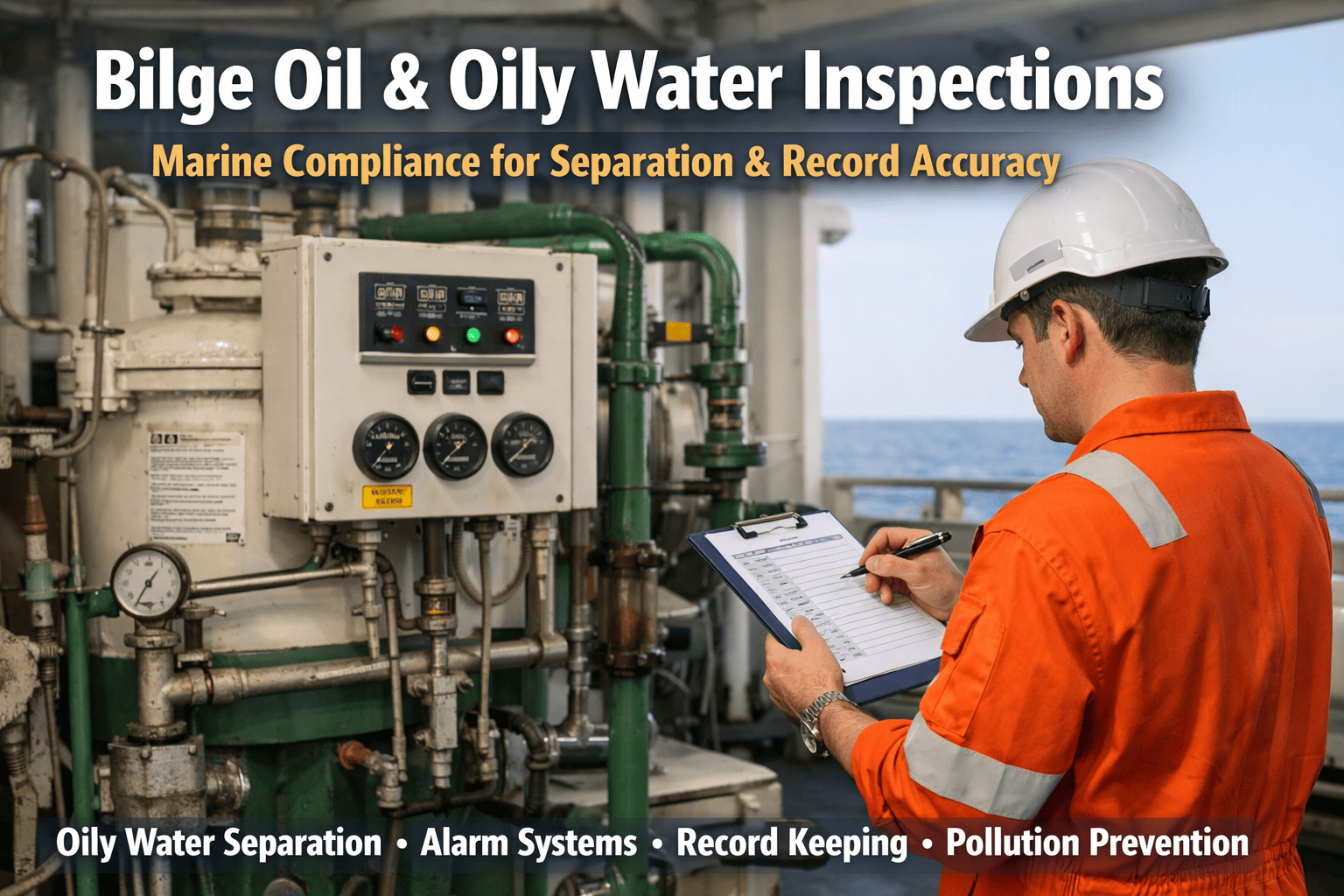
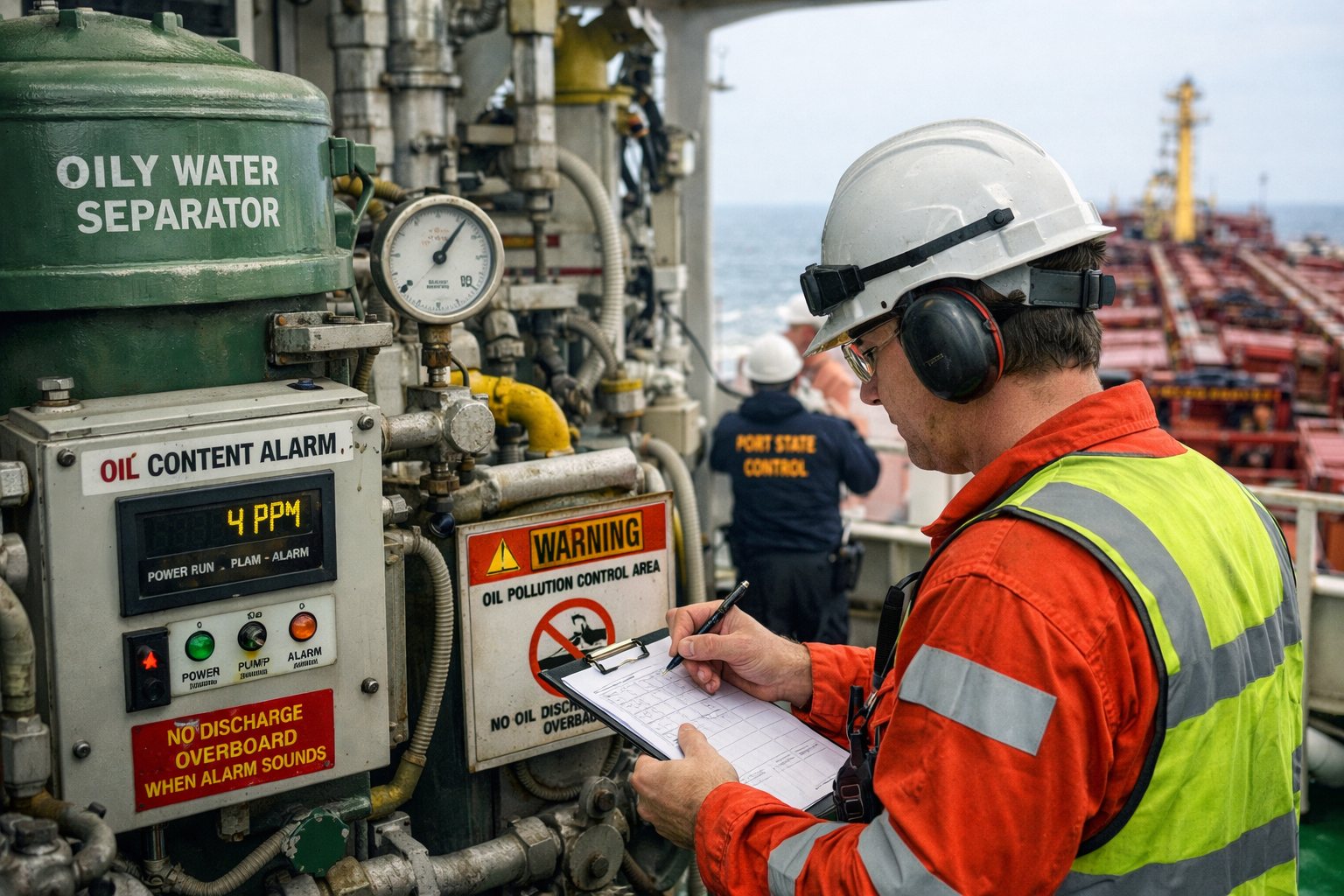
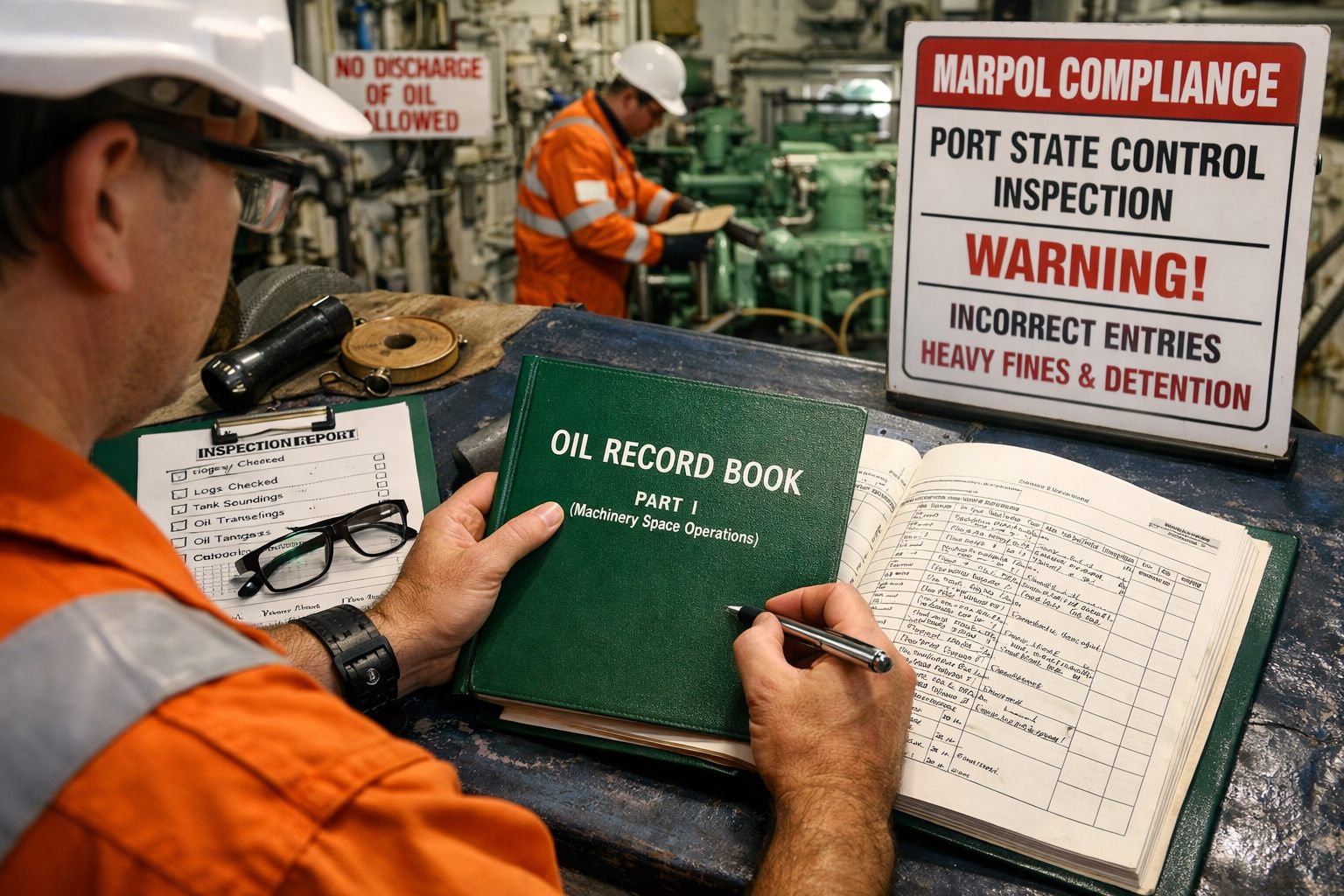
Marine oil management—the systematic handling, storage, testing, and documentation of fuel and lubricating oils—directly determines inspection outcomes as port state control officers evaluate whether vessels maintain proper procedures preventing pollution, ensuring equipment reliability, and demonstrating regulatory compliance. Vessels with comprehensive oil management programs pass inspections in 45-60 minutes with zero deficiencies, while those lacking systematic approaches face 3-4 hour detailed examinations uncovering documentation gaps, procedural deficiencies, and equipment maintenance issues triggering detention and penalties. The difference lies not in having expensive equipment or complex systems, but in implementing proven best practices covering oil procurement verification, proper storage and handling, systematic testing programs, complete documentation workflows, and crew training ensuring everyone understands their role in maintaining compliance. Maritime operators ready to Signup inspection-ready oil management programs can leverage Marine Inspection's platform providing integrated workflows for fuel quality tracking, lubricating oil analysis, transfer operation management, and automated documentation maintaining complete compliance evidence.
Deficiency-Free Inspections
85%
Of vessels with systematic oil management programs
Average Inspection Duration
45 min
For well-managed systems vs 180+ min for deficient vessels
Documentation Deficiencies
60%
Of oil-related citations involve incomplete records
Core Oil Management Best Practices
Seven fundamental practices form the foundation of inspection-ready oil management programs. Schedule a consultation to see how our platform implements these best practices through automated workflows and integrated systems.
1
Systematic Fuel Quality Verification
Test every fuel delivery before acceptance through independent laboratory analysis. Collect representative samples during bunkering, seal immediately, ship within 24 hours requesting full ISO 8217 analysis including sulfur, viscosity, water, sediment. Compare results against bunker delivery note claims before using fuel. Reject deliveries showing specification violations or significant discrepancies from supplier declarations.
Benefit: Prevents equipment damage from off-specification fuel, provides evidence for supplier disputes, demonstrates proactive quality management during inspections.
2
Complete Oil Record Book Documentation
Record all oil operations immediately—not days later. Include operation codes, dates, times, quantities, equipment identification, and personnel signatures. Ensure entries match equipment logs, transfer records, and vessel position data. Master reviews and signs ORB pages weekly verifying accuracy. Maintain ORB entries accessible for 3+ years as required by MARPOL.
Benefit: Eliminates documentation deficiencies, provides inspection-ready compliance evidence, prevents falsification suspicions from delayed or inconsistent entries.
3
Regular Lubricating Oil Analysis
Analyze main engine oil every 500-1000 hours, auxiliary engines every 1000-2000 hours, stern tube every 6 months. Test viscosity, TBN, wear metals, water content. Track trends identifying developing problems 800-1200 hours before failure. Take corrective action when parameters exceed thresholds—don't wait for catastrophic failures proving inadequate monitoring.
Benefit: Prevents equipment failures through early detection, demonstrates predictive maintenance during inspections, provides objective evidence of proper machinery care.
4
Proper Oil Storage and Handling
Store oils in designated tanks away from contamination sources. Maintain proper temperatures for viscosity control. Drain tank bottoms weekly removing water and sediment accumulation. Label all storage tanks clearly with contents and capacity. Keep fuel and lube oil inventories current matching physical quantities to records.
Benefit: Prevents contamination and degradation, ensures oil quality maintained from delivery to use, demonstrates proper housekeeping during inspections.
5
Transfer Operation Procedures
Complete ship-shore safety checklist before every transfer. Position scupper plugs and drip trays before connections made. Designated officer present throughout operation maintaining continuous watch. Test emergency shutdown before starting. Monitor tank levels every 30 minutes preventing overflow. Document all transfers in ORB immediately after completion.
Benefit: Prevents spills causing environmental violations, ensures compliance with transfer protocols, provides documented evidence of systematic procedures.
6
OWS Operation and Maintenance
Test 15 ppm bilge alarm monthly documenting results. Maintain OWS per manufacturer schedule including filter changes, coalescer servicing. Keep equipment logs showing running hours matching ORB discharge entries. Verify overboard discharge valve secured when not in authorized use. Maintain calibration certificates current (typically 5-year validity).
Benefit: Ensures pollution prevention equipment functional, prevents deficiencies from inadequate maintenance, demonstrates systematic spill prevention compliance.
7
Crew Training and Competence
Train all crew on oil handling procedures relevant to their duties. Conduct practical demonstrations—not just classroom instruction. Document training with dates, topics, attendees. Verify crew can physically demonstrate OWS operation, alarm testing, spill response, and emergency procedures. Retrain after equipment modifications or procedure changes.
Benefit: Ensures crew competence during inspections when asked to demonstrate procedures, reduces human error causing spills or violations, satisfies ISM training requirements.
Implement Systematic Oil Management
Marine Inspection's platform integrates all seven core practices through fuel quality tracking workflows, digital Oil Record Books, automated oil analysis scheduling, transfer operation checklists, equipment maintenance tracking, and crew training documentation—ensuring comprehensive inspection readiness.
Oil Management Documentation Requirements
Complete documentation proves systematic management during inspections. Sign up to access digital documentation templates covering all required oil management records with automatic completion reminders.
Bunker Delivery Notes
Keep aboard 3 years minimum. Include fuel grade, quantity, density, sulfur content, supplier details. File chronologically with easy access during inspections.
Representative Fuel Samples
Retain sealed samples 12 months or until fuel consumed. Label with date, supplier, vessel name. Store securely preventing tampering or degradation.
Laboratory Analysis Certificates
Maintain ISO 8217 test reports for all deliveries. File with corresponding BDNs. Highlight any specification violations or supplier discrepancies.
Fuel Blending Records
Document compatibility testing before mixing grades. Include calculation worksheets verifying final blend specifications. Record any issues encountered.
Oil Analysis Reports
File chronologically by equipment showing trend history. Note corrective actions taken for abnormal results. Maintain for equipment lifetime.
Product Specifications
Keep product data sheets for all oils aboard. Cross-reference with manufacturer requirements proving grade compliance. Update when changing suppliers.
Oil Change Records
Document date, running hours, quantity, grade used, reason for change. Link to oil analysis showing condition requiring changeout.
Cylinder Oil Selection
Document fuel sulfur content and corresponding cylinder oil BN selection. Justify any deviations from standard recommendations.
Oil Record Book
Complete entries immediately after operations. Ensure master and officer signatures present. Maintain aboard for current book plus 3 years of completed books.
Transfer Checklists
File completed ship-shore safety checklists for all bunkering operations. Include both ship and supplier signatures with dates/times.
Equipment Maintenance Logs
Document OWS maintenance, bilge alarm tests, calibration certificates. Show running hours matching ORB discharge entries.
Crew Training Records
Maintain training matrix showing all crew oil handling qualifications. Include practical demonstration verification dates.
Common Oil Management Failures and Prevention
Understanding frequent management failures helps vessels avoid preventable deficiencies. These account for 75% of oil-related inspection citations.
Delayed Oil Record Book Entries
Writing ORB entries days or weeks after operations creates inconsistencies with equipment logs, vessel position data, and other records. Inspectors detect delayed entries through handwriting uniformity, ink matching, and cross-reference discrepancies—raising falsification suspicions even when entries accurate.
Prevention:
Complete ORB entries within 24 hours maximum, ideally immediately after operations. Digital ORB systems timestamp entries automatically preventing backdating concerns.
Inadequate Fuel Quality Testing
Accepting bunkers without independent laboratory verification. Relying solely on supplier-provided certificates or onboard quick tests insufficient for specification verification. Missing fuel quality issues until equipment damage occurs proving inadequate quality management.
Prevention:
Test every delivery through independent laboratory. Cost $80-$120 per analysis prevents $50,000-$200,000 equipment damage and supplier disputes.
Inconsistent Lubricating Oil Analysis
Sporadic testing with gaps of 6+ months preventing trend analysis. Missing early warning signs of developing machinery problems. Unable to demonstrate systematic condition monitoring during inspections showing proper maintenance programs.
Transfer Operation Shortcuts
Skipping pre-transfer equipment checks, no officer supervision throughout operation, inadequate tank monitoring causing overflows. Transfer shortcuts account for 45% of oil pollution incidents triggering severe penalties and detention.
Prevention:
Treat every transfer as inspection-critical. Complete all checklist items with physical verification. Maintain officer presence without exception throughout entire operation.
Expert Insights: Building Inspection-Ready Programs
The transformation from reactive to systematic oil management took our fleet 18 months but reduced inspection deficiencies 85% while cutting oil-related equipment failures 60%. The key was recognizing oil management isn't just about having procedures—it's about creating workflows where compliance happens automatically through normal operations rather than requiring extra effort. We started by identifying the seven most common deficiency triggers across our inspection history: delayed ORB entries, missing fuel analysis, inadequate lube oil testing, incomplete transfer checklists, expired equipment calibrations, insufficient crew training documentation, and missing oil specification records. Then we built systems addressing each trigger systematically.
Digital Oil Record Books delivered the fastest ROI because they eliminated the delayed-entry problem causing 40% of our documentation deficiencies. Our vessels previously completed ORB entries weekly or monthly in batch sessions—inspectors could tell from handwriting uniformity and cross-reference timing that entries weren't made during actual operations. Switching to Marine Inspection's electronic ORB where entries get timestamped automatically when operations occur eliminated that entire deficiency category. Inspection times for ORB review dropped from 45 minutes to 10 minutes because inspectors could instantly access any period, verify consistency with equipment logs automatically, and trust entry authenticity through immutable timestamps.
For fuel and lube oil testing, we implemented mandatory sampling schedules tied to automated work orders—crews physically cannot bunker fuel or exceed oil analysis intervals without system prompts requiring sample collection and shipment. This seems restrictive but actually reduces crew burden because they don't need to remember testing schedules or document procedures manually. The system tracks everything automatically, imports laboratory results when they arrive, compares against specifications, and generates alerts for corrective action when needed. During our last PSC inspection in Rotterdam, the inspector commented that our oil quality documentation was the most comprehensive and well-organized he'd seen in months—then cleared our vessel in 40 minutes with zero findings.
Transform Your Oil Management Program
Marine Inspection's integrated platform implements systematic oil management through digital ORB with automatic timestamps, fuel quality tracking workflows, automated oil analysis scheduling, transfer operation checklists, equipment maintenance tracking, and crew training documentation—creating inspection-ready compliance through normal operations.
Frequently Asked Questions
What documentation must be immediately available during oil management inspections?
Inspectors require immediate access to: current Oil Record Book plus 3 years of completed books, bunker delivery notes for all fuel aboard plus past 3 years, representative fuel samples from each delivery properly sealed and labeled, laboratory analysis certificates for recent fuel deliveries, lubricating oil analysis reports showing trends for all major equipment, equipment maintenance logs for OWS and bilge systems, 15 ppm alarm test records (monthly tests documented), transfer operation checklists for recent bunkering, crew training records for oil handling procedures, and SOPEP with current equipment inventory. Missing or incomplete documentation constitutes deficiency even if actual operations comply with requirements. Marine Inspection's platform maintains all required documentation with instant inspection access.
How often should vessels conduct fuel oil and lubricating oil analysis?
Fuel oil requires testing for every bunkering operation—collect representative samples during delivery, ship to independent laboratory within 24-48 hours requesting full ISO 8217 analysis. Lubricating oil analysis frequency depends on equipment: main engines every 500-1000 running hours, auxiliary engines every 1000-2000 hours or quarterly, stern tube systems every 6 months, hydraulic systems annually. Increase frequency when trends show developing problems, after major repairs, or when operational conditions change significantly. Consistent testing intervals demonstrate systematic condition monitoring during inspections. Missing tests or long gaps between analyses indicate inadequate maintenance programs.
What are the most critical oil management practices preventing inspection deficiencies?
The five highest-impact practices: (1) Complete Oil Record Book entries immediately after operations—delayed entries create inconsistencies raising falsification concerns, (2) Test every fuel delivery through independent laboratory before use—prevents equipment damage and supplier disputes, (3) Maintain lubricating oil analysis on fixed schedules showing trend history—demonstrates predictive maintenance, (4) Follow complete transfer procedures every time with officer supervision—prevents spills causing environmental violations, (5) Keep all oil-related documentation organized and immediately accessible—reduces inspection duration and deficiency risk. Vessels implementing these five practices systematically reduce oil-related deficiencies 80%+ compared to reactive approaches.
How does Marine Inspection software improve oil management compliance?
Marine Inspection's platform integrates complete oil management workflows: digital Oil Record Book with automatic timestamping preventing delayed entries, fuel quality tracking from delivery through consumption with specification verification, automated lubricating oil analysis scheduling based on running hours and calendar intervals, transfer operation checklists requiring completion before operations proceed, equipment maintenance tracking with automatic work orders for OWS servicing and alarm tests, laboratory result imports with automatic specification comparison and alerts, and crew training documentation with competence verification tracking. The system generates inspection-ready documentation packages proving systematic compliance through interconnected workflows where proper procedures happen automatically during normal operations rather than requiring separate compliance efforts.
What investment is required to implement systematic oil management programs?
Typical costs per vessel annually: digital oil management software $2,400-$4,800 ($200-$400/month), fuel quality laboratory testing $4,000-$8,000 (assuming 40-60 annual bunker operations at $100-$120 per analysis), lubricating oil analysis $1,500-$3,000 (covering main and auxiliary engines, stern tube, major systems), crew training program enhancements $2,000-$4,000 (practical demonstration programs, documentation systems). Total annual investment $10,000-$20,000 per vessel. This prevents detention costs averaging $20,000/day, avoids equipment damage averaging $50,000-$200,000 per incident, and eliminates fines averaging $25,000-$150,000 per violation. ROI typically achieved within first prevented deficiency or equipment failure making systematic programs financially essential beyond compliance benefits.
Achieve Inspection-Ready Oil Management
Marine Inspection's comprehensive platform implements all critical oil management best practices through integrated workflows—digital documentation, automated testing schedules, transfer procedures, equipment tracking, and crew training systems ensuring your fleet maintains inspection readiness through systematic compliance built into normal operations.