Japan maintains one of the world's most sophisticated maritime safety regimes, with the Japan Coast Guard (JCG) and ClassNK (Nippon Kaiji Kyokai) enforcing rigorous inspection standards across its extensive network of ports. As a founding member of the Tokyo MOU on Port State Control, Japan conducts comprehensive vessel inspections ensuring compliance with international conventions including SOLAS, MARPOL, and MLC, with particular emphasis on structural integrity, safety equipment, and environmental protection. Non-compliance can result in vessel detention, fines exceeding $10 million, and restricted access to Japanese ports—critical consequences for vessels operating in Asia-Pacific trade routes. This guide provides ship operators, marine surveyors, and compliance professionals with essential knowledge to navigate Japan's meticulous inspection framework and maintain operational excellence in one of the world's busiest maritime nations.
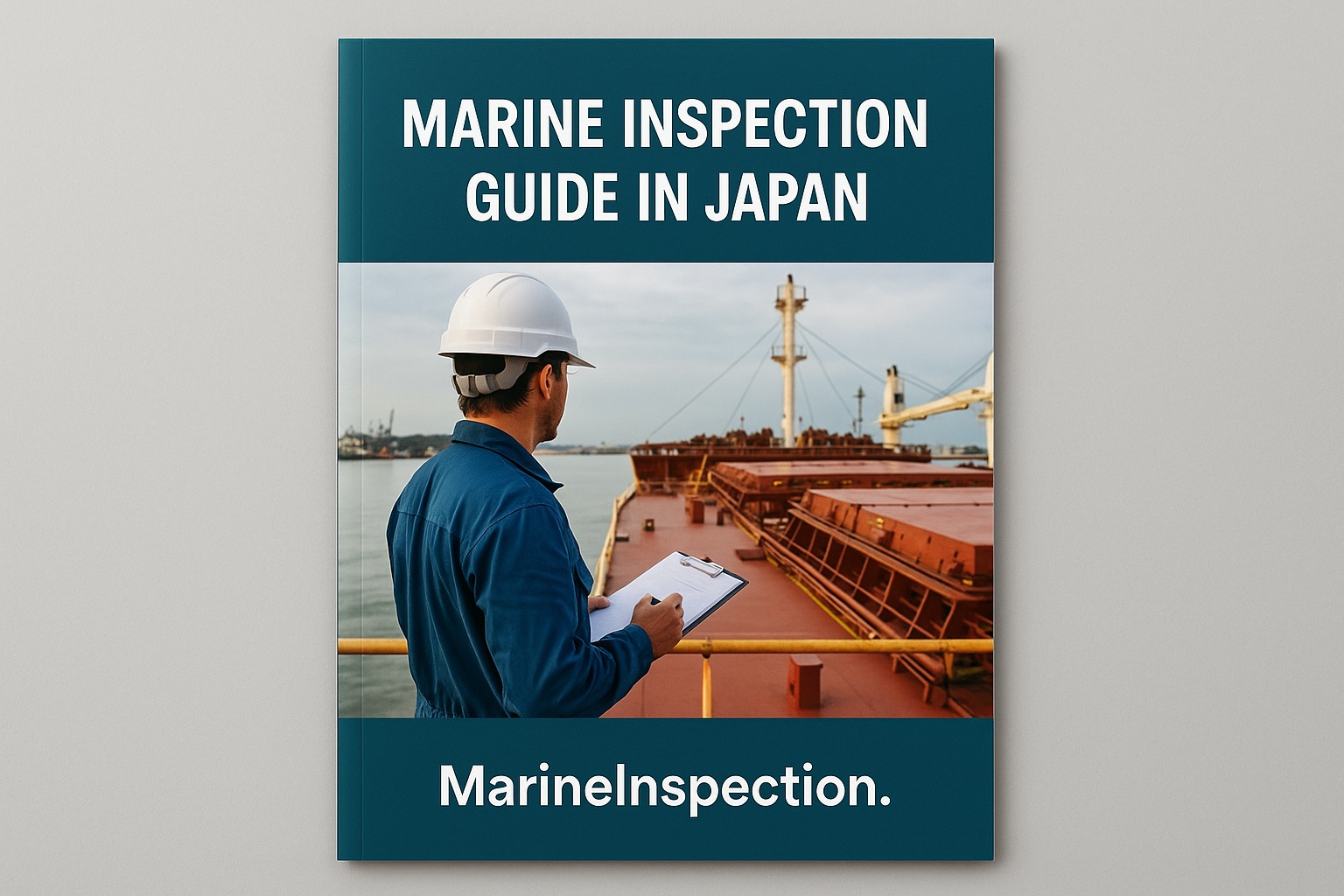
Marine Inspection Guide in Japan: Regulations, Compliance & Best Practices
Ensure Seamless Marine Inspections in Japan
Use digital checklists and records to manage inspection requirements, prove compliance, and maintain perfect safety records in Japanese ports.
Understanding Japan's Maritime Inspection Requirements and Vessel Compliance Standards
Japan's maritime inspection framework reflects the nation's commitment to safety excellence, combining international conventions with stringent domestic regulations enforced by the Japan Coast Guard and recognized classification societies like ClassNK. Our platform streamlines inspection management with comprehensive checklists, documentation tracking, and compliance reporting tailored for Japanese maritime requirements.
Safety Equipment & SOLAS Compliance
Comprehensive verification of life-saving appliances, firefighting systems, navigation equipment, and emergency procedures meeting SOLAS requirements with Japanese precision standards.
- Life-saving equipment inspection and servicing records
- Fire detection and suppression system functionality
- Navigation equipment accuracy and calibration
- GMDSS communication system verification
Environmental Protection (MARPOL)
Strict environmental compliance checks ensuring vessels meet Japan's stringent pollution prevention standards and contribute to preserving maritime ecosystems.
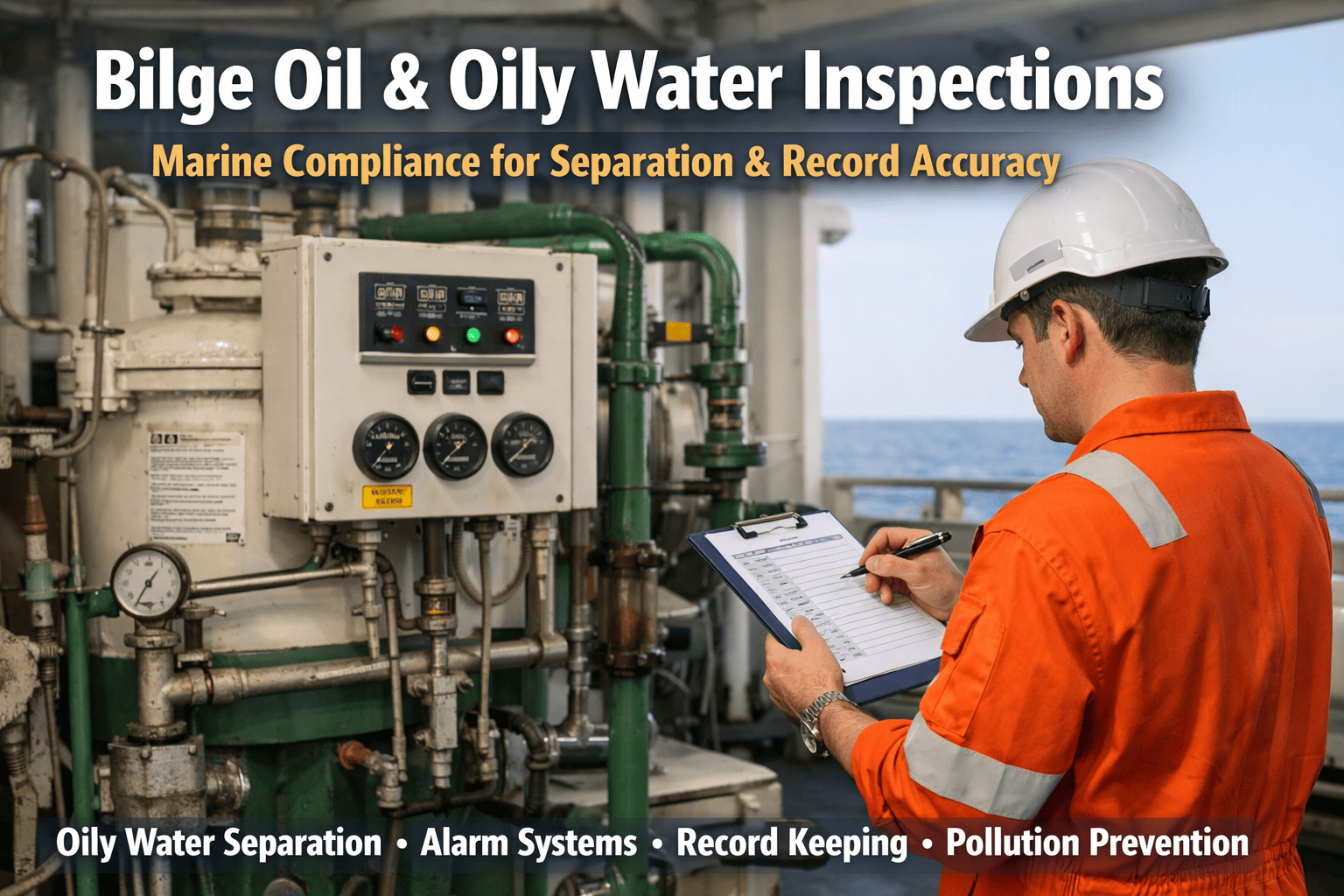
- Oily water separator operation and maintenance
- Garbage management plan implementation
- Sewage treatment system compliance
- Ballast water management documentation
Structural & Class Surveys
Periodic structural inspections by ClassNK or recognized classification societies verifying hull integrity, machinery reliability, and overall vessel seaworthiness.
- Annual, intermediate, and special survey schedules
- Hull thickness measurements and corrosion assessment
- Machinery examination and load testing
- Stability and load line verification
Crew Welfare & MLC Compliance
Maritime Labour Convention compliance verification including crew accommodations, working conditions, health protection, and welfare facilities onboard vessels.
- Crew certificates and medical fitness verification
- Accommodation standards and living conditions
- Working hours and rest period documentation
- Food, water quality, and recreational facilities
Tokyo MOU Port State Control Inspections
As a Tokyo MOU member state, Japan conducts rigorous Port State Control inspections targeting high-risk vessels while maintaining efficiency for compliant ships through the New Inspection Regime (NIR).
Risk-Based Targeting System
High-Risk Vessels: Ships flagged from poor-performing states, vessels with deficiency history, or older vessels (>12 years) face detailed inspections at every port call.
Standard Risk: Vessels with average safety records inspected every 5-6 months, with focus on critical safety systems and recent deficiency areas.
Inspection Scope & Focus Areas
Initial Inspection: Certificate verification, general condition assessment, spot checks of safety equipment, crew competency interviews.
Detailed Inspection: Comprehensive examination triggered by clear grounds (deficiencies, poor condition, crew issues), covering all ship systems thoroughly.
Deficiency Classification
Code 17 (Major): Serious deficiencies requiring rectification before departure or at next port; vessel may be detained until corrected.
Code 16 (Minor): Deficiencies requiring correction within specified timeframe (14 days to 3 months) with follow-up verification required.
Performance Monitoring
Ship Performance: Deficiency ratio and detention history tracked; poor performers face increased scrutiny and targeting priority.
Flag Performance: Flag state performance influences vessel inspection priority; vessels from high-performing flags benefit from reduced inspection frequency.
Best Practices, Inspection Checklists, and Digital Tools for Effective Marine Inspections
Japanese maritime authorities value thoroughness, accuracy, and organization. Systematic preparation with comprehensive documentation ensures efficient inspections and demonstrates commitment to safety excellence. Our platform provides specialized tools for managing Japanese inspection requirements with precision.
Pre-Arrival Preparation Protocol
- ✓ Submit required documentation to port authorities 24-48 hours before arrival
- ✓ Conduct comprehensive self-inspection using detailed checklists
- ✓ Verify all certificates are current with proper endorsements
- ✓ Test critical safety equipment ensuring operational readiness
- ✓ Review crew documentation and rest hour compliance
Documentation Excellence Standards
- ✓ Organize all certificates in accessible folder with digital backup
- ✓ Maintain logbooks with accurate, complete entries (no gaps)
- ✓ Keep equipment service records readily available with dates visible
- ✓ Prepare inspection history file showing previous PSC outcomes
- ✓ Digital document management enabling instant retrieval
Safety Equipment Maintenance Program
- ✓ Monthly inspections of life-saving appliances with photo documentation
- ✓ Weekly firefighting equipment checks ensuring immediate readiness
- ✓ Regular navigation equipment calibration by approved service providers
- ✓ Annual servicing of life rafts, EPIRB, and pyrotechnics replacement
- ✓ Detailed maintenance logs showing systematic care and attention
Crew Competency & Professionalism
- ✓ Crew members understand their emergency duties and station locations
- ✓ Officers can demonstrate equipment operation and emergency procedures
- ✓ Bridge team familiar with navigation equipment and passage planning
- ✓ Engine room crew knowledgeable about machinery operations
- ✓ Professional communication and respectful interaction with inspectors
Inspection Day Best Practices
- ✓ Senior officer available to accompany inspector throughout vessel
- ✓ Respond to requests promptly with accurate information
- ✓ Never provide false information or attempt to conceal deficiencies
- ✓ Document inspection findings and inspector comments carefully
- ✓ Discuss rectification plans professionally if deficiencies identified
Japanese Port-Specific Considerations
Major Japanese ports have specific procedures and expectations that vessel operators should understand for smooth operations and inspection compliance.
Tokyo/Yokohama Port Complex
Japan's busiest port area with strict traffic management, pilot requirements, and comprehensive PSC inspection programs. Advanced notification required, VTS monitoring mandatory, and exceptional cleanliness standards expected.
Osaka/Kobe Port Region
Major industrial and container hub with sophisticated port facilities. Strict environmental regulations, waste reception procedures, and detailed cargo documentation requirements. High PSC inspection activity.
Nagoya Port Operations
Central Japan's primary port serving automotive and manufacturing industries. Emphasis on cargo handling safety, pollution prevention, and vessel traffic management. Regular inspections of vehicles carriers and bulk vessels.
Regional Ports (Hakata, Shimizu, etc.)
Smaller ports maintain equally high standards with focus on specific vessel types. Local regulations may include additional requirements for weather conditions, tsunami preparedness, and emergency procedures.
Essential Success Factors for Japanese Inspections
- Preparation is paramount: Japanese inspectors value thorough preparation; disorganization suggests poor safety culture
- Accuracy matters: Documentation must be precise, complete, and accurate; errors raise suspicion about overall vessel management
- Cleanliness reflects commitment: Well-maintained, clean vessels demonstrate safety consciousness and professional operation
- Crew competency is critical: Crew must demonstrate genuine knowledge, not scripted responses; practical demonstrations common
- Respect and courtesy: Professional, respectful interaction with inspectors reflects positively on vessel management
- Transparency builds trust: Honest disclosure of known issues with rectification plans better than attempted concealment
Our platform helps maintain inspection-ready standards year-round with systematic tracking.
Compliance Investment vs. Deficiency Consequences
Proactive Compliance Costs
- Annual Classification Survey: $500,000-1,200,000
- Safety Equipment Servicing: $800,000-1,500,000/year
- Navigation Equipment Calibration: $300,000-600,000
- Crew Training & Certification: $400,000-800,000/year
- Digital Compliance Platform: $30,000-60,000/month
- Documentation & Audit Prep: $200,000-400,000/year
Annual Investment: $3M-6M per vessel
Non-Compliance Consequences
- Vessel Detention: $2M-5M/day (operational loss)
- Fines & Penalties: $1M-10M+ per violation
- Emergency Repairs in Japan: 3-5x normal costs
- Re-inspection Fees: $200,000-500,000 per visit
- Port Access Restrictions: Banned from efficient ports
- Reputational Damage: Lost contracts and charterer confidence
Single Detention: $10M-30M+ total impact
Frequently Asked Questions
What makes Japanese maritime inspections unique compared to other countries?
Japanese maritime inspections are characterized by exceptional thoroughness, attention to detail, and high expectations for organization and cleanliness. Japanese Coast Guard inspectors are highly trained professionals who conduct meticulous examinations of both documentation and physical conditions. They value precision, accuracy, and evidence of systematic maintenance programs. Unlike some jurisdictions where inspections may focus primarily on major safety systems, Japanese inspectors examine overall vessel management philosophy reflected in maintenance standards, crew competency, and operational procedures. The cultural emphasis on quality and continuous improvement means inspectors expect vessels to exceed minimum standards rather than merely meet them.
How does the Tokyo MOU inspection regime work for foreign vessels?
The Tokyo MOU operates under the New Inspection Regime (NIR) which categorizes vessels into High Risk, Standard Risk, and Low Risk based on flag state performance, recognized organization, vessel type, and inspection history. High-risk vessels are inspected at every port call, standard-risk vessels every 5-6 months, and low-risk vessels every 24-36 months. Initial inspections verify certificates and general conditions, while detailed inspections are triggered by clear grounds such as obvious deficiencies, crew competency concerns, or poor vessel condition. Japan actively participates in Tokyo MOU concentrated inspection campaigns targeting specific areas like MARPOL compliance, crew welfare, or navigation safety systems.
What documentation is most important for Japanese port inspections?
Critical documentation includes all statutory certificates (Safety Construction, Safety Equipment, Safety Radio, Load Line, IOPP), classification certificates current and properly endorsed, ISM/ISPS certificates for company and vessel, crew certificates with proper STCW endorsements, all required logbooks (official log, engine log, oil record book, garbage record book) with complete entries, equipment servicing records with dates and service provider details, stability and loading information, emergency procedure plans, and previous PSC inspection reports. Our platform helps organize digital documentation for instant access during inspections, which Japanese inspectors appreciate for efficiency.
What are the most common deficiencies found in Japanese PSC inspections?
Common deficiencies include life-saving appliance issues (lifeboat release gear malfunction, expired hydrostatic releases, life raft servicing overdue), firefighting equipment problems (expired extinguishers, damaged hoses, inoperative emergency fire pump), navigation equipment malfunctions (radar defects, ECDIS chart updates missing, GPS inaccuracies), MARPOL violations (oil record book inaccuracies, oily water separator malfunctions, garbage management plan not followed), crew certificate issues (expired certificates, insufficient rest hours documentation, training record gaps), and ISM/ISPS non-compliance (SMS procedures not followed, drills not conducted, crew unfamiliar with emergency procedures). Japanese inspectors also cite poor housekeeping and maintenance standards as indicators of underlying safety culture issues.
How should crew interact with Japanese maritime inspectors?
Professional, respectful interaction is essential. Crew should greet inspectors courteously, provide requested information promptly and accurately, accompany inspectors professionally without hovering, answer questions honestly demonstrating actual knowledge rather than scripted responses, never provide false information or attempt to conceal problems, and remain calm and professional even if deficiencies are identified. Japanese inspectors value competence demonstrated through practical knowledge—crew should be able to locate and operate safety equipment, explain emergency procedures, and demonstrate understanding of their duties. Offering tea or coffee is appreciated but not expected. If language barriers exist, use ship's interpreter but ensure accurate translation. Document inspector comments and recommendations carefully for follow-up.
What should vessels do if detained in a Japanese port?
If detained, immediately notify company management and P&I club, review detention report carefully understanding all deficiencies cited, develop comprehensive rectification plan with realistic timelines, engage qualified service providers (Japanese authorities often prefer local recognized companies), maintain professional communication with port state control officers providing regular progress updates, document all repair work with photos and service certificates, and request re-inspection only when confident all deficiencies are properly addressed. Do not attempt partial fixes or temporary solutions—Japanese authorities expect complete, proper rectification. Consider that detention in Japan, while serious, provides opportunity to demonstrate commitment to proper repair and improvement. Vessels showing genuine effort to achieve compliance often receive constructive guidance from inspectors. Our platform helps track deficiency rectification systematically ensuring nothing is missed during repair period.
Achieve Inspection Excellence in Japanese Waters
Join leading vessel operators maintaining perfect inspection records with comprehensive checklists, systematic documentation, and inspection-ready compliance tools designed for Japanese maritime standards.