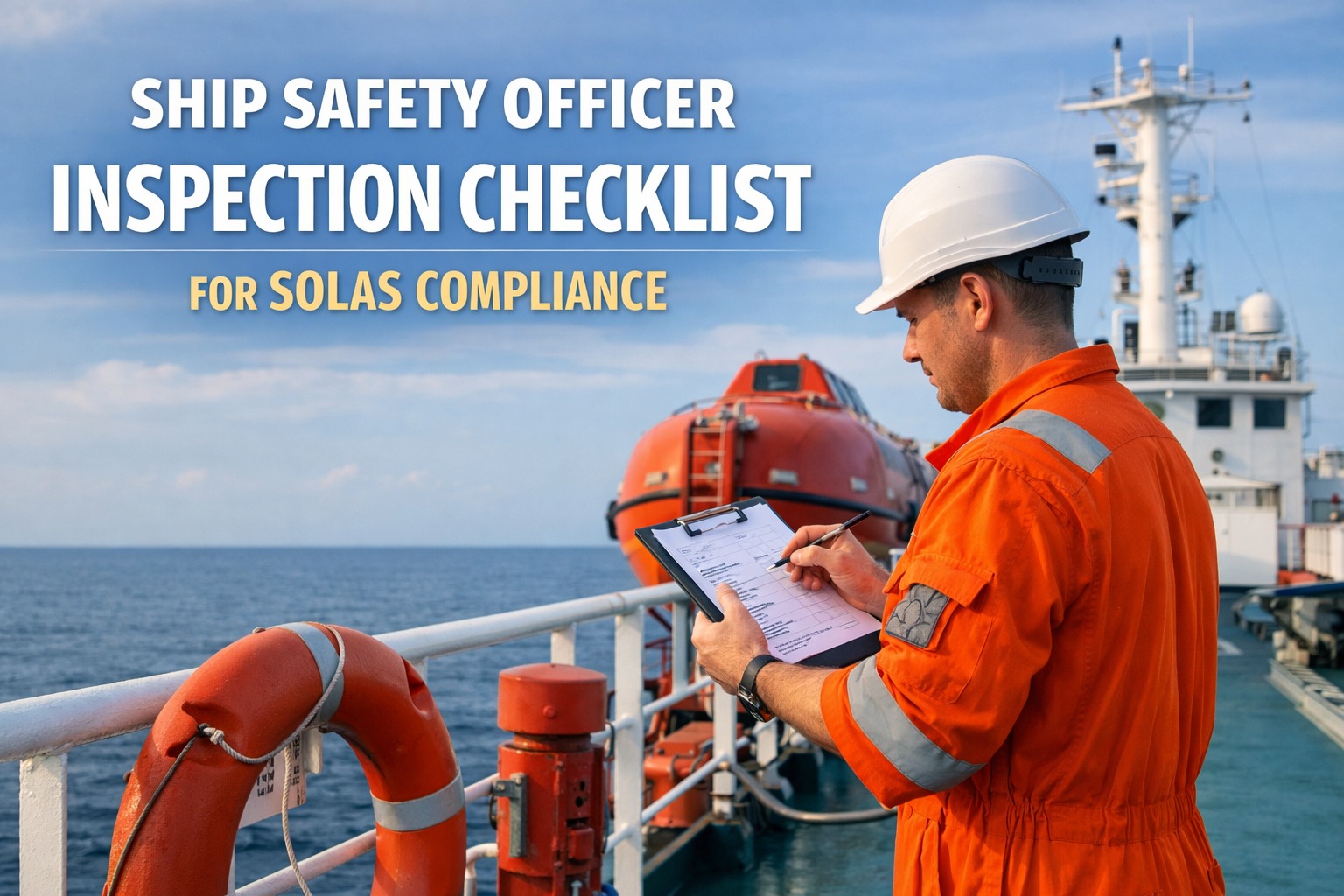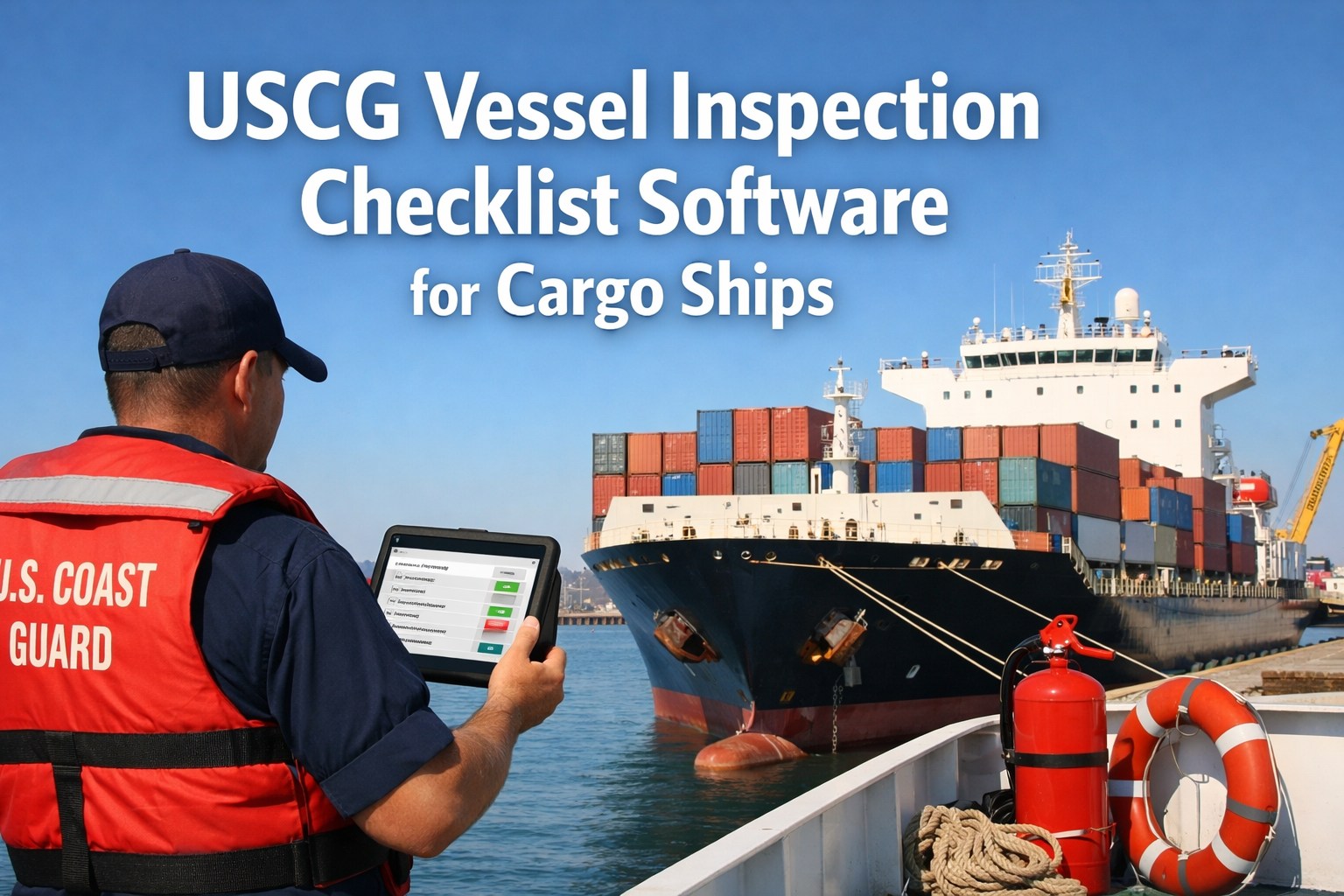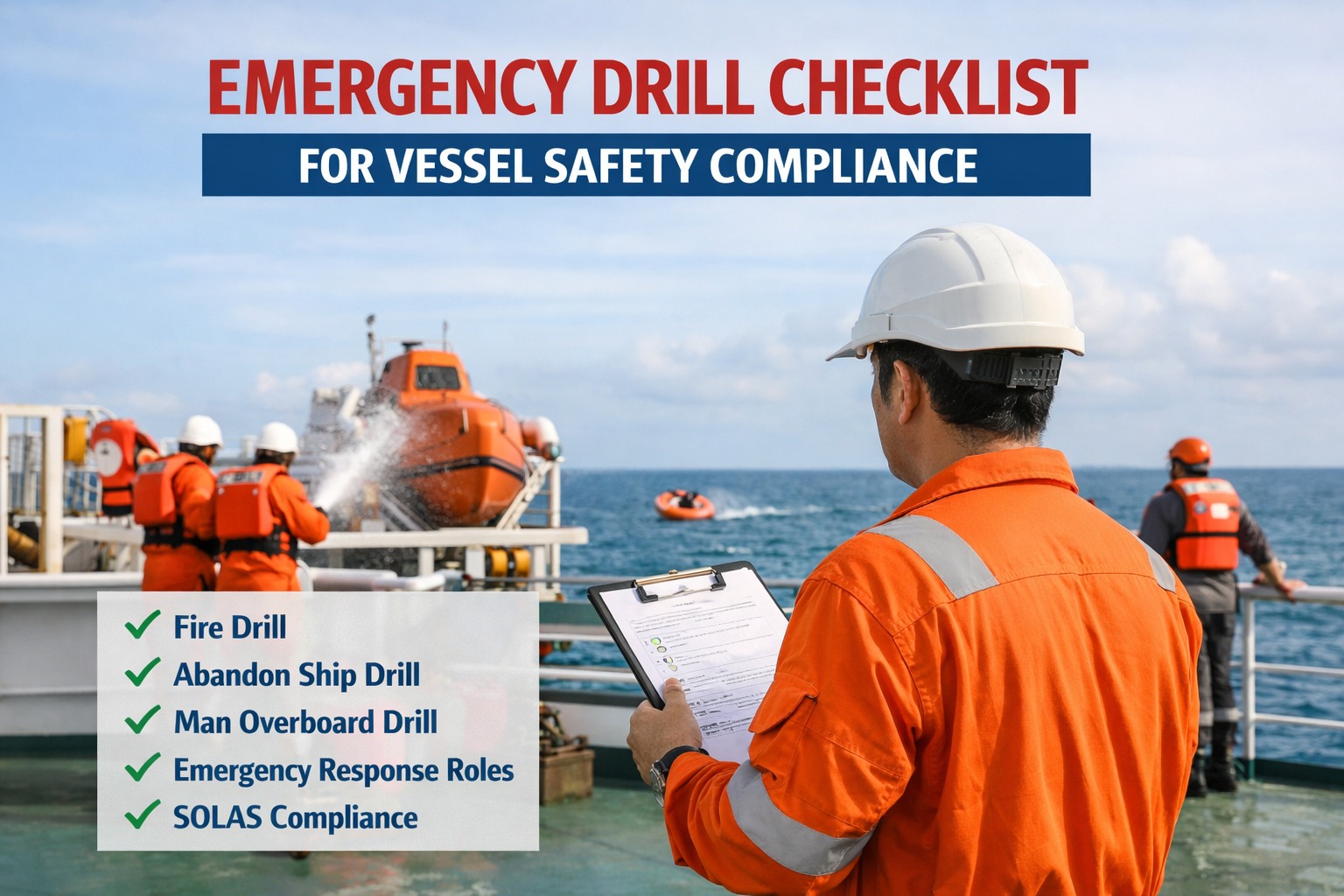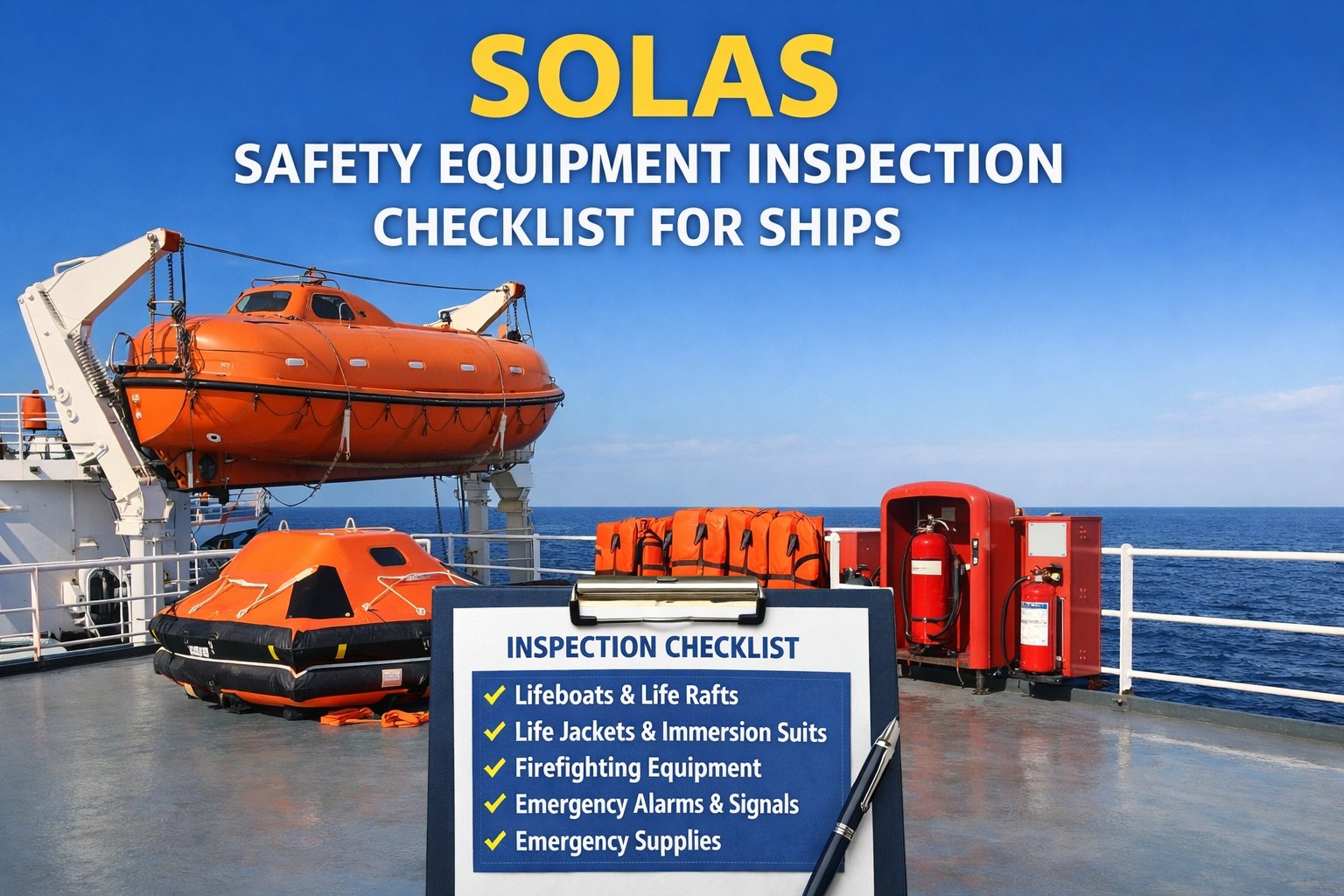
Ensuring comprehensive Coast Guard readiness is essential for vessel safety, operational reliability, and regulatory compliance. Systematic verification of vessel certification and documentation, navigation and bridge equipment, life-saving and emergency equipment, fire safety and firefighting systems, pollution prevention and environmental compliance, machinery and engineering systems, and crew compliance and safety readiness helps maintain safe vessel operations, ensures regulatory compliance, and supports effective maritime safety management. Proper Coast Guard ready vessel inspections are critical for crew protection, passenger safety, and compliance with U.S. Coast Guard requirements. Start your free Coast Guard ready vessel inspection trial
Coast Guard Ready Vessel Inspection Checklist
Comprehensive USA Vessel Safety & Compliance Inspection Checklist
Importance of Coast Guard Ready Vessel Inspections
Vessel Safety
- Comprehensive Coast Guard ready vessel inspections identify safety deficiencies, equipment failures, documentation gaps, and compliance violations before they result in maritime accidents or regulatory penalties. Regular inspection of navigation systems, life-saving equipment, fire safety systems, and machinery ensures safe vessel operations, prevents emergencies at sea, protects crew and passengers, and maintains vessel readiness throughout commercial and recreational maritime operations in U.S. waters.
Regulatory Compliance
- Systematic Coast Guard inspections verify compliance with U.S. Coast Guard regulations, SOLAS requirements, environmental protection standards, and federal maritime safety laws. Regular verification ensures vessels maintain valid certificates of inspection, current documentation, proper safety equipment, and complete inspection records demonstrating regulatory compliance for all vessel operations within U.S. territorial waters and beyond.
Crew & Passenger Protection
- Coast Guard ready vessel inspections ensure life-saving equipment availability, emergency system functionality, fire protection readiness, and crew competency verification. Proper documentation of inspection results, equipment servicing records, drill schedules, and crew certification demonstrates commitment to maritime safety, prevents casualties, and maintains operational readiness for emergency response during all vessel operations.
Operational Readiness
- Regular Coast Guard ready vessel inspections verify machinery condition, navigation system accuracy, pollution prevention compliance, and safety equipment serviceability. Systematic verification identifies maintenance needs early, prevents equipment failures during voyages, maintains operational efficiency, and ensures vessels remain seaworthy and compliant for continuous maritime operations across commercial shipping, passenger transport, and offshore activities.
Ready to enhance vessel safety compliance? Schedule a personalized demo to see automated Coast Guard inspection tracking and compliance reporting, or start your free trial today.
1. Vessel Certification & Documentation
Vessel Certification & Documentation inspection requirements:
2. Navigation & Bridge Equipment
Navigation & Bridge Equipment inspection requirements:
3. Life-Saving & Emergency Equipment
Life-Saving & Emergency Equipment inspection requirements:
4. Fire Safety & Firefighting Systems
Fire Safety & Firefighting Systems inspection requirements:
✓ Transform Vessel Safety Compliance: With 35 comprehensive verification points across 7 critical inspection areas—maintaining Coast Guard readiness and operational compliance requires systematic tracking and documentation. See how leading operators ensure vessel safety. Schedule your demo now to discover automated vessel inspection tracking and compliance reporting.
5. Pollution Prevention & Environmental Compliance
Pollution Prevention & Environmental Compliance inspection requirements:
6. Machinery & Engineering Systems
Machinery & Engineering Systems inspection requirements:
7. Crew Compliance & Safety Readiness
Crew Compliance & Safety Readiness inspection requirements:
Why Use Digital Fleet Management for Coast Guard Vessel Inspections?
Marine Inspection App Benefits for Coast Guard Vessel Inspection Management:
- ✓ Automate Coast Guard ready vessel inspections with mobile checklists for inspectors and crew
- ✓ Maintain complete digital records for vessel certification and compliance audits
- ✓ Track inspection schedules, equipment servicing dates, and certificate renewal deadlines
- ✓ Monitor deficiencies, corrective actions, and safety equipment functionality
- ✓ Generate comprehensive vessel safety reports for Coast Guard compliance
- ✓ Set automated alerts for inspection due dates, certificate expirations, and drill schedule reminders
Join leading operators who trust digital vessel inspection management for Coast Guard compliance. Schedule your demo or sign up for free to experience automated vessel inspection tracking.
Frequently Asked Questions About Coast Guard Ready Vessel Inspections
1. What areas are covered in Coast Guard ready vessel inspections?
Coast Guard ready vessel inspections cover seven critical areas: Vessel Certification & Documentation (Certificate of Inspection validity, vessel documentation currency, required manuals availability, inspection records maintenance, deficiency closeout), Navigation & Bridge Equipment (navigation lights operation, radar and AIS functionality, compass calibration, charts and publications updates, bridge alarm operation), Life-Saving & Emergency Equipment (lifejacket availability and serviceability, lifebuoy positioning, liferaft deployment readiness, EPIRB operation and registration, emergency signal and pyrotechnics validity), Fire Safety & Firefighting Systems (fire detection system operation, portable fire extinguisher serviceability, fixed fire suppression readiness, fire door and damper operation, fire control plan posting), Pollution Prevention & Environmental Compliance (oil record book maintenance, OWS operation and testing, garbage management plan implementation, sewage system operation, spill response equipment availability), Machinery & Engineering Systems (main and auxiliary engine operation, fuel system leak-free status, critical alarm and trip testing, steering gear testing and operation, electrical system condition), and Crew Compliance & Safety Readiness (crew certification compliance, drill conduct per schedule, emergency procedure familiarity, muster list posting and updates, rest hours compliance).
2. How often should Coast Guard ready vessel inspections be conducted?
Conduct thorough Coast Guard ready vessel inspections annually for Certificate of Inspection renewal, quarterly for comprehensive safety system verification, monthly for life-saving and firefighting equipment checks, weekly for navigation and bridge equipment verification, and daily for pre-departure safety checks. Additional inspections should be performed after any incident, major repair, or extended layup period. Pre-departure checks by the master and crew ensure vessel safety before each voyage. Sign up for automated inspection scheduling to maintain consistent vessel safety verification.
3. What are the most critical items to verify during Coast Guard vessel inspections?
Critical verification items include Certificate of Inspection validity and presence onboard, navigation lights operational status, lifejacket availability and serviceability, fire detection system operation, oil record book proper maintenance, main and auxiliary engine operational condition, and crew certification compliance. These items directly impact vessel safety, regulatory compliance, and crew and passenger protection during maritime operations in U.S. waters.
4. What documentation is required for Coast Guard vessel compliance?
Required documentation includes valid Certificate of Inspection posted onboard, current vessel documentation, required operational manuals, properly maintained inspection records, closed-out deficiency reports, updated charts and publications, EPIRB registration certificates, fire control plans, oil record book entries, garbage management plans, crew certification records, drill logs conducted per schedule, updated muster lists, and rest hours compliance records. Schedule a demo to see how digital documentation simplifies Coast Guard compliance and regulatory reporting.
5. How can digital management improve Coast Guard vessel inspection compliance?
Digital management provides mobile inspection checklists accessible on smartphones and tablets during vessel rounds, photo documentation of deficiencies and equipment conditions for maintenance planning, automated scheduling of daily pre-departure checks and periodic inspections, real-time deficiency reporting with instant notifications to maintenance teams, crew certification tracking with automatic expiration alerts, Certificate of Inspection renewal schedule management with deadline reminders, complete vessel inspection history from commissioning through current status, and comprehensive safety reports demonstrating Coast Guard compliance. This improves inspection completion rates, accelerates deficiency resolution, maintains certification currency, and strengthens overall vessel safety culture through systematic, accountable inspection management practices. Start your free trial to experience automated Coast Guard vessel inspection management.
Take Action: Implement Comprehensive Coast Guard Vessel Inspection Management
Download our FREE Coast Guard Ready Vessel Inspection Checklist and start implementing systematic vessel safety verification for your maritime operations. Integrating digital fleet management with your vessel inspection routine ensures consistent safety standards, comprehensive documentation, and proactive maintenance preventing safety violations and equipment failures.
Get Started Today: Start your free trial for instant access to automated vessel inspection tracking and compliance tools, or schedule a personalized demo to see how we help vessel operators, shipping companies, and maritime organizations maintain Coast Guard compliance excellence, ensure regulatory readiness, and protect crew and passengers during all maritime operations.
Master Coast Guard Vessel Safety & Compliance Excellence
Complete vessel safety: certification and documentation, navigation and bridge equipment, life-saving and emergency systems, fire safety, pollution prevention, machinery and engineering, crew compliance—all tracked automatically for Coast Guard readiness and regulatory compliance.