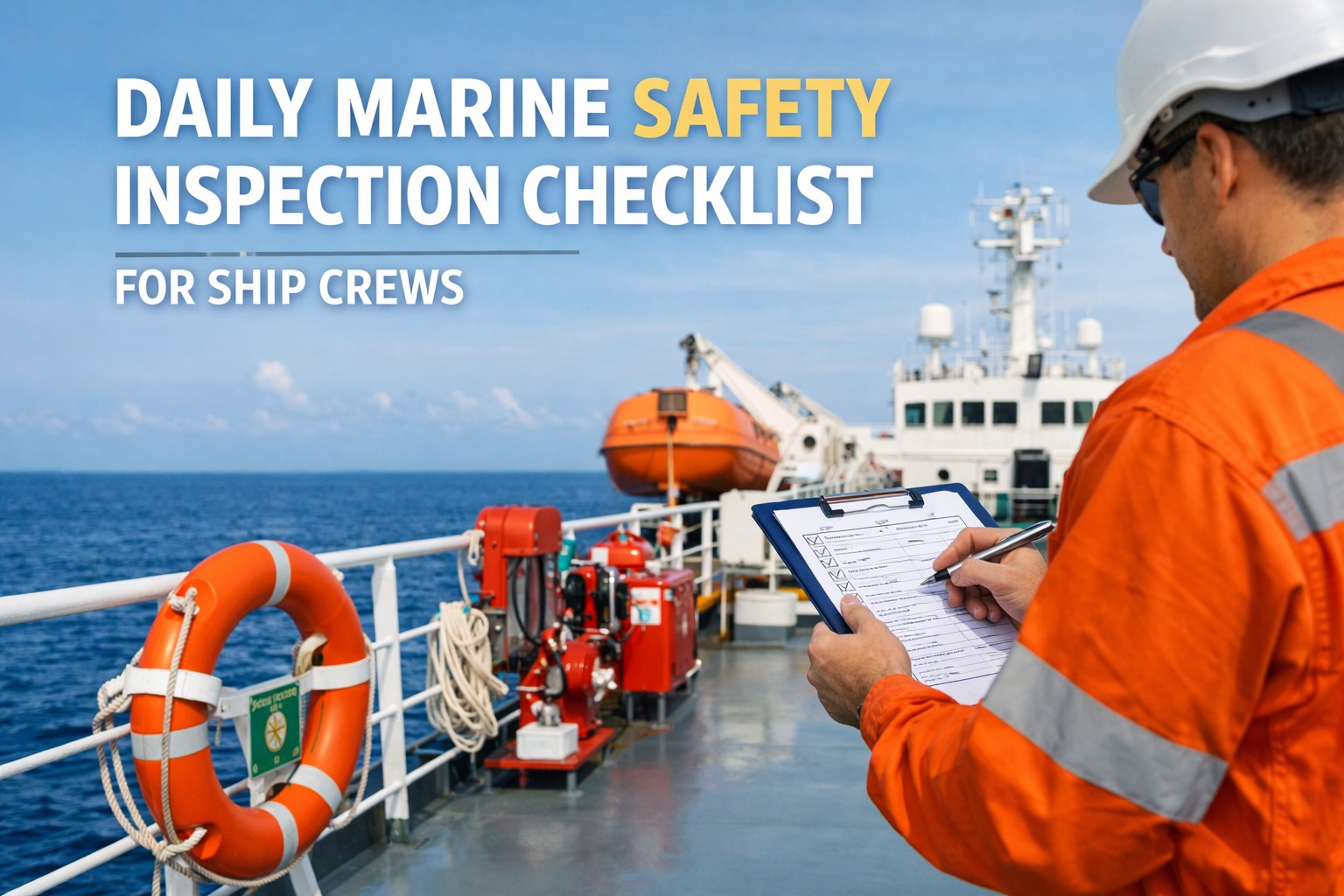
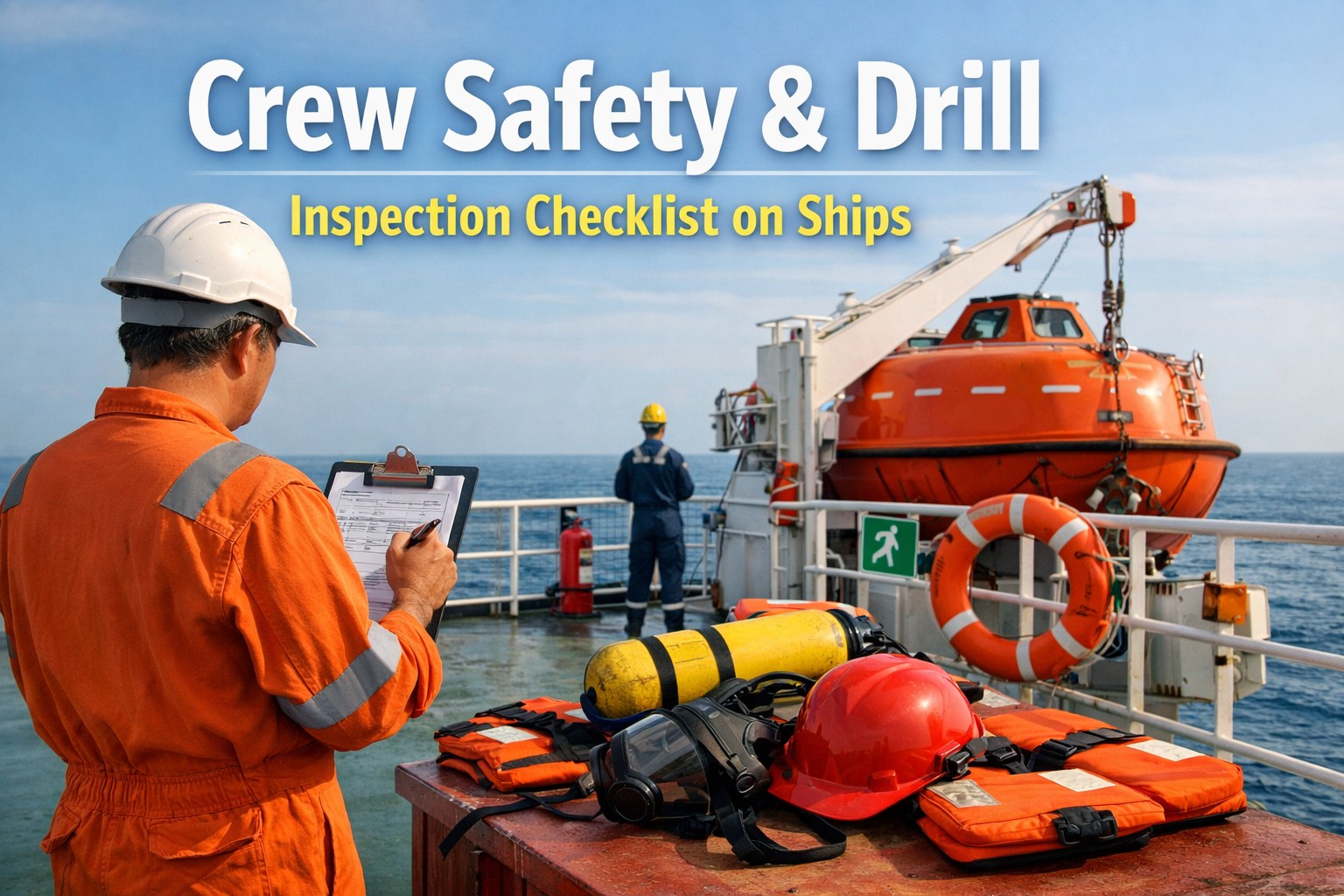
Ensuring comprehensive commercial vessel safety is essential for crew protection, regulatory compliance, and operational excellence. Systematic verification of accommodation standards, crew qualifications, safety equipment, electrical systems, and emergency procedures helps prevent incidents, ensures maritime authority compliance, and maintains vessel seaworthiness. Proper safety inspections and documentation are critical for protecting crew welfare, preventing casualties, and ensuring safe commercial vessel operations in accordance with STCW, AMSA, and MSQ requirements. Start your free digital inspection trial
Commercial Vessel Safety Inspection
Comprehensive Vessel Safety Compliance & Audit Checklist
Importance of Commercial Vessel Safety Inspections
Crew Protection
- Regular commercial vessel safety inspections verify accommodation standards, personal protective equipment, emergency equipment, and crew welfare provisions, ensuring safe working environment for all vessel personnel. Comprehensive safety verification protects crew from hazards, prevents occupational injuries, and maintains high standards of maritime safety culture.
Regulatory Compliance
- Systematic safety inspections ensure compliance with AMSA (Australian Maritime Safety Authority), MSQ (Maritime Safety Queensland), STCW (Standards of Training, Certification and Watchkeeping) requirements, and international maritime conventions. Proper documentation and verification prevent regulatory deficiencies, port state control detentions, and operational restrictions.
Emergency Preparedness
- Thorough safety equipment verification ensures life-saving appliances, fire-fighting equipment, navigation equipment, and emergency systems are operational and properly maintained. Regular drill training, emergency procedure verification, and safety equipment testing ensures crew readiness for fire, flooding, man overboard, collision, grounding, and abandon ship scenarios.
Operational Excellence
- Proactive vessel safety inspections identify maintenance needs, equipment deterioration, and procedural deficiencies before they cause incidents or casualties. Digital safety tracking optimizes maintenance planning, demonstrates safety commitment to clients and insurers, reduces incident investigation burden, and supports continuous improvement in commercial vessel operations.
Sign up to track vessel safety inspections automatically
1. Accommodation
Accommodation inspection requirements:
2. Crew
Crew inspection requirements:
3. Documentation
Documentation inspection requirements:
4. Electrical
Electrical inspection requirements:
5. Incident Reporting
Incident Reporting inspection requirements:
✓ Elevate Commercial Vessel Safety Standards: With 157 comprehensive safety verification points across 10 critical areas—maintaining commercial vessel safety compliance requires systematic inspection and documentation. See how leading vessel operators ensure crew safety and regulatory compliance. Schedule your demo now to discover how digital safety inspection tracking can transform your commercial vessel safety management.
6. Machinery
Machinery inspection requirements:
7. Previous Audit
Previous Audit inspection requirements:
8. Safety Equipment
Safety Equipment inspection requirements:
9. Training
Training inspection requirements:
10. Vessel
Vessel inspection requirements:
Why Use Digital Fleet Management for Commercial Vessel Safety?
Marine Inspection App Benefits for Commercial Vessel Safety Management:
- ✓ Automate vessel safety inspections across all operational areas
- ✓ Maintain complete digital records for AMSA, MSQ, and STCW compliance
- ✓ Track accommodation standards, crew qualifications, and safety equipment
- ✓ Monitor emergency drill completion and training requirements
- ✓ Generate comprehensive safety audit reports and compliance documentation
- ✓ Set automated alerts for equipment testing, certificate expiration, and drill schedules
Book a demo to see automated vessel safety tracking
Frequently Asked Questions About Commercial Vessel Safety Inspections
1. What are the key areas covered in commercial vessel safety inspections?
Commercial vessel safety inspections cover ten critical areas: accommodation (crew quarters, sanitation, ventilation, storage), crew (qualifications, manning levels, fatigue management, PPE), documentation (logbooks, SMS, certificates, procedures, maintenance records), electrical systems (certifications, testing, labeling, emergency lighting), incident reporting (forms, investigation procedures, OHS policies), machinery (equipment condition, fuel shutoffs, sewerage treatment), previous audit follow-up, safety equipment (life-saving appliances, fire-fighting equipment, signage), training (emergency drills, specialized training, toolbox meetings), and vessel condition (cleanliness, equipment storage, navigation systems, lifting equipment). Each area requires systematic verification to ensure comprehensive safety compliance.
2. How often should commercial vessel safety inspections be conducted?
Commercial vessel safety inspections should be conducted weekly for operational readiness checks covering critical safety equipment and systems, monthly for comprehensive safety audits including all accommodation, crew, and equipment areas, quarterly for detailed compliance verification with regulatory requirements, annually for complete SMS audit and certification verification, before vessel surveys or certification renewals, after incidents or near-misses requiring investigation, following major repairs or modifications, and whenever crew changes affect safety management. Frequency may vary based on vessel classification, operation type, and regulatory jurisdiction requirements.
3. What documentation must be maintained for commercial vessel safety compliance?
Essential commercial vessel safety documentation includes vessel logbooks, SMS manual with vessel-specific data, emergency procedure checklists, safety equipment inspection and test records, compass deviation card, vessel registration certificate, load line certificate, discharge records (sewerage, oil/bilge, garbage), refueling logs and procedures, fire equipment service records, hazard and near-miss forms, JSA forms, maintenance plans and records, operating manuals, charts and publications, crew qualification certificates, emergency drill registers, training records, incident reports and investigations, confined space and working at heights registers, isolation registers, MSDS register, and policies and procedures manual. All documentation must be current, accessible, and properly maintained for audit purposes.
4. What are critical safety equipment requirements for commercial vessels?
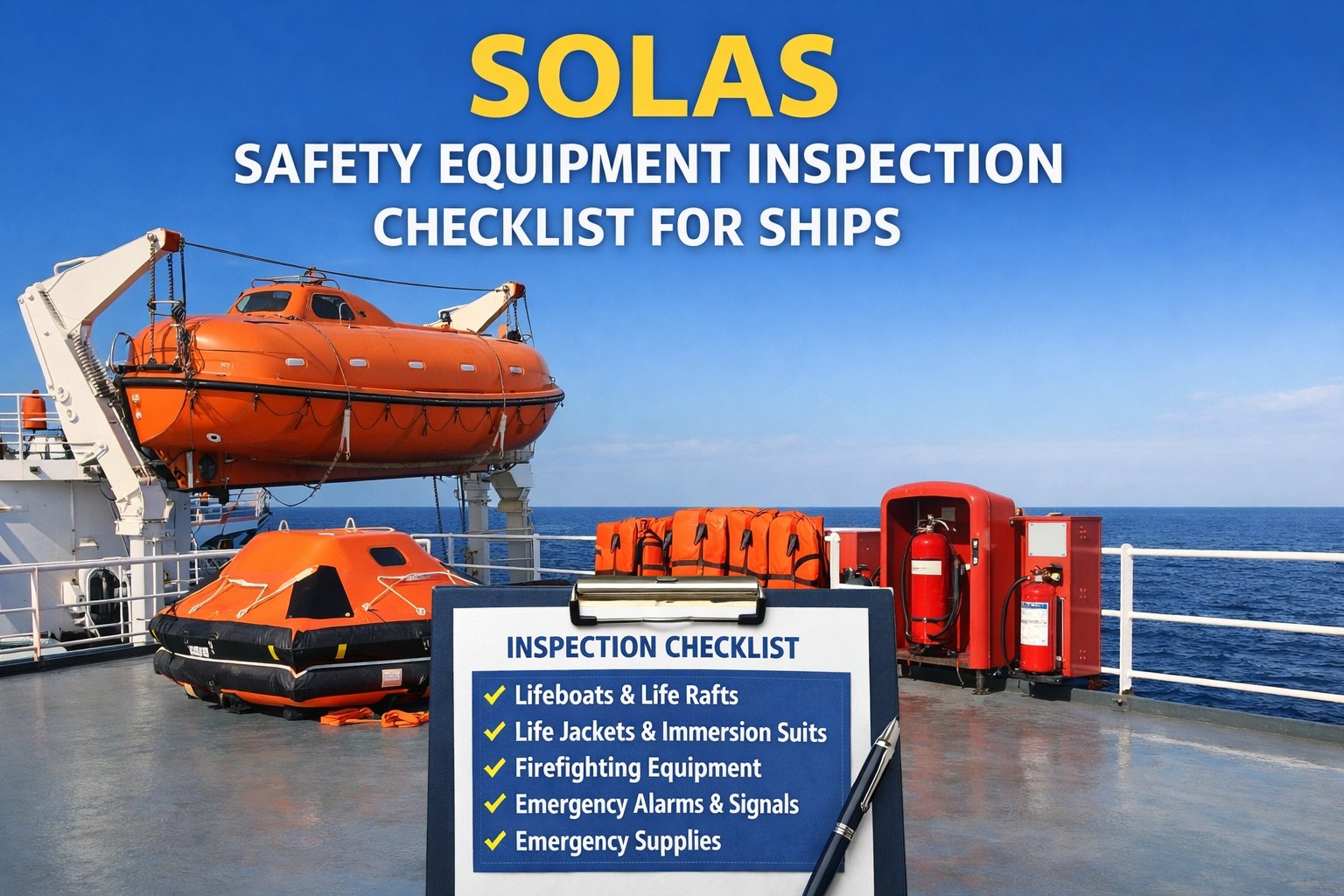
Critical commercial vessel safety equipment includes life-saving appliances (life rafts with current testing, hydrostatic releases, Carley floats, life rings with lights and lanyards, compliant life jackets, rescue boats), fire-fighting equipment (tested fire extinguishers, fire hoses reaching all vessel areas, fire pumps, fire buckets, fire axe, fire blanket, engine room smothering system), navigation equipment (charts, binoculars, flags and day shapes, Notice to Mariners), emergency equipment (EPIRB registered with AMSA, flares and visual signals, torches, first aid kit), safety signage (muster stations, emergency shutdowns, general safety placarding), and MOB retrieval equipment. All equipment requires regular testing, maintenance, and crew training for proper use during emergencies.
5. How can digital management improve commercial vessel safety compliance?
Digital commercial vessel safety management enhances compliance by providing mobile inspection checklists accessible to crew during operations, automating safety equipment testing schedules and expiration alerts, tracking emergency drill completion and training requirements, documenting safety inspections with photographs and timestamps, maintaining centralized records accessible for audits and surveys, generating comprehensive safety reports for management and regulatory authorities, analyzing safety trends to identify systemic issues and improvement opportunities, ensuring consistent safety standards across vessel fleets, reducing administrative burden on vessel crew and shore management, demonstrating safety commitment to clients and insurers, and creating complete audit trails for AMSA, MSQ, and port state control inspections that support continuous safety culture improvement.
Take Action: Implement Comprehensive Commercial Vessel Safety Management
Download our FREE Commercial Vessel Safety Inspection Checklist and start implementing systematic safety verification for your commercial vessel operations. Integrating digital fleet management with your vessel safety routine ensures AMSA, MSQ, and STCW compliance, prevents safety deficiencies, and maintains high standards of crew protection. Experience the power of automated safety tracking to keep your commercial vessels inspection-ready and compliant with all maritime safety regulations.
Master Commercial Vessel Safety & Compliance
Complete vessel safety management: accommodation standards, crew qualifications, safety equipment, emergency procedures, training drills—all tracked automatically for AMSA, MSQ, and STCW compliance excellence.