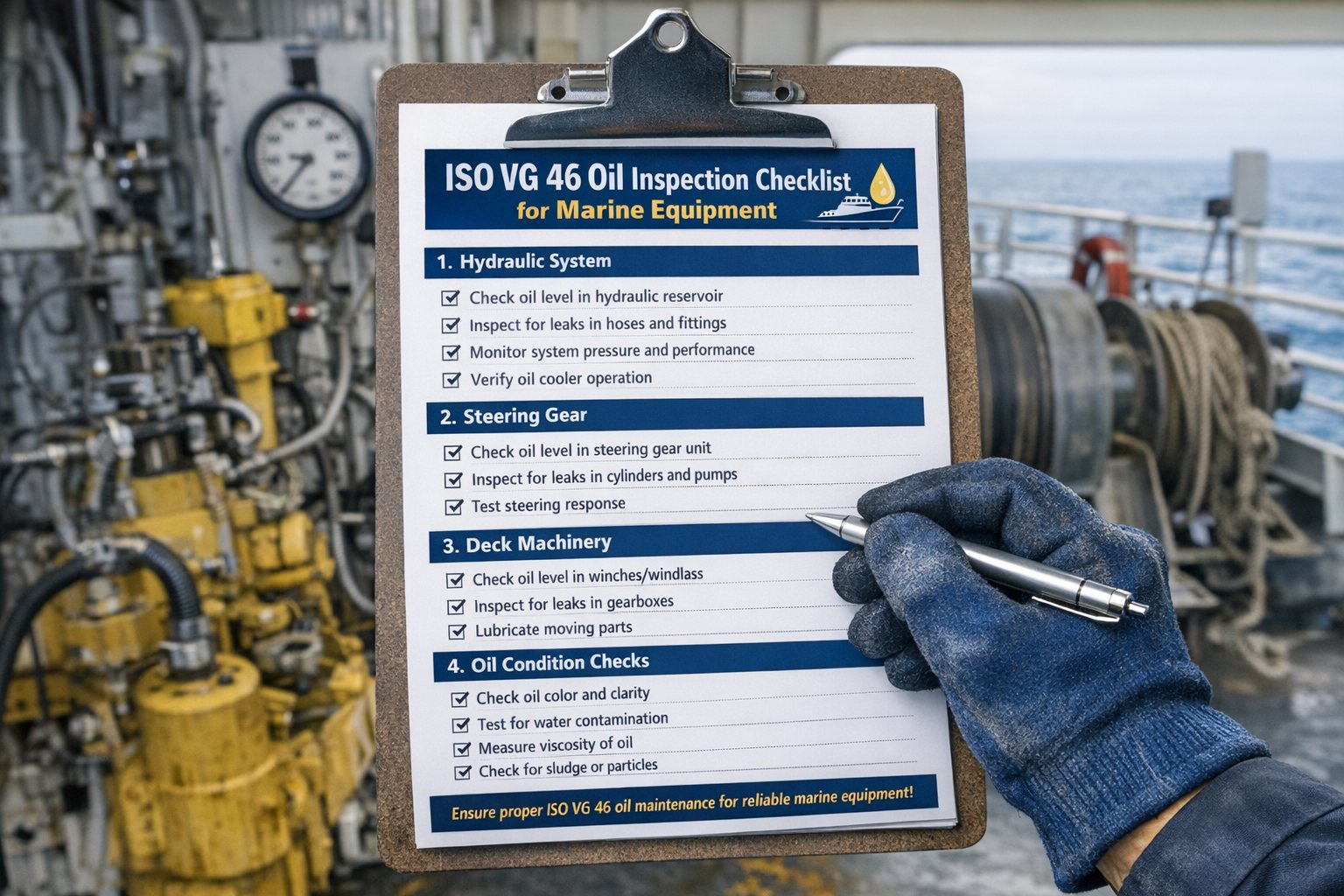
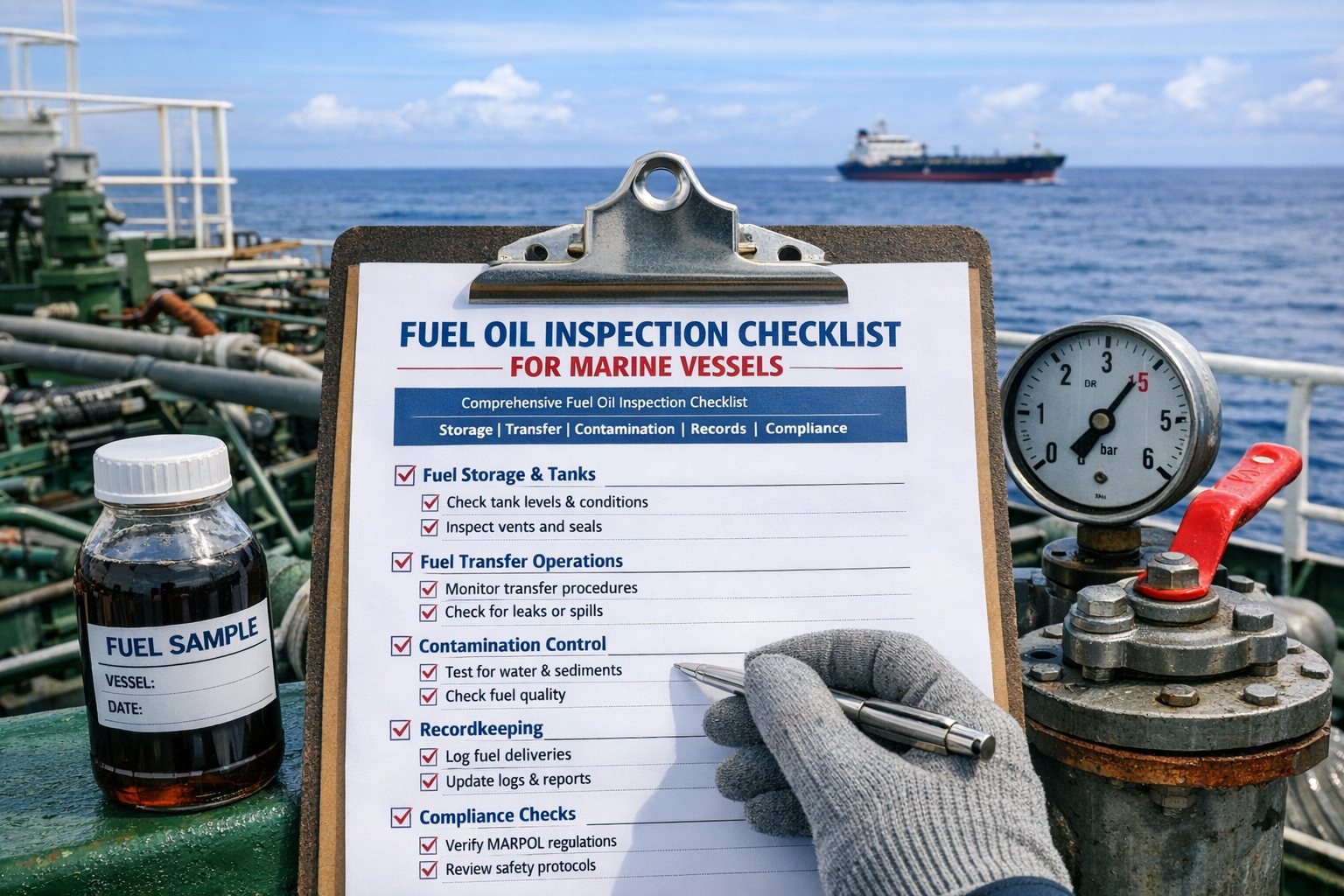
ISO VG 46 hydraulic oil is the lifeblood of critical marine systems including steering gear, deck machinery, and hydraulic equipment. Regular inspection prevents catastrophic failures, extends equipment life by 40%,and ensures operational safety. Proper oil condition monitoring detects contamination early, avoiding costly repairs averaging $85K per failure.
Implement digital lubrication management with automatic scheduling, condition trending, and compliance tracking.
ISO VG 46 Oil Management Impact
40%
Equipment Life Extension
$85K
Avg Failure Cost
75%
Failures Preventable
3-6 Mo
Oil Change Interval
What is ISO VG 46 Oil?
ISO VG 46 refers to hydraulic oil with a viscosity grade of 46 cSt (centistokes) at 40°C. This medium-viscosity oil is ideal for marine hydraulic systems operating under moderate loads and temperatures. Understanding its applications ensures proper inspection focus:
Steering Gear Systems
Primary application for main and auxiliary steering. Critical for vessel control and safety. Typical capacity: 800-2,000 liters.
Deck Machinery
Winches, cranes, windlass, mooring equipment. High-load intermittent operation. Capacity: 200-800 liters per unit.
Hydraulic Systems
Hatch covers, ramps, doors, cargo handling. Continuous or frequent operation. Capacity: 100-500 liters.
Auxiliary Equipment
Stabilizers, bow thrusters, elevator systems. Intermittent high-load operation. Capacity: varies by system.
Oil Inspection Workflow
1
Visual Inspection
Check color, clarity, contamination, leaks
→
2
Sample Collection
Proper sampling procedure, labeling, storage
→
3
Condition Testing
Viscosity, contamination, additive depletion
→
4
Corrective Action
Oil change, filtration, system repair
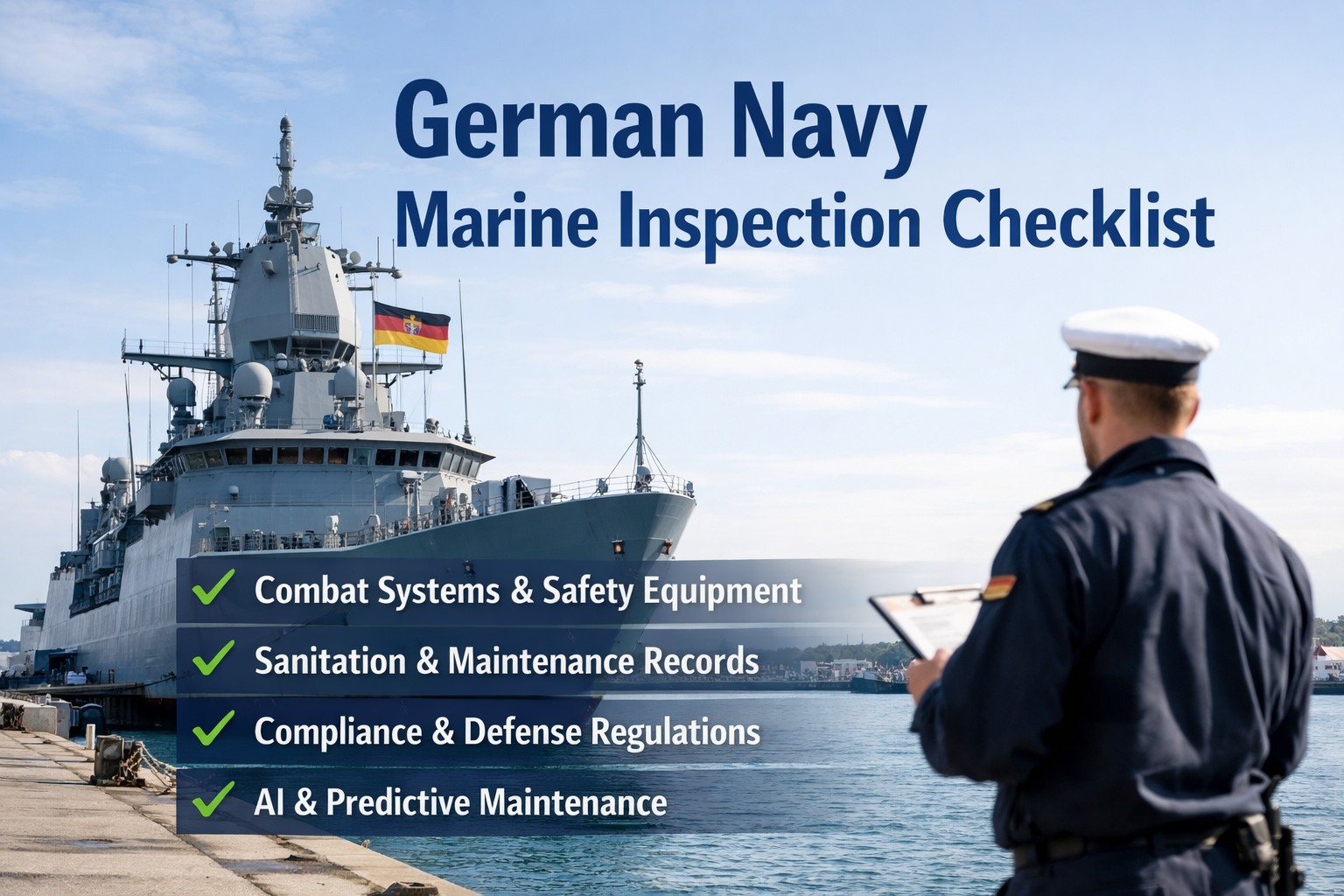
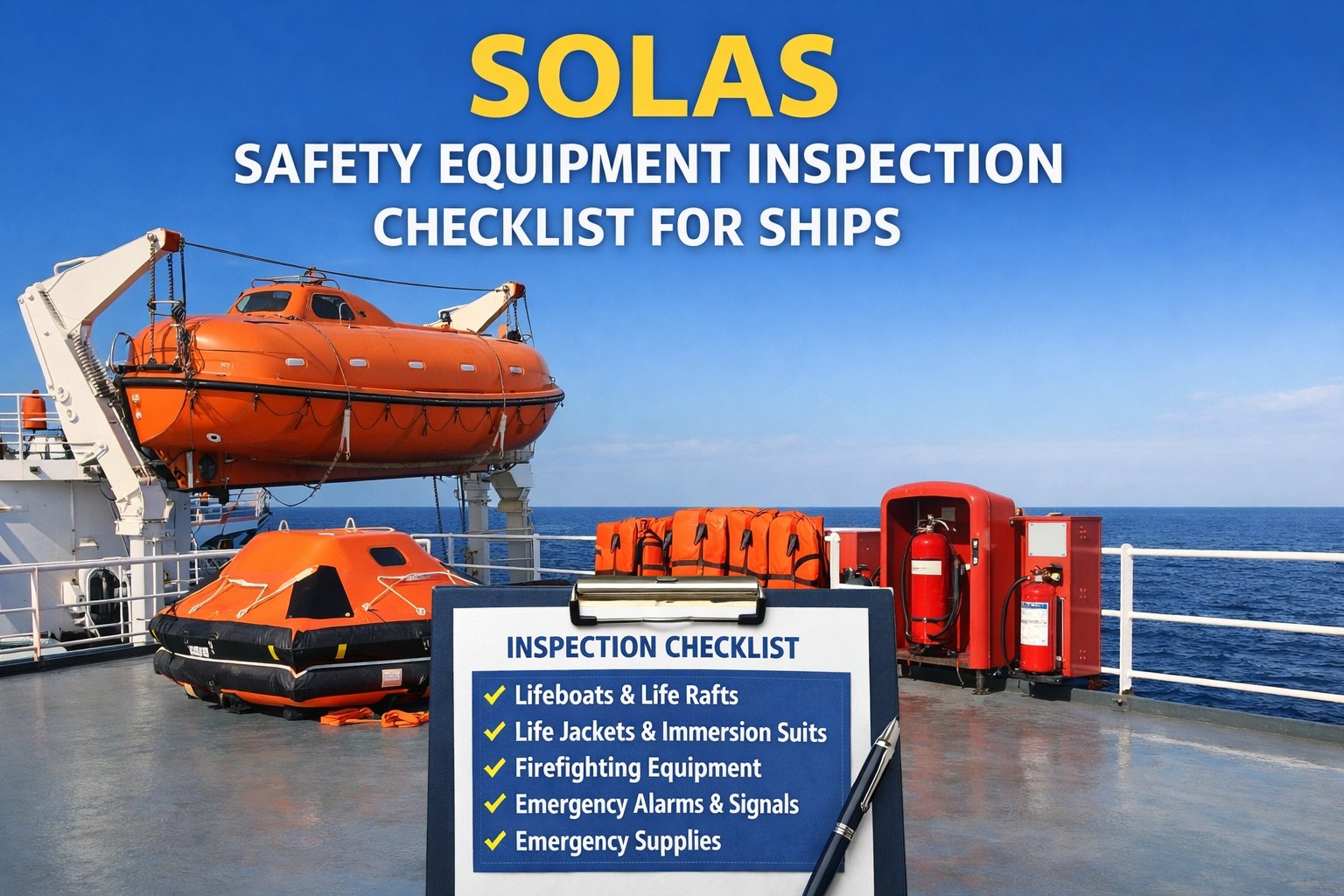
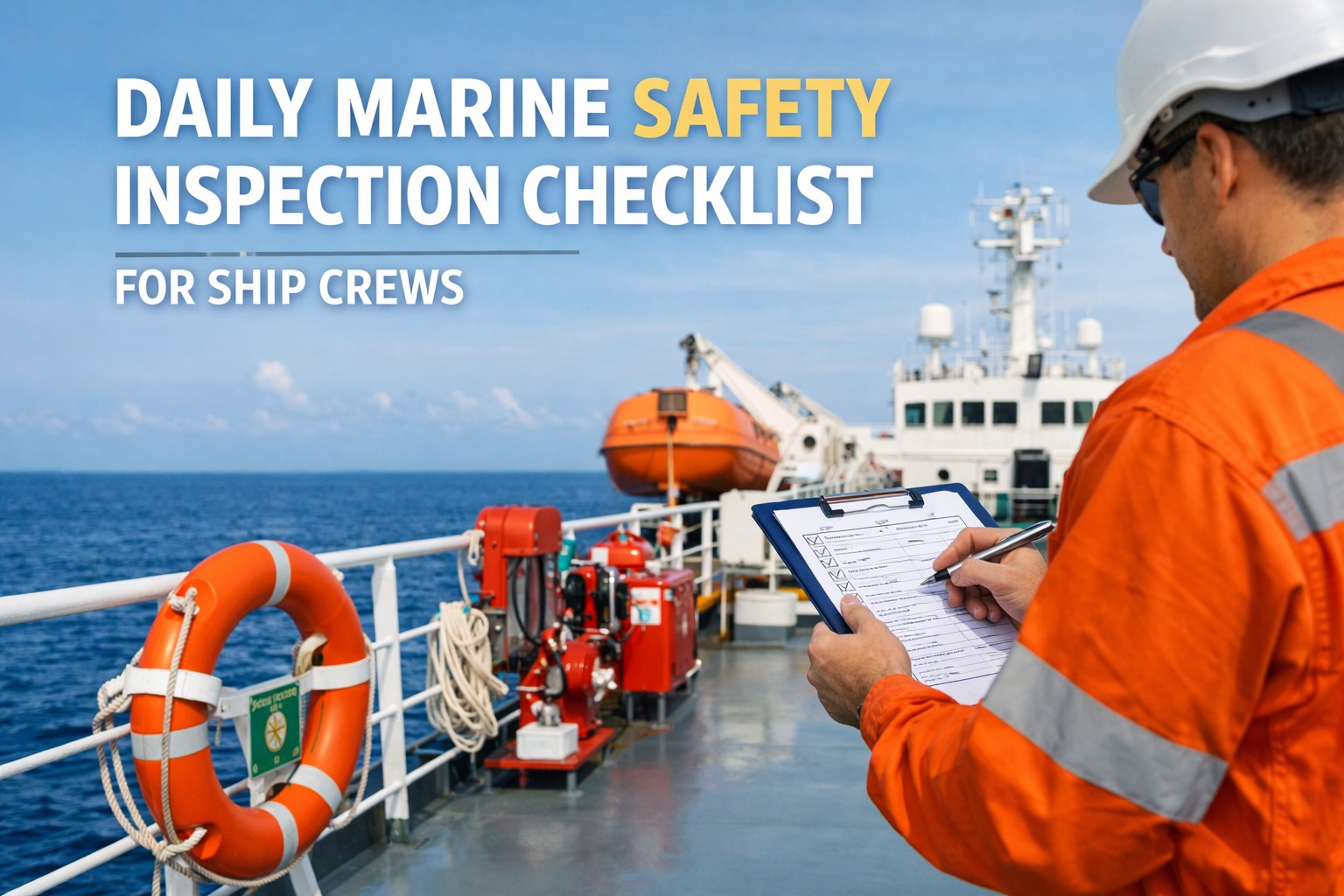
Equipment-Specific Inspection Checklists
Oil Contamination Warning Signs
Dark/Black Color: Thermal degradation, oxidation, overheating
Milky/Cloudy: Water contamination from seal failure or condensation
Metal Particles: Component wear, pump/motor damage, system failure imminent
Strong Odor: Oxidation, thermal breakdown, additive depletion
Foaming: Air entrainment, low oil level, agitation, surfactant depletion
Thick/Varnish: Oxidation products, sludge formation, filter bypass
Oil Condition Parameters
Regular testing of these parameters determines oil condition and change intervals. Reference values for ISO VG 46 hydraulic oil in marine service:
Viscosity @ 40°C
Normal Range:
41.4 - 50.6 cSt
Action Required:
<37 or >55 cSt
±10% from nominal indicates contamination or degradation
Water Content
Acceptable:
<200 ppm (0.02%)
Action Required:
>500 ppm (0.05%)
Water accelerates oxidation, promotes corrosion, reduces lubrication
Particle Count (ISO 4406)
Target Cleanliness:
16/14/11 or better
Action Required:
>18/16/13
Cleanliness code: particles >4μm / >6μm / >14μm
Acid Number (TAN)
New Oil:
<0.5 mg KOH/g
Change Oil:
>2.0 mg KOH/g
Indicates oxidation level and additive depletion
Color (ASTM D1500)
New Oil:
L0.5 - L2.0
Monitor Closely:
>L4.0
Darkening indicates oxidation, contamination, or thermal stress
Operating Temperature
Normal Range:
40 - 60°C
Maximum:
80°C continuous
Above 80°C accelerates oxidation rate exponentially
Oil Sampling Procedure
1
Equipment Preparation
Use clean sample bottles, labels, gloves. Run system 10-15 minutes to circulate oil evenly. Sample during normal operating temperature for accurate results.
2
Sample Location Selection
Sample from return line before filters (most representative). Avoid sampling from tank bottom (shows worst case) or pump outlet (not representative of bulk oil).
3
Sample Collection
Flush sampling port 2-3 seconds. Collect 100-250ml sample in clean bottle. Avoid introducing contamination during collection. Seal bottle immediately after collection.
4
Labeling & Documentation
Label with: vessel name, equipment ID, date/time, oil hours, oil type, sampler name. Record in lubrication log. Note any unusual observations or recent maintenance.
5
Storage & Analysis
Store upright in cool location. Send to lab within 7 days. Conduct onboard visual checks immediately. Compare results against baseline and trend data.
Common Oil-Related Issues
CRITICAL
Water Contamination
Causes: Seal failure, condensation, cooler leaks. Symptoms: Milky appearance, emulsification, corrosion. Solution: Drain water, replace seals, improve tank venting, consider oil change if >1,000 ppm.
CRITICAL
Particle Contamination
Causes: Component wear, external ingress, poor filtration. Symptoms: Accelerated wear, valve sticking, pump damage. Solution: Filtration to target cleanliness, identify wear source, replace damaged components.
HIGH RISK
Thermal Degradation
Causes: Overheating, cooler failure, excessive load. Symptoms: Dark color, varnish, increased viscosity, acidity. Solution: Repair cooling system, reduce operating temperature, change oil, investigate root cause.
HIGH RISK
Air Entrainment
Causes: Low oil level, leaking suction lines, agitation. Symptoms: Foaming, spongy operation, cavitation, accelerated oxidation. Solution: Correct oil level, repair leaks, reduce turbulence, check breather.
Maintenance Schedule
DAILY
Visual Checks: Oil level, leaks, unusual noise, temperature, operation smoothness
WEEKLY
Detailed Inspection: Filter condition, color check, pressure readings, leak inspection
MONTHLY
Condition Monitoring: Oil sampling, water drain, temperature logging, system performance
QUARTERLY
Lab Analysis: Full oil analysis, filter replacement, detailed system check, trend analysis
ANNUAL
Major Service: Oil change (3-6 months), system flush, seal inspection, component overhaul
Cost of Poor Oil Management:
Steering gear failure from neglected oil condition: $85K average repair cost plus 5-10 days off-hire. Preventive oil analysis program: $2K-$3K annually per system. Digital lubrication management provides automatic scheduling, condition trending, and predictive failure warnings at 10% the cost of a single breakdown.
Implement preventive systems.
Never Miss Oil Inspection Schedules
Automated reminders, condition tracking, and predictive maintenance alerts
Start Free Trial
Schedule Demo
Digital tracking • Condition trending • Predictive alerts
Frequently Asked Questions
How often should ISO VG 46 oil be changed?
Change interval depends on operating conditions: normal service 3,000-6,000 hours or 12-18 months; heavy duty service 2,000-4,000 hours or 6-12 months. Condition-based monitoring through oil analysis optimizes change timing. Steering gear oil typically changed annually, deck machinery 6-12 months based on usage intensity.
What causes ISO VG 46 oil to turn dark/black?
Dark coloration indicates thermal degradation from overheating (>80°C sustained operation), oxidation from extended use, contamination with combustion products, or additive depletion. Causes include cooler failure, excessive system loads, poor maintenance. Dark oil should be analyzed immediately and changed if viscosity, acidity, or contamination exceeds limits.
Can I mix different brands of ISO VG 46 oil?
While ISO VG 46 oils meet same viscosity specification, additive packages vary between manufacturers. Mixing can cause additive incompatibility, reduced performance, or precipitation. Emergency top-ups acceptable but plan complete oil change soon. Always use same brand/specification when possible. Document any mixing in maintenance logs.
How do I know if my hydraulic oil has water contamination?
Visual signs: milky/cloudy appearance, phase separation (water layer), foaming during operation. Operational signs: spongy controls, corrosion on components, accelerated wear. Lab testing confirms: free water visible, dissolved water measured via Karl Fischer test. Action required above 500 ppm (0.05%). Drain free water, identify source, improve breather/seals, consider dehydration equipment.