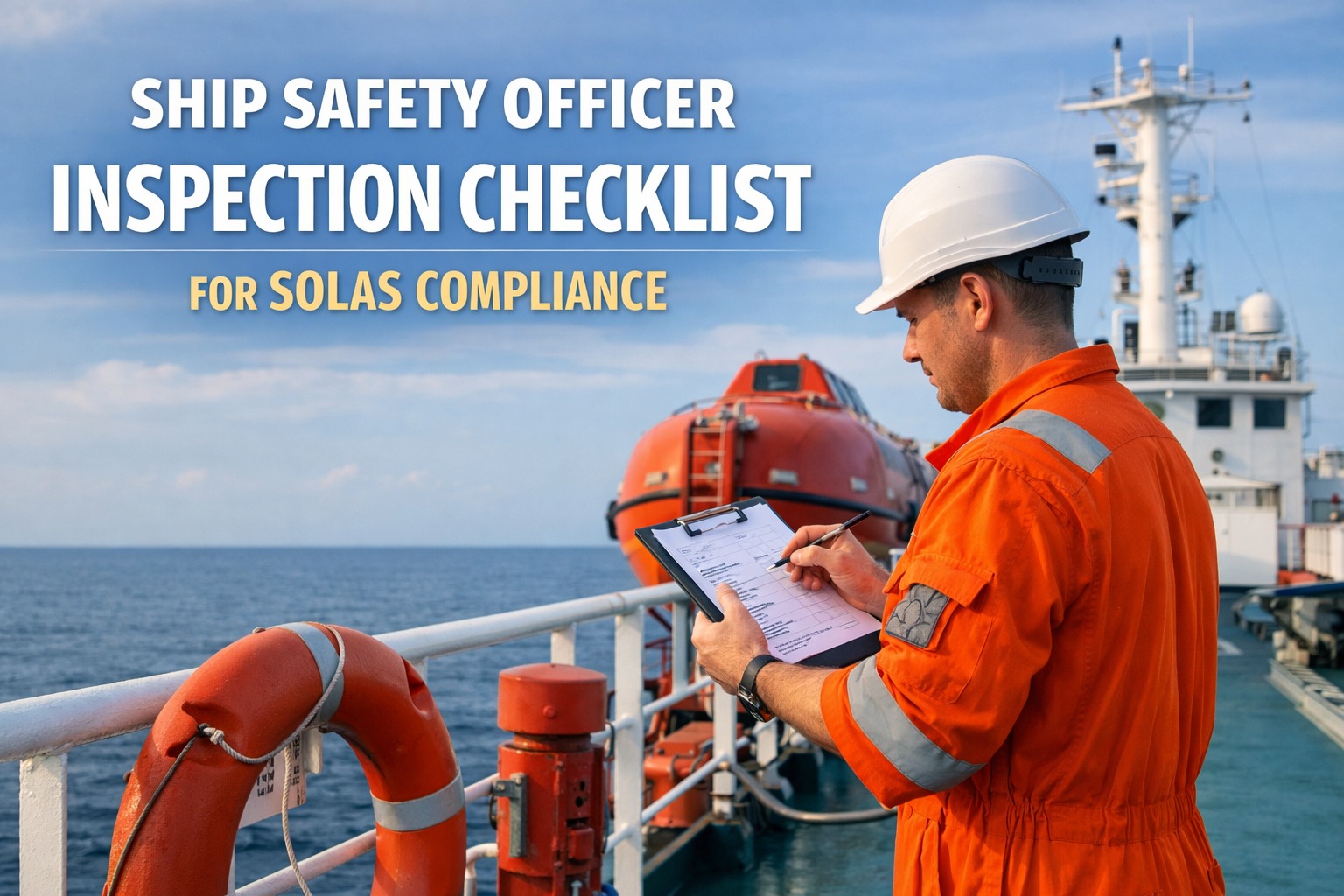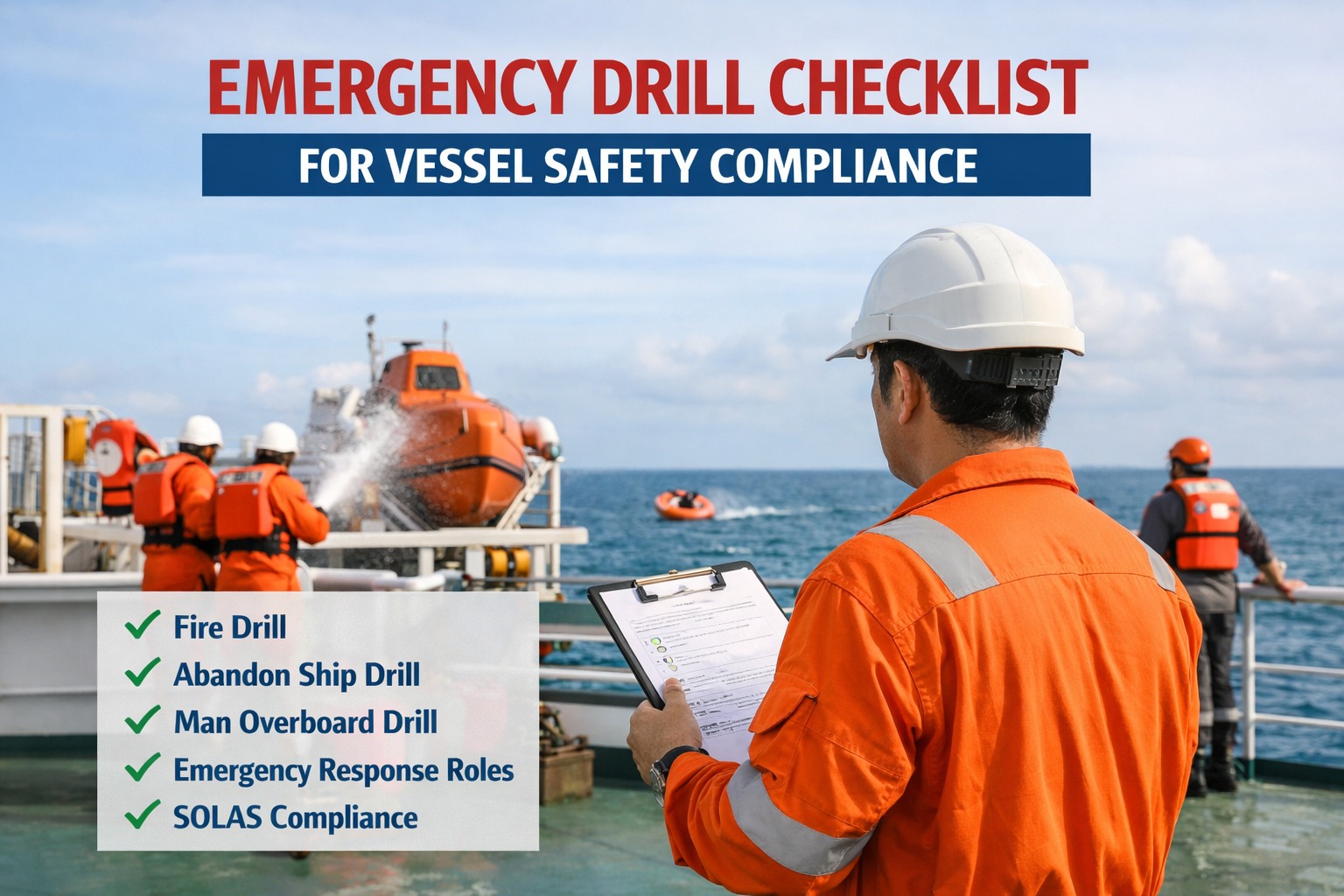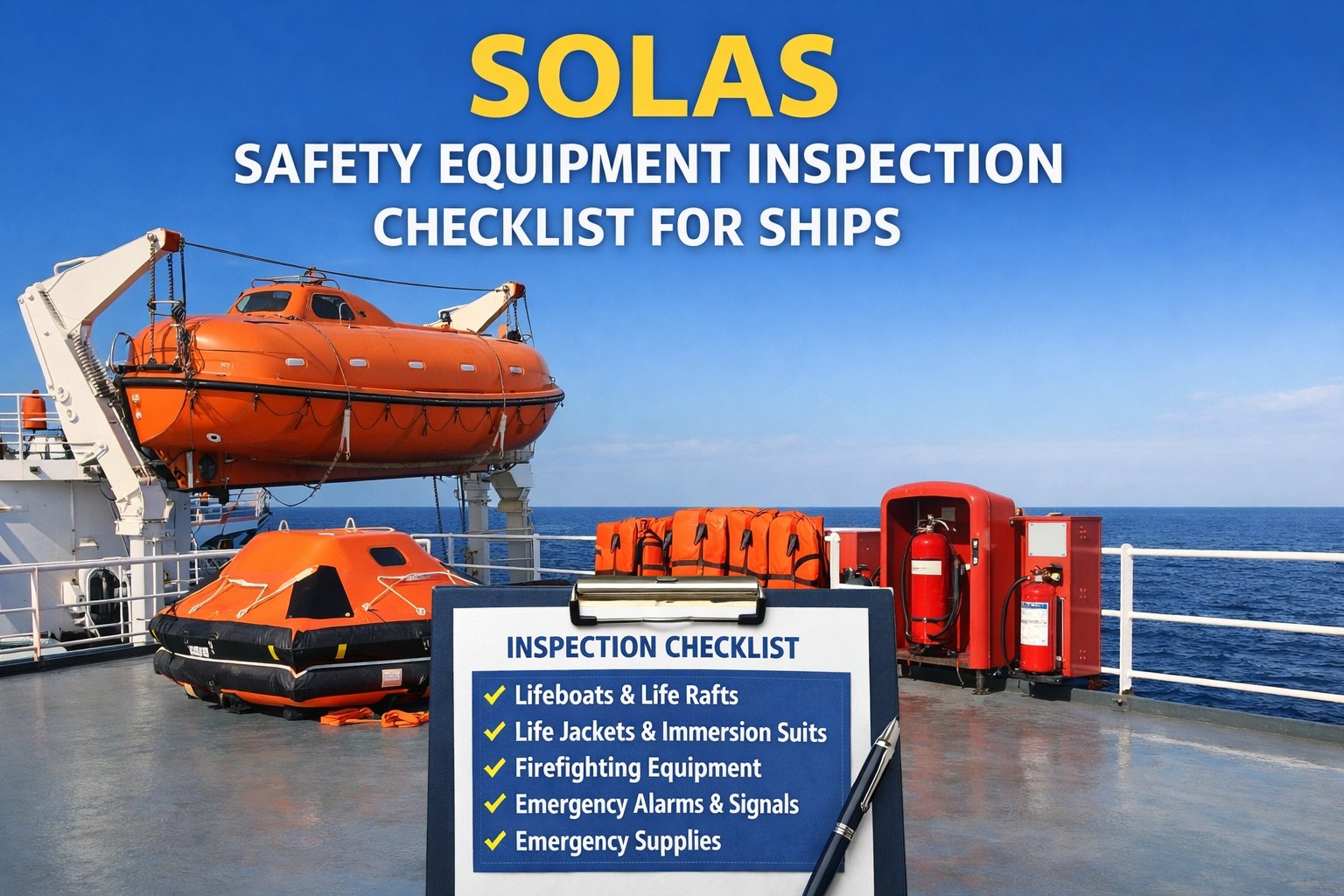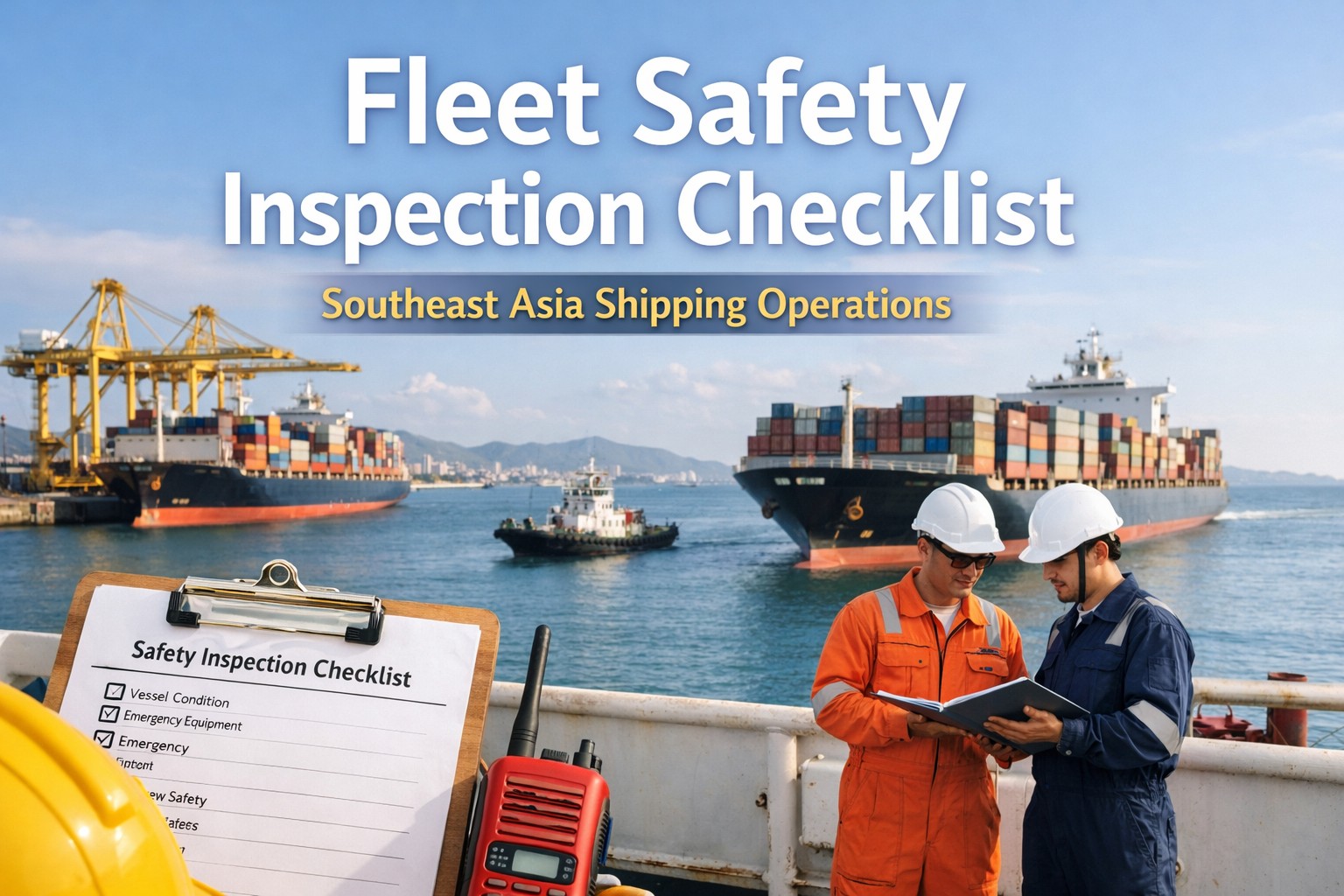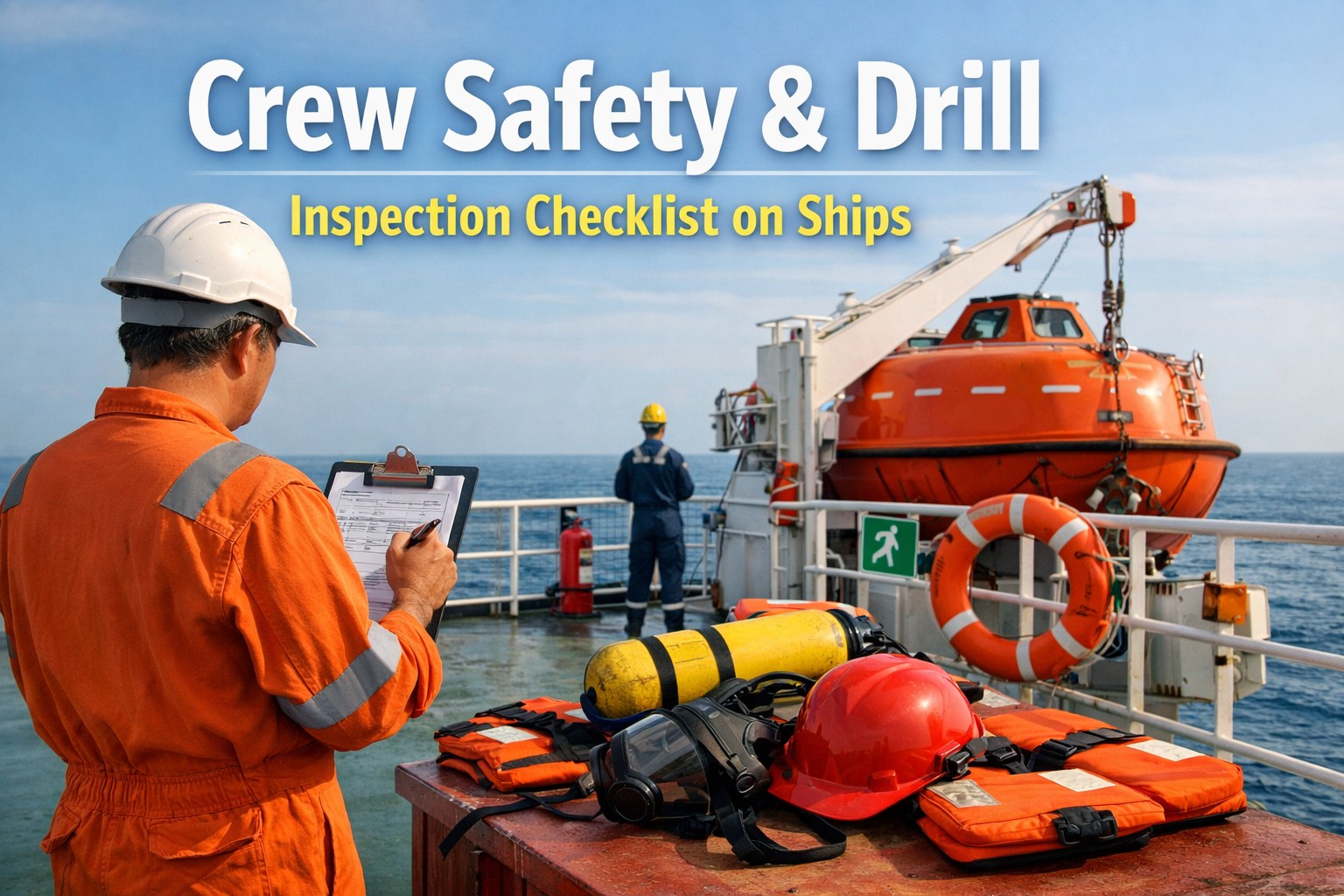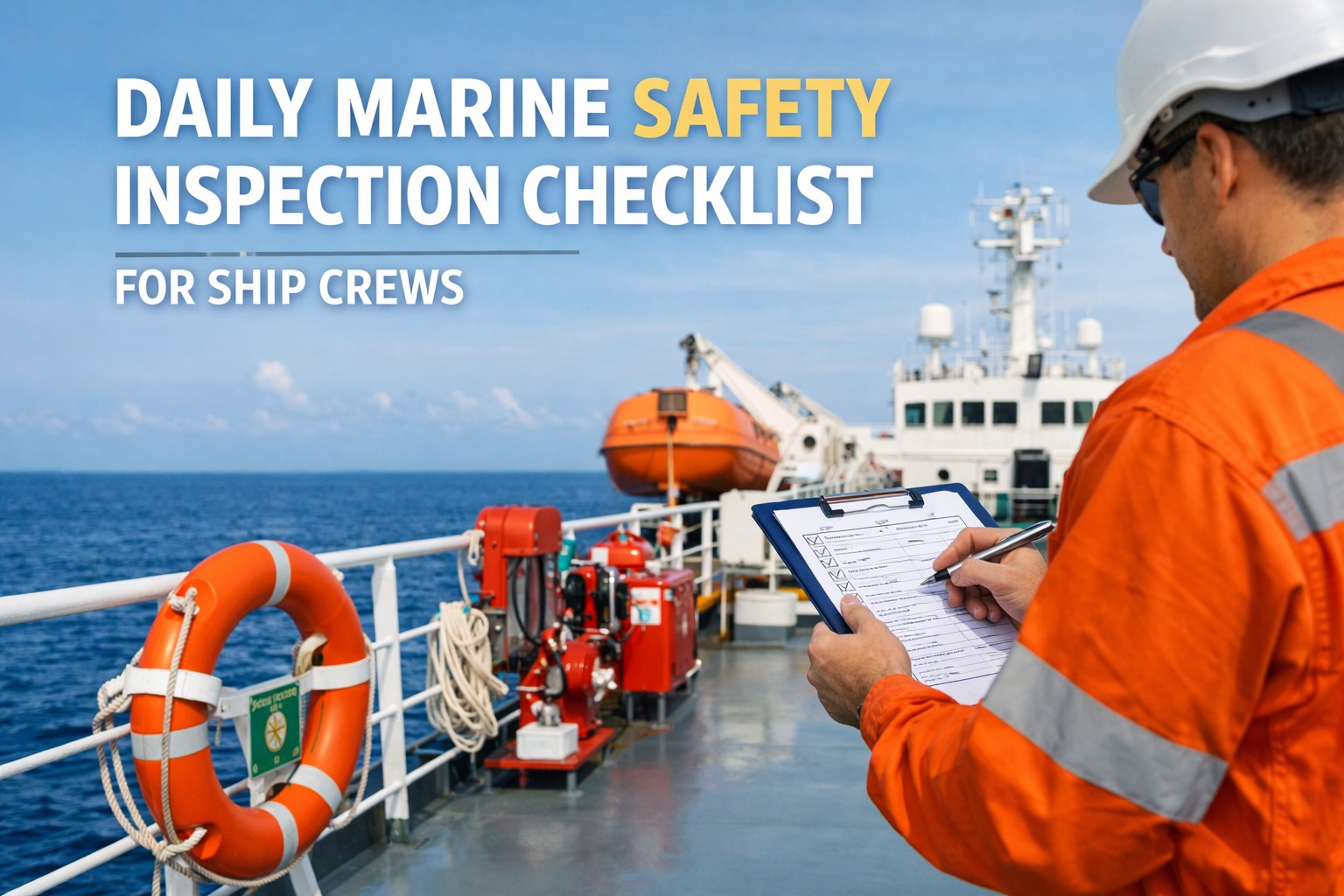
Ensuring comprehensive daily marine safety is essential for hazard identification, accident prevention, and maritime safety compliance. Systematic verification of vessel safety conditions, deck housekeeping, engine room operations, fire safety readiness, life-saving appliances, navigation equipment, and crew health helps maintain safe working environments, ensures operational safety, and supports effective safety management systems. Proper daily safety inspection routines are critical for crew protection, vessel integrity, and regulatory compliance. Start your free daily safety inspection trial
Daily Marine Safety Inspection Checklist for Ship Crews
Comprehensive Daily Safety Verification & Hazard Control Checklist
Importance of Daily Marine Safety Inspections
Proactive Hazard Identification
- Comprehensive daily marine safety inspections enable early detection of unsafe conditions, slip and trip hazards, equipment defects, and operational risks before they result in accidents or injuries. Regular daily verification of vessel safety conditions, deck housekeeping, engine room operations, and fire safety readiness ensures continuous hazard control and maintains safe working environments for crew members throughout vessel operations.
Operational Safety Assurance
- Daily safety inspections verify critical equipment functionality including navigation lights, fire detection systems, engine room alarms, and life-saving appliances. Systematic daily verification ensures all safety-critical systems remain operational, emergency equipment stays accessible, and vessel readiness for emergency response remains constant, supporting safe navigation and crew protection throughout every operational shift.
Regulatory Compliance
- Daily marine safety inspections support compliance with SOLAS requirements, ISM Code safety management procedures, flag state regulations, and industry safety standards. Regular documentation of daily safety verification demonstrates continuous safety management, prepares vessels for port state control inspections, and maintains evidence of proactive safety culture for regulatory audits and certification maintenance.
Crew Safety Culture
- Daily safety inspections reinforce safety awareness, encourage crew participation in hazard identification, promote proactive risk management, and demonstrate management commitment to crew protection. Systematic daily verification routines build safety consciousness, improve reporting of unsafe conditions, and establish continuous safety improvement practices that protect crew health and prevent workplace injuries aboard vessels.
Ready to enhance daily safety management? Schedule a personalized demo to see automated daily inspection tracking and compliance reporting, or start your free trial today.
1. General Vessel Safety
General Vessel Safety inspection requirements:
2. Deck Safety & Housekeeping
Deck Safety & Housekeeping inspection requirements:
3. Engine Room Safety
Engine Room Safety inspection requirements:
4. Fire Safety Readiness
Fire Safety Readiness inspection requirements:
✓ Transform Daily Safety Management: With 35 comprehensive verification points across 7 critical safety areas—maintaining daily vessel safety and hazard control requires systematic tracking and documentation. See how leading operators ensure crew protection. Schedule your demo now to discover automated daily inspection tracking and compliance reporting.
5. Life-Saving Appliances
Life-Saving Appliances inspection requirements:
6. Navigation & Bridge Safety
Navigation & Bridge Safety inspection requirements:
7. Crew Health & PPE
Crew Health & PPE inspection requirements:
Why Use Digital Fleet Management for Daily Marine Safety Inspections?
Marine Inspection App Benefits for Daily Safety Management:
- ✓ Automate daily safety inspections with mobile checklists for crew convenience
- ✓ Maintain complete digital records demonstrating continuous safety management
- ✓ Track hazard identification, corrective actions, and resolution timelines
- ✓ Monitor safety trends, recurring issues, and improvement opportunities
- ✓ Generate comprehensive daily safety reports for management review
- ✓ Set automated alerts for incomplete inspections and overdue corrective actions
Join leading maritime operators who trust digital daily safety management for proactive hazard control. Schedule your demo or sign up for free to experience automated daily safety inspection tracking.
Frequently Asked Questions About Daily Marine Safety Inspections
1. What areas are covered in daily marine safety inspections?
Daily marine safety inspections cover seven critical areas: General Vessel Safety (unsafe condition reporting, safety signage visibility, emergency exit accessibility, deck lighting operation, daily safety briefings), Deck Safety & Housekeeping (deck cleanliness from oil and grease, handrail and guardrail security, walkway clearance, tool storage, slip and trip hazard control), Engine Room Safety (cleanliness and order, fuel and oil leak detection, emergency stop accessibility, machinery guard placement, alarm functionality), Fire Safety Readiness (firefighting equipment accessibility, fire door operation, detection system activity, escape route marking, fire watch arrangements), Life-Saving Appliances (lifejacket availability, lifebuoy positioning, liferaft readiness, emergency signal availability, LSA condition), Navigation & Bridge Safety (navigation light operation, bridge equipment functionality, chart currency, bridge alarm operation, watchkeeping arrangements), and Crew Health & PPE (appropriate PPE usage, PPE condition, first aid availability, crew fitness, fatigue management).
2. How often should daily marine safety inspections be conducted?
Conduct daily marine safety inspections at the start of each operational shift or watchkeeping period, ensuring comprehensive verification of all critical safety areas before crew activities commence. Additional inspections should be performed after heavy weather, following cargo operations, during hot work activities, and whenever unsafe conditions are reported. This frequency ensures continuous hazard identification and maintains safe working conditions throughout vessel operations. Sign up for automated daily inspection scheduling to ensure consistent safety verification routines.
3. What are the most critical items to verify during daily safety inspections?
Critical verification items include absence of unsafe conditions requiring immediate action, emergency exit accessibility and lighting functionality, deck cleanliness from slip hazards, engine room fuel and oil leak detection, firefighting equipment accessibility and fire detection system operation, life-saving appliance readiness and accessibility, navigation light operation, and crew PPE compliance with fatigue risk management. These items directly impact crew safety, emergency response capability, and accident prevention throughout daily operations.
4. What documentation is required for daily marine safety compliance?
Required documentation includes completed daily safety inspection checklists with crew signatures, unsafe condition reports with corrective action timelines, safety briefing records documenting crew attendance and topics covered, deficiency logs tracking repair and replacement needs, and trend analysis reports identifying recurring safety issues. This documentation demonstrates continuous safety management, supports ISM Code compliance, and provides evidence of proactive safety culture for port state control inspections. Schedule a demo to see how digital documentation streamlines daily safety record-keeping and regulatory compliance.
5. How can digital management improve daily marine safety operations?
Digital management provides mobile checklists enabling crew to complete inspections on smartphones or tablets during rounds, photo documentation of hazards and deficiencies for clear communication, automated notifications when inspections are incomplete or overdue, instant hazard reporting with real-time alerts to supervisors, corrective action tracking with automatic reminders, complete audit trails demonstrating daily safety verification, and trend analysis identifying recurring issues requiring systemic solutions. This improves inspection completion rates, accelerates hazard resolution, and strengthens overall safety culture through consistent, accountable daily safety practices. Start your free trial to experience automated daily marine safety management.
Take Action: Implement Comprehensive Daily Marine Safety Management
Download our FREE Daily Marine Safety Inspection Checklist and start implementing systematic daily safety verification for your maritime operations. Integrating digital fleet management with your daily safety routine ensures consistent hazard identification, comprehensive documentation, and proactive risk management protecting crew safety throughout vessel operations.
Get Started Today: Start your free trial for instant access to automated daily inspection tracking and compliance tools, or schedule a personalized demo to see how we help maritime operators maintain daily safety excellence, ensure regulatory compliance, and protect crew health across vessel fleets.
Master Daily Marine Safety & Hazard Control Excellence
Complete daily safety: vessel condition monitoring, deck housekeeping, engine room safety, fire readiness, LSA verification, navigation equipment, crew health and PPE—all tracked automatically for regulatory compliance and crew protection.