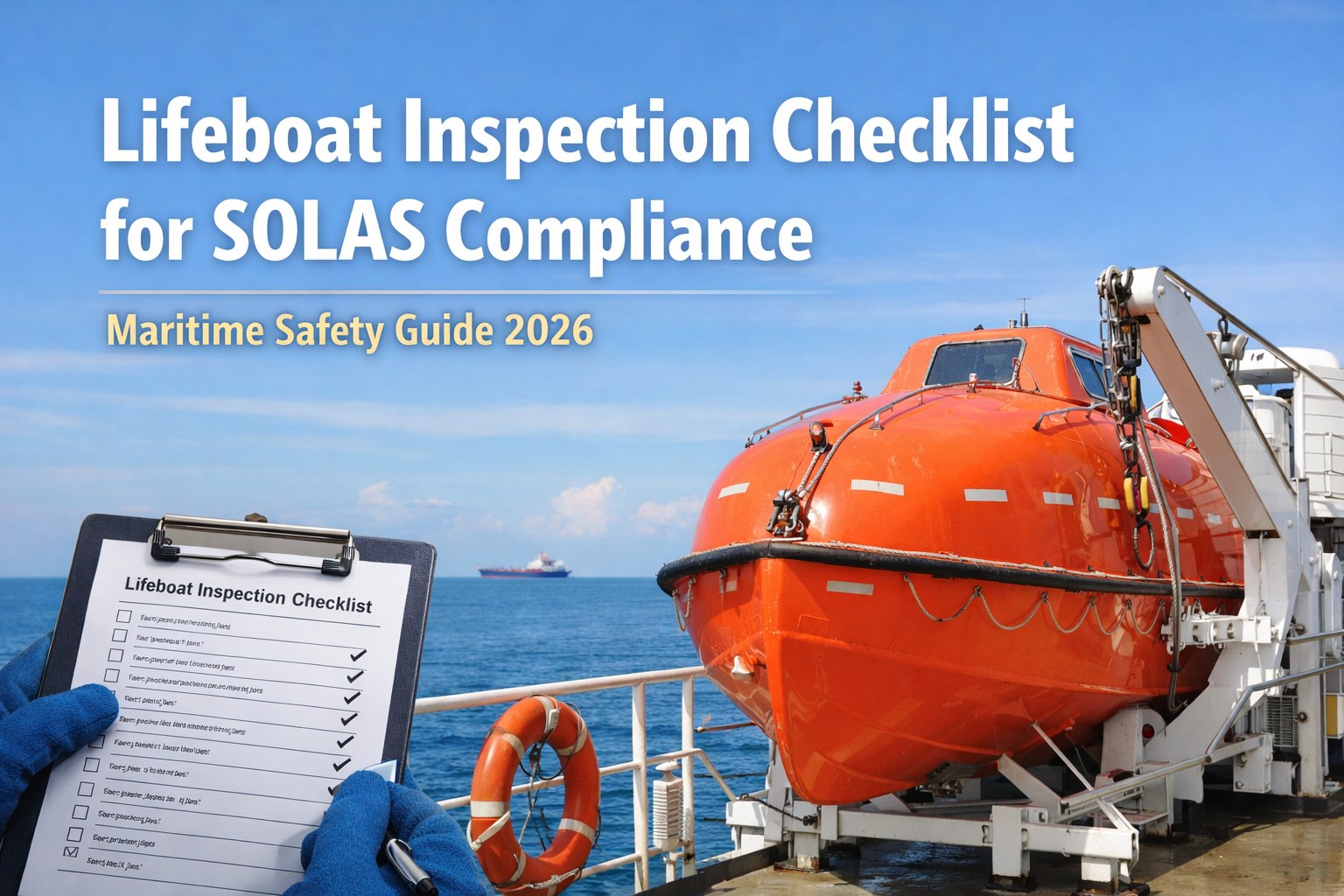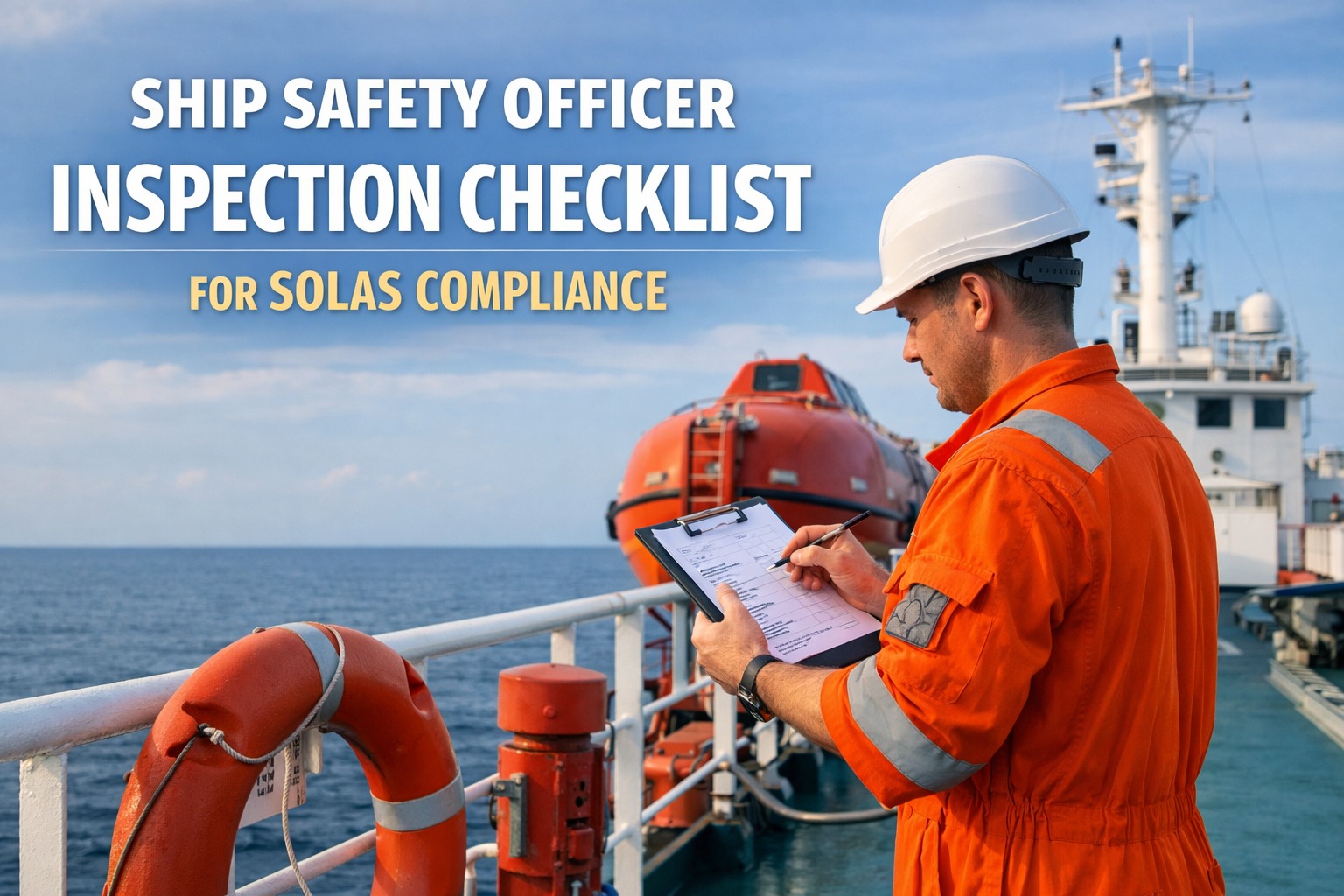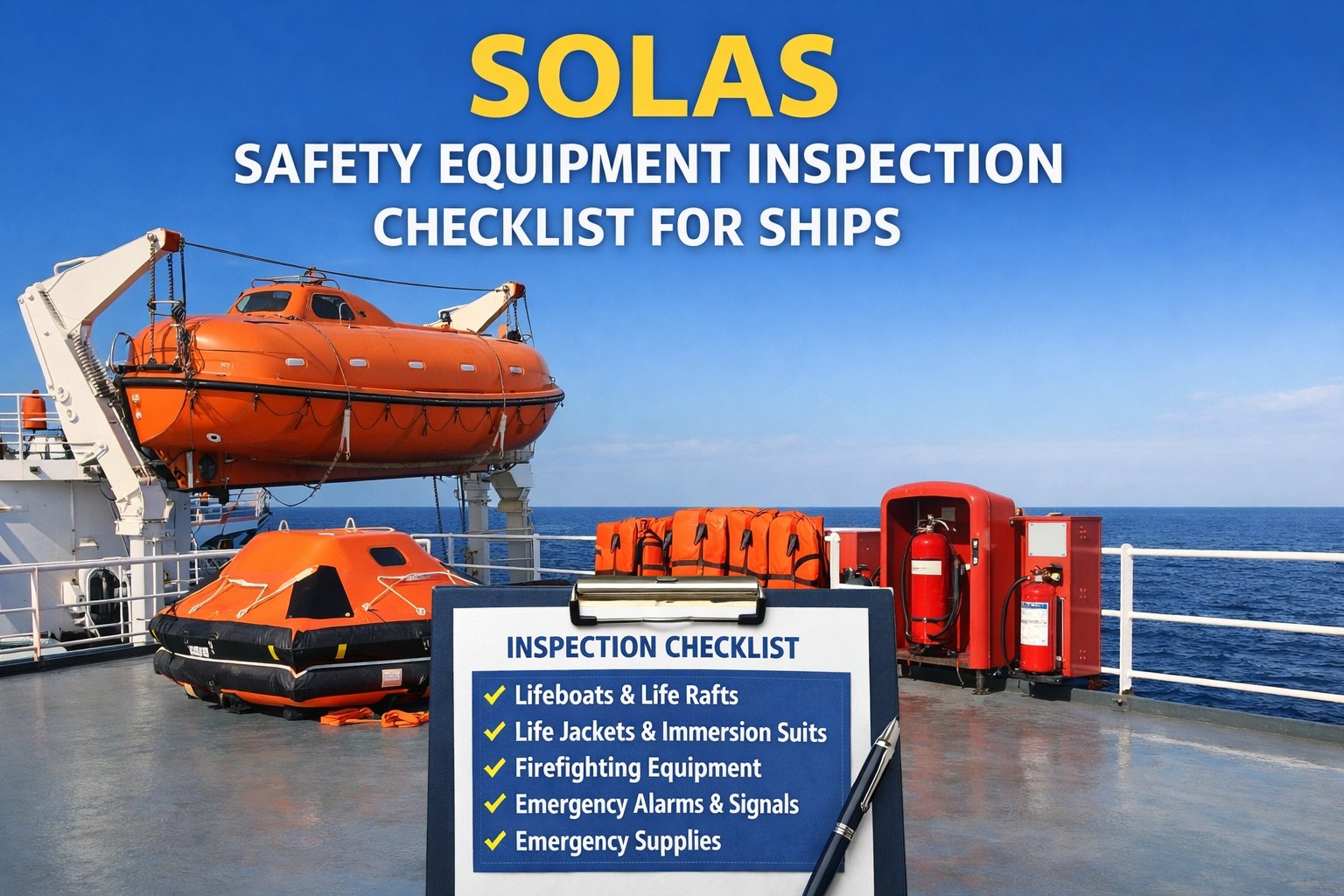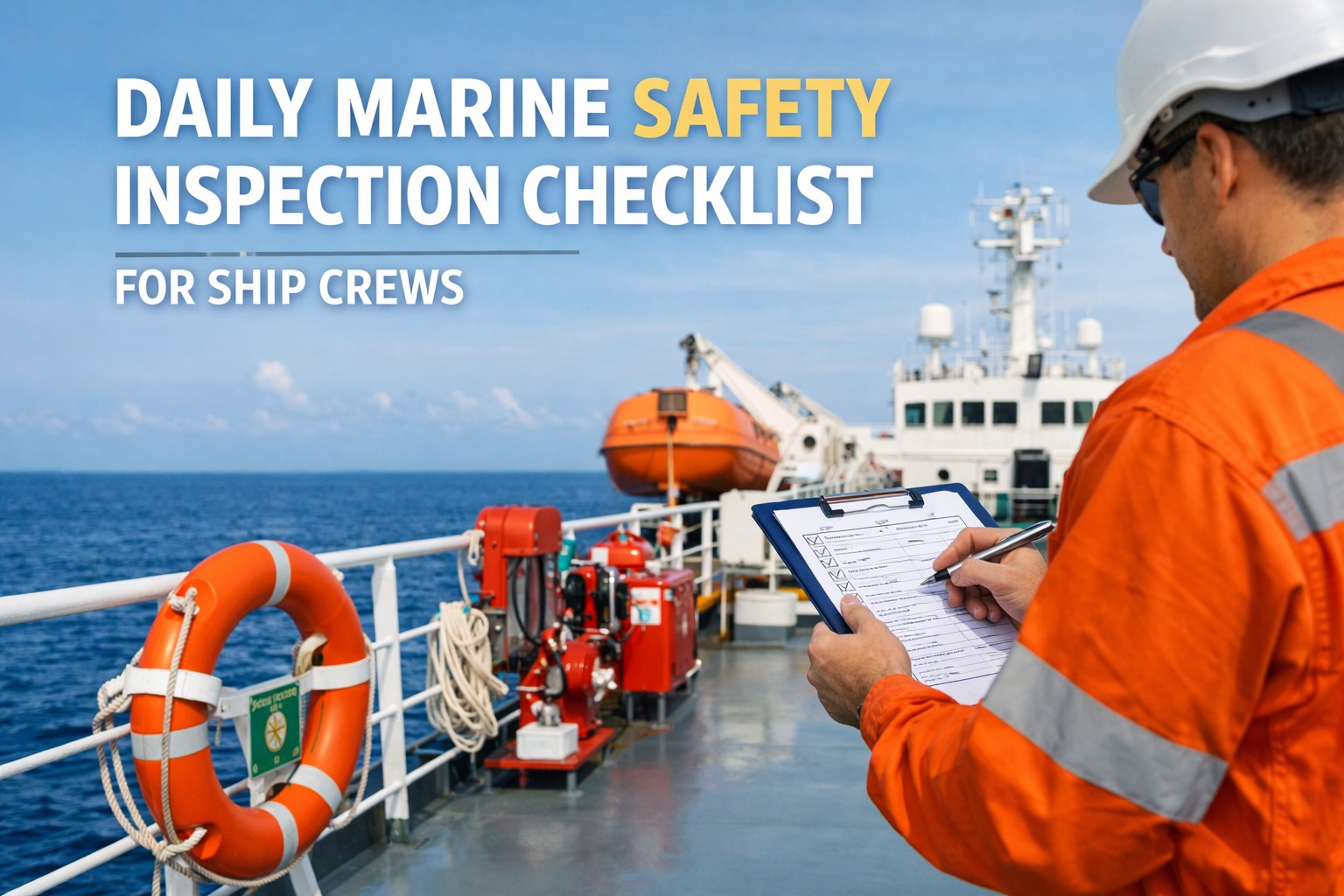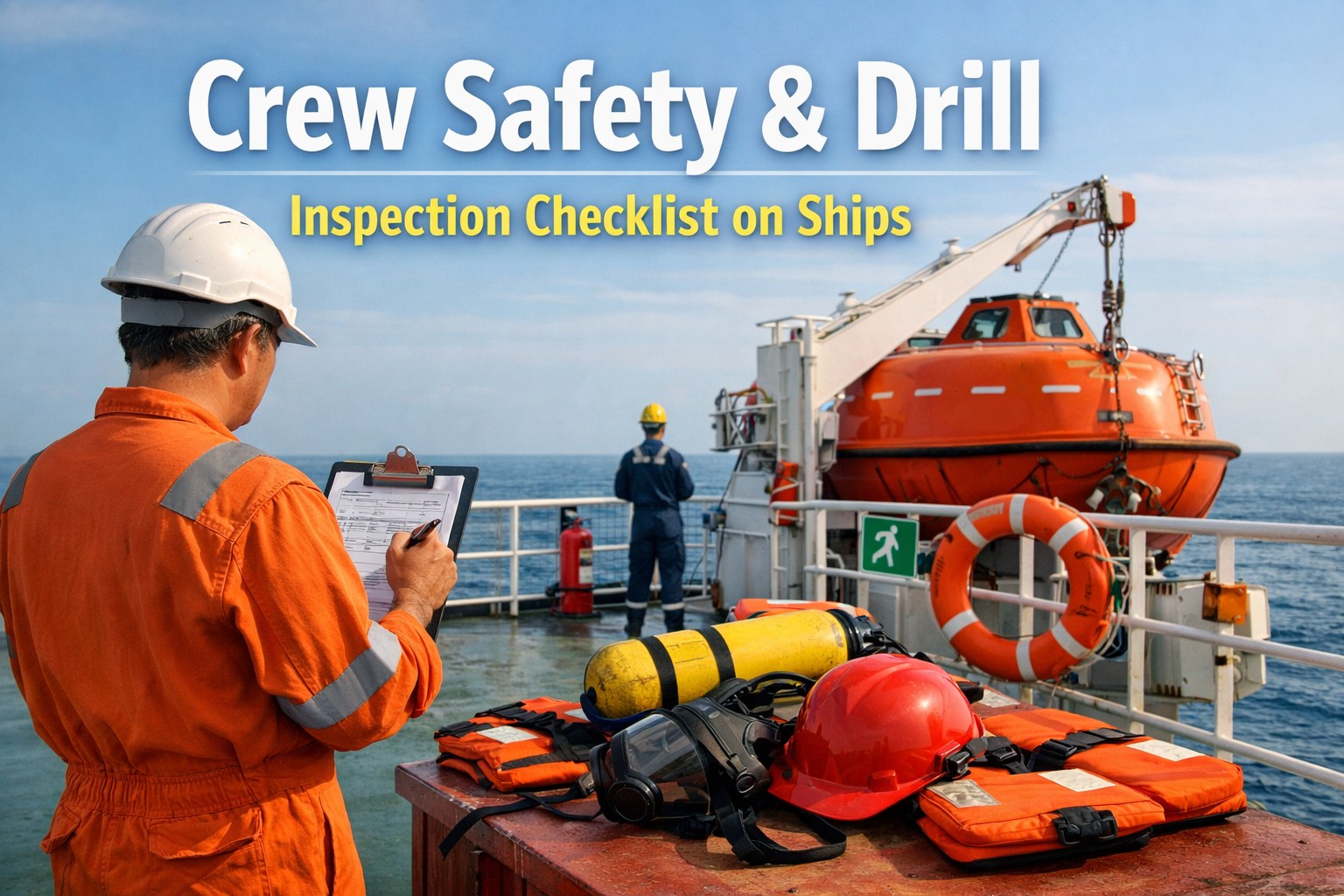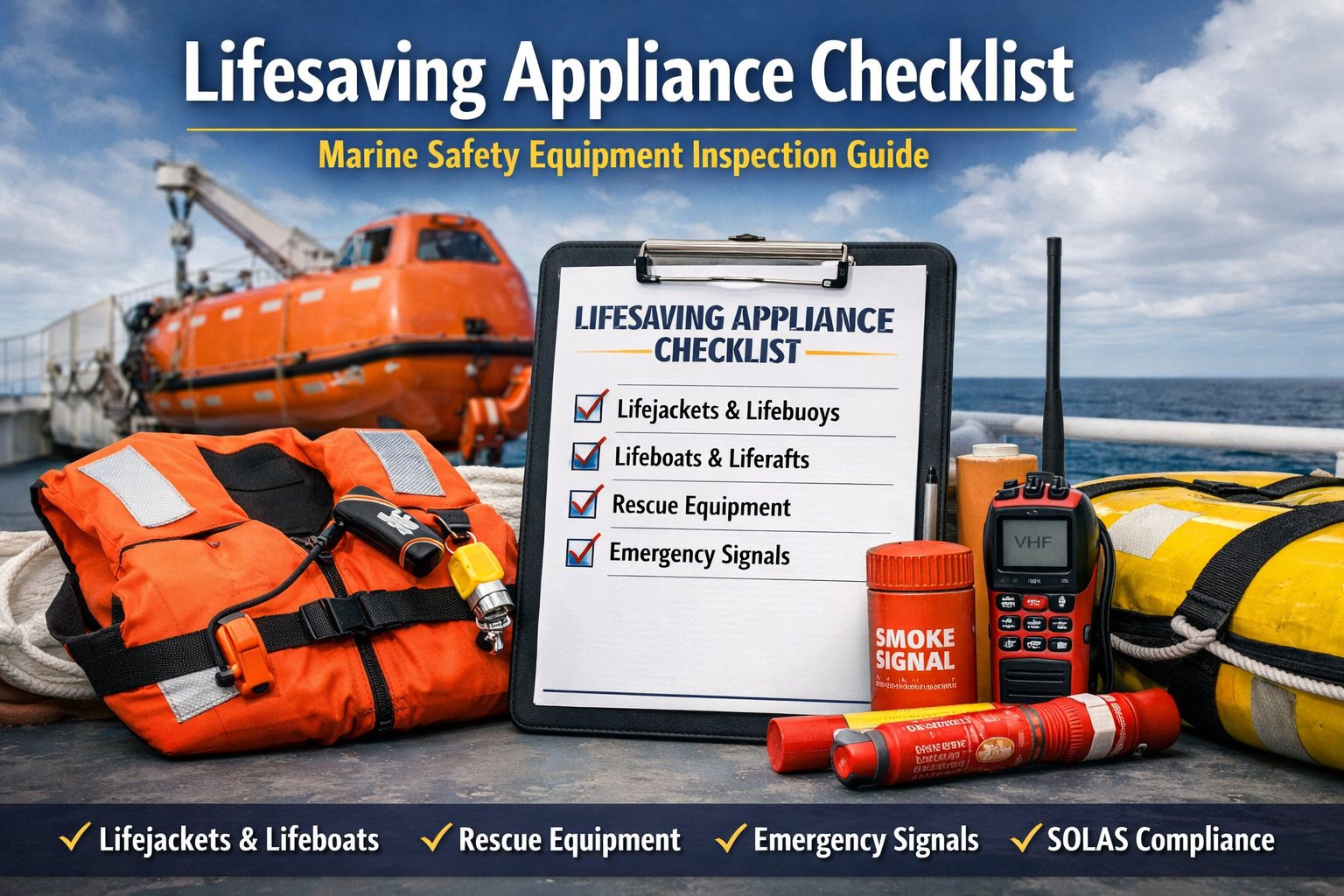
Lifesaving appliance inspections are mandatory for ensuring crew safety and regulatory compliance in maritime operations. This comprehensive lifeboat inspection checklist helps safety officers and deck personnel systematically examine all survival craft, personal lifesaving equipment, and emergency systems. Regular safety appliance audits ensure SOLAS Chapter III compliance while guaranteeing that all marine lifesaving equipment functions correctly during emergencies, protecting crew lives and demonstrating due diligence. Start your free digital inspection trial
Importance of Lifesaving Appliance Inspections
Crew Safety & Emergency Preparedness
- Regular lifesaving appliance inspections ensure all survival craft, personal equipment, and emergency systems function correctly during emergencies, protect crew lives in critical situations, and demonstrate proper emergency preparedness required for safe vessel operations.
SOLAS Compliance
- Systematic safety appliance audits ensure SOLAS Chapter III compliance, maintain valid lifesaving equipment certificates, verify pyrotechnic expiry dates, document required drills and training, and demonstrate adherence to IMO Life-Saving Appliance Code (LSA Code) standards.
Equipment Reliability
- Proactive lifesaving equipment monitoring identifies equipment deficiencies before emergencies, ensures lifeboat engines start reliably, verifies release gear functionality, maintains proper equipment inventory, and guarantees survival craft readiness for immediate deployment.
Regulatory Compliance
- Following this SOLAS lifesaving form helps identify expired pyrotechnics and mechanical issues early, prevents regulatory deficiencies during inspections, maintains proper fire drill records, ensures classification society compliance, and demonstrates due diligence in maritime safety management.
Sign up to track lifesaving equipment inspections automatically
Vessel Information
Pro Tips for Effective Lifesaving Equipment Inspection
- ✓ SOLAS Compliance: SOLAS Chapter III requires weekly lifeboat inspections, monthly drills, and annual servicing by approved service providers. Ensure all lifesaving appliances bear valid approval markings and service dates.
- ✓ Pyrotechnic Expiry: Check expiry dates on all distress signals, rocket parachute flares, hand flares, and buoyant smoke signals. Replace expired items before they reach expiry and ensure proper disposal of outdated pyrotechnics.
- ✓ Drill Documentation: For fire drill record compliance, conduct abandon ship and fire drills monthly (weekly for passenger vessels). Document crew participation, timing, and any deficiencies identified during exercises.
- ✓ Liferaft Servicing: Inflatable liferafts require servicing at intervals not exceeding 12 months by approved service stations. Verify hydrostatic release units (HRU) are within validity and properly connected.
1. LIFEBOAT & RAFT CHECK
Survival craft inspection requirements:
Lifeboat Condition (Part 1)
Lifeboat Engine (Part 2)
Liferaft Systems (Part 3)
2. FIRE DRILL LOG
Fire drill documentation requirements:
Drill Execution (Part 1)
Equipment Testing (Part 2)
Documentation (Part 3)
3. PERSONAL LIFESAVING EQUIPMENT
Personal safety equipment inspection requirements:
Lifejackets (Part 1)
Immersion Equipment (Part 2)
Lifebuoys (Part 3)
4. ABANDON SHIP DRILLS
Abandon ship drill requirements:
Drill Frequency (Part 1)
Practical Testing (Part 2)
Crew Training (Part 3)
5. DISTRESS SIGNALS
Distress signal and communication equipment requirements:
Pyrotechnics (Part 1)
Electronic Signals (Part 2)
Communications (Part 3)
6. FIRE FIGHTING EQUIPMENT
Fire protection equipment inspection requirements:
Portable Equipment (Part 1)
Breathing Apparatus (Part 2)
Fixed Systems (Part 3)
7. RESCUE BOAT
Rescue boat inspection requirements:
Boat Condition (Part 1)
Equipment (Part 2)
Operations (Part 3)
8. LINE THROWING & MOB
Line throwing and man overboard equipment requirements:
Line Throwing (Part 1)
MOB Equipment (Part 2)
MOB Procedures (Part 3)
9. LSA DOCUMENTATION
Lifesaving appliance documentation requirements:
Certificates (Part 1)
Registration & Records (Part 2)
Maintenance Logs (Part 3)
✓ Navigate Lifesaving Equipment Safety with Confidence: With 70+ lifesaving appliance inspection items across 9 critical safety categories—staying compliant requires organized tracking and documentation. See how leading maritime operators maintain crew safety and SOLAS compliance. Schedule your demo now to discover how automated LSA inspection tracking, drill documentation, and emergency preparedness management can transform your safety operations.
Maintenance Schedule Guidelines
Weekly Inspection
- Visual inspection of lifeboats
- Check liferaft lashings and HRUs
- Start lifeboat engines
- Verify equipment inventory
- Check lifebuoy positions
- Record in maintenance log
Monthly Requirements
- Conduct abandon ship drill
- Conduct fire drill
- Launch rescue boat and maneuver
- Test EPIRB self-test function
- Check BA cylinder pressures
- Document all drills conducted
Quarterly Requirements
- Lower lifeboat to water
- Maneuver lifeboat in water
- Test davit limit switches
- Inspect wire falls for damage
- Check emergency lighting
- Review pyrotechnic expiry dates
Annual Service Requirements
- ✓ Liferaft service by approved service station (within 12 months)
- ✓ Lifeboat davit load test and certification
- ✓ Release gear service, testing, and certification
- ✓ Fire extinguisher service and hydrostatic testing
- ✓ EPIRB battery replacement check and testing
- ✓ Classification Society survey of all LSA equipment
- ✓ HRU replacement at maximum 2-year intervals
- ✓ Comprehensive documentation review and update
Why Use Digital Fleet Management for Lifesaving Equipment?
MarineInspection App Benefits for LSA Management:
- ✓ Automate lifesaving equipment inspection schedules and SOLAS compliance tracking
- ✓ Maintain complete digital records for all survival craft and safety equipment
- ✓ Track pyrotechnic expiry dates with automated replacement alerts
- ✓ Document fire drills, abandon ship drills, and crew training sessions
- ✓ Generate reports for Classification Society surveys and PSC inspections
- ✓ Set automated reminders for liferaft servicing and HRU replacement
- ✓ Monitor drill schedules and ensure regulatory compliance
- ✓ Store safety certificates and service records digitally
Book a demo to see automated lifesaving equipment tracking
Frequently Asked Questions About Lifesaving Appliance Inspections
1. How often should lifesaving equipment be inspected?
SOLAS Chapter III requires weekly visual inspections of all lifeboats, davits, and associated equipment. Monthly inspections must include testing lifeboat engines and conducting both abandon ship and fire drills. Quarterly inspections require lowering at least one lifeboat to the water and maneuvering it. Annual servicing by approved service providers is mandatory for liferafts, release gear, and davit load testing. Additionally, all crew must participate in drills within 24 hours of joining the vessel and at regular intervals as specified in SOLAS regulations.
2. What are the requirements for liferaft servicing?
Inflatable liferafts must be serviced at intervals not exceeding 12 months by service stations approved by the Administration (flag state) or recognized organization. During servicing, the raft is inflated, inspected for damage, and all equipment is verified against the packing list. Expired pyrotechnics are replaced, water and food rations are renewed, and all mechanical components are tested. The service station issues a certificate valid for 12 months. Hydrostatic Release Units (HRUs) must be replaced at maximum 2-year intervals regardless of condition, with some requiring annual replacement depending on manufacturer specifications.
3. How should pyrotechnic distress signals be managed?
All pyrotechnic distress signals (rocket parachute flares, hand flares, buoyant smoke signals) have a 3-year expiry date from manufacture. They must be stored in a dry, accessible location away from heat sources and protected from weather. Monthly inspections should verify proper storage conditions and check expiry dates. Replace all pyrotechnics before they expire - expired signals must be disposed of properly through approved channels, never thrown overboard or used during drills. Maintain at least 12 rocket parachute flares, 6 hand flares, and 2 buoyant smoke signals on cargo vessels, with higher quantities required for passenger ships.
4. What documentation is required for lifesaving equipment?
Essential documentation includes the Safety Equipment Certificate issued during statutory surveys, individual liferaft service certificates from approved stations, fire extinguisher inspection records, EPIRB registration certificate with the appropriate rescue coordination center, drill records in the official logbook showing dates and crew participation, Training Manual and Table of Duties (Muster List) posted at muster stations, maintenance records for all LSA equipment showing inspections and repairs, and davit load test certificates valid for 5 years. All documentation must be readily available for Port State Control inspections.
5. What are the consequences of inadequate lifesaving equipment maintenance?
Inadequate maintenance of lifesaving equipment can result in loss of life during actual emergencies, detention by Port State Control authorities, hefty fines for SOLAS non-compliance, withdrawal of the Safety Equipment Certificate making the vessel unable to trade, classification society conditions of class or suspension, increased insurance premiums or loss of coverage, criminal prosecution in case of casualties, and reputational damage affecting commercial operations. More critically, deficient lifesaving equipment directly endangers crew lives and demonstrates a fundamental failure in the vessel's safety management system. Regular inspections and proper documentation are legal requirements and moral obligations to ensure crew safety.
Take Action: Implement Comprehensive Lifesaving Equipment Management
Download our FREE Lifesaving Appliance Checklist and start implementing systematic safety equipment practices for your vessel. Integrating digital fleet management with your LSA inspection routine ensures nothing is overlooked, maintains SOLAS compliance, and protects crew lives during emergencies. Experience the power of automated inspection tracking to prevent equipment failures, maintain drill schedules, and ensure safe, compliant emergency preparedness throughout your vessel's operations.
Ensure Crew Safety & Emergency Preparedness Excellence
Comprehensive lifesaving equipment management: lifeboats, liferafts, personal safety equipment, distress signals, fire-fighting systems, rescue boats, MOB equipment—all tracked automatically for optimal safety and compliance with SOLAS, LSA Code, and IMO requirements.