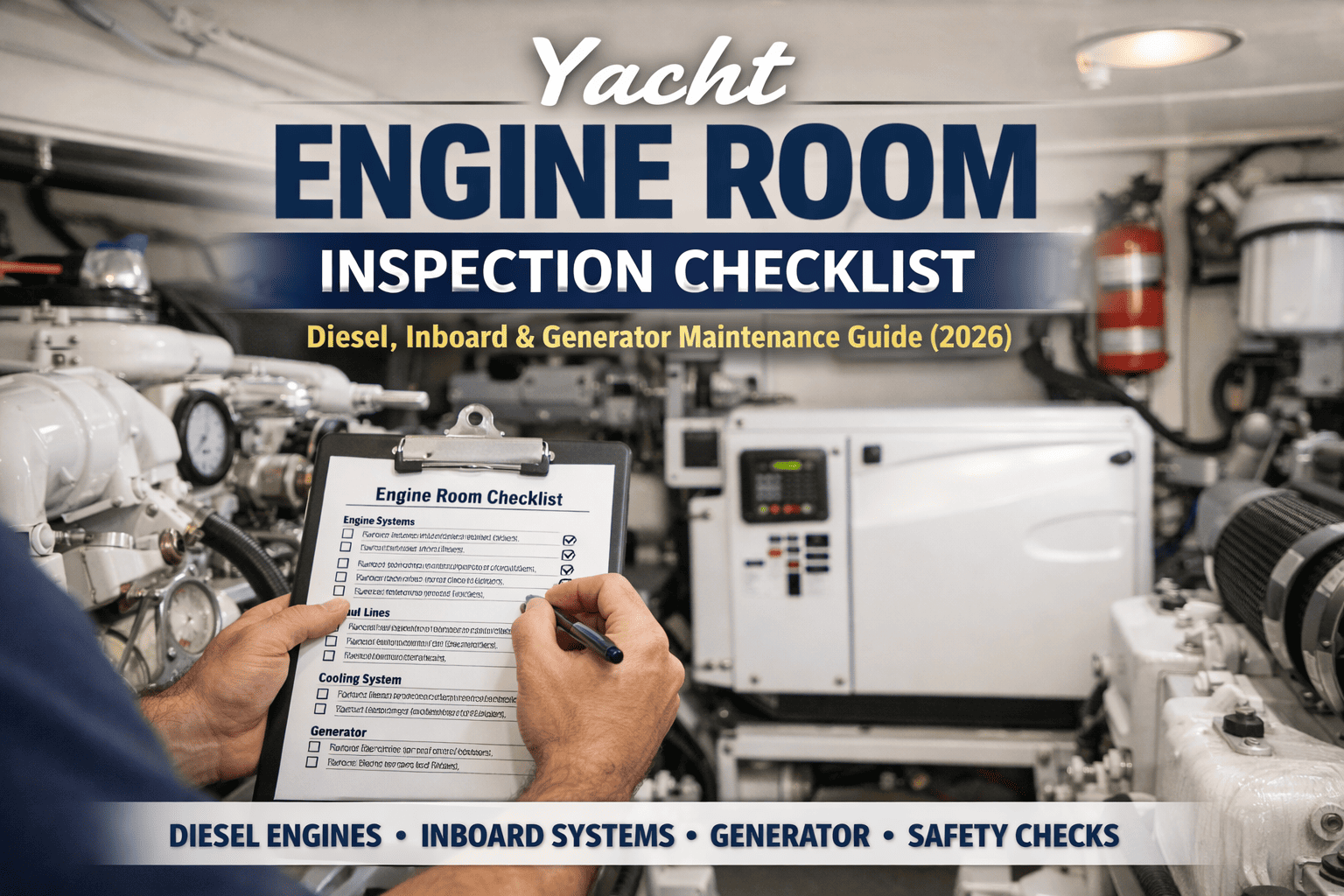
Ensuring comprehensive engine room readiness is essential for safe vessel operations, machinery reliability, and maritime safety compliance. Systematic verification of main engines, auxiliary systems, fuel and lubrication systems, cooling systems, electrical power generation, bilge operations, and fire safety equipment helps prevent machinery failures, ensures emergency preparedness, and maintains operational efficiency. Proper engine room inspection and preventive maintenance are critical for vessel safety, regulatory compliance, and minimizing unplanned downtime. Start your free engine room inspection trial
Engine Room Readiness Inspection Checklist for Ships
Comprehensive Marine Engine Room Safety & Operational Readiness Checklist
Importance of Engine Room Readiness Inspections
Operational Safety
- Comprehensive engine room readiness inspections verify main and auxiliary engine condition, fuel and lubrication system integrity, cooling and ventilation operations, and fire safety equipment functionality. Regular inspections prevent machinery failures, detect abnormal conditions early, and ensure emergency systems remain operational for safe vessel operations and crew protection.
Regulatory Compliance
- Systematic engine room inspections ensure compliance with SOLAS machinery requirements, ISM Code safety management standards, classification society rules, and flag state regulations. Proper documentation of inspections, maintenance activities, and equipment testing demonstrates due diligence, prevents port state control deficiencies, and maintains statutory certification currency.
Preventive Maintenance
- Regular engine room readiness verification supports planned maintenance systems by detecting wear, corrosion, leaks, and component deterioration before failures occur. Early identification of issues reduces repair costs, prevents emergency breakdowns, extends equipment lifespan, and maintains optimal machinery performance throughout vessel operations.
Emergency Preparedness
- Engine room inspections verify emergency generator readiness, fire detection and suppression system functionality, bilge alarm operations, and emergency shutdown systems accessibility. Continuous verification of emergency equipment ensures vessel crews can respond effectively to machinery casualties, fire incidents, flooding events, and other emergency situations requiring immediate action.
Ready to digitize your engine room inspections? Schedule a personalized demo to see automated inspection tracking in action, or start your free trial today.
1. Main Engine & Propulsion
Main Engine & Propulsion inspection requirements:
2. Fuel & Lubrication Systems
Fuel & Lubrication Systems inspection requirements:
3. Cooling & Ventilation Systems
Cooling & Ventilation Systems inspection requirements:
✓ Streamline Engine Room Safety Management: With 30 critical verification points across 6 essential machinery areas—maintaining engine room readiness requires systematic inspection and documentation. See how leading vessel operators ensure continuous machinery reliability. Schedule your demo now to discover how automated inspection tracking transforms engine room safety management.
4. Electrical & Power Generation
Electrical & Power Generation inspection requirements:
5. Bilge, Pumps & Piping
Bilge, Pumps & Piping inspection requirements:
6. Fire Safety & Emergency Systems
Fire Safety & Emergency Systems inspection requirements:
Why Use Digital Fleet Management for Engine Room Inspections?
Marine Inspection App Benefits for Engine Room Readiness:
- ✓ Automate engine room inspections across all machinery systems
- ✓ Maintain complete digital records for regulatory compliance verification
- ✓ Track equipment condition, maintenance schedules, and testing requirements
- ✓ Monitor fuel systems, lubrication, cooling, and electrical systems status
- ✓ Generate comprehensive inspection reports and deficiency tracking
- ✓ Set automated alerts for equipment testing and preventive maintenance
Join leading vessel operators who trust digital inspection management for continuous machinery reliability. Schedule your demo or sign up for free to experience automated engine room inspection tracking.
Frequently Asked Questions About Engine Room Readiness Inspections
1. What areas are covered in engine room readiness inspections?
Engine room inspections cover six critical areas: Main Engine & Propulsion (external condition, mounting bolts, shaft alignment, vibration/noise, control response), Fuel & Lubrication Systems (fuel leaks, filter condition, oil levels, contamination, pressure), Cooling & Ventilation Systems (cooling pumps, heat exchangers, strainers, ventilation fans, exhaust temperature), Electrical & Power Generation (generators, batteries, emergency generator, panel insulation, alarms), Bilge, Pumps & Piping (bilge pumps, alarms, pipeline condition, valve marking, discharge valves), and Fire Safety & Emergency Systems (fire detection, suppression systems, extinguishers, shut-off valves, escape routes).
2. How often should engine room readiness inspections be conducted?
Conduct daily engine room rounds for critical equipment monitoring, weekly comprehensive inspections of all machinery systems, before departure for voyage preparation, after heavy weather or machinery casualties, monthly for detailed preventive maintenance verification, and whenever abnormal conditions are observed. Sign up for automated inspection scheduling to maintain consistent engine room readiness verification.
3. What are the most critical items to verify during engine room inspections?
Critical verification items include fuel system leak detection, lubricating oil levels and condition, cooling water system operation, emergency generator readiness, fire detection and suppression system functionality, bilge alarm operations, electrical panel insulation integrity, and emergency shutdown system accessibility. These items directly impact vessel safety, propulsion reliability, and emergency response capability.
4. What documentation is required for engine room inspections?
Required documentation includes completed inspection checklists with findings and corrective actions, engine room logbook entries recording rounds and parameters, equipment testing records demonstrating functionality, maintenance work orders for identified deficiencies, and planned maintenance system records showing scheduled activities completion. Schedule a demo to see how digital documentation simplifies record-keeping and regulatory compliance.
5. How can digital management improve engine room inspection efficiency?
Digital management provides mobile inspection checklists accessible during engine room rounds, automated equipment testing reminders and maintenance schedules, photographic documentation of equipment condition with timestamps, instant deficiency reporting and work order generation, trend analysis identifying recurring issues, and complete audit trails demonstrating regulatory compliance. This reduces inspection time, ensures consistency, and enables proactive machinery management. Start your free trial to experience automated engine room inspection tracking.
Take Action: Implement Comprehensive Engine Room Readiness Management
Download our FREE Engine Room Readiness Inspection Checklist and start implementing systematic machinery verification for your vessel operations. Integrating digital fleet management with your engine room inspection routine ensures continuous equipment monitoring, comprehensive maintenance documentation, and proactive deficiency management.
Get Started Today: Start your free trial for instant access to automated inspection tools, or schedule a personalized demo to see how we help vessel operators maintain engine room readiness, prevent machinery failures, and ensure maritime safety compliance.
Master Engine Room Safety & Operational Excellence
Complete machinery readiness: main engines, fuel systems, lubrication, cooling, electrical power, bilge operations, fire safety—all tracked automatically for continuous reliability and maritime compliance.