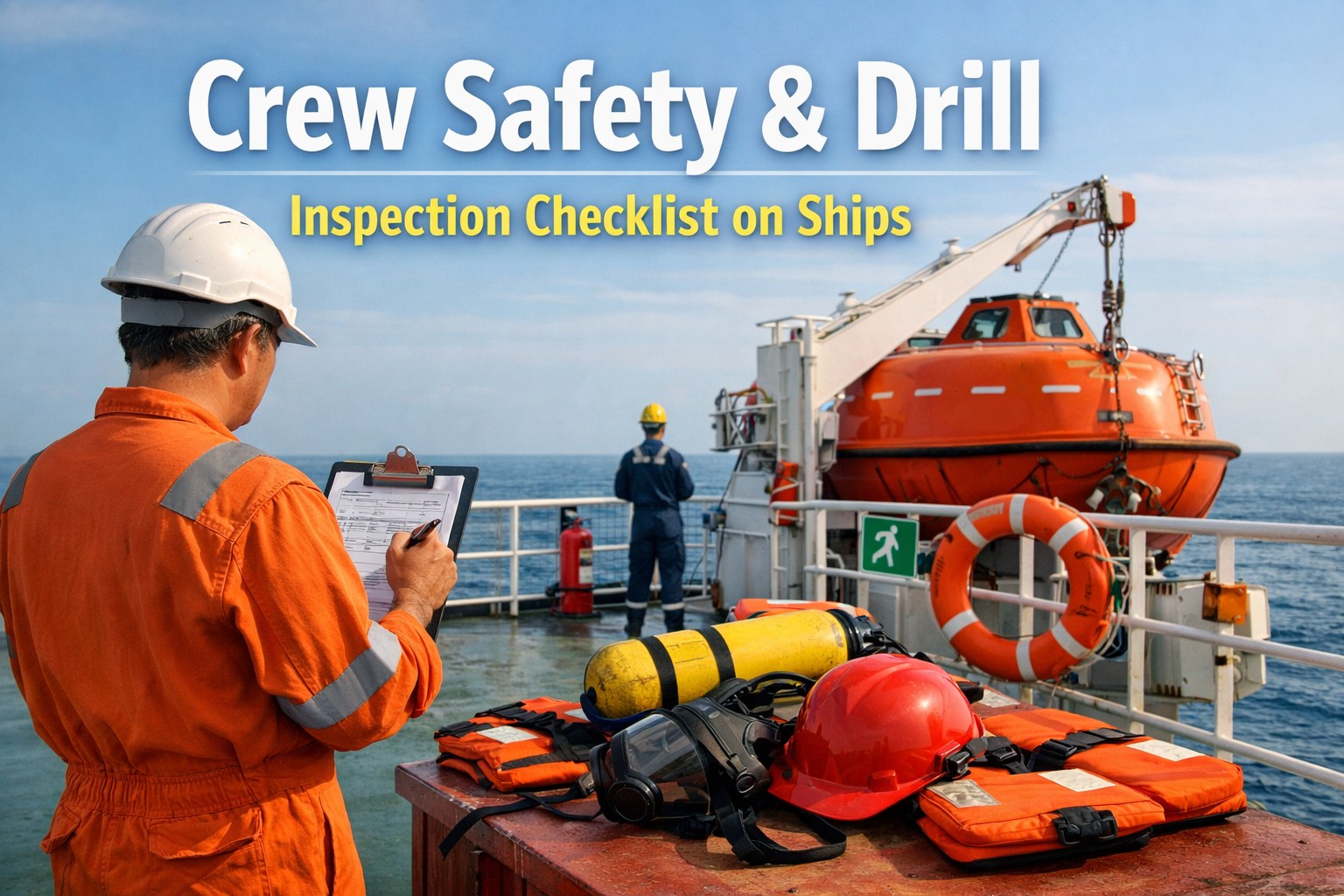
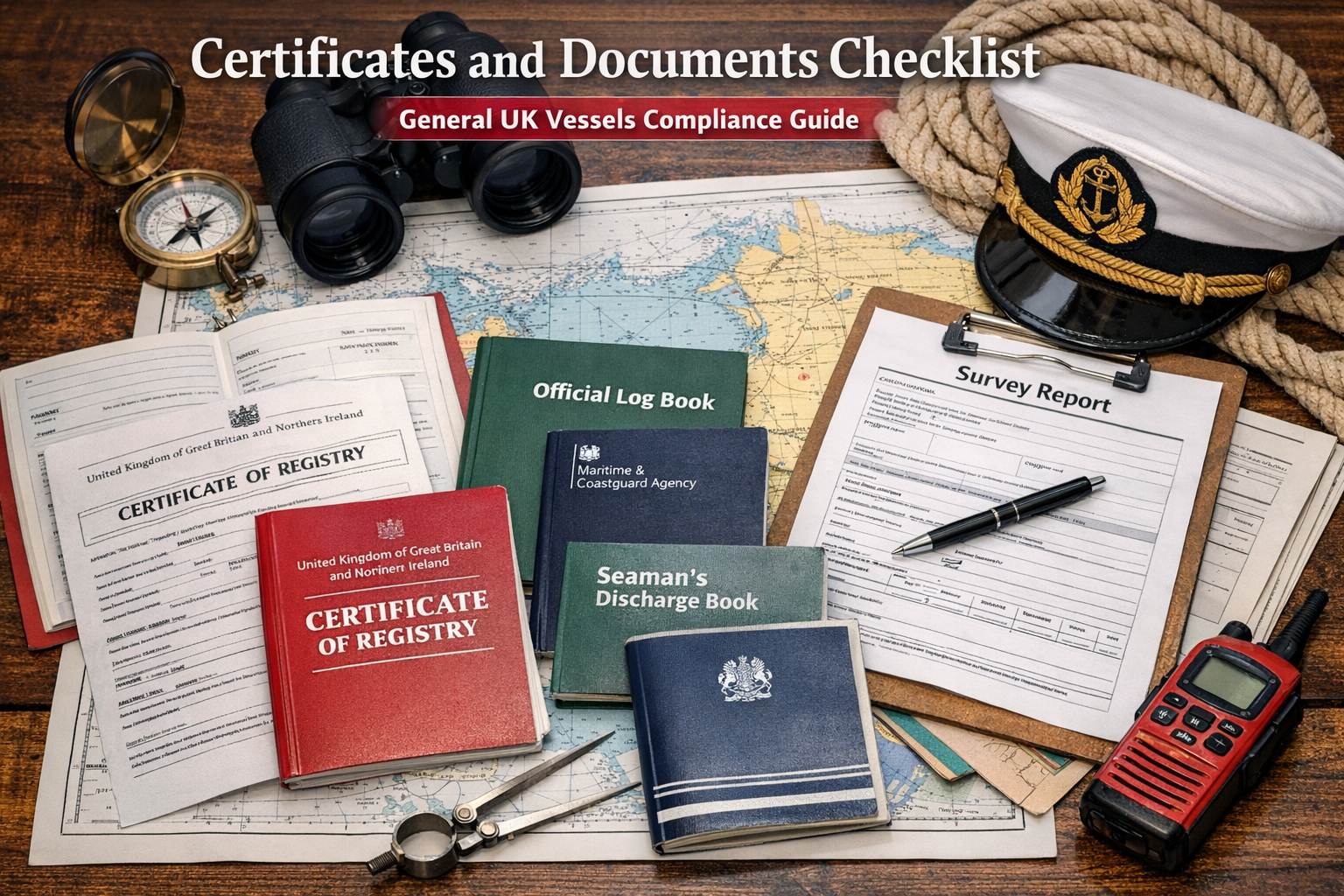
Ensuring proper vessel documentation and valid certificates is essential for regulatory compliance, port clearance, and safe maritime operations. Systematic verification of vessel certificates, safety documentation, insurance coverage, and crew credentials helps prevent port state control detentions, ensures legal compliance with international maritime conventions, and maintains operational readiness. Proper documentation management and tracking are critical for avoiding delays, maintaining vessel certification, and ensuring smooth port operations worldwide. Start your free digital inspection trial
Certificates & Documents Inspection
Comprehensive Vessel Documentation & Certification Checklist
Importance of Certificates & Documents Inspections
Regulatory Compliance
- Regular verification of vessel certificates and documentation ensures compliance with international maritime conventions (SOLAS, MARPOL, MLC), flag state requirements, and port state control standards, preventing detentions, fines, and operational restrictions that could impact vessel operations.
Operational Readiness
- Systematic tracking of certificate expiration dates, crew credentials, and mandatory documentation ensures vessels remain operational, prevents last-minute renewals, avoids port delays, and maintains uninterrupted trading schedules across global maritime routes.
Legal Protection
- Maintaining valid certificates, insurance documentation, and crew credentials provides legal protection in case of incidents, ensures coverage for liabilities, protects against claims, and demonstrates due diligence in vessel operation and management.
Port Clearance Efficiency
- Complete and current documentation facilitates smooth port entry and departure procedures, reduces inspection time, minimizes port state control scrutiny, prevents clearance delays, and ensures efficient cargo operations without documentation-related interruptions.
Sign up to track vessel certificates automatically
1. Documents of Vessel on Arrival
Documents of Vessel on Arrival inspection requirements:
2. Documents of Vessel on Departure
Documents of Vessel on Departure inspection requirements:
✓ Streamline Certificate & Documentation Management: With 21 critical vessel documents and certificates to track—maintaining compliance requires systematic management and timely renewals. See how leading vessel operators ensure documentation readiness and avoid port delays. Schedule your demo now to discover how automated certificate tracking, expiration alerts, and digital document management can transform your vessel compliance operations.
Why Use Digital Fleet Management for Certificates & Documents?
Marine Inspection App Benefits for Vessel Certificate & Documentation Management:
- ✓ Automate certificate expiration tracking and renewal reminders
- ✓ Maintain complete digital records for all vessel certificates and documentation
- ✓ Track safety certificates, pollution prevention certificates, and crew credentials
- ✓ Monitor ISM, ISPS, and international convention compliance status
- ✓ Generate compliance reports and port clearance documentation packages
- ✓ Set automated alerts for approaching certificate expiration dates
Book a demo to see automated certificate tracking
Frequently Asked Questions About Certificates & Documents Inspections
1. What vessel certificates and documents are required for port operations?
Essential vessel documentation includes Certificate of Registry, Load Line Certificate, International Tonnage Certificate (ITC69), safety certificates (construction, equipment, radio), pollution prevention certificates (IOPP, air pollution, sewage), International Ship Security Certificate (ISSC), ISM Code compliance documents (DOC and SMC), insurance certificates for oil pollution liability, crew list and credentials, and passenger lists when applicable. Requirements vary based on vessel type, flag state, and trading routes.
2. How often should vessel certificates and documents be verified?
Certificate verification should be conducted monthly to track approaching expiration dates, before each port arrival to ensure compliance with port state requirements, quarterly for comprehensive documentation audits, whenever regulations change or new requirements are introduced, before charter agreements or vessel transactions, and continuously through automated tracking systems that alert management to expiring certificates well in advance of deadlines.
3. What are the consequences of invalid or expired vessel certificates?
Operating with invalid or expired certificates can result in port state control detention until certificates are renewed, substantial fines and penalties from maritime authorities, loss of insurance coverage and P&I club protection, charter party disputes and commercial claims, inability to load or discharge cargo, reputational damage affecting future business, potential criminal liability for vessel operators, and classification society sanctions including vessel suspension from trading.
4. How can digital management improve certificate and documentation compliance?
Digital certificate management systems enhance compliance by providing automated expiration tracking with advance warning notifications, centralized document storage accessible from anywhere, automated renewal workflows and reminder systems, comprehensive audit trails for compliance verification, integration with classification societies and regulatory databases, mobile access for inspectors and port authorities, and complete documentation packages ready for port state control inspections or vetting procedures.
5. What documents are specifically required for vessel arrival and departure?
Upon arrival, vessels must present Certificate of Insurance for oil pollution liability, IMO Certificate of Fitness for vessels carrying dangerous goods, and original port clearance from the last port. Upon departure, vessels need completed General Declaration copies, all statutory safety and pollution prevention certificates, Certificate of Registry, crew and passenger lists, insurance documentation, ISM and ISPS certificates, and tonnage certificates. Port authorities may request additional documentation based on cargo type and local regulations.
Take Action: Implement Comprehensive Certificate & Documentation Management
Download our FREE Certificates & Documents Inspection Checklist and start implementing systematic documentation tracking for your vessel operations. Integrating digital fleet management with your certificate management routine ensures regulatory compliance, prevents operational delays, and maintains continuous certification status. Experience the power of automated certificate tracking to keep your vessel documentation current and ready for any port inspection worldwide.
Master Vessel Certificate & Documentation Compliance
Complete documentation management: statutory certificates, safety documentation, pollution prevention certificates, crew credentials, insurance coverage—all tracked automatically for seamless port operations and regulatory compliance.