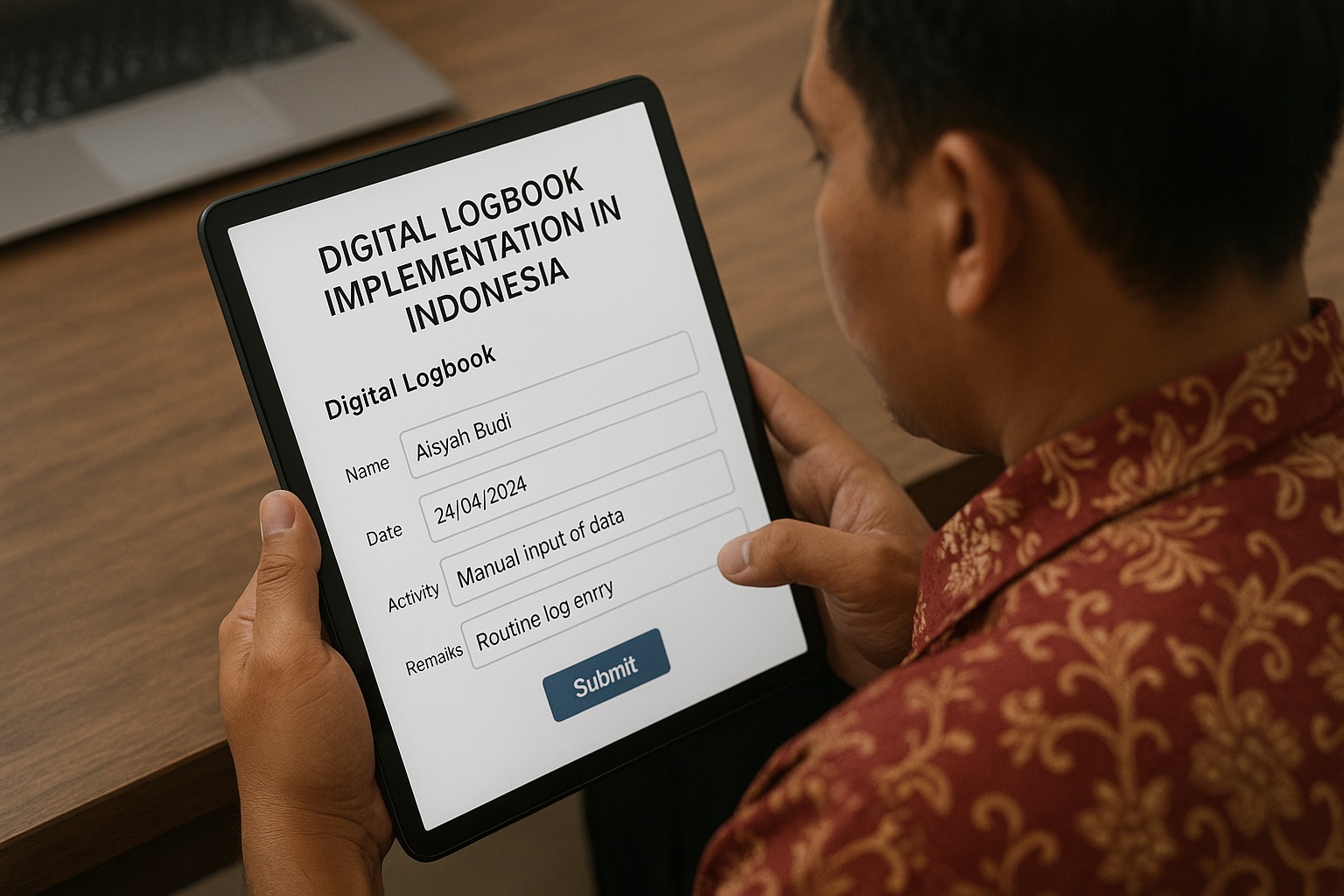
Implementing digital logbook systems in Indonesia's expansive maritime jurisdiction can mean the difference between streamlined compliance across the world's largest archipelago and documentation failures costing $25,000-$75,000 per incident in penalties, detention fees, and operational delays. With the Directorate General of Sea Transportation (DGST) under the Ministry of Transportation progressively accepting electronic documentation while maintaining traditional logbook requirements, and Tokyo MOU Port State Control inspectors increasingly scrutinizing record accuracy and completeness, transitioning to digital logbook systems has become essential for vessel operators seeking competitive advantage in Indonesia's rapidly modernizing maritime sector.
This comprehensive guide eliminates the complexity from digital logbook implementation in Indonesia, providing proven strategies that reduce documentation errors by 85-92%, improve regulatory compliance rates by 70%, and generate annual savings of $95,000-$225,000 per vessel through optimized record management. More importantly, it addresses the unique challenges of operating across Indonesia's 17,000+ island archipelago where connectivity varies significantly, regulatory interpretation differs between ports, and the transition from paper-based systems requires careful navigation of both traditional and digital requirements.
Impact of Digital Logbook Implementation in Indonesia
92%
Reduction in Documentation Errors
$225K
Annual Savings Per Vessel
70%
Improved Compliance Rates
65%
Faster Audit Completion
Ready to Implement Digital Logbook Systems?
Transform your vessel documentation with professional digital solutions ensuring Indonesia maritime compliance.
Start Your Free Trial Today
Understanding Digital Logbook Compliance in Indonesia
Indonesia's maritime regulatory framework is progressively embracing digital documentation while maintaining traditional logbook requirements during the transition period. The Ministry of Transportation through DGST has implemented INAPORTNET for port-related documentation and is developing frameworks for electronic record acceptance aboard vessels. Understanding Indonesia's evolving digital documentation landscape is crucial for vessel operators seeking to modernize operations while maintaining full compliance with both national regulations and international conventions including SOLAS, MARPOL, and MLC 2006. Our platform offers comprehensive marine inspection services including digital logbook solutions — start your free trial today to streamline compliance while providing the audit trails and data integrity Indonesian regulators require during this transitional period.
DGST Documentation Requirements
The Directorate General of Sea Transportation requires vessels to maintain comprehensive logbooks covering navigation, engine operations, radio communications, and safety activities. While traditional paper logbooks remain the primary accepted format for many requirements, DGST increasingly accepts electronic records when systems demonstrate data integrity, tamper-evidence, and backup capabilities. Indonesian-flagged vessels must comply with national regulations under Law No. 17/2008 on Shipping, while foreign-flagged vessels must meet flag state requirements acceptable to Indonesian PSC inspectors.
International Convention Compliance
SOLAS, MARPOL, and other IMO conventions mandate specific logbook requirements that Indonesia enforces through PSC inspections. Oil Record Books, Garbage Record Books, and Ballast Water Record Books must meet international format requirements with accurate, contemporaneous entries. Digital systems must produce outputs meeting IMO format specifications while maintaining data integrity standards. PSC inspectors verify logbook entries against operational records, with discrepancies triggering expanded inspections and potential detention for serious non-conformities.
INAPORTNET Integration
Indonesia's INAPORTNET system provides electronic platform for port clearance, vessel arrival/departure notifications, and cargo documentation. Vessels calling Indonesian ports must submit required documentation through INAPORTNET 24-48 hours before arrival. Digital logbook systems that integrate with INAPORTNET requirements streamline port clearance processes, reducing administrative burden by 40-60%. Understanding INAPORTNET requirements ensures smooth port operations across Indonesia's diverse port network from major international facilities to regional terminals.
Flag State Recognition
Digital logbook acceptance depends significantly on flag state authorization. Major flag states (Panama, Liberia, Marshall Islands, Singapore) have established frameworks for electronic record keeping that Indonesia recognizes through international agreements. Indonesian-flagged vessels must obtain specific DGST approval for digital logbook systems meeting national technical standards. Vessels should verify flag state authorization before implementing digital systems to ensure Indonesian PSC acceptance and avoid compliance complications during inspections.
Critical Warning:
Indonesia's maritime digitalization is progressing but remains in transition. Many Indonesian ports and PSC inspectors still expect traditional paper logbooks as primary records, with digital systems accepted as supplements or backups. Vessels should maintain parallel paper and digital records during the transition period to ensure compliance regardless of inspector preferences or port capabilities. Connectivity challenges across the archipelago require robust offline functionality in any digital system. Always verify current acceptance status with DGST and classification societies before fully transitioning to digital-only documentation.
Essential Digital Logbook System Components
Successful digital logbook implementation in Indonesia requires comprehensive systems covering all mandatory record-keeping requirements while addressing the unique challenges of archipelagic operations including connectivity variations, regulatory interpretation differences, and the need for both digital efficiency and traditional compliance capability. Our platform offers comprehensive marine inspection services with integrated documentation modules — sign up in minutes to get started ensuring all logbook systems work together seamlessly while maintaining the flexibility required for Indonesia's diverse operating environment.
1. Official Deck Logbook (Digital)
-
✓
Voyage events recording with automatic timestamp verification and position logging from integrated GPS
-
✓
Weather observations including wind, sea state, visibility, and barometric pressure with standardized coding
-
✓
Navigation entries covering course changes, speed adjustments, and passage through Indonesian ALKI routes
-
✓
Port operations documentation including arrival, departure, pilotage, and berthing activities
-
✓
Safety activities recording with drill participation, emergency equipment tests, and crew briefings
2. Engine Room Logbook (Digital)
-
✓
Main engine parameters with automatic data capture from monitoring systems where available
-
✓
Auxiliary machinery status including generators, boilers, and purifiers with running hour tracking
-
✓
Fuel consumption recording with bunker quantities, transfers, and consumption calculations
-
✓
Maintenance activities log integrated with planned maintenance system work orders
-
✓
Alarm and event recording with automatic capture of machinery alarms and operator responses
3. Oil Record Book Part I (Machinery Space Operations)
-
✓
Ballasting and cleaning of oil fuel tanks with tank identification and quantities
-
✓
Discharge of dirty ballast or cleaning water with 15 ppm equipment operation records
-
✓
Collection and disposal of oil residues (sludge) with quantities and disposal methods
-
✓
Discharge overboard or disposal of bilge water with position, quantity, and equipment verification
-
✓
Bunkering operations with supplier details, quantities, and sample retention records
4. Garbage Record Book
-
✓
Garbage discharge records by category (plastics, food waste, domestic waste, cooking oil, etc.)
-
✓
Discharge to reception facilities with port identification and receipt documentation
-
✓
Incineration records with quantities, categories, and incinerator operation verification
-
✓
Accidental loss or discharge documentation with circumstances and quantities
-
✓
Garbage management plan compliance verification and crew training records
5. Ballast Water Record Book
-
✓
Ballast water uptake records with position, tank identification, and volume
-
✓
Ballast water exchange documentation with positions, volumes, and method (sequential/flow-through)
-
✓
Ballast water treatment system operation records meeting IMO D-2 standards
-
✓
Discharge records with positions verified against Indonesian territorial waters requirements
-
✓
Exceptional circumstances documentation when standard procedures cannot be followed
6. Radio Logbook (GMDSS)
-
✓
Distress and safety communications with automatic recording of all DSC alerts
-
✓
Equipment testing records including daily, weekly, and monthly test requirements
-
✓
Battery maintenance and capacity testing for GMDSS reserve power sources
-
✓
Position update transmissions and NAVTEX/EGC message reception logs
-
✓
Radio operator watch records meeting STCW watchkeeping requirements
7. Safety and Drill Records
-
✓
Fire drill records with participation lists, scenarios, and performance assessments
-
✓
Abandon ship drill documentation including lifeboat/life raft deployment exercises
-
✓
Security drill records meeting ISPS Code quarterly requirements
-
✓
Emergency steering drill records with crew familiarization verification
-
✓
Safety committee meeting minutes and follow-up action tracking
Best Practices and Digital Tools for Implementation
Successful digital logbook implementation in Indonesia requires careful platform selection, systematic rollout procedures, and ongoing optimization to address the archipelago's unique operational challenges. Our platform offers comprehensive marine inspection services designed for maritime professionals — create your free account for instant access to professional digital documentation tools that provide the foundation for successful implementation while ensuring compliance with both Indonesian regulations and international conventions. Proper implementation reduces documentation time by 50-65%, eliminates transcription errors, and provides instant access to historical records during inspections and audits.
65%
Reduced Documentation Time
85%
Faster Record Retrieval
99.9%
Data Integrity Rate
Digital Logbook Platform Requirements:
-
✓
Our platform offers comprehensive marine inspection services with robust offline functionality — essential for Indonesia's varying connectivity across the archipelago with automatic synchronization
-
✓
IMO-compliant output formats for Oil Record Book, Garbage Record Book, and other mandatory logbooks
-
✓
Tamper-evident records with cryptographic verification demonstrating data integrity
-
✓
Electronic signature capability meeting flag state requirements for record authentication
-
✓
Automated backup systems with cloud storage and local redundancy protecting against data loss
-
✓
Print capability for generating paper copies when required by Indonesian PSC inspectors
Indonesia-Specific Implementation Considerations
Operating in Indonesia's unique maritime environment presents specific digital logbook implementation challenges requiring specialized strategies and local knowledge. Understanding these Indonesia-specific considerations enables successful digital transition while maintaining compliance across the world's largest archipelagic nation with diverse port capabilities and varying regulatory interpretation.
Connectivity Challenges
Indonesia's archipelagic geography creates significant connectivity variations with reliable internet at major ports (Jakarta, Surabaya, Batam) but limited or no connectivity at regional ports and during archipelagic passages. Digital logbook systems must function fully offline, capturing all entries locally with automatic synchronization when connectivity restored. Systems should support satellite communication backup for critical data transmission. Plan for extended offline periods of 3-7 days during remote Indonesian operations.
Regulatory Transition Period
Indonesia is progressively accepting digital documentation but remains in transition with varying acceptance between ports and inspectors. Maintain parallel paper records for at least 12-24 months during digital transition to ensure compliance regardless of inspector preferences. Digital systems should generate IMO-format paper outputs on demand for inspectors preferring traditional documentation. Verify current digital acceptance status at specific Indonesian ports before relying solely on electronic records.
Multi-Language Requirements
Indonesian maritime operations may require documentation in multiple languages including English for international compliance, Bahasa Indonesia for national requirements, and crew native languages for operational clarity. Digital systems should support multi-language interfaces and output generation. Ensure critical safety-related entries are available in languages understood by all crew members. Translation capabilities streamline communication with Indonesian port authorities and inspectors.
Integration with INAPORTNET
Indonesia's INAPORTNET system requires electronic submission of vessel documentation for port clearance. Digital logbook systems should facilitate INAPORTNET compliance by generating required reports and maintaining data consistency between shipboard records and port submissions. Integration reduces duplicate data entry by 60-70% while ensuring accuracy across all documentation. Understanding INAPORTNET requirements enables streamlined port operations throughout Indonesia.
Implementation Roadmap for Indonesian Operations
Successful digital logbook implementation requires systematic approach progressing through planning, deployment, training, and optimization phases. This roadmap provides structured guidance for vessels transitioning to digital documentation while maintaining compliance throughout the transition period in Indonesian operations.
Phase 1: Assessment and Planning (4-6 Weeks)
Conduct comprehensive assessment of current documentation practices, regulatory requirements, and operational constraints. Identify all required logbooks and records, evaluate connectivity patterns across typical Indonesian trading routes, assess crew digital literacy levels, and define success criteria. Engage with flag state administration and classification society regarding digital logbook acceptance. Develop detailed implementation plan with timeline, responsibilities, and risk mitigation strategies.
Phase 2: System Selection and Setup (6-8 Weeks)
Evaluate digital logbook platforms against Indonesian operational requirements including offline capability, IMO compliance, and integration potential. Select platform meeting all critical requirements with proven reliability in maritime environments. Configure system for vessel-specific requirements including equipment integration, user roles, and reporting formats. Establish cloud backup infrastructure and shore-side access for fleet management. Test system thoroughly before operational deployment.
Phase 3: Training and Parallel Operation (8-12 Weeks)
Conduct comprehensive crew training covering system operation, data entry procedures, troubleshooting, and compliance requirements. Deploy system in parallel operation mode maintaining both digital and paper records simultaneously. Monitor data quality, identify operational issues, and refine procedures based on practical experience. Validate system performance during actual Indonesian port calls and PSC interactions. Continue parallel operation until confidence established in digital system reliability.
Phase 4: Full Implementation and Optimization (Ongoing)
Transition to digital-primary operation while maintaining paper backup capability for Indonesian ports requiring traditional documentation. Continuously monitor system performance, data quality, and compliance outcomes. Optimize workflows based on operational experience and crew feedback. Expand digital capabilities progressively as Indonesian regulatory acceptance evolves. Maintain training programs for new crew members and system updates. Regular audits verify ongoing compliance and identify improvement opportunities.
Common Implementation Challenges and Solutions
Analysis of digital logbook implementations in Indonesian operations reveals recurring challenges that can derail transitions if not properly addressed. Understanding these common challenges enables proactive mitigation strategies ensuring successful implementation while maintaining compliance throughout the transition.
Top 8 Implementation Challenges in Indonesian Operations:
1. Connectivity limitations during archipelagic passages - requires robust offline functionality with extended local storage
2. Crew resistance to digital transition - addressed through comprehensive training and demonstrated benefits
3. Varying PSC inspector acceptance - maintain paper backup capability for traditional documentation requests
4. Data synchronization conflicts - implement conflict resolution protocols and regular verification procedures
5. Hardware reliability in tropical conditions - select marine-grade equipment with humidity and temperature tolerance
6. Integration with existing systems - plan interfaces with VDR, ECDIS, and machinery monitoring carefully
7. Regulatory uncertainty during transition - maintain flexibility and monitor DGST guidance updates
8. Language and cultural barriers - provide multi-language interfaces and culturally appropriate training
Our platform offers comprehensive marine inspection services trusted by thousands of vessel operators — register today to overcome these implementation challenges with full support included.
Cost-Benefit Analysis: Digital Logbook Systems
While digital logbook implementation requires investment in systems, training, and transition management, the return on investment proves compelling through reduced documentation time, improved compliance rates, and operational efficiency gains. This analysis demonstrates why digital logbook systems represent valuable investments for vessels operating in Indonesian waters.
$225K
Annual Cost Savings
4.8x
Return on Investment
Implementation Strategy for Digital Logbook Excellence
Transitioning to digital logbook systems for Indonesia operations requires careful planning balancing modernization benefits with compliance continuity. Start by conducting comprehensive documentation audit identifying all required logbooks, current practices, and regulatory requirements applicable to your vessels' Indonesian operations. Assess crew digital readiness and identify training needs for successful transition.
Select our platform that offers comprehensive marine inspection services and digital logbook solutions — sign up now for immediate access to systems specifically designed for maritime operations with proven reliability in challenging connectivity environments like Indonesian archipelagic waters. Prioritize systems with robust offline functionality, IMO-compliant output formats, and demonstrated acceptance by major flag states and classification societies. Verify platform capabilities through references from vessels operating in similar conditions.
Implement in phases starting with less critical logbooks before transitioning mandatory compliance records. Maintain parallel paper and digital records throughout initial implementation period ensuring compliance continuity regardless of system issues or inspector preferences. Progressive transition builds crew confidence while identifying and resolving operational challenges before full digital reliance.
Invest in comprehensive crew training covering system operation, data entry best practices, troubleshooting procedures, and compliance requirements. Well-trained crews maximize digital system benefits while minimizing errors and operational disruptions. Ongoing training programs address crew changes and system updates maintaining operational excellence. Indonesian maritime training centers offer relevant digital competency courses.
Establish robust data management procedures including regular backups, integrity verification, and secure storage meeting regulatory retention requirements. Document all system configurations, procedures, and training to demonstrate systematic implementation during PSC inspections and audits. Comprehensive implementation documentation supports compliance verification and continuous improvement throughout Indonesian operations.
Transform Your Documentation Systems Today
Our platform offers comprehensive marine inspection services — join over 5,000 maritime professionals achieving Indonesia regulatory compliance and operational excellence.
Create Your Free Account Now
No credit card required • Setup in under 5 minutes • Full support included
Q1: Does Indonesia accept digital logbooks for PSC inspections?
Indonesia is progressively accepting digital logbooks but remains in transition. Major ports (Tanjung Priok, Tanjung Perak, Belawan) increasingly accept electronic records when systems demonstrate data integrity and produce IMO-compliant outputs. However, acceptance varies by inspector and port, with some still preferring traditional paper logbooks. Vessels should maintain paper backup capability and be prepared to generate printed outputs on demand. Digital systems are generally accepted as supplements to paper records, with full digital acceptance expanding as Indonesian maritime digitalization progresses. Verify current acceptance status with DGST and your classification society, and always have paper backup available during Indonesian port calls.
Q2: What are the key technical requirements for digital logbook systems in Indonesia?
Critical technical requirements for Indonesian operations include robust offline functionality supporting 3-7 days without connectivity during archipelagic passages, automatic synchronization when connectivity restored, tamper-evident records with cryptographic verification, IMO-compliant output formats for mandatory logbooks (Oil Record Book, Garbage Record Book, etc.), electronic signature capability meeting flag state requirements, marine-grade hardware tolerant of tropical humidity and temperature conditions, multi-language support including English and Bahasa Indonesia, automated backup with both cloud and local redundancy, and print capability for generating paper copies when required. Systems should integrate with INAPORTNET requirements for streamlined port clearance documentation.
Q3: How do we maintain compliance during the digital transition period?
Compliance during transition requires parallel operation maintaining both digital and paper records for 12-24 months minimum. Start digital system with less critical logs before transitioning mandatory compliance records. Verify all digital entries produce accurate paper outputs matching IMO formats. Train crew thoroughly on both digital operation and paper backup procedures. Document the transition process including flag state approvals, classification society acceptance, and system validation. Keep paper logbooks current as primary compliance records until digital acceptance confirmed at all ports in your trading pattern. Conduct regular audits comparing digital and paper records to identify discrepancies. Maintain paper backup capability permanently for Indonesian ports with varying digital acceptance.
Q4: What are the consequences of logbook deficiencies during Indonesian PSC inspections?
Logbook deficiencies during Indonesian PSC inspections trigger consequences including expanded inspection examining all vessel records, deficiency codes recorded in Tokyo MOU database affecting future inspection targeting, potential detention for serious logbook falsification or significant gaps, fines ranging from IDR 100 million to IDR 1 billion ($7,000-$70,000) for environmental record violations, criminal prosecution potential for deliberate falsification of Oil Record Book or other environmental logs, and enhanced scrutiny of company fleet vessels at subsequent Indonesian port calls. Digital systems with proper audit trails and data integrity features reduce deficiency risk by eliminating transcription errors, ensuring timestamp accuracy, and providing complete, tamper-evident records during inspections.
Q5: How do we handle connectivity challenges during Indonesian archipelagic passages?
Indonesian archipelagic passages require digital systems designed for extended offline operation. Select platforms with full functionality without internet connection, storing all entries locally with automatic synchronization when connectivity restored. Ensure local storage capacity supports minimum 7 days of detailed logging without data loss. Implement satellite communication backup for critical data transmission during extended remote operations. Configure systems to queue synchronization during connectivity windows without requiring crew intervention. Verify offline functionality through testing before relying on digital systems during actual passages. Consider portable satellite terminals for vessels frequently operating in connectivity-challenged Indonesian waters. Regular local backups to vessel servers provide additional data protection during extended offline periods.
Q6: What training is required for crew to effectively use digital logbook systems?
Effective digital logbook training covers system navigation and basic operation, data entry procedures for each logbook type, electronic signature and authentication processes, offline operation and synchronization procedures, troubleshooting common issues and error resolution, backup and data recovery procedures, generating paper outputs when required, and regulatory requirements for each record type. Training should be hands-on with practical exercises using actual system interfaces. Initial training typically requires 4-8 hours per crew member with additional role-specific training for officers responsible for specific logbooks. Ongoing training addresses system updates, new features, and refresher content for crew changes. Indonesian maritime training centers offer digital competency courses supporting crew development. Document all training for ISM Code compliance and PSC inspection evidence.
Q7: How do digital logbooks integrate with other vessel systems?
Modern digital logbook systems integrate with multiple vessel systems including GPS/ECDIS for automatic position logging and voyage tracking, engine monitoring systems for automatic parameter capture and running hour tracking, fuel monitoring systems for consumption data and bunker calculations, VDR for event correlation and data verification, planned maintenance systems for maintenance activity documentation, alarm monitoring systems for automatic event recording, and INAPORTNET for Indonesian port documentation requirements. Integration reduces manual data entry by 40-60% while improving accuracy through automatic capture. Ensure integration maintains data integrity and provides clear audit trails showing data sources. Not all vessels have full integration capability; systems should support both automatic and manual data entry depending on available interfaces.
Q8: What data retention requirements apply to digital logbook records?
Indonesian and international regulations establish minimum retention periods including Oil Record Book entries retained 3 years from last entry, Garbage Record Book retained 2 years from last entry, Ballast Water Record Book retained 2 years minimum, official logbooks retained for vessel operational life plus disposal period, and safety drill records typically retained 3 years minimum. Digital systems should automatically manage retention periods with secure archival of expired records. Ensure backup systems support long-term retention with data format compatibility over time. Classification societies may require extended retention for certain records. Document retention policies and verify system capabilities meet all applicable requirements. Consider regulatory trends toward extended retention when establishing system capabilities.
Q9: How do we demonstrate data integrity to Indonesian PSC inspectors?
Demonstrating data integrity to Indonesian inspectors requires systems providing tamper-evident records with cryptographic verification showing entries haven't been altered, complete audit trails recording all access, entries, and modifications with timestamps, electronic signatures authenticating entry authorship meeting flag state requirements, automatic timestamp verification preventing backdated entries, backup verification showing data consistency across storage locations, system access logs demonstrating controlled user access, and printed outputs matching digital records exactly. Train crew to explain data integrity features confidently during inspections. Prepare demonstration showing audit trail access, timestamp verification, and signature authentication. Document system certification and flag state acceptance as supporting evidence. Indonesian inspectors increasingly understand digital systems but may require patient explanation of integrity features.
Q10: What is the typical ROI timeline for digital logbook implementation?
Our platform offers comprehensive marine inspection services including digital logbook systems — join today and typically achieve positive ROI within 12-18 months through documentation time savings of 50-65% freeing crew for operational duties, reduced deficiency rates lowering PSC-related costs by $15,000-$40,000 annually, faster audit completion reducing port time and surveyor costs, eliminated paper logbook procurement costs of $2,000-$5,000 annually, improved data accessibility supporting better operational decisions, reduced insurance premiums through demonstrated compliance excellence, and enhanced vessel values through comprehensive digital records. Implementation costs including software, hardware, and training typically range $15,000-$40,000 per vessel with annual subscription costs of $3,000-$8,000. Most vessels achieve 4-6x ROI over five years with benefits increasing as Indonesian digital acceptance expands and crew proficiency improves.