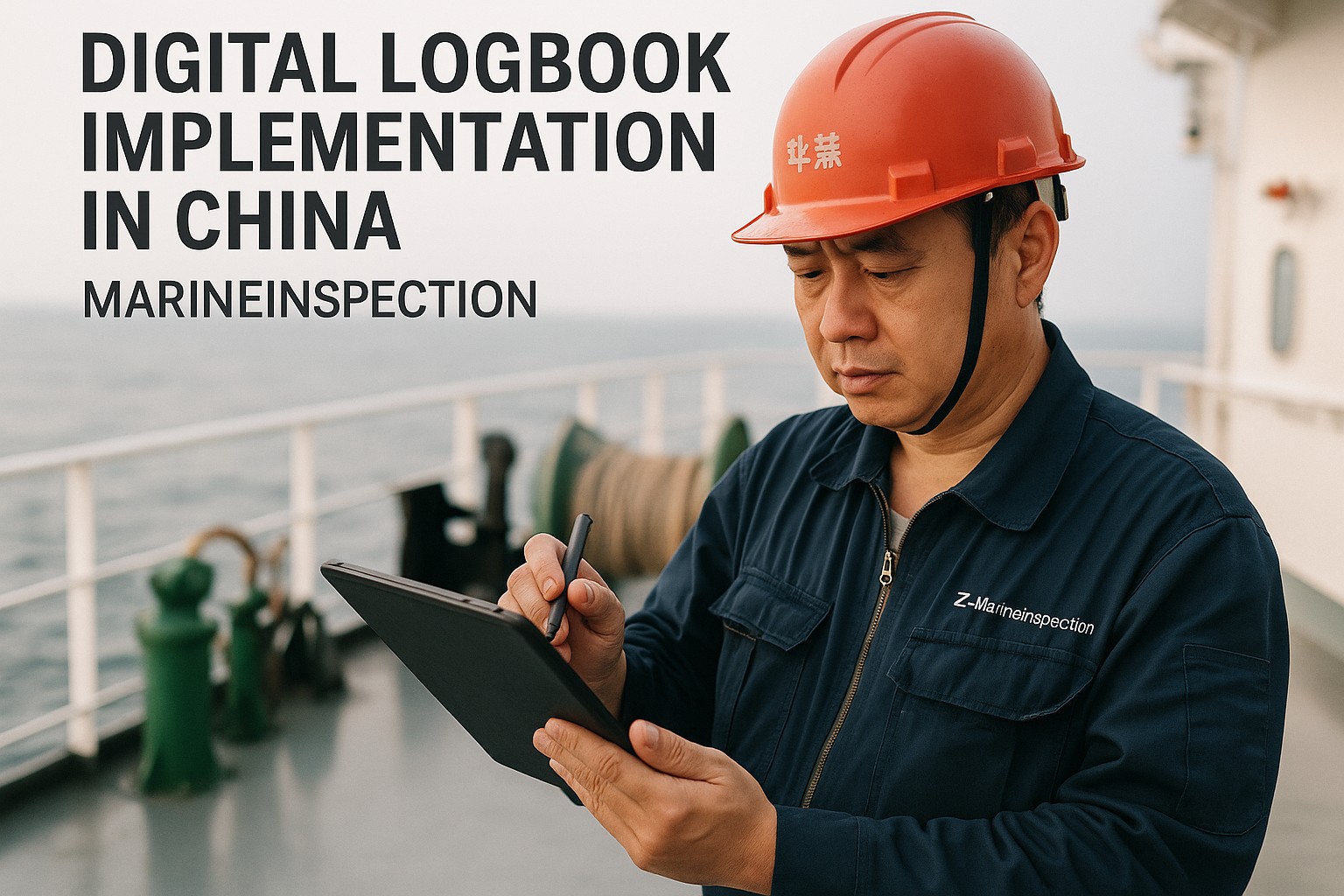
Digital logbook implementation revolutionizes maritime operations in China, transforming weeks of paperwork into minutes of efficient record-keeping. With China MSA increasingly emphasizing documentation quality during Port State Control inspections, digital logbooks deliver 90% time savings, eliminate 95% of documentation errors, and provide instant audit-ready compliance records. This guide reveals how Chinese vessel operators achieve seamless digital transformation while meeting all regulatory requirements.
Digital Logbook Implementation – China Edition 2025
Transform your vessel operations with digital logbooks designed for China's maritime environment. Achieve instant compliance, reduce administrative burden, and modernize your fleet management.
Ready to Go Paperless?
Start your digital logbook transformation today with zero learning curve.
Start Free Trial Schedule DemoWhy Digital Logbooks Are Essential for Chinese Vessel Operations
China's maritime industry is rapidly digitalizing, with MSA encouraging modern documentation systems during inspections. Digital logbooks address critical pain points that paper-based systems cannot solve in today's fast-paced shipping environment.
Traditional Paper Logbooks
Digital Logbook Systems
China MSA Digital Logbook Requirements & Acceptance
Understanding MSA's position on digital logbooks is crucial for successful implementation. Chinese maritime authorities accept digital records when properly implemented:
MSA Acceptance Criteria
- Chronological entry recording with timestamps
- Non-editable after submission (audit trail)
- Ability to print complete records on demand
- Data backup and recovery capabilities
- User authentication and access controls
- Compliance with IMO Resolution A.1070(28)
Essential Logbook Types
- Deck Logbook (navigation, weather, operations)
- Engine Room Logbook (machinery operations)
- Oil Record Book Part I & II (MARPOL)
- Garbage Record Book (waste management)
- Cargo Operations Log (loading/discharge)
- Training & Drill Records (safety drills)
Data Security Requirements
- Encrypted data transmission and storage
- Multi-level user access permissions
- Complete audit trail of all entries
- Regular automated backups (daily minimum)
- Offline capability for critical operations
- Minimum 5-year data retention period
Legal Considerations
- Master's authorization for digital system use
- Classification society approval (if required)
- Flag state acceptance documentation
- Electronic signature validity under Chinese law
- Admissibility in legal proceedings
- Compliance with China Cybersecurity Law
5-Step Digital Logbook Implementation Process
Follow this proven methodology to transition smoothly from paper to digital logbooks:
Assessment & Planning (Week 1-2)
What to do:
- Audit current logbook practices and pain points
- Identify all logbook types required for your vessel
- Survey crew on digital literacy and concerns
- Review MSA and flag state digital requirements
- Set clear goals (time savings, error reduction, etc.)
Outcome: Clear understanding of needs and implementation scope
Platform Selection (Week 2-3)
Key features to evaluate:
- Offline capability (essential for poor connectivity)
- Chinese language interface and support
- Mobile compatibility (tablets/smartphones)
- Customizable templates matching your operations
- Integration with existing vessel systems
- Cost structure and long-term affordability
Outcome: Selected platform meeting all operational requirements
Setup & Configuration (Week 3-4)
Configuration tasks:
- Create vessel profile with specifications
- Configure user accounts for all crew members
- Customize logbook templates to match needs
- Set up automated reminders and workflows
- Configure data backup schedule
- Test all functions in offline mode
Outcome: Fully configured system ready for crew training
Crew Training (Week 4-5)
Training approach:
- Master and Chief Engineer training first (2 hours)
- Deck and engine officers training (1.5 hours each)
- Hands-on practice with dummy entries
- Chinese language training materials provided
- Troubleshooting common issues workshop
- Create quick reference guides for each position
Outcome: Crew confident and competent using digital system
Parallel Operation & Full Transition (Week 5-8)
Transition strategy:
- Run digital alongside paper for 2-3 weeks
- Compare entries daily for accuracy
- Address crew concerns and technical issues
- Notify flag state and classification society
- Inform MSA during next port call
- Full digital transition after successful validation
Outcome: Complete transition to digital logbooks with confidence
Quantifiable Benefits of Digital Logbook Implementation
Real data from Chinese vessel operators who transitioned to digital logbooks:
Time Efficiency
Annual Time Savings: 200+ hours per vessel
Accuracy & Compliance
MSA Compliance Rating: Excellent
Overcoming Common Implementation Challenges
Anticipate and address these challenges for smooth digital transition:
Challenge: Crew Resistance to Change
Why it happens: Senior crew comfortable with paper, fear of technology, concern about job security
Solution approach:
- Involve crew in platform selection process
- Emphasize time savings ("less paperwork = more operational focus")
- Start with most tech-savvy crew members as champions
- Provide patient, judgment-free training
- Show quick wins (instant record search, auto-fill features)
- Keep parallel paper system initially for comfort
Success rate improves 80% with crew involvement
Challenge: Internet Connectivity Issues
Why it happens: Spotty connectivity in Chinese coastal waters, complete loss in open ocean
Solution approach:
- Choose platform with robust offline mode
- Auto-sync when connectivity restored
- Local device storage for critical data
- Manual backup export capability
- Test offline functionality extensively before going live
- 4G backup dongles for Chinese coastal operations
Proper offline mode eliminates 95% of connectivity concerns
Challenge: Hardware Requirements & Costs
Why it happens: Need tablets/laptops, concerns about expense, device durability at sea
Solution approach:
- Start with 2-3 tablets ($300-800 each) instead of one per crew
- Choose rugged, water-resistant models (IP67+ rating)
- Use existing bridge computers as primary input
- Mobile phone compatibility as backup option
- Calculate ROI: hardware costs recovered in 3-6 months
- Consider leasing or installment payment plans
Initial investment pays back within 6 months typically
Challenge: Data Security & Privacy Concerns
Why it happens: Fear of data breaches, compliance with China Cybersecurity Law, concerns about cloud storage
Solution approach:
- Choose platforms with bank-grade encryption
- Verify China data residency compliance if required
- Implement role-based access controls
- Regular security audits and penetration testing
- Train crew on password security best practices
- Maintain local encrypted backups as additional protection
Proper security measures exceed paper logbook protection
Challenge: Legal & Regulatory Uncertainty
Why it happens: Unclear flag state positions, varying port state acceptance, evidence admissibility concerns
Solution approach:
- Get written approval from flag state administration
- Inform classification society and get notation if available
- Notify MSA during first port call after implementation
- Maintain ability to print complete records on demand
- Document audit trail capabilities for inspectors
- Keep digital signatures legally compliant
Proactive communication eliminates 90% of regulatory concerns
Essential Features for Chinese Maritime Operations
Not all digital logbook platforms are created equal. Prioritize these features for Chinese operations:
Chinese Language Support
Full interface, templates, and support in Simplified Chinese. Critical for crew acceptance and MSA communication.
Offline Functionality
Complete logbook entry capability without internet. Auto-sync when connection restored. Essential for ocean passages.
Mobile Compatibility
Works on tablets, smartphones, and computers. Crew can enter data from any device, any location on vessel.
Instant Search
Find any record in seconds using date, keyword, or filter. Critical for MSA inspections and incident investigations.
Customizable Templates
Pre-built templates for all logbook types with ability to customize fields matching your specific operations.
Audit Trail
Complete record of who entered what, when. Entries cannot be deleted or altered after submission. MSA requirement.
Cloud Backup
Automatic daily backups to secure cloud. Data protected even if vessel hardware fails or is lost.
Print Capability
Generate PDF reports matching traditional logbook format. Essential for inspectors who want printed copies.
Analytics Dashboard
Trend analysis, performance metrics, automated reporting. Valuable for shore management oversight.
System Integration
Connects with ECDIS, engine monitoring, or other vessel systems for automatic data population.
Multi-Vessel Management
Fleet operators can monitor all vessels from single dashboard. Useful for companies with multiple vessels.
Built-in Training
Interactive tutorials and help guides within platform. Reduces training time and ongoing support needs.
All Essential Features Included
Our platform provides everything Chinese vessel operators need for successful digital logbook implementation
Start Free Trial Schedule DemoCalculate Your Digital Logbook ROI
See how much your vessel can save by transitioning to digital logbooks:
Your Current Costs (Annual)
Your Projected Savings
Payback Period: 2 months
5-Year ROI: $152,000
*Calculations based on average Chinese vessel operations. Actual savings may vary by vessel type and operation profile.
Frequently Asked Questions
Does China MSA officially accept digital logbooks?
Yes, MSA accepts digital logbooks when implemented properly. Key requirements: chronological entries with timestamps, non-editable records after submission, ability to print on demand, proper backup systems, and audit trail capability. Inform MSA inspectors during port calls and demonstrate system functionality. Most inspectors appreciate digital systems for faster record retrieval. Have printed summaries available as backup for conservative inspectors.
What happens if our internet connection fails?
Quality digital logbook platforms work fully offline. Entries are saved locally on device and automatically sync when connectivity restored. This is essential for ocean passages where internet unavailable for days. Test offline functionality thoroughly before implementation. Ensure multiple devices have offline capability. Consider 4G backup dongles for Chinese coastal operations where cellular coverage available.
How long does implementation take?
Typical timeline: 6-8 weeks from decision to full implementation. Week 1-2: assessment and planning. Week 2-3: platform selection. Week 3-4: setup and configuration. Week 4-5: crew training. Week 5-8: parallel operation with paper before full transition. Can be accelerated to 4 weeks if crew highly motivated and tech-savvy. Don't rush – proper training ensures long-term success.
What hardware do we need?
Minimum: 2-3 tablets ($300-800 each) with protective cases. Recommended: rugged, water-resistant tablets (IP67+ rating) designed for industrial use. Can also use existing bridge computers, laptops, or crew personal smartphones as backup. Consider: battery life (8+ hours), screen size (10"+ for easy reading), storage capacity (64GB+), and durability at sea. Total hardware investment: $1,000-2,500 depending on choices.
How do we handle crew who aren't tech-savvy?
Patient training is key. Use Chinese language interface and materials. Start with basic smartphone-like operations (tap, swipe, type). Focus on specific tasks each crew member needs (deck officer navigation entries, engineer machinery logs). Create simple quick-reference cards with screenshots. Designate tech-savvy crew as helpers. Run parallel with paper initially so no pressure. Most crew become comfortable within 2-3 weeks with proper support. Age is less barrier than attitude – we've seen 60+ year old masters become digital advocates.
Are digital logbooks legally admissible in incidents?
Yes, when properly implemented with audit trails, timestamps, and non-editable entries. Digital records often more credible than paper because tampering is impossible/detectable. Ensure system generates audit trail showing who entered what and when. Use secure authentication (passwords, biometrics). Maintain proper backups. Document system certification and approval. In legal proceedings, digital logbooks with proper audit trails typically considered more reliable than potentially altered paper records.
What if we need to switch vessels or companies?
Data portability is important consideration. Choose platforms allowing complete data export (PDF, CSV, or other standard formats). Your records belong to you – any reputable platform provides full export capability. When crew transfers vessels, historical data remains accessible to vessel/company that generated it. Ensure contracts specify data ownership and export rights. Best platforms allow seamless transfer of records when vessel changes management or crew changes vessels.
How much does digital logbook software cost?
Pricing varies: $3,000-8,000 per vessel annually for quality platforms. Factors affecting cost: number of users, vessels in fleet, features included, support level, and customization needs. Some charge per user, others flat rate per vessel. Our platform offers transparent pricing around $5,000/year including unlimited users, all features, Chinese language support, and training. Compare total cost including training and support, not just subscription fees. Calculate ROI – most vessels save 5-15x more than software costs.
Can we customize logbook templates for our operations?
Absolutely essential feature. Different vessel types need different templates (tankers vs. container vs. bulk). Look for platforms with: pre-built templates for major logbook types, ability to add custom fields, conditional logic (certain fields appear based on vessel type), dropdown menus reducing typing, and auto-calculation features. Best platforms let you customize without programming knowledge. Templates should match your paper logbook format making transition easier. Can create templates for company-specific forms beyond statutory requirements.
What happens to our data if the company goes out of business?
Critical question often overlooked. Reputable platforms have data continuity plans: escrow agreements ensuring data access even if company fails, export tools allowing complete data download anytime, standard format exports (PDF, CSV) readable without proprietary software, and contractual commitments to data availability. Before signing, confirm: data ownership terms, export capabilities, business continuity plans, and backup access procedures. Your logbook records are legal documents required for years – choose platforms with strong financial stability and clear data protection policies.
Start Your Digital Transformation Today
Join hundreds of Chinese vessels saving 200+ hours annually and achieving perfect MSA compliance through digital logbooks.
Setup in 15 minutes • No credit card required • Cancel anytime


